

Before selling a car for cash, most people hesitate for one simple reason: they don’t know what actually happens to the car once it’s gone.
That hesitation makes sense. A car isn’t just something you owned briefly and forgot about. It’s something you relied on, spent money on, and probably dealt with more stress than you’d like to admit. Even if it’s damaged, unreliable, or no longer running, handing it over can feel final.
For many Canberra drivers, the concern isn’t the payment. It’s the uncertainty. Where does the car go? Is it dumped somewhere? Is it stripped illegally? Does it come back to bite you later?
Here’s what really happens when you sell a vehicle through a professional cash for cars service without the fluff, and without the mystery.
In This Article:
The Car Is Looked At Properly, Not Rushed Through
Once the vehicle is collected, it isn’t thrown into a one-size-fits-all process.
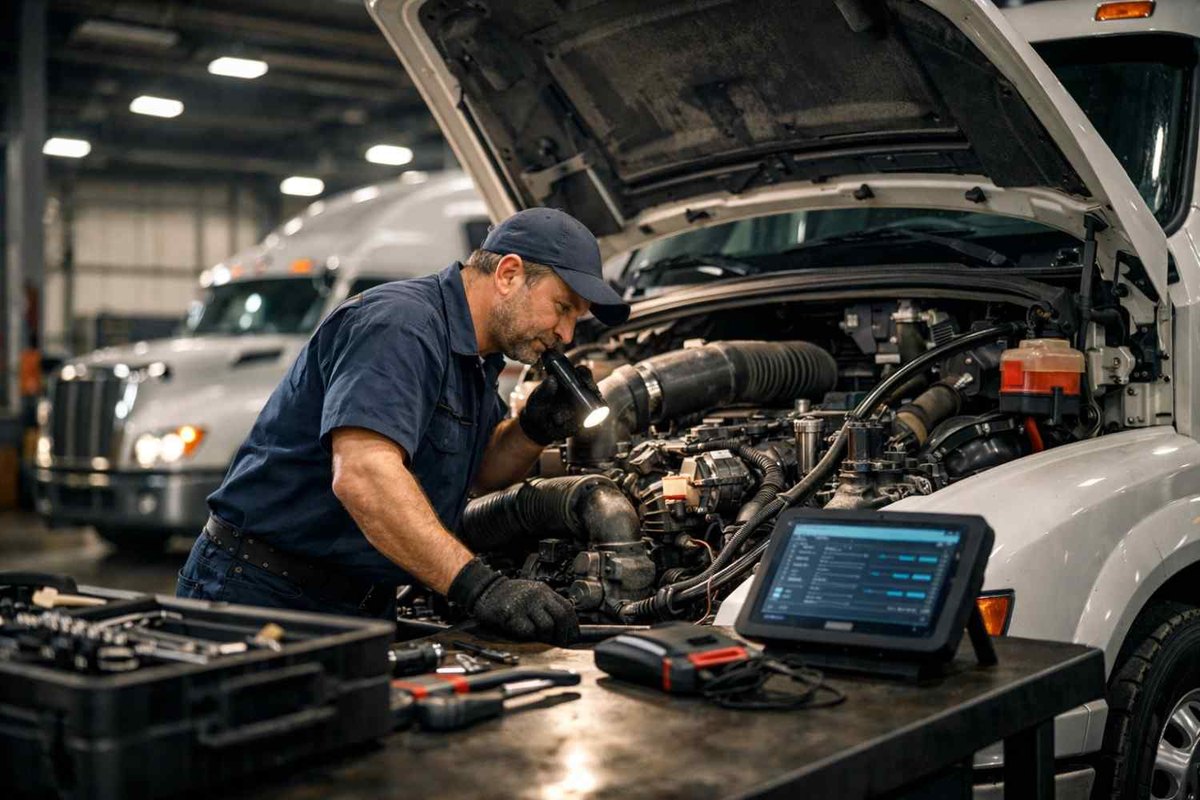
The first thing that happens is a proper assessment. The car is looked at as it sits, not as something that needs fixing or dressing up. The evaluation usually considers:
- The overall condition
- The age and model
- Which parts are still usable
- How much recyclable material it contains
There’s no attempt to prepare the car for resale or make it appealing to the next owner. That’s not the point. The goal is to work out where the remaining value actually is.
This is why cash for cars Canberra services can still make fair offers on vehicles that private buyers won’t touch.
Why the Whole Car Doesn’t Need to Work
Private buyers usually want a simple outcome: a car they can drive away.
Cash-for-cars operators look at vehicles very differently.
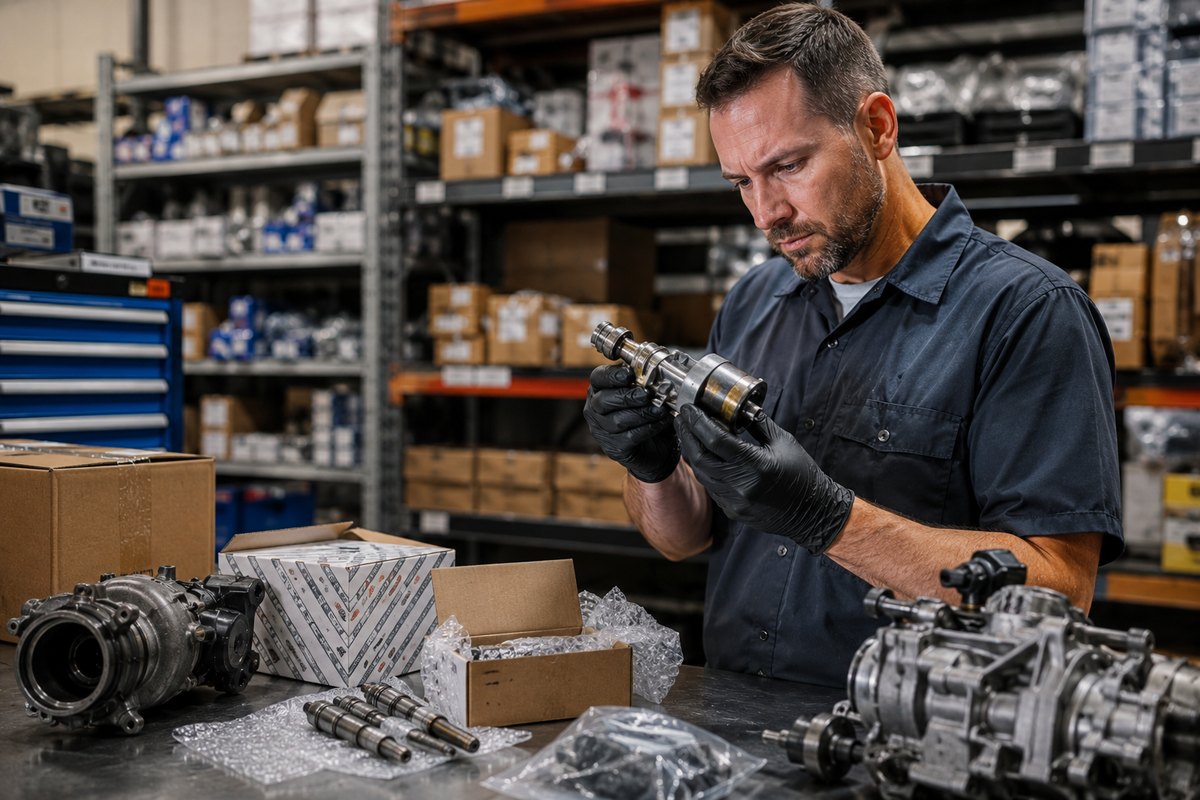
A car doesn’t need to be roadworthy to be useful. In fact, many cars that are no longer practical to drive still contain parts that are perfectly fine. Many parts most commonly outlive the car such as gearboxes, panels, engines, interior components and engines.
Those usable parts are picked out and removed carefully from the car. By doing this, the reusable parts help other cars work. Also, it reduces waste and maintain the good parts stock without doing new replacements.
For car owners or sellers, the unwanted car still holds real worth, even if it has been sitting for months and collecting dust in the garage. For sellers, it means the car still has value, even if it hasn’t been driven in months.
Recycling Is Where the Rest Goes
After all reusable parts are removed, the remaining body of the car is sent through the recycling process. Cars contain a high amount of recyclable metal, particularly steel and aluminium, which are sorted and delivered to approved facilities to be repurposed into new materials. This step matters because it ensures the car is handled properly, rather than being dumped, broken down without proper oversight. It’s also one of the main reasons damaged or non-running vehicles can still attract genuine offers through cash for cars services.
Even when the car looks finished, its materials still matter.
Why Cars That Won’t Sell Privately Still Have Worth
If you’ve tried selling a damaged or unregistered car privately, you already know how difficult it can be.
Private buyers are cautious. They avoid cars that:
- Aren’t registered
- Have accident damage
- Have mechanical issues
- Have been sitting unused
That doesn’t mean those cars are worthless. It just means they don’t fit what private buyers are looking for.
Cash for cars Canberra operators don’t rely on roadworthiness. They assess:
- Which parts can be reused
- What materials can be recycled
- Whether there’s demand for components
That broader view is why vehicles that struggle in private listings can still receive fair offers through cash-for-cars services.
Legal Handling and Responsibility Matter
Reputable operators don’t cut corners.
Vehicles are handled through clear, controlled processes that include:
- Proper paperwork
- Regulated dismantling
- Approved recycling pathways
For sellers, this matters more than people realise. The vehicle is no longer your responsibility upon collection. It prevents some upcoming risks, such as being misused or being abandoned.
Here’s why reliable service like Fyshwick Cash for Cars works.
Why Transparency Reassures Sellers
A big part of hesitation comes from not knowing what happens next.
When the process is clear, that hesitation fades. Sellers know that the car is processed responsibly and not just left on the street. Also, the usable parts have gotten a second life through sustainable recovery. By understanding this transparency process, selling a car won’t be stressfull.
It’s More Than Just Getting Paid
Selling a car for cash is often described as quick and convenient, and it is but for many people, the real benefit is closure.
Once the car is sold:
- It’s collected
- It’s processed responsibly
- It’s reused or recycled where possible
There are no follow-up calls. No paperwork stress. No wondering what happens next.
For people who’ve held onto a car longer than they wanted to, that clean break is often just as valuable as the money.
Why Cash-for-Cars Keeps Growing in Canberra
Canberra drivers deal with limited space, rising costs, and busy schedules. Dragging out a private sale isn’t always practical.
Advertising, responding to messages, dealing with no-shows, and negotiating can take weeks sometimes months.
That’s why cash for cars Canberra services continue to grow. It’s an easy and hassle-free process instead of private selling that must deal with back and forth processes and time waster buyers.
A Different Way to Look at the End of a Car’s Life
When a car stops running, it doesn’t mean the car’s value depreciates. Its role simply changes.
What once provided transport can still contribute through parts and materials. When handled properly, that transition is efficient, responsible, and surprisingly practical.
That’s what professional cash for cars services are designed to do.
Final Thought
Selling a car for cash isn’t about giving up on it. It’s about recognising when its job is done and making sure it’s handled properly from that point on.
When you understand what happens after the sale, the decision feels less like disposal and more like a sensible next step, one that clears space, removes stress, and lets you move on without loose ends.