
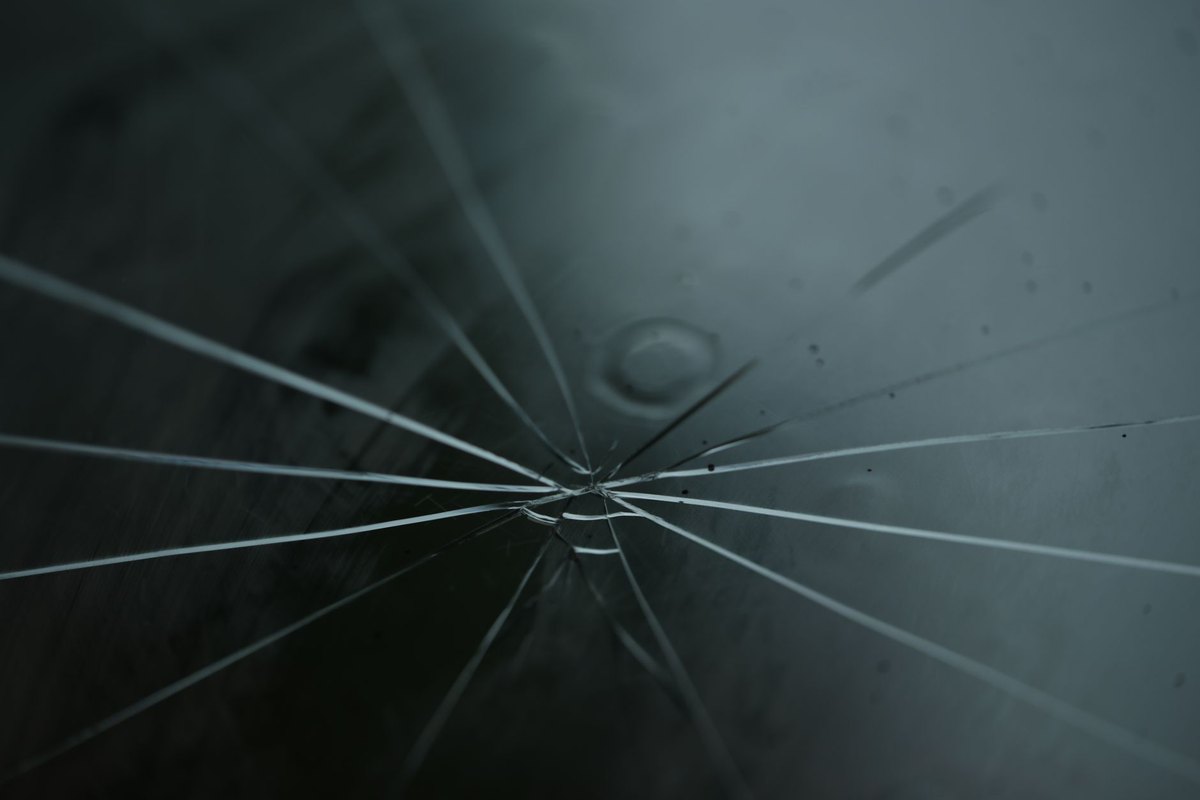
Forty degrees of temperature swing in a single day. That’s what a Phoenix windshield survives between a July afternoon and an overnight cooldown, and it’s the reason Valley drivers replace glass more often than drivers almost anywhere else in the country. I’ve watched a chip the size of a pencil eraser spread into a foot-long crack during one commute up the I-17. Not over a month. One drive.
So if you’re staring at a star-shaped ding and wondering whether it’s worth a phone call, you’re in the right place. The short answer: yes, and sooner than you think. Arizona’s combination of extreme heat, loose gravel on the shoulders, and long stretches of 75 mph freeway driving creates the worst possible environment for auto glass. A rock that would bounce off a Maine windshield at 40 mph hits your glass like a bullet at highway speed.
What follows is a practical guide to understanding what’s happening to your glass, how to slow the damage down, and when it makes more sense to call a car windshield replacement in phoenix shop versus trying to live with a repair. No scare tactics. Just what actually happens to laminated glass under desert conditions, and what you can do about it.
In This Article:
Why Arizona Is Genuinely Harder on Windshields
Windshield glass isn’t one solid sheet. It’s two layers of glass bonded to a plastic interlayer, usually polyvinyl butyral, and that sandwich is what keeps a crack from becoming a hole. The plastic holds everything together even when the outer layer fails.
Heat stresses that bond. When your dashboard hits 160 degrees in a parking lot and the outside of the glass is sitting at 115, the layers expand at different rates. Micro-fractures form at the edges where the glass meets the frame, often invisible until a rock finds them. This is why so many Phoenix cracks seem to appear “out of nowhere” on a cool morning. The damage was already there. The temperature drop just finished it off.
The other factor is road debris. According to the Federal Highway Administration, America’s interstate system carries an enormous volume of truck traffic, and gravel and aggregate hauled on flatbeds is a major source of windshield strikes. In the Valley, you add construction zones on Loop 101 and the 202 that seem permanent, plus unpaved shoulder edges that kick up material every time a truck drifts over the line.
Chipped, Cracked, or Just Annoying? A Quick Decision Guide
Not every imperfection needs a full replacement, and any shop that tells you otherwise is selling, not diagnosing. Here’s the framework I use when I look at a windshield:
| Damage Type | Typical Repair Option | What Drives the Call |
| Chip under a quarter inch, not in driver’s view | Resin repair | Cheap fix, stops spread, done in under an hour |
| Star or bullseye crack | Resin repair if caught early | Heat makes these spread fast, timing matters |
| Crack longer than a dollar bill | Replacement | Repair won’t restore structural strength |
| Damage in the driver’s primary sight line | Replacement | Repair can distort vision, and that’s a safety issue |
| Crack touching the edge or frame | Replacement | Edge cracks compromise the whole panel |
Here’s my honest read on that first row: if you’ve got a small chip and it’s nowhere near your line of sight, get it filled. It costs less than a tank of gas and it takes twenty minutes. Ignoring it in Phoenix heat is the single most expensive mistake I see drivers make, because a ten dollar repair becomes a several hundred dollar replacement once the sun gets to it.
What Actually Causes Windshields to Fail Here
Three culprits do almost all the damage in the Valley, and they’re worth naming because each one has a different fix.
Thermal shock. Blasting the AC on full the second you start the car after it’s been baking is genuinely rough on glass. Cracking your windows for thirty seconds before you crank the cold air gives the glass a chance to equalize. Small habit, real payoff.
Gravel and aggregate. Following dump trucks and flatbeds too closely is how most chips happen. The safe rule is simple: if you can read the mudflaps, you’re too close. Back off a few car lengths and you’ll cut your strike rate dramatically.
Existing micro-damage. Sand pitting from years of desert driving turns a windshield into a frosted mess at sunset. It’s not a crack, so it feels cosmetic, but it scatters headlights and low sun into a glare screen that genuinely reduces how far you can see. That’s when replacement stops being about looks.
A Maintenance Routine That Takes Ten Minutes a Month
You don’t need a garage or any real skill to extend the life of your glass. What you need is consistency.
- Walk around the car once a month and run a fingernail across any suspect spot. If your nail catches, it’s a chip, not a scratch.
- Fix chips within a week. In summer heat, think days, not weeks.
- Replace worn wiper blades before monsoon season. Metal arms dragging on dry glass scratch it permanently.
- Park in shade or use a windshield sunshade. Interior heat is what drives the thermal stress cycle.
- Keep a repair kit or a shop’s number saved in your phone so a chip doesn’t sit for a month while you “get around to it.”
The sunshade tip is the one people skip, and it’s the one I’d keep if I could only keep one. It costs almost nothing and it lowers the temperature differential your glass deals with every single day.
When to Replace Instead of Repair
Modern windshields aren’t just windows. They’re structural. The glass helps support the roof in a rollover and provides the mounting surface for the cameras and sensors behind your rearview mirror. The National Highway Traffic Safety Administration has documented that advanced driver assistance systems depend on proper camera positioning to function correctly, which is why a windshield replacement on a newer vehicle should include recalibration of those systems. Skip the recalibration and your lane-keeping assist may not work the way it’s supposed to.
That matters for the replacement decision in two ways. First, a windshield that’s lost structural integrity isn’t just ugly, it’s part of your crash protection. Second, on any car built in the last decade, replacement is a technical job, not just a glass swap.
So my stance: repair anything small enough to repair, and replace anything that’s compromised your sight line, touched an edge, or grown past a few inches. Don’t shop on price alone for the replacement. Ask whether recalibration is included, whether the shop uses original-equipment-grade glass, and whether the work is warrantied. Those three questions separate a good install from a cheap one.
Paperwork, Insurance, and Arizona Specifics
Arizona drivers often assume windshield coverage works like it does in other states. It doesn’t always. Whether your policy covers glass with no deductible, or whether it’s handled as a separate claim, depends entirely on your carrier and your coverage selections. The American Automobile Association notes that glass coverage varies widely by state and policy, so the practical move is to call your insurer before you call a shop. Ten minutes on the phone tells you exactly what you’re paying out of pocket, and some carriers will steer you to an approved network that handles the claim paperwork for you.
If you’re paying cash, get a written quote that itemizes glass, labor, adhesive, and calibration. A quote that lumps everything into one number is harder to compare and harder to question later.
Frequently Overlooked Details
Two things catch Valley drivers off guard. The first is mobile service. Plenty of glass work can be done in your driveway, which saves you sitting in a waiting room, but you’ll need to leave the car parked for the adhesive to cure before you drive it. Plan for that.
The second is timing. Monsoon season dumps rain hard and fast, and a windshield with a fresh crack is a windshield that can leak. If you’re three weeks out from July, that chip you’ve been ignoring is a real problem, not an aesthetic one.
Arizona’s climate gives you a simple deal: stay ahead of small damage and your windshield can last years. Let it slide and the desert will collect. Take ten minutes this month to check your glass, fix what’s fixable, and get a real quote on what isn’t. Your future self, squinting into a low sun on the 101, will thank you.