
In This Article:
Quick Answer
A small chip or short crack in your automotive glass can often be resolved with a simple, cost-effective service. Yet if the damage spans several inches, reaches the edge, or obstructs your view, the entire windshield may require replacement. Your safety depends on clear visibility and structural strength, especially on Canadian roads where temperature swings and road debris are common. When in doubt, seek assessment from a qualified professional who can evaluate the damage against current safety standards and provincial regulations.
Introduction
Picture this: you’re driving home after a long day, the sky is grey, and gravel flies up from the truck ahead. A sharp ping echoes through the cabin. You glance at your windshield and spot a small mark shaped like a star. Your heart sinks. Is it a minor issue you can address later, or a sign that your windshield’s days are numbered?
Many drivers wonder about their options when facing glass damage. While some imperfections can be resolved with a quick fix, others signal that a full windshield replacement is the safer, more durable path forward. Understanding the difference helps you make a confident decision without unnecessary delay or expense.
This guide walks you through the key factors that determine repair versus replacement, from damage size and location to safety standards and long-term value. By the end, you’ll know exactly what steps to take next.
Understanding the Difference: Repair Versus Replacement Decisions
When assessing glass damage, several factors determine whether a simple fix will restore your windshield or if a full change is necessary. Making the right choice protects your safety, your vehicle’s value, and your wallet. Let’s break down the key considerations with clear examples and a practical reference guide.
Size Matters: Measuring the Damage
Most automotive glass professionals follow general size guidelines when evaluating damage. Small chips under the diameter of a toonie and cracks shorter than six inches often qualify for restoration. Larger damage typically compromises the structural integrity of the glass, making replacement the safer option. Keep in mind that even a small imperfection can spread quickly under stress, temperature changes, or road vibration. If you notice a mark growing, do not wait to seek assessment.
Location Is Critical: Where the Chip or Crack Appears
The position of damage heavily influences your options. Consider these location-based factors:
| Location | Typical Recommendation | Reason |
| Centre of the windshield, away from the edges | Often repairable | Less stress on the area, minimal impact on structural strength |
| Edge or corner of the windshield | Usually requires replacement | Compromises the seal and frame integrity, higher risk of spreading |
| Directly in the driver’s line of sight | Case-by-case evaluation | Repair may cause optical distortion; safety standards prioritize clear visibility |
| Over sensors or cameras | Often requires replacement | May interfere with the calibration of advanced driver assistance systems |
Depth and Type: Bullseye, Star, or Long Crack
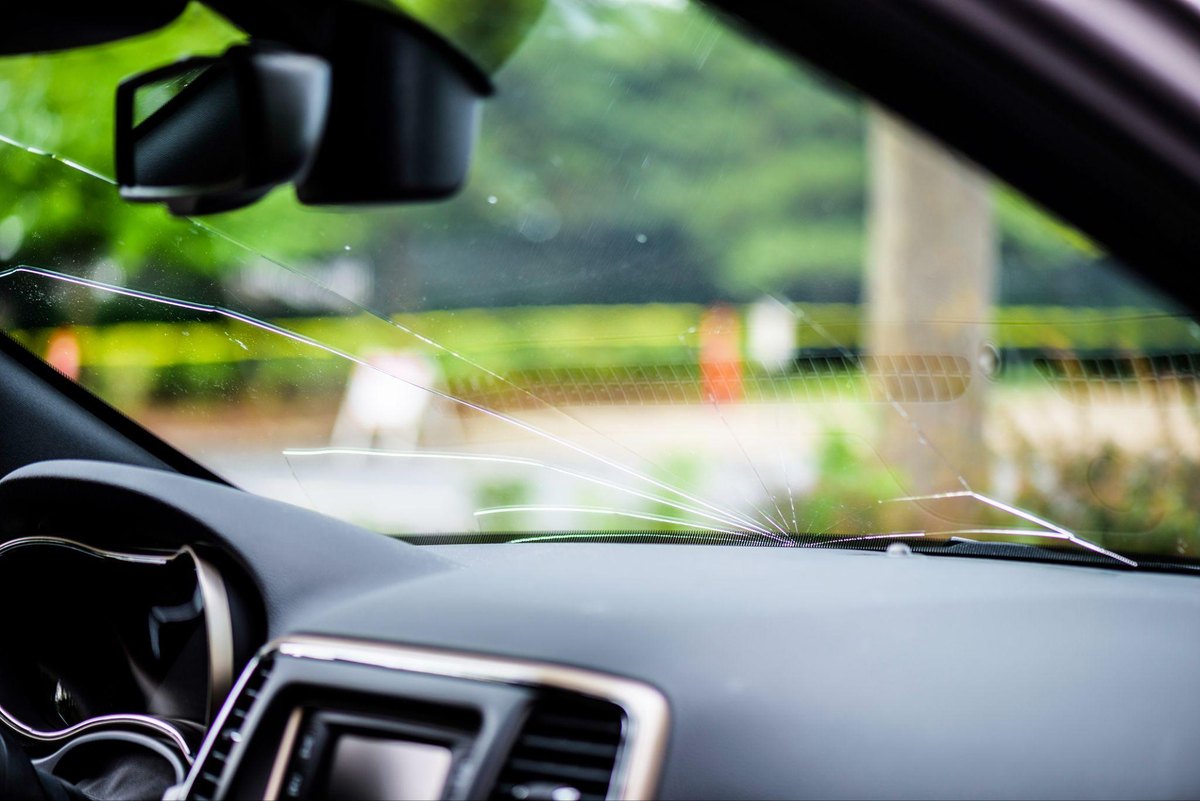
Not all damage looks the same, and the pattern matters. A shallow bullseye chip with no inner layer penetration may be resolved with a straightforward windshield repair. In contrast, a long crack that reaches both surfaces of the glass, or a complex star break with multiple legs, often indicates deeper compromise. If you can feel the damage with your fingernail on both sides of the glass, replacement is likely the only safe path forward.
Environmental Factors: Canadian Weather and Road Conditions
Our climate adds unique pressure to automotive glass. Extreme cold causes materials to contract, while sudden warmth from defrosters or sunlight creates expansion. This cycle can turn a minor chip into a spreading crack within hours. Salt, gravel, and winter road maintenance materials also accelerate damage progression. A timely assessment during colder months is especially important, as waiting even a day or two can change a repairable situation into one that requires full replacement.
Quick Reference: Repair Versus Replacement Decision Table
| Factor | Favouring Repair | Favouring Replacement |
| Size | Chip smaller than 25 mm, crack under 150 mm | Chip larger than 25 mm, crack over 150 mm |
| Depth | Surface level, no inner layer penetration | Penetrates both glass layers or reaches the vinyl interlayer |
| Location | Centre area, away from edges and sensors | Edge, corner, driver sight line, or over ADAS components |
| Number of damage points | One isolated incident | Multiple chips or cracks in close proximity |
| Growth | Stable, no visible spreading | Actively lengthening or branching |
| Vehicle age and value | Older vehicle where cost efficiency is a priority | Newer vehicle with advanced safety features requiring perfect optical clarity |
What to Do Next: Practical Steps and Pro Tips

Once you’ve spotted damage on your windshield, taking the right next steps can save time, money, and stress. This section outlines actionable guidance to help you move forward with confidence, whether the solution is a quick fix or a full change.
Immediate Actions After Noticing Damage
Do not ignore that small mark. Follow these steps right away:
Cover the area with clear tape to keep out moisture, dirt, and road salt
Avoid using your defroster on high heat directly on the damaged spot
Park in a garage or shaded area when possible to reduce temperature stress
Schedule a professional assessment within 24 to 48 hours, especially during the winter months
These simple measures can prevent a minor issue from escalating while you arrange for expert evaluation.
Questions to Ask During a Professional Assessment
When consulting with a glass specialist like Super Auto Glass, come prepared. These questions help clarify your options:
Does the damage meet provincial safety standards for repair?
Will fixing this affect my vehicle’s advanced driver assistance systems?
What warranty covers the work, and does it transfer if I sell my vehicle?
How long will the service take, and do you offer mobile options?
Getting clear answers empowers you to understand exactly when to replace windshield versus when a restoration will suffice.
Insurance and Cost Considerations
Many Canadian auto insurance policies include glass coverage with little or no deductible. Review your policy details or contact your provider to confirm:
Whether repair services are fully covered with no out-of-pocket cost
If replacement requires a deductible, and how much it might be
Whether you can choose your service provider or must use a preferred network
| Scenario | Typical Insurance Coverage |
| Small chip, repairable | Often 100 percent covered, no deductible |
| Full replacement due to a crack | Deductible may apply; it varies by policy |
| Damage from falling objects or vandalism | Usually covered under the comprehensive portion |
| Wear and tear or neglect | Typically not covered |
Long-Term Care for Your Automotive Glass
Prevention is powerful. Extend the life of your windshield with these habits:
Maintain a safe following distance, especially behind gravel trucks or construction vehicles
Replace worn wiper blades to avoid scratches that weaken the glass surface
Use a sunshade in summer to reduce thermal stress on the windshield
Address minor chips promptly before temperature swings cause them to spread
Consistent care reduces the likelihood of unexpected damage and helps preserve your vehicle’s safety features.
Final Thoughts: Prioritizing Safety and Smart Decisions
Your windshield plays a vital role in your vehicle’s safety structure, supporting airbag deployment and maintaining cabin integrity during impact. When damage occurs, the choice between fixing or replacing it should never be based on cost alone. Safety, visibility, and long-term reliability must guide your decision.
If you are dealing with a minor stone impact, a timely rock chip repair can restore strength and clarity without the need for full replacement. However, if the damage is large, deep, or positioned in a critical area, replacing the windshield is the responsible choice for protecting yourself and your passengers on Canadian roads.