
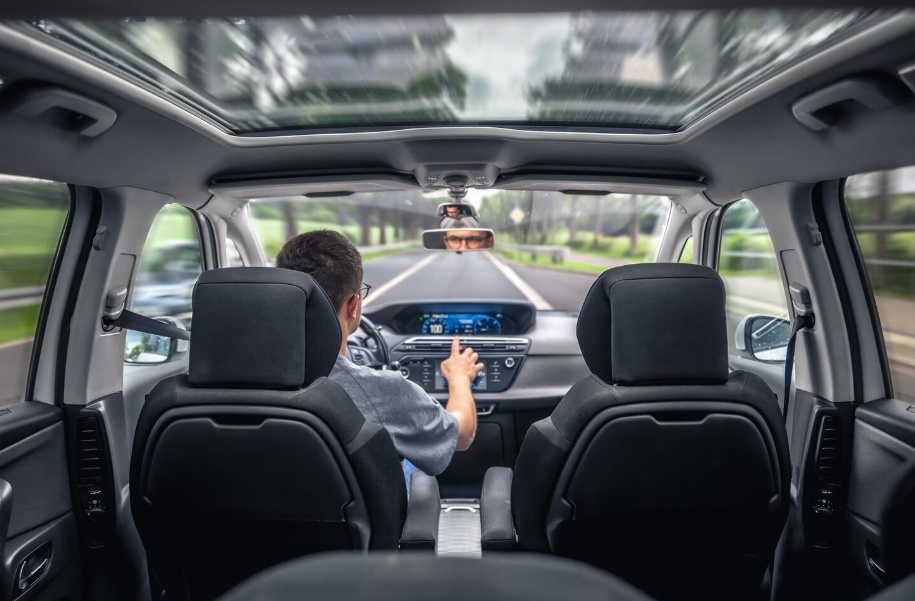
A windshield used to do three jobs: keep weather out, support the roof, and stop debris. On many newer vehicles, it also serves as a viewing window for a forward-facing camera and other sensors. Those parts sit behind the glass and feed driver-assistance features like automatic emergency braking and lane keeping.
That link is the reason ADAS windshield calibration now comes up during windshield service.
When Cracks Change Camera Geometry
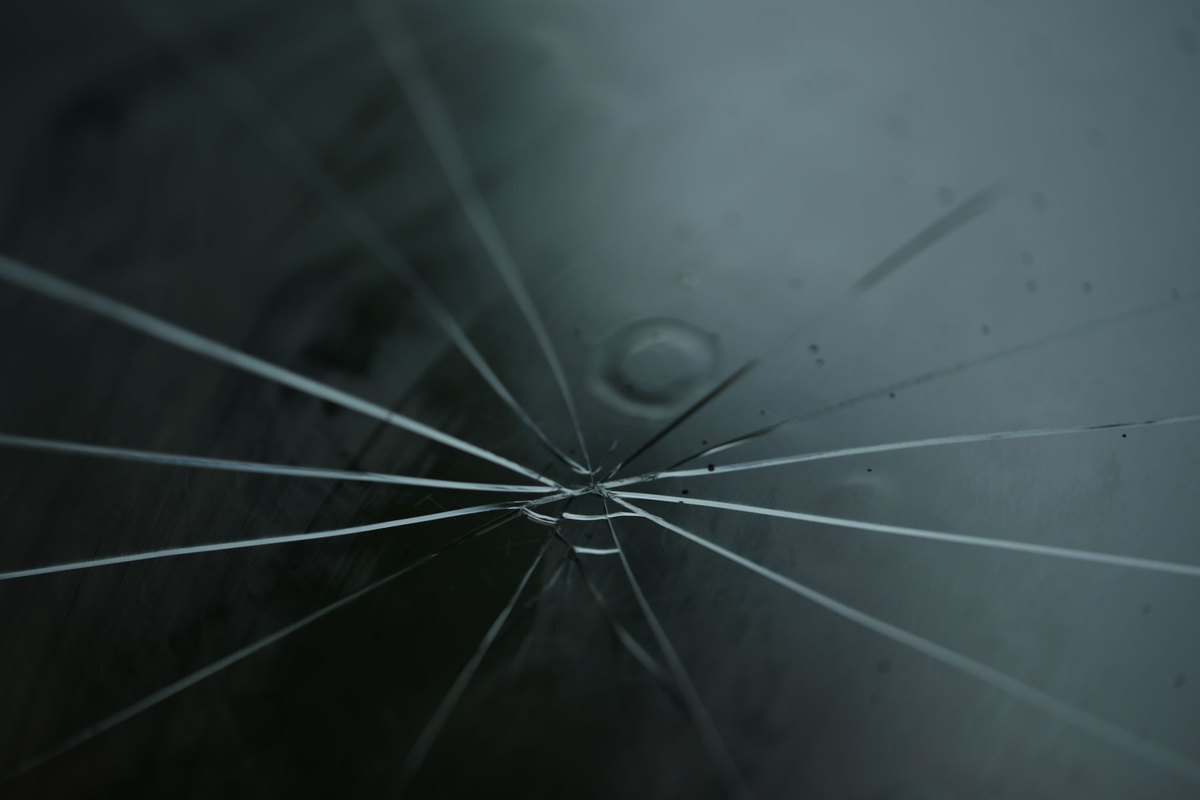
A chip near the camera housing can be tiny and still create problems. Damage scatters light. Pitting and haze reduce contrast. A crack that spreads into the camera’s field of view can trigger warnings or disable features.
Replacement can create issues, too. Windshields are curved and laminated, and the camera expects a specific thickness, curvature, and clarity so its measurements line up with the real world. Even a small mismatch can skew how the system interprets distance and lane position.
When a cracked windshield affects camera placement, the repair is no longer just a glass issue; it becomes a safety-system issue. Drivers may need clear documentation for auto glass insurance claims involving ADAS calibration, especially when replacement and recalibration are both required.
Phantom Braking Is A Symptom Drivers Notice Fast
Phantom braking is when the vehicle brakes even though nothing is in its path. At speed, that can set up a rear-end collision in seconds.
Regulators have been paying attention. The U.S. National Highway Traffic Safety Administration has investigated reports of unexpected braking in certain vehicles, and those investigations underline how sensitive these systems can be to sensor interpretation.
Software is often part of the story. Sensor input is part of it as well.
What Windshield Camera Calibration Actually Does
Windshield camera calibration is the process of teaching the vehicle where the camera is aimed after something changes. Windshield replacement is the common trigger, but it is not the only one. Bracket movement and front-end impacts can alter the camera’s baseline.
Many vehicles follow one of two calibration paths:
- Static calibration: The vehicle is positioned in a controlled bay while targets are set at measured distances. A scan tool guides the process and the system adjusts based on the target image.
- Dynamic calibration: The vehicle is driven under manufacturer-defined conditions, often with clear lane markings and steady speeds, so the system can relearn in motion.
Some models need one method. Others need both.
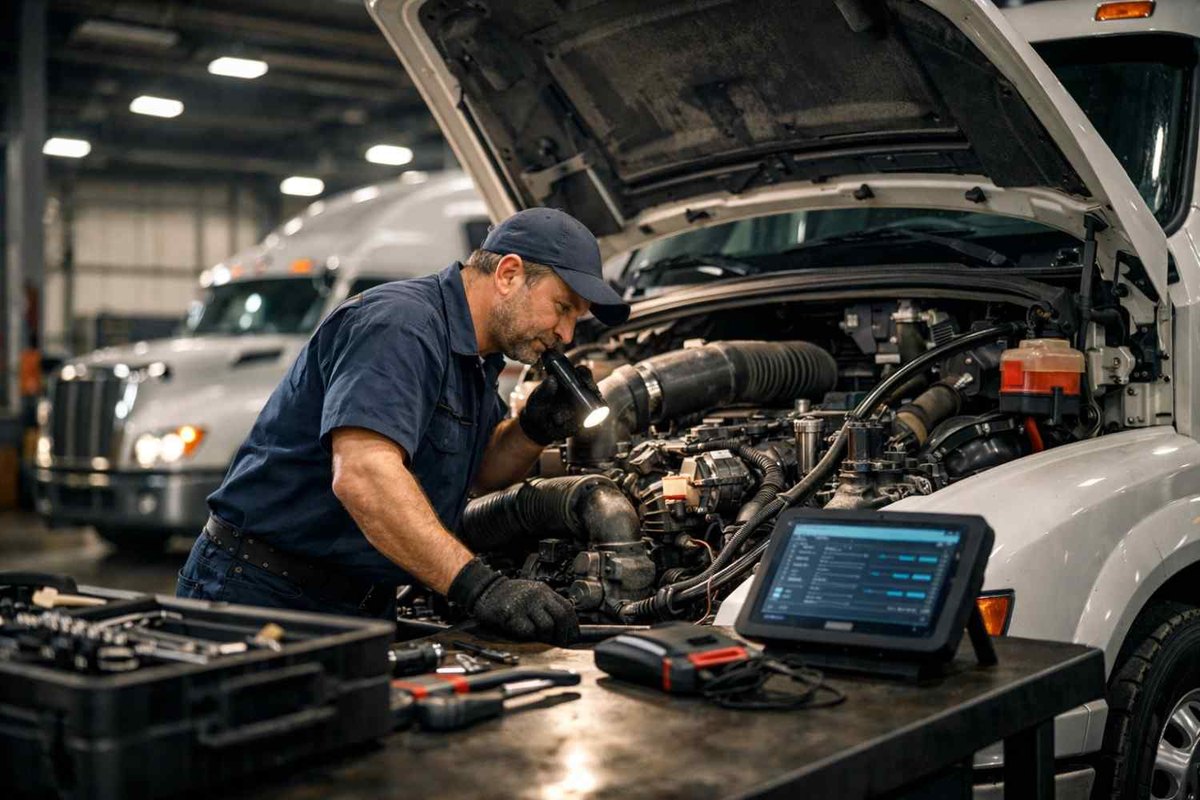
Calibration usually starts with a diagnostic scan, because many vehicles log camera or radar faults after glass work. During the procedure, the system checks the camera’s angle and position against a known reference, then stores updated values. Afterward, a road test can confirm that lane-keeping and forward warnings engage normally and that alerts are not delayed. A printed or digital report is useful later, since it ties the repair date to the calibration completion. It also helps if the vehicle changes owners soon.
Either way, ADAS recalibration after windshield replacement is part of returning the features to normal behavior.
Situations That Commonly Require Recalibration
If the camera bracket is bonded to the glass, the bracket effectively gets replaced with the windshield. A small aiming error can show up as late warnings or features that refuse to activate.
These situations often lead to forward collision warning calibration or lane assist camera calibration:
- Windshield replacement on vehicles with forward-facing cameras
- Front-end collisions, even at low speed
- Suspension or ride-height changes that alter the vehicle’s pitch
- Camera removal for mirror, headliner, or wiring repairs
- Dash warning lights tied to ADAS modules after other work
A Quick Reference Table For Shop Conversations
| Situation | What Usually Changes | What To Ask For |
| Windshield replaced | Glass optics, bracket position | OEM-spec glass and a calibration report |
| Bracket disturbed | Camera angle (yaw/pitch) | Calibration method required by the OEM |
| Front bumper impact | Radar aiming, sensor alignment | Full scan plus aiming check |
| Suspension changes | Vehicle attitude reference | Confirm recalibration requirements |
| Repeated false alerts | Sensor interpretation | Diagnostics plus calibration verification |
Costs, Documentation, And Resale Questions
Calibration adds steps and cost, and the bill surprises people who expected a basic glass job. AAA reported that ADAS-related repairs can add close to 38% to total repair costs after a crash.
Documentation also follows the car. A buyer may ask whether the systems were recalibrated after a windshield replacement, especially if lane-keeping and collision warnings are part of the purchase decision. The same question can come up when someone wants to buy a used car and is comparing two similar vehicles with different repair histories.
Transport And Delivery Can Affect Timing
Not every shop can do calibration in-house, which complicates timing when a vehicle needs to move quickly. Dynamic calibration may require a drive cycle on clearly marked roads. Static calibration needs a controlled indoor setup. If a vehicle leaves before the calibration is completed, the next owner or shop may inherit warnings and disabled features without context.
People arranging auto transport often focus on pickup dates and drop-off windows, while the car is still waiting on final calibration paperwork.
Regulations Are Raising The Floor On Automatic Braking
The National Highway Traffic Safety Administration issued a final rule requiring automatic emergency braking, including pedestrian AEB, on new light vehicles by 2029, with the agency estimating hundreds of lives saved per year and more than 24,000 injuries prevented.
Final Thoughts
Cracked glass, slight bracket misalignment, and subtle distortion can show up as strange ADAS behavior, including sudden braking or lane alerts that feel wrong. After replacement, calibration closes the loop between the camera and the road.
If you want more takes on ownership, repairs, and vehicle decisions, explore our blog.