

Buying a used car from a dealer can be a smart way to get a reliable vehicle, but it pays to be prepared. Dealers can offer inspected inventory, financing options, trade-in support, warranty choices and help with paperwork. Still, many buyers overpay because they focus only on the monthly payment or choose a car based on looks instead of total value.
Learning how to buy a used car from a dealer starts with knowing the market price, checking the vehicle history, reviewing fees and understanding the full out-the-door cost. A good deal is not always the lowest sticker price. It is the right car, in the right condition, at a fair final price. This guide explains how to compare used cars, inspect key details, avoid common dealer mistakes and make a confident purchase without spending more than you should.
In This Article:
Start With the Real Market Price
Before you visit a dealership, you need to know what the car is worth. Not what the dealer says it is worth. Not what the monthly payment makes it feel like. The actual market value.
Start by comparing similar vehicles in your area. Look at the same make, model, year, mileage, trim level, drivetrain, and condition. A used SUV with 38,000 miles is not the same as one with 78,000 miles. A higher trim may cost more, but not every feature adds real value to the next owner.
Suppose you want to buy a used Nissan. Reviewing listings for quality used cars at Old Orchard Nissan or another dealer can help you compare real used Nissan prices. But do not compare only the lowest prices online.
Some cheap listings have accident history, high mileage, missing features and rough condition. Your goal is not to find the cheapest car. Your goal is to find the cleanest car at a fair price.
Know the Difference Between Price and Out-the-Door Cost
The advertised price is not always the final price. That is where many buyers lose money.
A used car may look affordable online, but the total can change once taxes, registration, title fees, documentation fees and dealer add-ons are included. Some fees are normal. Others deserve a closer look.
Always ask for the out-the-door price. This is the total amount you will pay to buy the vehicle and drive it home. It should include the selling price, taxes, title, registration, documentation fee and any required charges.
Do not negotiate from the monthly payment first. Monthly payments can hide the real cost. A dealer can lower the payment by stretching the loan term, increasing the down payment or adjusting other numbers. The payment may look better while the total cost gets worse.
Check the Vehicle History Report
A vehicle history report is not perfect, but it is still important. It can show accidents, title issues, mileage records, ownership history, service records and whether the car was used as a rental, lease or fleet vehicle.
Look for warning signs. A branded title, repeated accident entries, odometer problems or gaps in ownership history should slow you down. A minor accident does not always mean the car is bad, but it should affect price and inspection.
Pay attention to where the vehicle spent its life. A car from a harsh winter climate may have more rust risk. A car from a flood-prone area needs extra checking. A vehicle with long gaps in service records may need maintenance soon.
Use the history report as step one. But the physical inspection is step two.
Inspect the Car Like the Price Depends on It
A used car can look good in photos and still have expensive problems. Before you talk numbers, inspect it carefully.
Start with the outside. Check body panels, paint match, gaps between panels, windshield damage, tire wear and signs of rust. Uneven gaps or mismatched paint can point to previous bodywork. Uneven tire wear can point to alignment or suspension issues.
Then check the inside. Look at seat wear, buttons, screens, air conditioning, heat, windows, locks, lights, backup camera and infotainment. Heavy interior wear on a low-mileage car can be a red flag.
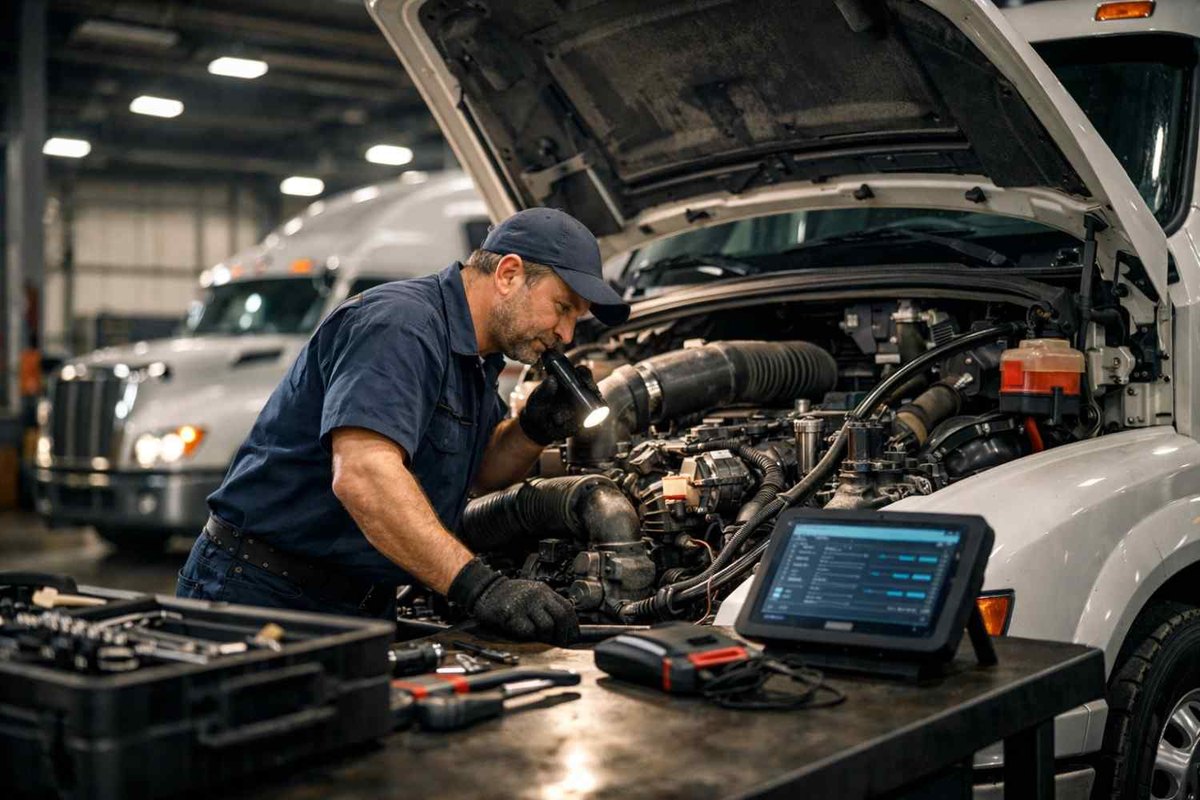
Under the hood, look for leaks, corrosion, cracked hoses and poor repair work. You do not need to be a mechanic to spot neglect. Dirty fluids, loose parts and strange smells are worth noting.
Check the tires. A car with worn tires may need $600 to $1,200 in replacements soon, depending on size and brand. That cost should affect your offer.
Take the Test Drive Seriously
A test drive is your chance to catch problems before they become your problems.
Drive the car at low speed, city speed and highway speed if possible. Listen for rattles, clunks, grinding, humming or vibration. Pay attention to how the transmission shifts. Check if the brakes feel smooth or if the steering pulls to one side.
Test the air conditioning and heat during the drive. Check the backup camera, sensors, blind spot system and cruise control if equipped. If the car has driving modes, test them. If it has all-wheel drive, ask how the system was checked.
Do not let clean detailing distract you. A washed car with shiny tires can still have mechanical issues.
After the drive, park and let the car idle. Look for warning lights. Check for smells. Look under the car for leaks. If something feels off, ask questions before discussing price.
Understand Certified Pre-Owned vs. Regular Used
Certified pre-owned, often called CPO, can be a good option. These vehicles usually have to meet age, mileage and condition rules set by the manufacturer. They may include extra warranty coverage and a more detailed inspection.
That does not mean every CPO car is automatically the best deal. You may pay more for certification. Sometimes that premium is worth it. But sometimes a clean non-certified used car with strong service records is the better buy.
Compare the benefits. Look at warranty length, what is covered, deductible, roadside assistance and transfer rules. Also compare the price difference between a CPO and a similar non-CPO model.
If the CPO vehicle costs $1,500 more but gives meaningful warranty coverage, it may make sense. If the difference is much higher, check whether the added protection is worth it for that specific car.
Get Financing Before You Visit the Dealer
Financing is one of the easiest places to overpay. A buyer may negotiate the vehicle price well, then lose money through a higher interest rate or longer loan term.
Before visiting the dealer, check rates from your bank, credit union or online lender. This gives you a baseline. You do not have to use outside financing, but you should know what you qualify for.
Dealers may be able to beat your rate. That is fine. Let them compete. But do not walk in with no idea what a fair rate looks like.
Watch the loan term. A longer term can lower the monthly payment, but it can also increase total interest. It may also keep you owing more than the car is worth for longer.
Be Careful With Add-Ons
Dealers often offer extra products during the final paperwork stage. These may include extended warranties, tire and wheel protection, paint protection, fabric protection, gap insurance, service plans and theft protection products.
Some add-ons can be useful. Many are overpriced. The problem is not that they exist. The problem is buyers often agree to them when they are tired and ready to leave.
Gap insurance may make sense if you finance with a small down payment. An extended warranty may make sense on certain vehicles. Paint protection may not be worth the price if you can get similar work done elsewhere for less.
Do not let add-ons get rolled into the loan without thinking. A $1,200 product costs more when financed with interest.
Negotiate the Right Way
Negotiation is often the hardest part of buying a used car from a dealer. Some buyers feel uncomfortable offering a lower price. Others go too far and make an offer so low that the dealer has no reason to take it seriously.
The right approach is to make an offer that works for you and still makes sense for the dealer. Good negotiation is not about pressure. It is about using facts.
Use your research. If similar cars are listed for less, show the examples. If the tires are worn, maintenance is due soon or the vehicle has been on the lot for a while, mention it.
Make a reasonable offer based on the market, the car’s condition and the full out-the-door cost. A fair offer backed by real numbers is much stronger than simply asking for a discount.
Read the Paperwork Before Signing
This is where you protect everything you negotiated.
Before signing, compare the contract to the numbers you agreed on. Check the selling price, fees, taxes, trade-in value, down payment, loan amount, interest rate and term.
Look for add-ons you did not approve. Look for price changes. Look for a different loan term. Mistakes can happen. So can last-minute changes.
If something looks wrong, stop and ask. Do not sign because you feel pressured. Once the paperwork is complete, fixing a problem becomes harder.
If the dealer promises to fix something after the sale, get it in writing. A verbal promise is not enough.
Conclusion
Buying a used car from a dealer without overpaying comes down to preparation. Know the market price. Ask for the out-the-door number. Check the history report. Inspect the vehicle. Test drive it properly. Understand financing before you sit in the finance office.
A dealer can be a good place to buy a used car, especially when the inventory is clear, the paperwork is handled correctly and the vehicle has been inspected. But the final responsibility is still yours. Compare the numbers, check the condition and stay focused on the total cost.
That is how you buy a used car from a dealer without overpaying.