

Keeping your car in excellent condition is one of the most effective ways to guarantee safety, improve fuel efficiency, and ensure a pleasant driving experience.
Whether you commute daily to work or take long car trips, routine maintenance helps prevent unexpected breakdowns and costly repairs.
Not sure what steps to take to get the most out of your drives? Here are practical tips you should follow.
In This Article:
1. Participate in Regular Inspections
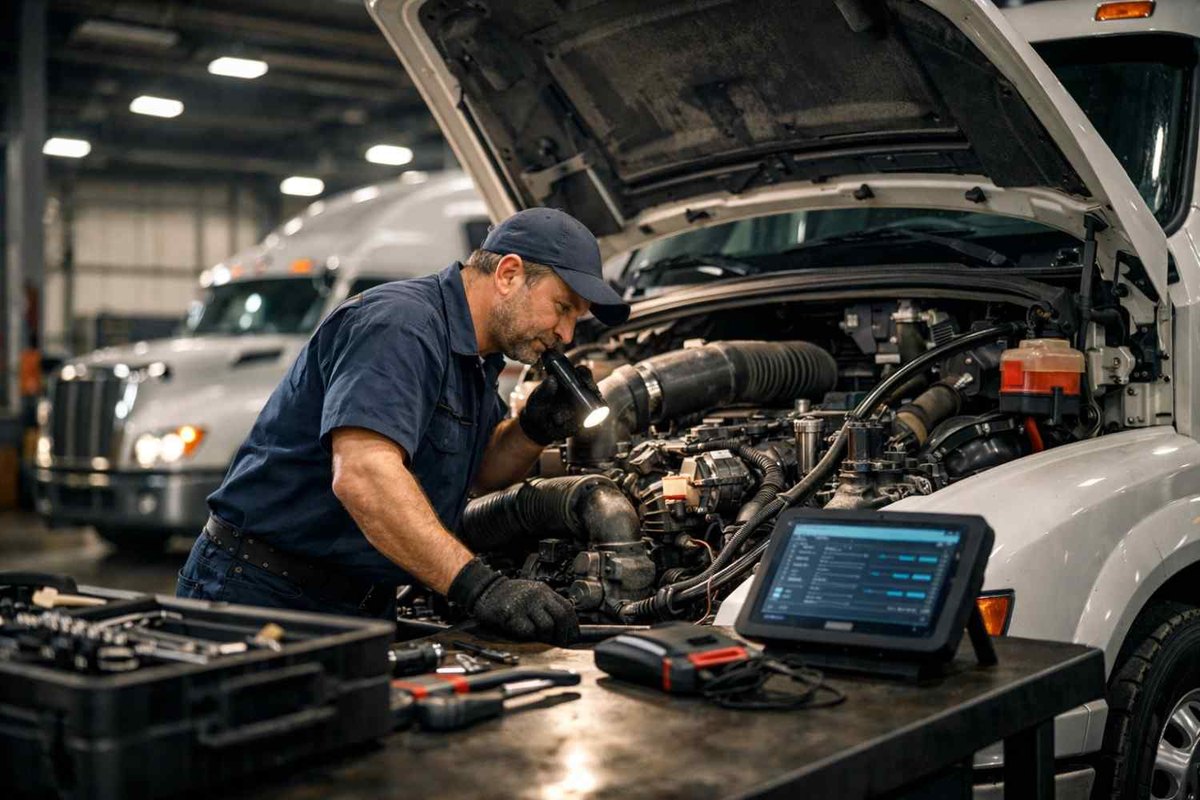
Routine inspections are the cornerstone of preventive maintenance. So check the key parts of your vehicle (tires, brakes, lights, belts, and hoses) to quickly detect any problems.
For example, the tires should be checked for proper inflation, wear, and tear, as worn tires can affect steering balance and fuel consumption.
In the same way, keeping your brake discs and pads in good working condition can significantly reduce your braking time and increase your overall safety.
Thus, periodic check-ups can save you the trouble of ending up in an emergency situation or incurring costly repairs in the future.
2. Keep Your Steering and Suspension in Perfect Condition
The car must have a stable and responsive steering system to ensure precise control of the vehicle. When turning, you may feel vibrations, stiffness, or unusual noises, which may be signs of wear on the steering components or the suspension system.
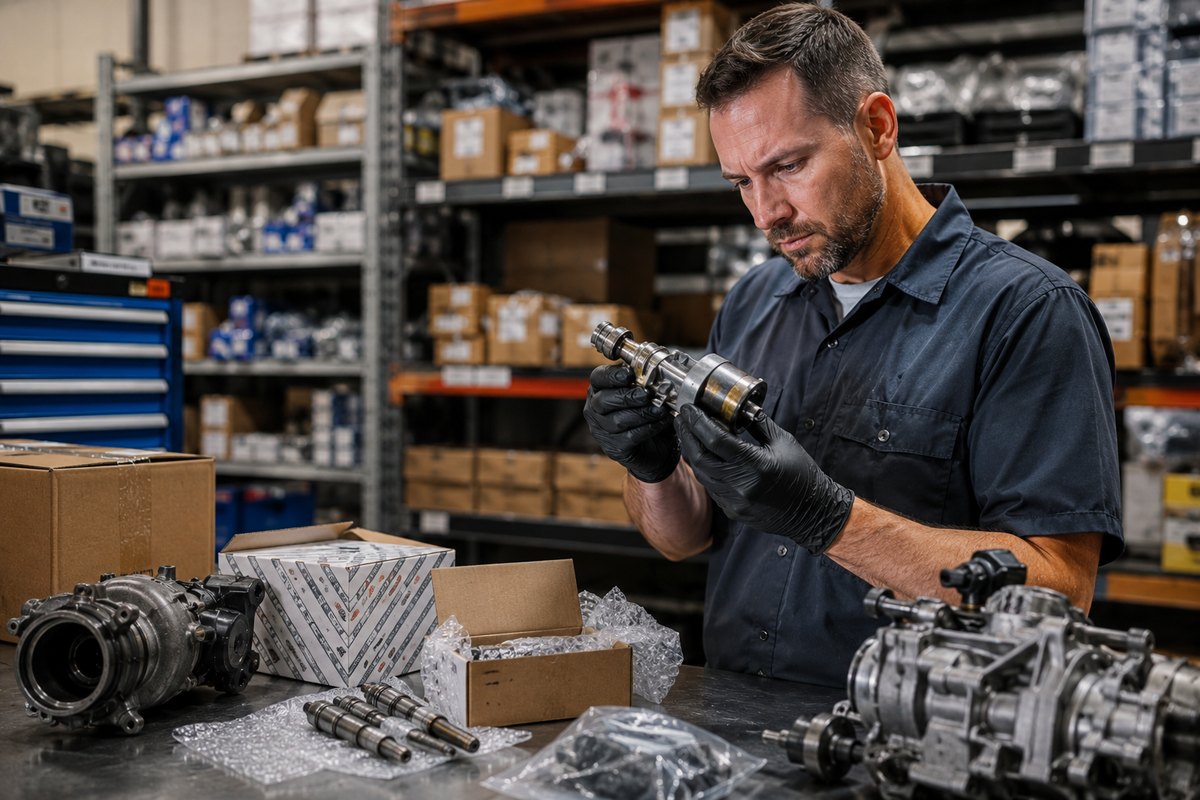
Replacing worn components, for example a Golf 4 steering wheel, during maintenance can significantly improve handling and road feel.
It is also important to check the alignment regularly, as misaligned wheels can lead to uneven tire wear, reduced fuel efficiency, and a car that is more difficult to drive. Smooth steering response not only increases comfort but also greatly improves driving safety.
3. Change Fluids and Filters Frequently
Engine oil, coolant, brake fluid, transmission fluid, and power steering fluid all require periodic replacement. Fresh oil ensures adequate lubrication, reduces friction, and extends the engine’s lifespan.
Coolant prevents overheating, especially during long trips or in bad weather. Meanwhile, changing the filters — oil, air, and cabin — helps your engine operate efficiently and keeps the air inside your car clean.Follow the manufacturer’s schedule, as this will help you reach a much higher level of performance and fuel efficiency.
4. Ensure Battery Efficiency
The average lifespan of a car battery is 3 to 5 years, but it can be shorter due to extreme temperatures or frequent use.
Regularly clean the terminals to prevent corrosion, and check the battery charge when the seasons change. When your headlights dim or your car won’t start, it may be time to replace it. Taking simple steps to maintain battery health will ensure that your vehicle starts reliably.
5. Never Neglect Warning Lights
Modern cars are equipped with sensors that warn you of potential problems before they worsen. Be aware of the check engine light, tire pressure warning, and oil indicator, among others. Ignoring them can lead to car breakdowns and costly maintenance. When a warning light is on, refer to your vehicle’s manual or consult a reliable mechanic as soon as possible.