

Have you ever been driving on a busy highway when your car suddenly sputters, slows, and refuses to go any farther? Few situations combine stress, urgency, and helplessness quite like a breakdown. Modern cars may be more reliable than ever, but unexpected failures still happen, often at the most inconvenient times. In this blog, we will share simple steps for handling a car breakdown.
In This Article:
Staying Safe First
The very first priority in any breakdown is safety. Pulling over to the side of the road quickly but calmly is essential. If you are on a highway, aim for the right shoulder, avoiding abrupt swerves that could endanger you or other drivers. Once stopped, turn on your hazard lights. These flashing signals may feel like small gestures, but they are your first line of communication with everyone else on the road.
If you are in a location that feels especially dangerous, such as a blind curve or a narrow shoulder, do not stay inside the vehicle with seat belts unfastened. Instead, exit carefully on the side away from traffic and move to a safe distance. This is particularly important today, as distracted driving has become a major factor in roadside accidents. Phones and constant notifications pull attention from the road, meaning stranded cars face more risk than they once did.
Once you’ve secured yourself and passengers, it is time to think about help. Many drivers rely on roadside assistance services, but not all situations allow for quick response times. If you need dependable support in central Maryland, for instance, Geyers Towing & Recovery is known for providing professional roadside help with everything from towing to jump starts. Knowing who to call before you break down keeps panic at bay when it actually happens.
Assessing the Situation
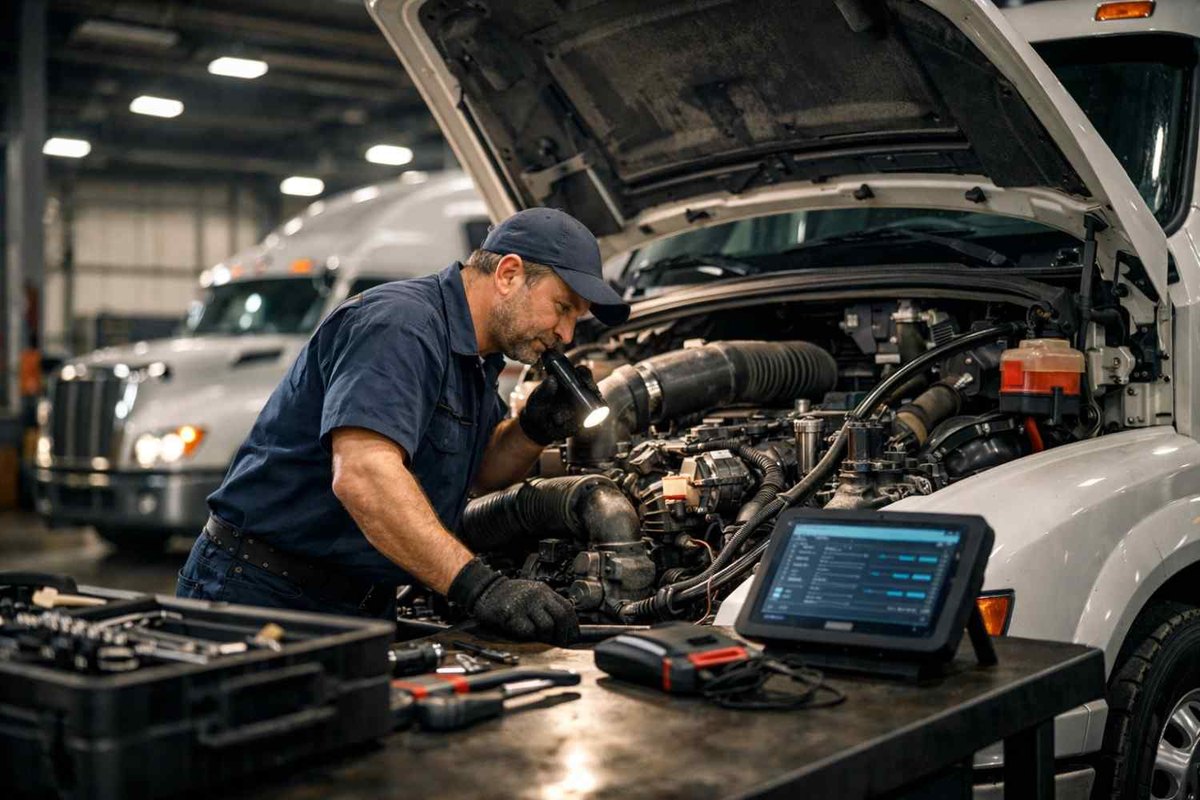
After reaching safety, the next step is figuring out what you’re dealing with. Sometimes it is obvious, like a flat tire or a dead battery. Other times the issue is more obscure, such as an engine that stalls without warning. While not every driver is mechanically inclined, even basic observations can help when describing the problem to a service provider.
Look for clear indicators: smoke from under the hood, warning lights on the dashboard, or unusual sounds that preceded the breakdown. Sharing these details saves valuable time for both you and the technician who responds. Even if you cannot fix the issue yourself, identifying symptoms provides clarity and avoids unnecessary towing or additional charges.
In many ways, this step mirrors how society now values information over assumptions. Just as businesses analyze data before making decisions, drivers benefit from pausing and gathering facts rather than jumping straight to conclusions.
Using the Right Tools
Preparation goes a long way in breakdown situations. A roadside emergency kit stocked with essentials—flashlight, jumper cables, reflective triangles, tire inflator, and basic tools—can transform a stressful event into a manageable one. These items don’t cost much but can make the difference between being stranded for hours and getting back on the road quickly.
Consider the current emphasis on resilience in other parts of life. Households keep extra food on hand during uncertain times, and businesses build contingency plans for disruptions. A car emergency kit is simply the automotive version of that mindset. It doesn’t mean you expect disaster every time you leave home. It means you are prepared to handle it when it comes.
Contacting Help Wisely
Calling for assistance is often unavoidable, but how you do it matters. Providing clear details about your location is essential, especially in rural areas where landmarks are scarce. Use your phone’s GPS if possible, and share nearby mile markers or exit numbers on highways. The more accurate you are, the faster help arrives.
With rising use of ride-sharing apps and food delivery platforms, society has grown accustomed to pinpoint accuracy in location tracking. That expectation carries into breakdown support as well. When service providers know exactly where to find you, both time and stress decrease dramatically.
While waiting for help, stay cautious. If strangers offer assistance, it is fine to accept small gestures like bottled water or a phone call, but avoid unnecessary risks by letting them attempt repairs. Professional assistance remains the safest route.
Managing Stress in the Moment
Breakdowns often happen at the worst possible times: rushing to work, traveling on vacation, or driving home late at night. The frustration builds quickly, and it is tempting to lash out at the situation. Yet staying calm not only improves your judgment but also keeps passengers reassured.
Humor can even help. A dead car battery at midnight may not seem funny at the time, but framing it as an inconvenient story you’ll retell later lightens the mood. In a world where minor inconveniences are often exaggerated on social media, practicing patience during a real disruption feels almost radical. Remaining level-headed turns a breakdown into a manageable event rather than a meltdown.
Preventing the Next Breakdown
While breakdowns cannot always be avoided, many result from skipped maintenance. Regular oil changes, tire checks, and battery replacements reduce the odds of unexpected failure. Drivers who treat maintenance as optional usually learn the hard way that neglect has a price.
This connects to broader conversations about preventative care. In healthcare, ignoring check-ups often leads to more expensive interventions later. In business, failing to maintain systems causes costly downtime. Cars are no different. A little attention in advance prevents major disruptions down the road.
Seasonal checks are especially important. Summer heat strains batteries, while winter cold highlights weaknesses in tires and fluids. Adding routine inspections before long trips ensures that breakdowns remain rare rather than inevitable.
Handling a car breakdown requires a sequence of practical steps: prioritize safety, assess the situation, use available tools, call for reliable help, and manage stress until the problem is resolved. Preparation reduces risk, and maintenance prevents many issues from happening in the first place.
Yet beyond the practical, breakdowns remind us of our reliance on both machines and each other. They illustrate the limits of planning in a world full of unpredictability. The key is not eliminating every possible risk but responding with clarity, patience, and the resources you arranged in advance.
When the car finally restarts or the tow truck pulls away, the relief is real. What stays with you is not just the inconvenience but the lesson: being prepared, both practically and mentally, turns a breakdown from a crisis into a challenge you know how to handle.