

Why the Right Automotive Property Decision Matters
Here’s what you need to know: what to consider when buying automotive properties for business use goes far beyond just price and square footage. For buyers reviewing automotive properties for sale, the variables that matter most are often hiding in the details. As a seasoned investor, I’ve seen the right property unlock decades of revenue-and the wrong one quietly bleed capital through operational inefficiencies, environmental surprises, and weak resale value.
Imagine a dealer group choosing between two sites: one highly visible on an established auto corridor, and another cheaper parcel tucked behind a strip center. Or an independent repair operator deciding whether to keep leasing or pursue an auto-related commercial real estate acquisition. Each choice affects throughput, staffing, customer perception, and eventual sale price.
In This Article:
Clarify Strategy and Market Context Before You Buy
Smart investors don’t start with a listing; they start with a strategy. Before you chase deals, make sure the asset type, location, and capital structure align with your business model and the market you’re serving.
Align the Property with Your Business Model and Growth Plan
Different automotive uses have very different requirements. Buying auto dealership properties for business is not the same as acquiring automotive service center properties or investing in auto repair shop real estate.
A full-line dealership may need prominent frontage, large display lots, extensive back-of-house service space, and manufacturer branding—often on a proven automotive corridor. A quick‑lube or tire shop might prioritize easy in‑and‑out access and strong daytime traffic over massive display area. Collision centers may tolerate more industrial or back‑of‑corridor locations if access for tow trucks is straightforward.
Clarify whether the asset will be owner‑occupied, a pure investment, or part of a sale-leaseback opportunity for auto dealers. Owner‑operators typically emphasize operational efficiency and brand; investors may focus more on tenant credit, lease length, and residual value. In every case, the property should clearly support your format—full dealership, quick service, tire center, or collision repair—not force you into costly retrofits later. That’s the core of disciplined auto-related commercial real estate acquisition.
Market Analysis, Demand Drivers, and Competition
Next, step back and run a basic market analysis for auto property investment. Define your trade area: where customers will realistically come from. Look at population density, income levels, and car ownership rates. A higher-income, vehicle-dependent suburb may support more premium service and sales volumes than a dense urban area with heavy transit use.
Then map local competition for automotive businesses—existing dealers, independent shops, and national chains. A crowded corridor isn’t always bad; strong clusters can actually enhance the long-term value of automotive corridors by drawing shoppers. But saturation without clear differentiation can cripple your revenue assumptions.
Smart investors focus on the customer base and traffic patterns, not just the asking cap rate. Before you move forward, you should be able to answer: “Why this location, for this concept, right now?” If you can’t articulate that clearly, you’re not ready to buy.
Location, Zoning, and Physical Characteristics of Automotive Sites
Once the strategy and market check out, you can dig into site selection for automotive properties—how the parcel’s characteristics will help or hinder your operations.
Traffic, Frontage, Access, and Visibility
Automotive uses tend to be traffic‑driven businesses. You want strong traffic counts for auto-oriented locations, but raw volume isn’t enough. Pay attention to directional flow: AM vs PM traffic, and which side of the road customers will approach from. A commuter‑oriented quick‑lube, for example, should ideally sit on the “going‑to‑work” side in the morning.
Frontage and visibility for car businesses are crucial, especially for dealerships and tire or wheel retailers. Long, unobstructed frontage allows vehicle display and branding that can materially affect sales. Corner lots, signalized intersections, and signage visibility all add value.
Equally important is access and ingress/egress for vehicle sites. Can customers make easy right turns in and out? Are there dedicated turn lanes or medians limiting left turns? Is there enough stacking space so vehicles don’t queue into the street? For high‑volume sites, highway and arterial road exposure with good sight lines and signalized access can justify higher pricing. More destination‑oriented uses (like specialty repair) may tolerate a side street, provided wayfinding and access remain straightforward.
Land Size, Layout, and Building Design
The best location can still underperform if the parcel is the wrong shape or size. Matching land size for automotive operations to the use type is a core underwriting task. Dealerships need ample display areas, inventory storage, and customer parking. Service-heavy models may require fewer display spaces but more back‑of‑house area and circulation for vehicles.
Understand parking requirements for automotive facilities, including municipal code minimums and practical needs for staff, customers, and storage. A site that technically meets code but can’t accommodate peak parking without double‑stacking will hurt customer experience.
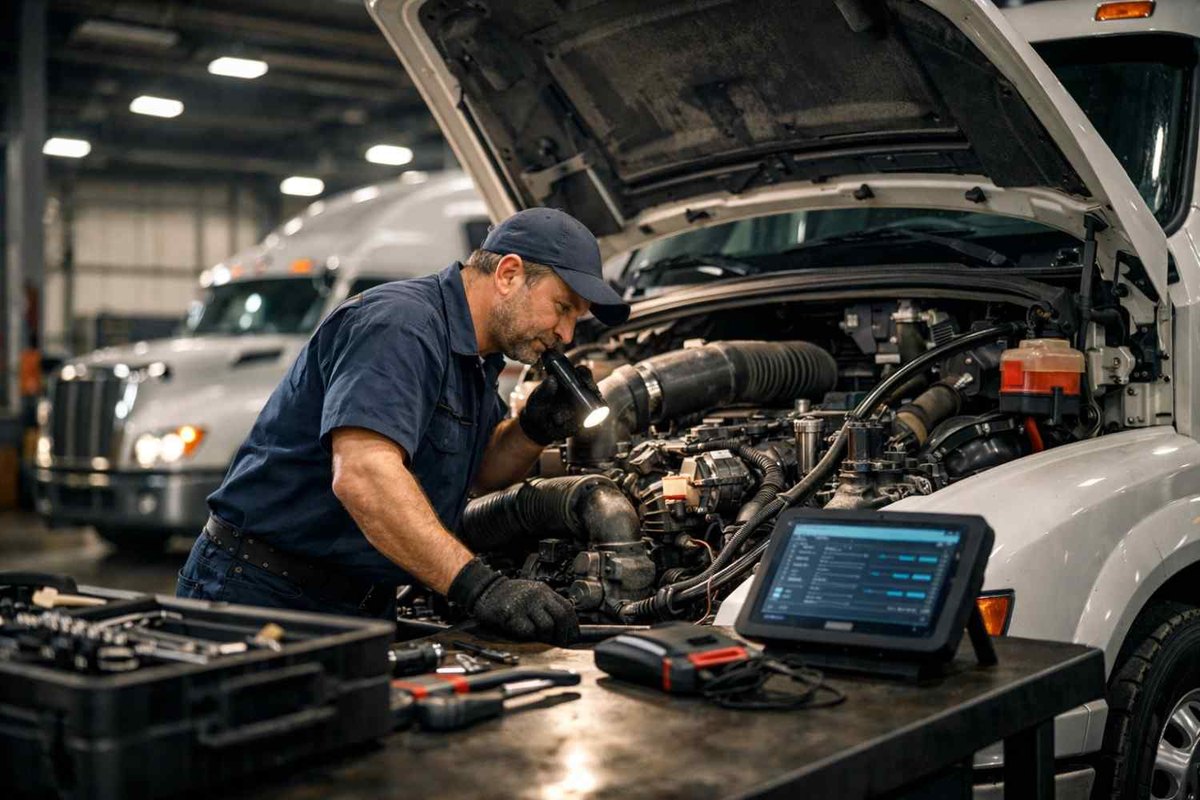
Inside the building, service bay layout and building design matter. Look at clear heights, column spacing, the number and width of overhead doors, drive‑through lanes, and potential locations for wash bays. Poorly planned bays reduce technician productivity and limit revenue per square foot. Also evaluate how easily the building could be modified for adaptive reuse of properties for automotive use (e.g., a repair shop into a detail center) or even non‑automotive uses down the road.
Risk Management, Environmental, and Due Diligence Considerations
Here’s what you need to know: with automotive properties, hidden risk often sits below ground or in regulatory details. Skipping thorough due diligence for automotive real estate is one of the most expensive mistakes you can make.
Zoning, Entitlements, and Environmental Risk
Start with zoning requirements for automotive properties. Confirm that your intended use—sales, service, body work, storage—is permitted by right or whether you’ll need a conditional use permit or variance. Check restrictions on signage, outdoor display, noise, and operating hours. A site that looks perfect can become unworkable if you can’t display inventory outside or run early-morning service.
From there, run a full diligence program: survey, title review, and a Phase I Environmental Site Assessment at minimum. Environmental issues in automotive property purchases are common—underground storage tanks, oil/water separators, historical spills, or contaminated fill. Any contamination risk at former auto sites must be identified early so you can quantify remediation costs, seek indemnities, or walk away.
Conclusion – A Practical Checklist for Automotive Property Buyers
In summary, what to consider when buying automotive properties for business use is a blend of strategy, operations, and capital: clarify your business model and market, analyze the trade area and competition, rigorously evaluate site and building characteristics, run thorough zoning and environmental due diligence, and structure income, financing, and exit with discipline. If you use these factors to evaluate when purchasing automotive real estate as a checklist before your next LOI, you’ll dramatically improve your odds of owning an asset that performs—for your business and your balance sheet—for years to come.