
A V8 muscle car is an exercise in unapologetic mechanical excess. These machines are not built for delicate apex-hunting on tight, single-lane mountain passes. They are defined by heavy longitudinal engines, massive torque delivery, and a substantial footprint. To extract the true potential of such a vehicle, the environment must match the engineering. You need sweeping cambers, flawless asphalt, and straights long enough to let a big-block or supercharged V8 breathe at the top of its rev range.
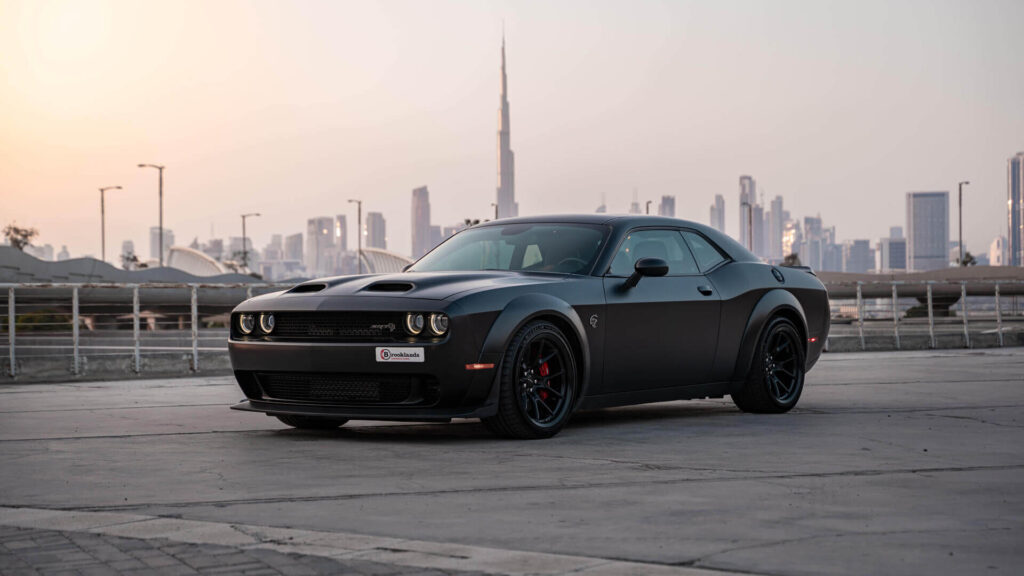
Today, experiencing this level of automotive theater doesn’t require shipping Detroit iron across the globe. Whether you are bringing a classic Shelby out of a private garage or sourcing a Dodge Challenger from Brook Drive’s Dubai fleet for a weekend of canyon carving, the vehicle is only half the equation. We have curated the seven finest stretches of tarmac worldwide whose topography and pacing are perfectly aligned with the kinematics of a V8 heavyweight.
In This Article:
1. Jebel Hafeet Mountain Road, UAE

Rising abruptly from the desert floor on the border of Oman, Jebel Hafeet is an engineering marvel. It is 7.3 miles of impeccably manicured limestone-carved asphalt. While most mountain ascents heavily favor lightweight European sports cars, Jebel Hafeet’s wide, three-lane configuration transforms it into a playground for heavy, high-horsepower grand tourers.
The Drive:
The road is characterized by fast, sweeping radiuses rather than claustrophobic hairpins. A long-wheelbase vehicle like a Dodge Charger SRT Hellcat is highly effective here. The supercharger compensates for the altitude-induced air density drop, delivering relentless torque up the 8% gradient. The sheer rock faces act as a natural acoustic chamber, reflecting the brutal supercharger whine and exhaust overrun back into the cabin. For uninterrupted runs, target the base of the mountain at first light before the ambient desert temperature begins to compromise tire compound and engine thermal management.
2. Route 66 (Oatman Highway Section), USA
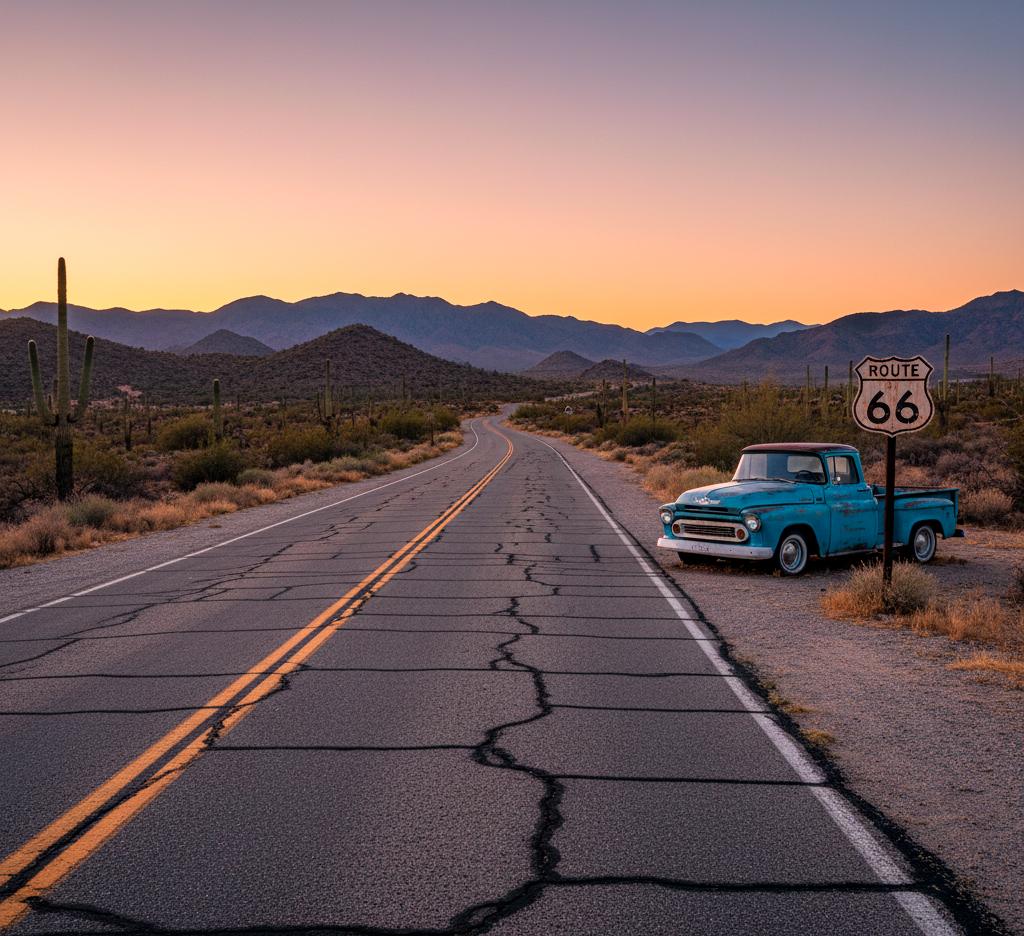
Much of the original Mother Road has been sanitized or bypassed by interstates, but the Oatman Highway stretch in Arizona remains a visceral, unfiltered piece of motoring history. Cutting through the Black Mountains, this narrow, undulating ribbon of asphalt demands a purely analog approach to driving.
The Drive:
This is the domain of classic American iron—think a 1969 Pontiac GTO or a carbureted Mustang Mach 1. The appeal here is not lateral G-force, but mechanical engagement. The road’s imperfections require active management of the live rear axle, forcing you to find a rhythm rather than outright speed. The long, desolate straights leading to Sitgreaves Pass allow a naturally aspirated V8 to stretch its legs, accompanied only by the scent of unburned hydrocarbons and the desert wind.
3. The Great Ocean Road, Australia
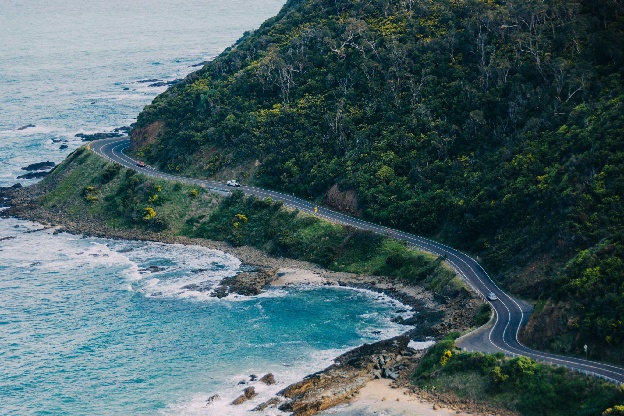
Australia possesses a deep, historically ingrained culture of large-displacement, rear-wheel-drive sedans. The Great Ocean Road, tracing the edge of Victoria’s limestone cliffs over the Southern Ocean, is the country’s definitive driving route, shifting between dense rainforest canopies and high-speed coastal sweepers.
The Drive:
The pacing of this route heavily rewards a torque-rich powerband. A domestic icon like a Holden Commodore SS or Ford Falcon XR8 allows you to manage the vehicle’s weight transfer smoothly through the wide coastal bends, using the V8’s low-end pull to surge out of corners without relying heavily on the gearbox. The road requires vigilance regarding sudden weather shifts—heavy downpours from the Southern Ocean can drastically reduce rear-wheel traction, demanding precise throttle modulation.
4. Route 62, South Africa
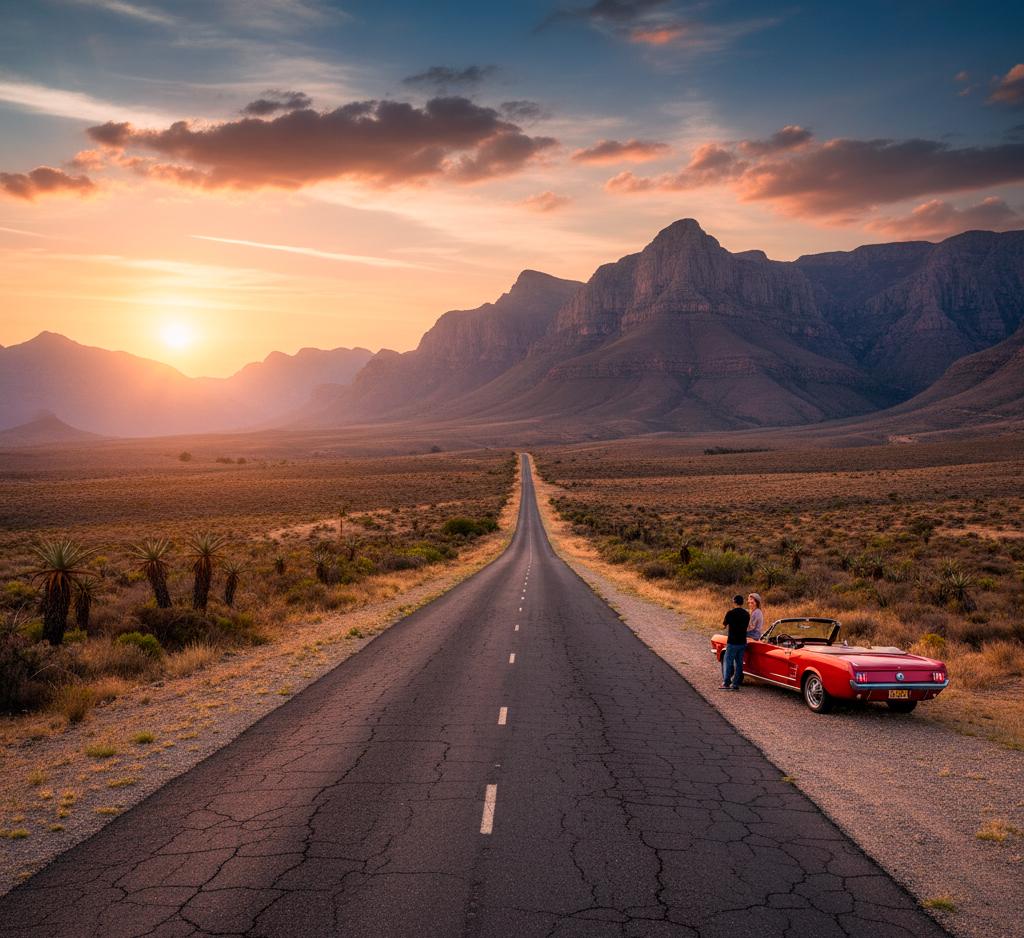
Slicing through the Little Karoo, Route 62 is an exercise in high-speed, sustained grand touring. Framed by towering mountain ranges and vast, semi-arid plains, the landscape is cinematic in its scale and isolation.
The Drive:
This environment dictates a modern GT with sophisticated damping, such as a Chevrolet Camaro SS or a Mustang Dark Horse. The road offers immense visibility and miles of uninterrupted, flawlessly paved straights. It is a route where you can lock in a high cruising speed, allowing the aerodynamic profile and heavy curb weight of a modern muscle car to provide high-speed stability against crosswinds. Fuel management is critical here; the distances between premium petrol stations in the Karoo require deliberate logistical planning.
5. Pacific Coast Highway (Big Sur Section), USA
The Big Sur stretch of the Pacific Coast Highway is arguably the definitive coastal grand tour. The topography involves dramatic elevation changes, plunging cliff drops, and long, sweeping curves through redwood forests.
The Drive:
A muscle car on the PCH is about momentum management and sensory input. The modern wide-track geometry of a Mustang GT provides excellent lateral grip on the ocean-hugging curves. A convertible is the preferred specification here, removing the acoustic barrier between the driver, the roar of the Pacific Ocean, and the deep resonance of a cross-plane V8. Running the route north to south ensures the vehicle is positioned on the ocean side of the asphalt, offering unobstructed lines of sight through the corners.
6. Stuart Highway, Australia
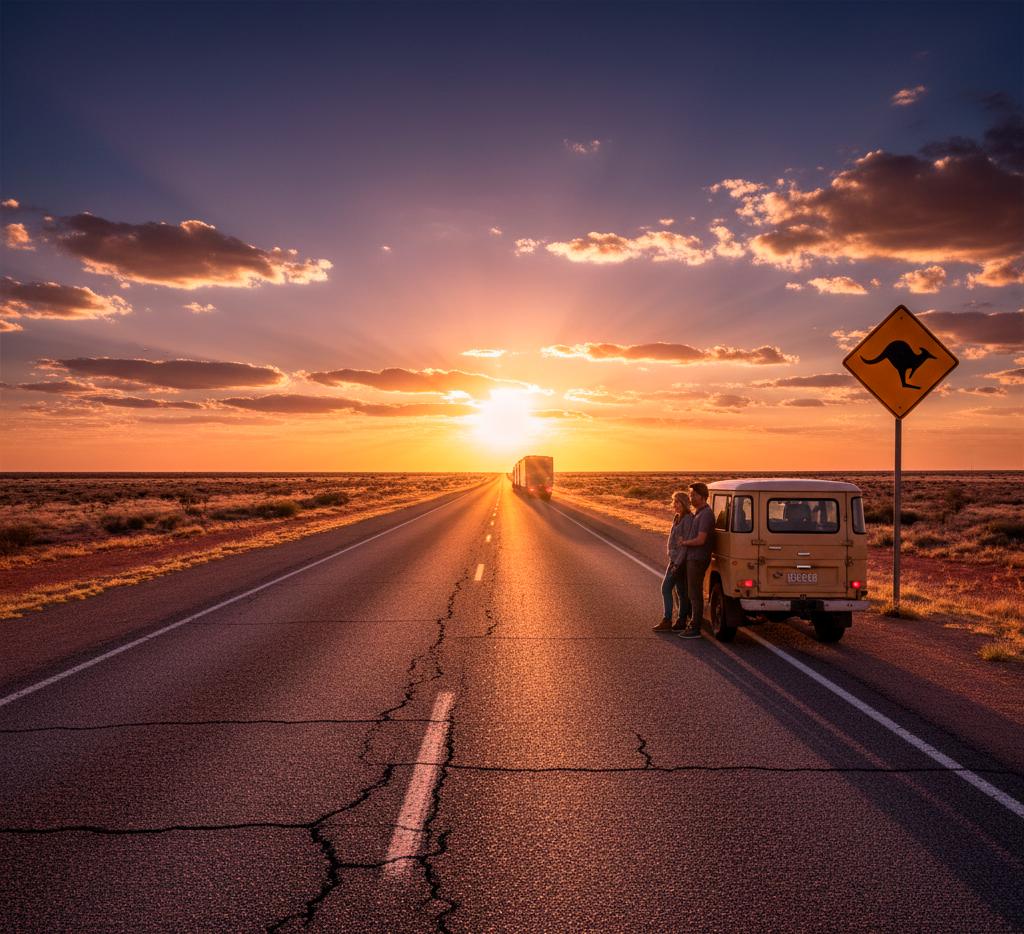
For pure, unadulterated isolation, the Stuart Highway has no equal. Spanning nearly 1,700 miles through the red dirt of the Australian Outback, this is not a road for canyon carving; it is a test of sustained Vmax capabilities and mechanical endurance.
The Drive:
A heavy, high-performance sedan like a Chrysler 300 SRT is the ideal tool for this environment. The massive footprint and tuned suspension nullify the harsh crosswinds of the desert plains, while the 6.4L V8 effortlessly maintains triple-digit speeds (where legally permissible). It is a mesmerizing, almost hypnotic driving experience, demanding severe preparation: carrying satellite communication, full-size spares, and extra fluids is mandatory when traversing the deep Outback.
7. Trans-Canada Highway (Rockies Section), Canada
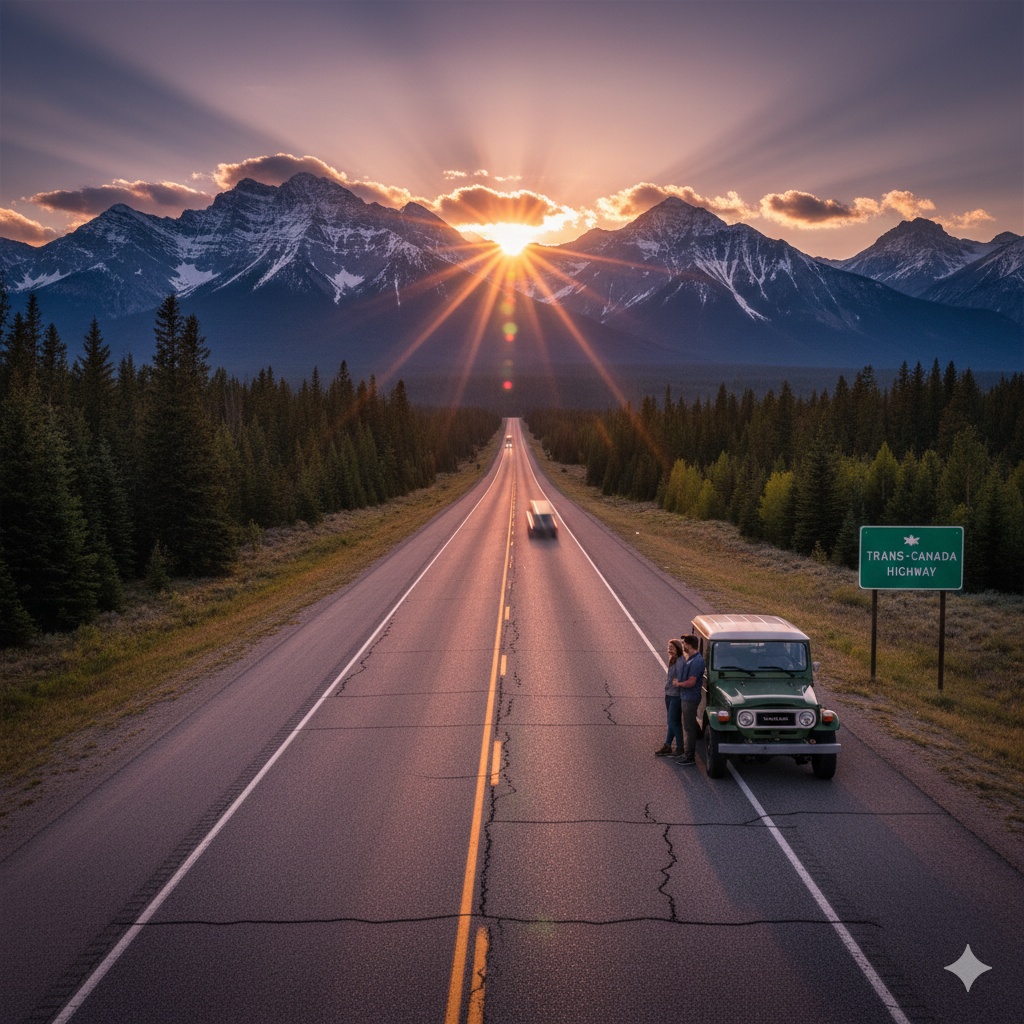
Connecting Banff to Jasper, this alpine route cuts through towering granite peaks, massive glaciers, and turquoise lakes. The road was engineered with broad lanes and sweeping cambers to accommodate harsh winter conditions, which conveniently makes it an exceptional performance driving route in the summer months.
The Drive:
The cold, oxygen-dense mountain air acts as a natural performance enhancer for a high-displacement engine like the 6.2L V8 found in a Camaro ZL1. The route features long, uphill passing zones that allow a driver to utilize forced induction to overtake slower traffic effortlessly, despite the steep gradients. However, the immense torque requires respect; morning frost or sudden summer sleet can instantly overwhelm the rear tires, demanding an understanding of modern traction control systems and weight distribution.
Note: We actively advise against taking wide-body muscle cars to highly technical, single-lane roads like the Stelvio Pass (Italy) or the Tail of the Dragon (USA). Forcing a heavy, wide-track vehicle through endless first-gear hairpins results in overheated brakes and driver fatigue. Leave the switchbacks to the lightweight sports cars; keep the V8s where they can breathe.