

Shopping for a car outside your local area can open the door to more choices and better prices. Technology has made this easier with online marketplaces and digital paperwork, streamlining the process. Even having a car shipped from another city or state is no longer a complex task.
Getting excited about these expanded buying opportunities is understandable, but failing to recognize the realities of such a purchase can lead to headaches later. This distance adds cost, requires extra time, and involves additional logistics, potentially making the deal not worth the effort and expense. Let’s break down what you need to know before making a long-distance deal.
In This Article:
Understanding Hidden Costs Beyond the Purchase Price
There are almost always extra expenses associated with buying a car outside your local market. At a minimum, driving even an hour or two away requires your time and fuel. Longer distances can get more expensive with the cost of flights, hotels, and meals, which can quickly erase any savings on the car’s purchase price.
Shipping the vehicle home adds more to the calculation. ConsumerAffairs estimates that car transportation charges range from $500 to $1,700, depending on distance. Costs can increase for larger vehicles or closed carriers.
You may also need to add the price of a pre-purchase inspection, temporary insurance, and registration. Remember that many dealers add a processing or dealer preparation fee to the final price.
Navigating Fraud Risks and Seller Reliability
Online car buying can be risky. Fake listings, cloned vehicle identification numbers (VINs), and deposit scams are all possibilities, especially from dubious sellers seeking to take advantage of the distance. Even legitimate dealers may leave out critical details that could make a vehicle less attractive.
No matter how strong the seller’s reputation and ratings are, you need to check the car’s background before spending any time or money. A comprehensive vehicle history report can uncover title brands, odometer irregularities, and ownership gaps that might not otherwise be disclosed upfront.
Protecting Yourself with Proper Verification
Buying a car remotely involves extra homework, starting with the documentation. Request a copy of the title and any supporting records. Also, check the VIN by asking for photos of the VIN plaques (located on the driver’s side of the dashboard near the base of the windshield and on the driver’s door jamb). Ensure the VIN matches across the board, including checking the vehicle history report. In addition, review service and maintenance records for mileage discrepancies.
Consider using an automotive escrow company to act as an intermediary, verifying ownership and other critical details before transferring funds. This service adds cost but can reduce uncertainty, particularly if you’re buying from a private seller.
Managing Miscommunication and Mismatched Expectations
Buying a car sometimes involves different interpretations of common terms. One seller’s “excellent” condition could mean “fair” to some buyers. Minimize the risk of miscommunication by asking questions and getting everything in writing. Determine which accessories are included, the tires’ age, and whether the warranty transfers. Those are just a few of the things you’ll need answers to. Keep copies of all documents and communications, including emails and texts. A written record helps avoid disputes and disappointment.
Evaluating the True Condition of the Vehicle Remotely
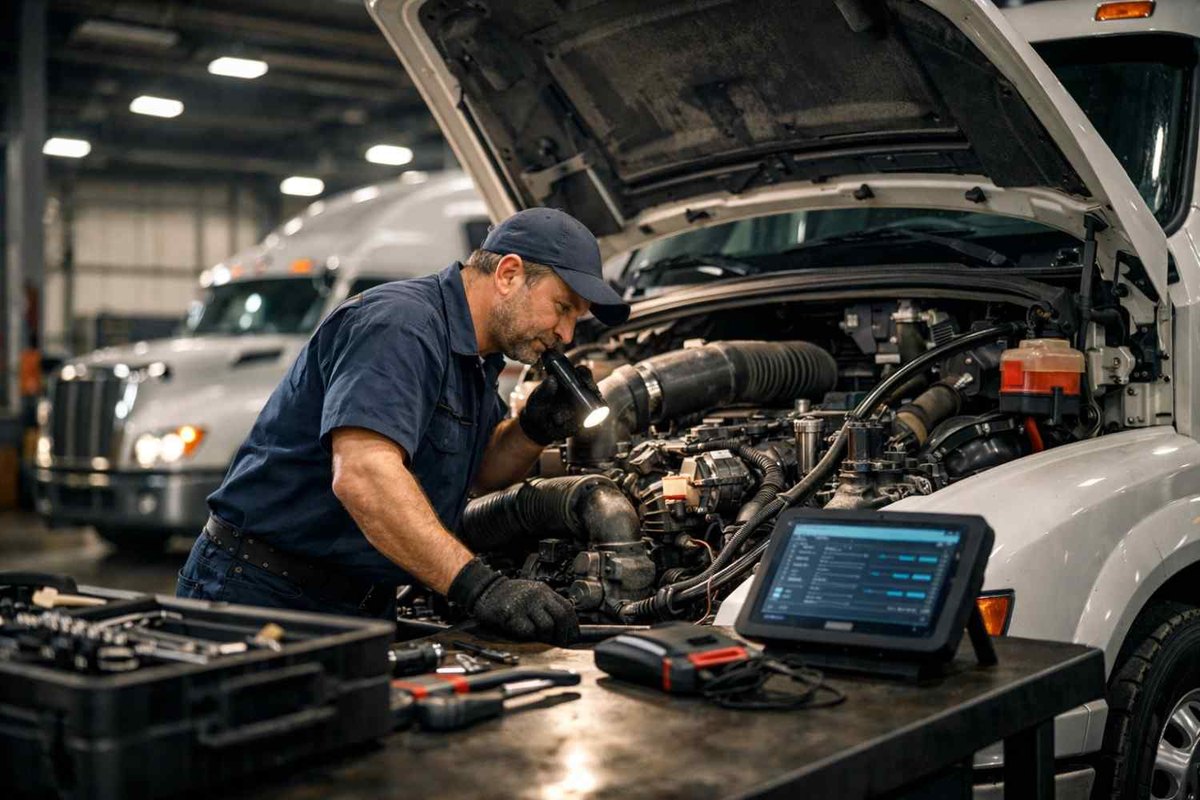
No matter what the seller promises, you should always get a pre-purchase inspection of any used car before money changes hands. Crisp photos and detailed videos only tell part of a car’s story. You’re unlikely to see minor scratches or hear a subtle yet revealing engine noise in an online listing.
A thorough examination of the vehicle by a qualified mechanic or mobile inspection service can uncover issues the seller may not be aware of, strengthening your negotiating position or giving you a reason to walk away.
Don’t rely on the seller’s recommendation for who should inspect the vehicle; choose an independent inspector. Remember that unless the seller has an available lift, a mobile inspection service can only see so much under the car. A pre-purchase inspection typically costs $150 to $250: a small price to pay for peace of mind.
Managing the Complications of Intercity Transportation
The challenge of a long-distance car purchase doesn’t stop once the deal is complete. Now, you have to get it home. If you’re shipping the car, determine in advance who is responsible for logistics. If you’re buying from a private seller, chances are that’s you.
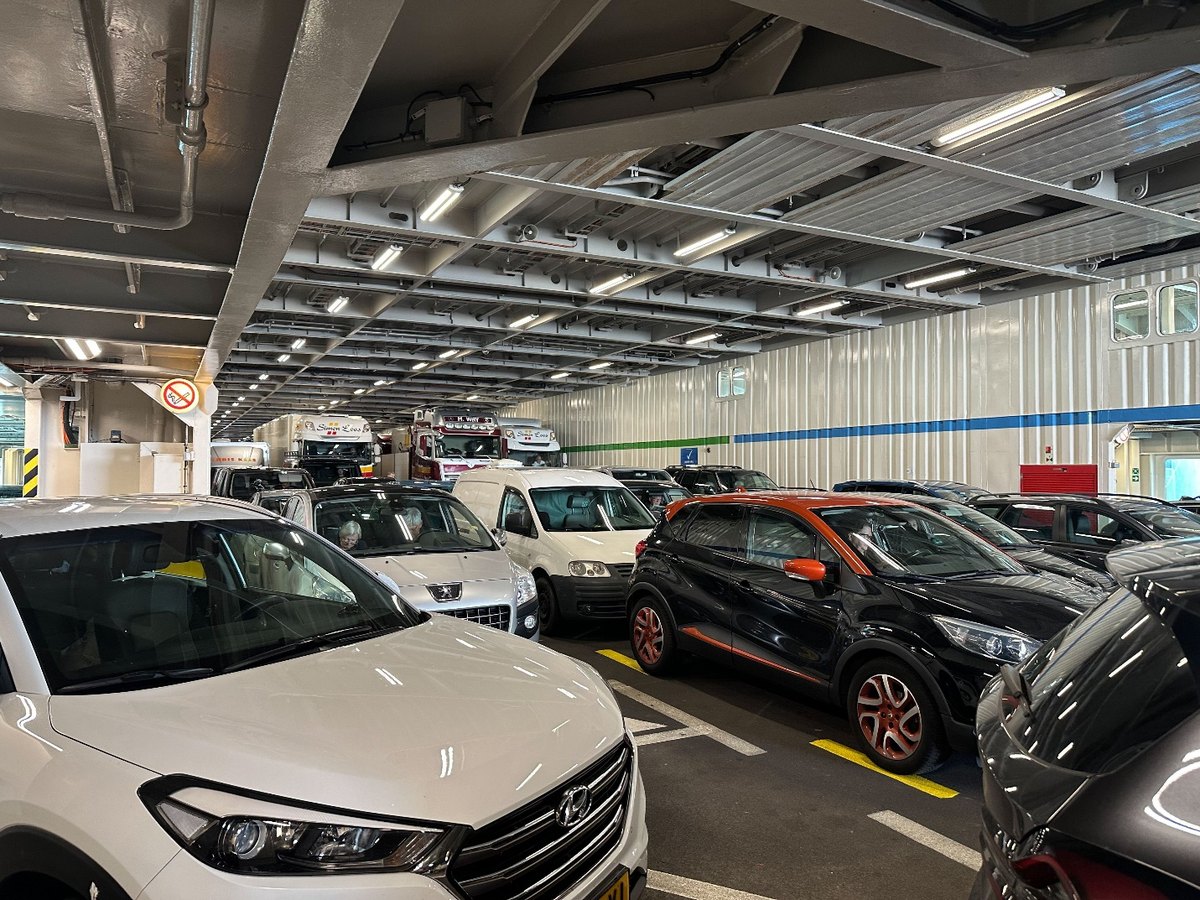
Have a clear transportation plan that includes the carrier, costs, estimated pickup and drop-off times, and a procedure for addressing in-transit damage. You’ll want the same information if a dealer is coordinating delivery. Keep in mind that shipping delays can occur for many reasons, including weather and traffic.
For a drive-it-home approach, know ahead of time what’s required. A dealer or DMV may be able to provide temporary tags. Alternatively, most state DMVs can issue a trip or in-transit permit, a temporary authorization that lets an unregistered vehicle be legally driven for a limited time. However, not all permits are valid for interstate travel. Ensure the car is in a safe condition for the long drive and that all insurance requirements are met.
What Smart Buyers Do Differently
Purchasing a car from another city can be an excellent opportunity to save money or locate a hard-to-find model. Success with buying this way comes down to preparation.
Here’s a checklist of what to review before considering a long-distance transaction.
- Estimate total cost, including travel, shipping, inspections, and fees.
- Run a vehicle history report and confirm the VIN matches the paperwork.
- Ask detailed questions and get condition claims and equipment information in writing.
- Verify the title, service records, and seller identity before paying.
- Arrange an independent pre-purchase inspection.
- Decide how the car will be transported and confirm insurance needs.
- Check your home state’s registration, tax, and paperwork rules.
Conclusion
Buying a used car from another city can be a smart way to expand your options and potentially secure a better deal, but it only pays off when approached with careful planning. Hidden costs, paperwork differences, fraud risks, and transportation logistics can quickly turn a promising purchase into a stressful experience if overlooked. The most successful long-distance buyers treat the process less like a quick online purchase and more like a structured project: they verify everything, calculate the full cost, and rely on independent inspections before committing.