
Choosing a new set of wheels is one of the few upgrades that changes both the look and the handling character of a car. Whether a buyer is after a subtle refresh or a dedicated set of forged wheels, the decision of where to buy — online or through a physical dealer — deserves more thought than it usually gets. Each channel has its own strengths, and understanding them helps buyers avoid a costly mismatch between expectations and reality.
In This Article:
1. Fitment accuracy and technical verification
A wheel that looks right in a photo can still be completely wrong for a specific car. Bolt pattern, offset, centre bore and load rating all have to line up with the vehicle’s factory specifications, and getting even one of these wrong can lead to rubbing, poor handling, or a failed roadworthy inspection.
Why fitment data matters. Reputable sellers list offset and PCD clearly for every wheel, rather than relying on generic “will fit most” claims.Load rating checks. Heavier vehicles, especially SUVs and utes, need wheels rated for the extra weight — this is often overlooked by buyers focused purely on style.Buyer protection online. A well-run online store will confirm fitment against the exact make, model and year before dispatch, which reduces the guesswork a buyer would otherwise face alone.
Shoppers exploring options for a specific platform will find this easier when a retailer organises stock by vehicle, listed and confirmed against actual fitment data rather than generic sizing charts.
2. Expertise, guidance and the value of specialist knowledge
In a physical shop, a good salesperson can look at a car in the driveway and make an informed call on wheel size, width and offset in a few minutes. That kind of hands-on judgement is hard to replace entirely, but specialist online retailers have closed much of the gap with detailed fitment guides, model-specific collections and staff who can be reached by phone or chat.
The advantage of buying from a specialist rather than a generalist marketplace is that the guidance is grounded in actual product knowledge — how a particular wheel design behaves on a lowered suspension, whether a deeper concave profile will clear the brake calipers, and which finishes hold up best on a daily driver versus a weekend car. This is particularly relevant for owners of performance-oriented European models, where the margin for error is smaller and the cost of guessing wrong is higher.
3. Price transparency and long-term value
Wheel pricing varies enormously depending on manufacturing method, finish and brand licensing. Cast wheels are typically the most affordable option, while forged wheels sit at the premium end because of the manufacturing process involved — the metal is compressed under extreme pressure rather than poured into a mould, which produces a stronger, lighter wheel at a higher unit cost.
For buyers comparing options, a few things affect long-term value more than the sticker price:
Manufacturing method. Forged construction generally lasts longer and handles impacts better than cast alternatives, which matters on Australian roads where potholes and rough edges are common.Finish durability. A powder-coated or clear-coated finish resists brake dust and kerb damage far better than a basic painted surface.Resale consideration. Wheels from well-known, fitment-verified ranges tend to hold value better than generic imports when it comes time to sell the car — a factor that also applies to buyers considering a set of used genuine wheels instead of new aftermarket ones.
4. The purchase experience itself
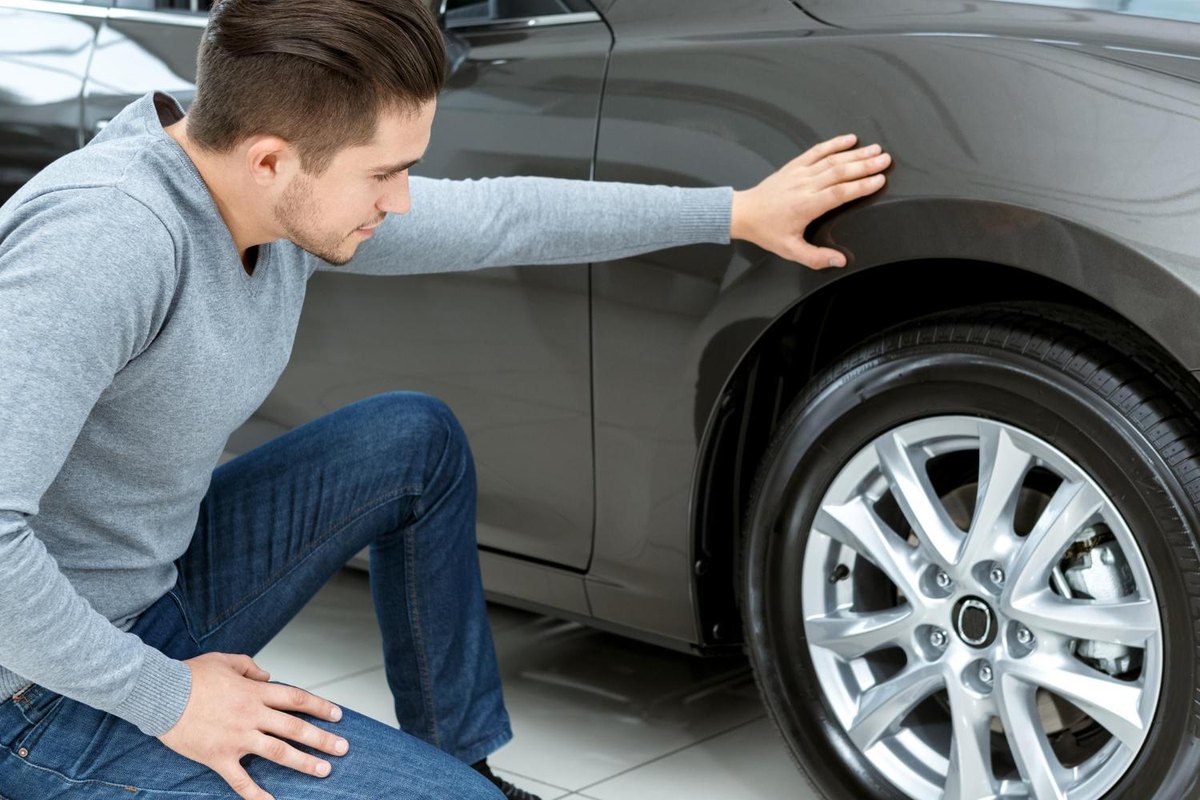
Buying wheels in person still has real appeal — seeing the finish under natural light, holding the wheel to judge its actual weight, and getting an immediate answer to questions about brake clearance. For many enthusiasts, this hands-on moment is part of the enjoyment of upgrading a car.
Online buying trades that immediate tactile experience for convenience and choice. A well-documented listing, clear photos from multiple angles, and an accurate weight and width specification can go a long way toward closing that gap. Some retailers also offer test-fit confirmation before shipping, effectively giving buyers the same fitment certainty they would get from an in-person consultation, without needing to visit a store.
5. After-sale support and long-term ownership
A wheel purchase does not end at delivery. Kerb damage, corrosion around the valve stem, or a bent rim after hitting a pothole are all realistic scenarios over years of ownership. Buyers should check, before purchasing, whether a seller offers refurbishment advice, replacement parts such as centre caps, or guidance on repairing minor damage.
Specialist retailers who deal specifically in wheels — rather than treating them as one line among thousands of unrelated products — tend to be more useful here, simply because they understand the products they sell in more depth.
Conclusion
There is no universally “better” way to buy wheels — the right channel depends on how much a buyer values hands-on inspection versus range, pricing and convenience. What matters most is fitment accuracy, manufacturing quality and a seller who can answer specific technical questions confidently. Buyers who take the time to verify these details, whichever channel they choose, are far less likely to end up with an expensive mismatch.