
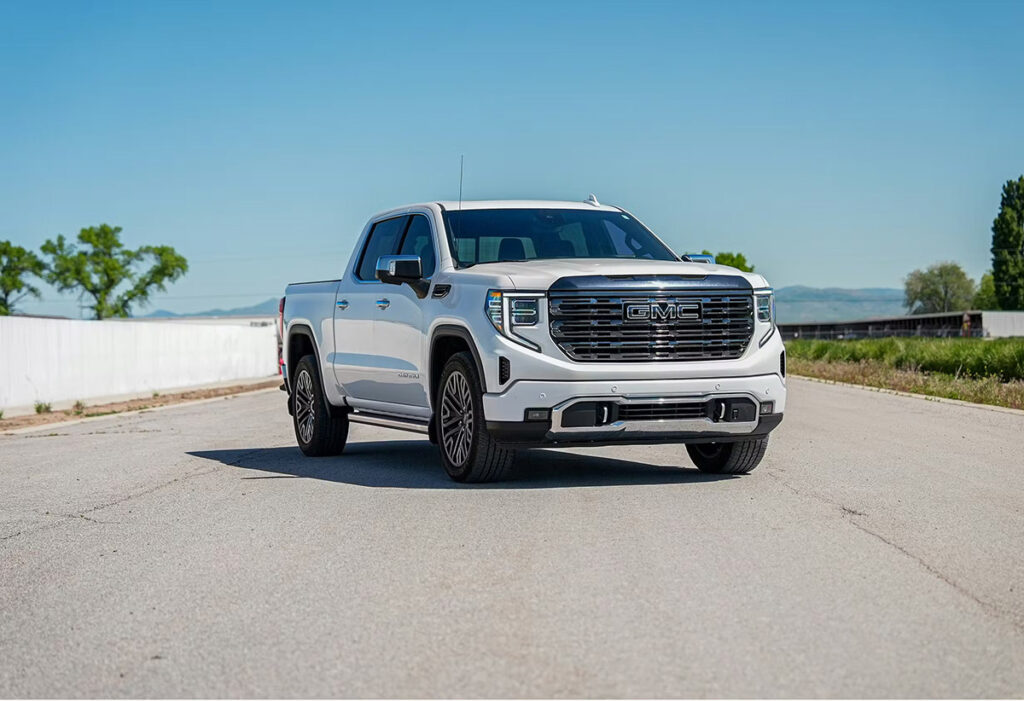
Wondering how to choose the right Chevy or GMC truck? It starts with defining how the vehicle will be used each day. Buyers often compare new Chevy vehicles with carefully inspected pre-owned vehicles before narrowing their options.
Some drivers lean toward new GMCs for refined interiors and advanced trailering systems. Long-term ownership also includes planning for maintenance through tools such as online service scheduling, which simplifies routine upkeep.
Selecting a pickup is not a one-size-fits-all decision. A truck built for construction demands different capabilities than one meant for family travel or backcountry exploration. Powertrain strength, cabin space, safety technology, and towing equipment all shape the final choice.
In This Article:
Matching the Truck to the Job Site
Work focused trucks must handle payload and towing requirements without strain. Payload refers to the maximum weight carried in the bed and cabin. Towing capacity reflects how much weight the truck can pull behind it.
These figures differ by engine, axle ratio, drivetrain, and cab configuration.
Light duty models such as the Chevrolet Silverado 1500 or GMC Sierra 1500 suit contractors who haul tools, small trailers, or landscaping materials.
According to the Society of Automotive Engineers, standardized towing tests measure acceleration, braking, cooling performance, and stability under load, giving shoppers good topics for comparing trucks SAE J2807 guidelines.
Heavy duty options such as the Chevrolet Silverado 2500HD or GMC Sierra 2500HD step in when equipment trailers or large boats enter the picture. These trucks often feature stronger frames, upgraded suspensions, and diesel engine options that deliver high torque at lower RPM ranges.
Torque plays a direct part in pulling heavy loads from a stop, especially on inclines. Bed length also matters for work.
Standard beds offer a balance between maneuverability and cargo space. Long beds allow full sheets of plywood or longer materials to lie flat. Crew cabs increase passenger room but shorten bed length in some configurations.
Buyers who travel tight urban routes may prioritize turning radius over maximum bed size.
Work trucks should also be evaluated for interior durability. Vinyl or heavy-duty cloth seating can handle mud, dust, and repeated entry with fewer concerns about wear. Storage compartments under seats and within center consoles keep equipment organized and out of sight.
Considering Comfort for Family Life
A truck can function as a daily family vehicle when configured with the right features. Crew cab layouts supply four full doors and generous rear legroom. This arrangement suits school drop-offs, weekend sports events, and road trips.
Rear seat anchor systems follow federal safety standards under the National Highway Traffic Safety Administration, which outlines child seat installation requirements and crash protection benchmarks.
Families with younger passengers should review LATCH anchor accessibility and rear seat headrest design.
Infotainment systems add convenience for longer drives. Modern trucks often include touchscreen displays, smartphone compatibility, and voice command features. Climate control systems with rear vents help maintain comfortable temperatures across all rows.
Ride quality has improved in full size pickups over the past decade. Independent front suspensions and refined shock tuning reduce vibration and cabin noise. Families who plan to use the truck as a primary vehicle may value this smoother ride over maximum towing strength.
Fuel economy also influences long term ownership costs. The Environmental Protection Agency publishes fuel economy ratings for light duty trucks. Reviewing these figures helps compare gasoline and diesel options based on expected annual mileage EPA fuel economy data.
Safety technology should not be overlooked. Forward collision alerts, lane departure warnings, blind spot monitoring, and rear cross traffic alerts support driver awareness. These systems rely on radar and camera sensors to monitor surrounding traffic conditions.
Evaluating Capability for Off Road Exploration
Off-road travel demands different features than city commuting. Ground clearance becomes a priority, as higher clearance reduces the chance of underbody contact with rocks or uneven terrain. Skid plates protect critical components such as the oil pan and transfer case.
Four-wheel drive systems distribute power to both front and rear axles when traction is limited. Some trucks include selectable drive modes that adjust throttle response and traction control settings for mud, sand, or snow.
Locking differentials can further improve traction by directing torque to wheels with grip.
All terrain tires feature deeper tread patterns designed for loose surfaces. Suspension upgrades increase wheel travel, which helps maintain tire contact over obstacles.
Off road-oriented trims often combine these mechanical features with hill descent control systems that regulate speed on steep slopes.
Water fording depth and approach angles also matter in rugged conditions. Approach angle measures how steep an incline the truck can climb without the front bumper scraping. Departure angle refers to the same concept at the rear.
Interior durability also matters when it comes to off-road use. Washable floor liners and easy clean seat materials simplify post trail maintenance. Buyers who anticipate frequent outdoor adventures may appreciate these design details.
Comparing Powertrain Options
Engine selection shapes how the truck performs under load and in daily driving. Gasoline engines typically offer quicker throttle response and lower upfront cost. Turbocharged four-cylinder engines can deliver strong torque while maintaining competitive fuel efficiency.
V-8 engines remain popular for towing and hauling due to their high horsepower and torque output. Diesel engines generate substantial torque at lower engine speeds, which benefits heavy towing and long highway trips.
Transmission design also affects performance. Modern automatic transmissions may include eight or ten forward gears, allowing smoother acceleration and improved efficiency. Gear ratios influence how power is delivered to the wheels.
Buyers should examine manufacturer specifications carefully. Towing ratings depend on the exact configuration, including drivetrain and axle ratio. Overlooking these details can result in selecting a truck that falls short of expected performance.
Budget Planning and Long-Term Value
Financial considerations extend beyond sticker price. Insurance premiums, fuel costs, maintenance intervals, and resale value contribute to total ownership expenses. Trucks with strong brand reputation and consistent reliability often retain higher resale values.
Certified pre-owned vehicles may include manufacturer backed inspections and limited warranties, offering peace of mind at a lower entry price than new vehicles.
Shoppers interested in the latest technology or updated styling may prefer factory fresh inventory, including new GMCs with current generation safety systems.
Financing terms vary based on credit history and loan duration. Shorter loan periods typically reduce total interest paid, though monthly payments increase. Evaluating budget limits before visiting a dealership prevents overspending.
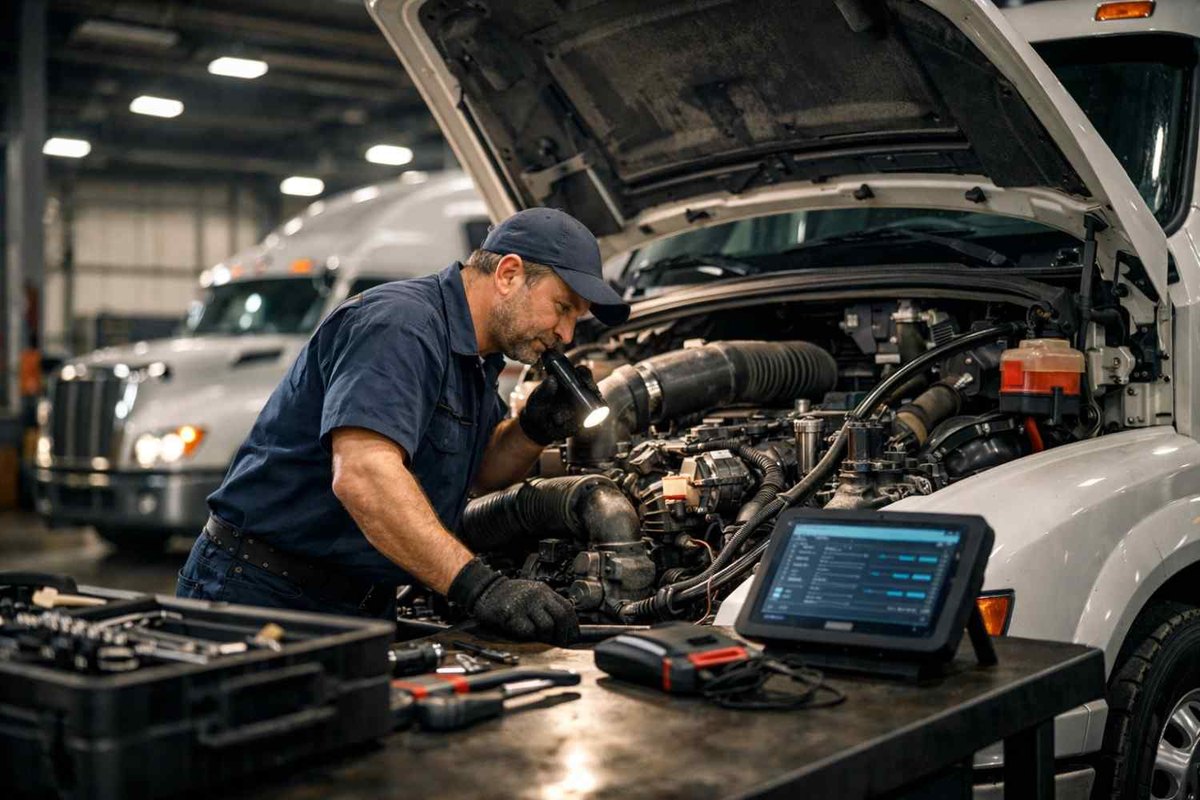
Routine maintenance protects long-term reliability. Oil changes, brake inspections, tire rotations, and fluid checks follow manufacturer schedules.
Many dealerships support online service scheduling, which allows owners to book appointments without phone calls and review recommended service intervals.
Cab and Bed Configuration Choices
Truck shoppers must also decide between regular cab, double cab, and crew cab designs.
Regular cabs focus on two passenger seating and maximum bed length. Double cabs add smaller rear doors and limited back seat space. Crew cabs offer full rear access and expanded legroom.
Bed features influence usability. Spray in bedliners protect against scratches and corrosion. Tie down points secure cargo during transit.
Some models include multi-function tailgates that improve loading access.
Interior trim levels change the overall experience. Entry trims focus on practicality. Higher trims introduce leather seating, advanced driver assistance systems, and upgraded audio packages.
Buyers should match trim selection with realistic usage expectations rather than impulse preferences.
Test Driving and Final Evaluation
A test drive reveals far more than a specification sheet. Drivers should evaluate steering feel, braking response, acceleration, and visibility.
Parking in tight spaces highlights blind spots and turning radius. Highway merging tests engine responsiveness under load.
Bringing a trailer during the test drive can help assess towing comfort, though arrangements may require advance coordination. Observing how the suspension reacts to uneven pavement offers insight into ride stability.
Professional sales teams can clarify towing charts, trim differences, and available incentives. Transparent discussions about warranty coverage and service plans help avoid confusion after purchase.
Careful comparison between models allows buyers to select a truck aligned with real world demands. Work capacity, family comfort, and off-road capability rarely exist in equal measure within one configuration. Prioritizing top needs leads to a more satisfying ownership experience.
Choosing wisely at the start reduces trade-in regrets later. A well-matched truck becomes a dependable partner on job sites, highways, and rugged trails alike.