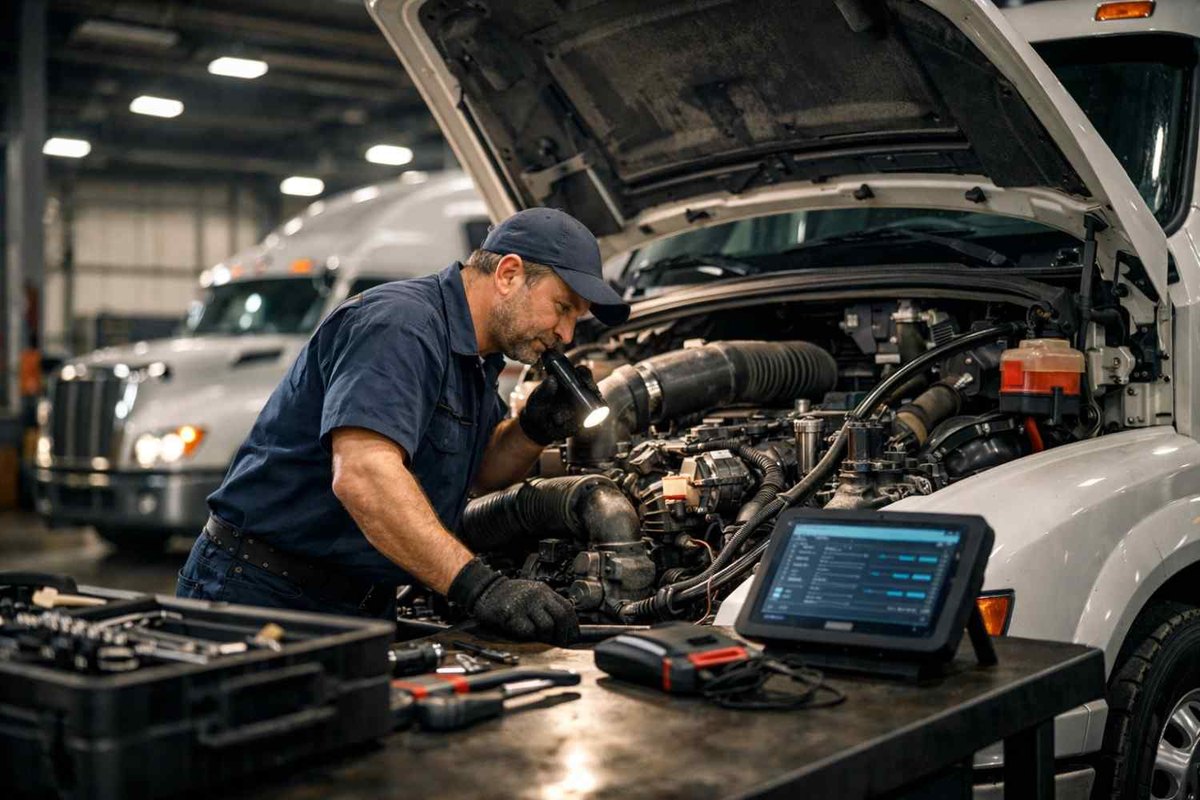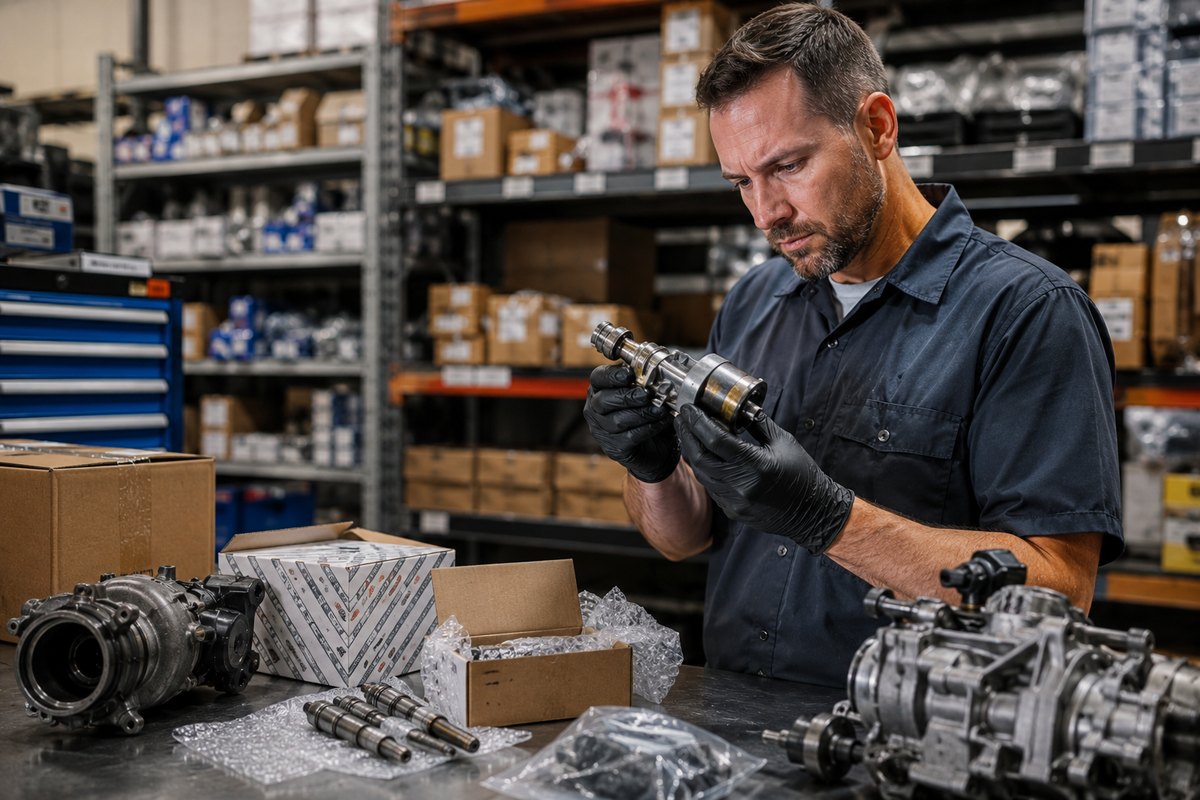


The 6.7 Cummins didn’t earn its reputation by accident. Dodge and Ram owners love it for one simple reason—it works. Big torque, solid towing numbers, and the kind of engine that feels built for punishment, not parking lots.
But if you’ve owned one long enough, you also know this truth: power comes with quirks. Emission systems clog. Turbos get cranky. Cooling parts wear faster when you tow hard or drive hot.
Instead of saying it’s “bad,” this is really about knowing where the engine needs attention. Below are the common 6.7 Cummins problems, how they start, and which fixes tend to work best.
In This Article:
The Most Common 6.7 Cummins Problems and How to Fix Them
1. EGR Valve & Cooler Failure
This one shows up again and again. If someone says they’re dealing with common 6.7 Cummins problems, odds are the EGR is involved.
Early signs aren’t dramatic. A little white smoke. Coolant level dropping for “no reason.” Over time, carbon buildup clogs the EGR valve and stresses the cooler until it cracks.
Cleaning can buy you time if you catch it early. Replacement becomes necessary once leaks start. For trucks that tow, idle a lot, or see off-road use, many owners choose EGR delete kits to remove the failure point entirely. Options like these Cummins EGR delete kits are designed to reduce soot buildup and long-term headaches.
2. DPF Clogging & Regeneration Issues
DPF problems don’t usually start with a bang. They creep up slowly.
Short trips, city driving, or excessive idling prevent proper regeneration. Eventually, fuel economy tanks, power drops, and warning messages start popping up. If the DPF isn’t too far gone, sustained highway driving can force a regeneration cycle. Once it’s heavily clogged, replacement gets expensive fast.
For off-road or performance builds, many owners install a DPF delete pipe to stop constant regeneration problems. A well-built option like this Cummins delete pipe helps keep exhaust flow consistent and temperatures under control.
3. Turbocharger (VGT) Sticking or Failure
The variable geometry turbo is great when it’s clean. When it’s not, it becomes one of those frustrating common problems with 6.7 Cummins engines.
Carbon buildup makes the vanes stick. You’ll feel lag on acceleration, see black smoke under load, or hear new turbo noises.
Cleaning the turbo and recalibrating the VGT works if you catch it early. Once wear sets in, replacement is the only real fix. Many owners also upgrade exhaust components to keep exhaust gas temperatures stable, which helps prevent repeat issues.
4. Fuel Injector Wear or Failure
Injector problems are sneaky.
Slight vibration, uneven power, and faster fuel mileage loss are early signs. Poor fuel and skipped filter changes make it worse.
Proper diagnostics matter here. Testing injector pressure and spray patterns tells the real story. Worn injectors need replacement. Installing a high-quality fuel filter afterward helps protect your investment long-term.
5. Grid Heater Issues (Bolt Failure Risk)
This is one issue Cummins owners don’t joke about.
Loose grid heater bolts can break off and get pulled into the engine, causing serious damage. Early signs include hard cold starts and a rough idle during warm-up, especially in colder weather.
Regular inspections lower the risk. Some owners switch to safer intake designs, while performance builds often use a grid heater delete to eliminate the failure point.
6. Cooling System Leaks & Overheating
Cooling problems aren’t just about temperature—they affect how the truck runs.
Overheating can sap power, make the idle rough, and trigger 6.7 Cummins fan clutch trouble. Leaks often come from the water pump, thermostat, or radiator.
Replacing worn parts early helps. Regular coolant flushes matter more than people think. Trucks that tow heavy loads benefit from upgraded radiators designed for sustained high temperatures.

Other Common Dodge Vehicle Problems
1. Dodge Durango Problems
Dodge Durango problems often include transmission jerking, electrical faults, and radiator leaks.
Routine transmission servicing, improved cooling components, and proper electrical diagnostics go a long way in keeping these SUVs dependable.
2. 2007 Dodge Nitro Problems
The 2007 Dodge Nitro is known for ignition coil failures, suspension noise, and occasional transmission hesitation.
Replacing faulty coils, upgrading suspension bushings, and staying on top of transmission fluid changes usually solves these issues.
3. 2011 Dodge Nitro Problems
Owners commonly report premature brake wear, electrical glitches, and small cooling system leaks.
High-quality brake components, wiring checks, and thermostat replacement help restore reliability.
4. 2013 Dodge Dart Problems
The 2013 Dodge Dart often struggles with abnormal shifting, stalling, and cooling issues.
Software updates for the transmission, throttle body cleaning, and checking the radiator and water pump usually fix the problem.
Preventive Maintenance Tips for All Dodge Owners
Preventive maintenance isn’t glamorous, but it works.
Check the cooling system and turbo regularly. Use quality engine oil and clean fuel. For 6.7 Cummins trucks, emissions components like the EGR and DPF need extra attention.
If you tow or work your truck hard, shorten service intervals. It costs less than major repairs later.
Final Thoughts
The 6.7 Cummins is a strong engine that earns its reputation, but it does come with problem areas. Emission parts, cooling components, and turbo systems tend to need attention over time, especially on trucks that work hard.
Most of these issues are predictable and manageable. Regular maintenance, a few smart upgrades, and delete kits where they make sense can greatly reduce repeat failures.
And it’s not just the Cummins—other Dodge models have their own common issues too, with fixes that are usually straightforward.