

Letting go of an older vehicle sounds straightforward, but many sellers quickly discover it’s more work than they expected. You have to track down a genuine buyer, get the car ready, settle on a realistic price, and filter out the people who aren’t serious. What should be a quick sale often turns into a slow, frustrating process, especially if the car is worn out, damaged, unregistered, or simply unreliable.
That’s why so many sellers accidentally fall into costly mistakes, some that delay the sale and others that reduce the price dramatically. The good news? Almost all of these mistakes are avoidable once you know what to look out for.
Whether you’re selling privately, trading in, or considering a Sydney cash for cars service, here are the top seven pitfalls to steer clear of if you want the process to be fast, smooth, and profitable.
In This Article:
Mistake 1: Expecting More Than the Car Is Actually Worth
A lot of sellers fall into the trap of valuing their car based on sentiment instead of what the market will genuinely pay. A lot of people think, “It’s been good to me, it must be worth at least this much.” But the market doesn’t work like that.
Factors that reduce value include:
- high kilometres
- faded paint or interior wear
- mechanical faults
- missing rego
- accident history
- outdated technology
- rising competition in used-car marketplaces
Online buyers scroll through listings looking for bargains, not sentimental value. If your price is even slightly out of line, they’ll skip straight past it.
How to avoid it:
Check the real market value, not what you wish it was worth. Compare similar cars, be honest about its condition, and set a figure you’d accept without regrets. If the car has serious issues, a private buyer may not be the best option, and this is where cash for cars companies become a straightforward alternative.
Mistake 2: Spending Too Much on Repairs Before Selling
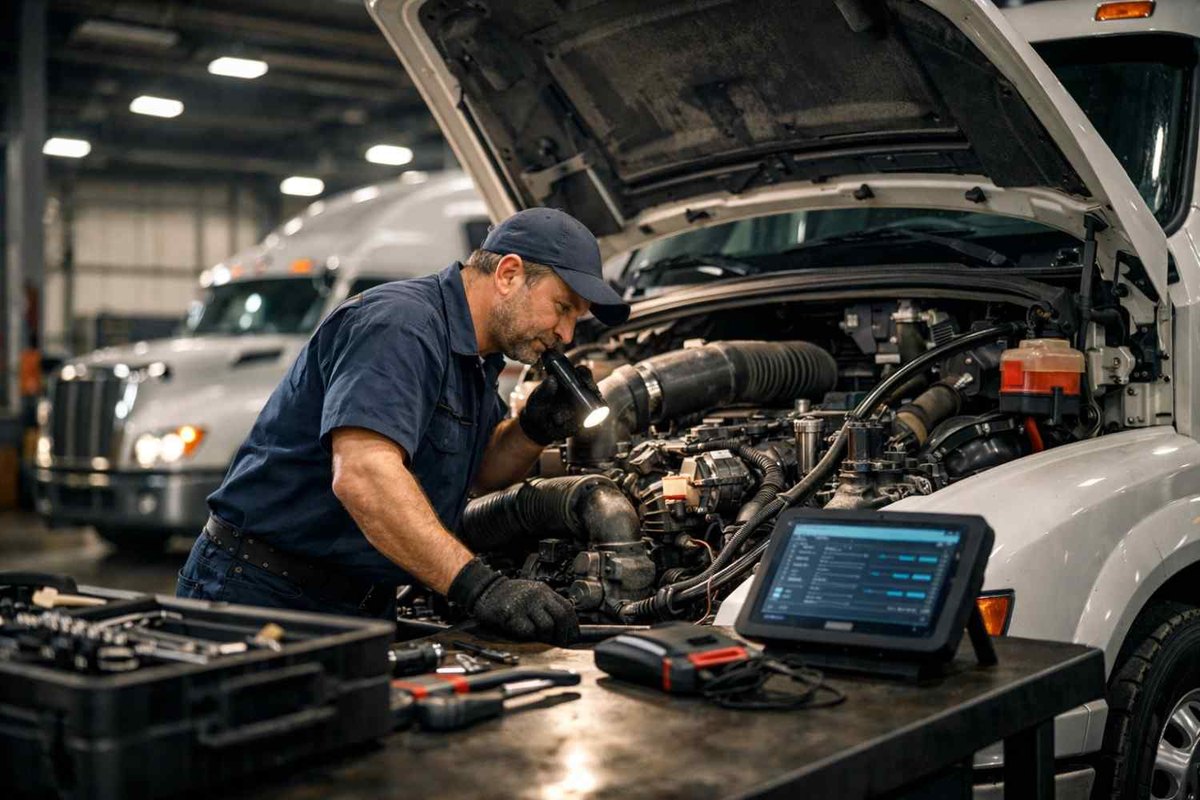
People often get a common trap which is pouring money into “quick fixes” hoping to boost the selling price. Owners often replace tires, repair dents, buy new batteries, or even do small paint jobs, thinking they’ll make the car more attractive.
The problem?
Most buyers can spot fresh work, and it doesn’t usually raise the value enough to justify the cost. Worse, some repairs lead to a chain of new problems, especially with older vehicles.
For example:
- fixing a coolant leak might uncover a bigger engine issue
- replacing the battery might highlight alternator problems
- repairing one panel makes the rest of the paint look older
Before you know it, you’ve spent hundreds, sometimes thousands on a car you were planning to sell anyway.
Better approach:
Handle only cheap, simple, cosmetic tasks. For cars with major mechanical or structural problems, private buyers tend to avoid them. But cash for cars Sydney operators don’t care about condition, they buy damaged, old, or non-running cars every day, saving sellers time and money.
Mistake 3: Not Preparing the Car for Listing
While costly repairs are unnecessary, basic preparation still matters. A poorly presented car sends the wrong message and instantly lowers interest.
Common issues that turn buyers away:
- clutter inside the car
- dirty seats or carpets
- faded photos
- dark or blurry images
- no clear shot of the odometer
- incomplete descriptions
Presentation doesn’t have to be perfect, but it should show that you’ve taken care of the vehicle.
Simple ways to improve your listing:
- Wash the exterior
- Vacuum and wipe down the interior
- Take photos in natural daylight
- Highlight the positives without hiding the flaws
- List recent work and service history
Buyers trust transparency. When everything is clearly outlined, they feel more comfortable reaching out. If the car isn’t worth preparing, that’s a strong sign a cash for cars service may be the easier and faster route.
Mistake 4: Forgetting to Check the Paperwork
You’d be surprised how many sellers lose time and buyers because they don’t have the right documents ready which actually the paperwork is on their hand.
You will typically need:
- proof of ownership
- service history (if available)
- rego details
- any receipts for recent work or parts
Missing paperwork often sends buyers running because they don’t want the risk. Even worse, lack of documentation may lower the price. Hence, making the document ready is important.
Why this matters:
Private buyers rely on paperwork to confirm the car hasn’t been stolen, written off, or tampered with. Cash-for-cars companies, however, often require only ID and proof of ownership, making the process faster if your documents are limited.
Mistake 5: Entertaining Time-Wasters and Lowball Offers
It doesn’t matter how good your listing is, the moment it goes live, you’ll get a mix of genuine buyers and people who are simply browsing.
You’ll see messages like:
- “What’s the lowest you’ll take?”
- “Swap for my bike?”
- “Can you hold it until payday?”
- “Can I test-drive it without a licence?”
These interruptions slow everything down and often lead nowhere. Some people will push hard to talk you down, assuming you’ll cave and take far less than the car is worth.
How to avoid it:
Decide on the lowest figure you’re willing to accept before you start dealing with anyone.
Stick to your terms. Politely decline unsuitable offers. If dealing with random messages becomes exhausting, remember that cash for cars Sydney services skip all the negotiation entirely, you get a firm price and a guaranteed pickup.
Mistake 6: Letting Your Guard Down and Getting Caught in a Scam
The rise of online selling has made it easier to reach buyers, but it has also opened the door to people with bad intentions. Not everyone who contacts you is genuinely interested in buying your car. Some will fish for your bank details, send fake screenshots claiming they’ve paid, or create odd inspection scenarios that don’t feel right. You’ll also come across “buyers” who claim they’re overseas and want to send someone on their behalf, another red flag. And if someone insists on meeting late at night, it’s best to walk away immediately.
To protect yourself, stick to common-sense rules: meet during the day in a public place, never hand over the keys until the money is cleared, share only the information necessary for the sale, and use payment methods that can be verified. If something doesn’t sit well with you, trust your gut and end the conversation.
Mistake 7: Holding Onto the Car for Too Long
Vehicles don’t become more valuable with age, in fact, the longer you keep a car that you’re not using, the faster its value slips. Mechanical issues start piling up, rego dates creep closer, and what could have been a simple sale turns into a bigger problem later on. Many sellers wait, hoping the “right buyer” will appear, but in most cases, the delay only costs money.
Every month you hold onto an unused car:
- rego gets closer to expiry
- minor issues become major
- tyres deteriorate
- battery drains
- resale value drops
- it takes up valuable space
Many sellers delay the process hoping they’ll find a better buyer or suddenly get more money. Unfortunately, the opposite usually happens, the car gets older and problems get worse.
If you already know the car is becoming a burden, the fastest and most practical option is often a cash for cars service. No fixing, no advertising, no waiting, just a straightforward sale and removal.