
When people talk about the cost of owning a Dodge or Ram, they usually mean the sticker price or the monthly payment. That’s understandable, because those numbers are right in front of you. What tends to fade into the background are the slow, cumulative costs that show up after the excitement wears off. Miles add up. Maintenance schedules turn into real invoices. Fuel habits shift. Resale value becomes more than a hypothetical.
If you’ve ever owned a truck or performance SUV, you already know that cost is rarely one single moment. Dodge and Ram vehicles are especially interesting in this conversation because they sit at the crossroads of power, popularity, and personality.
People buy them with intention, not just necessity. However, it’s important to know just how much that costs you, long-term, which is what we’ll find out today.
In This Article:
The Cost You Don’t Notice Until You’re Already Paying It
One of the easiest ways to understand vehicle ownership is to stop thinking in terms of years and start thinking in terms of miles.
According to data from the U.S. Bureau of Transportation Statistics, the average cost of owning a new vehicle was $0.82 per mile. This was based on estimates for new vehicles that had driven 15,000 miles/year for five years. That number includes fuel, maintenance, insurance, depreciation, and other everyday expenses that don’t always feel important on their own.
For Dodge and Ram owners, this per-mile reality would naturally be higher. Trucks and performance-oriented SUVs tend to invite heavier use. Towing, hauling, longer drives, and spirited acceleration all quietly push operating costs upward. Fuel consumption alone can vary widely depending on driving habits, and those differences compound over time.
What makes this cost sneaky is how reasonable it feels at first. A few extra dollars at the pump here, a slightly pricier service visit there. None of it feels alarming until you zoom out and realize how quickly miles turn into money.
The Upgrade Choices Do Affect Your Overall Expense
Many Ram owners reach a point where factory settings no longer match how they actually use their truck. Rough roads, towing strain, or long highway drives can make ride quality something that needs to be addressed quickly.
Many Ram truck owners feel like Carli suspension upgrades, like those found on https://www.dieselpowerproducts.com/carli-suspension, are mandatory. Thus, you have to factor these purchases into your long-term cost estimation.
You’re spending more for qualities that another vehicle might have by default, which is always a little disappointing. However, if everything else about the truck is perfect, then it makes sense.
That said, it’s not uncommon to see some owners upgrade several other aspects of their vehicle. For extreme motorheads, this can go to extreme levels where the money spent starts to approach the cost of the vehicle itself. You will have to find a balance and draw the line if you’re worried about upgrade costs spiraling out of control.
Popularity Doesn’t Cancel Out Maintenance Reality
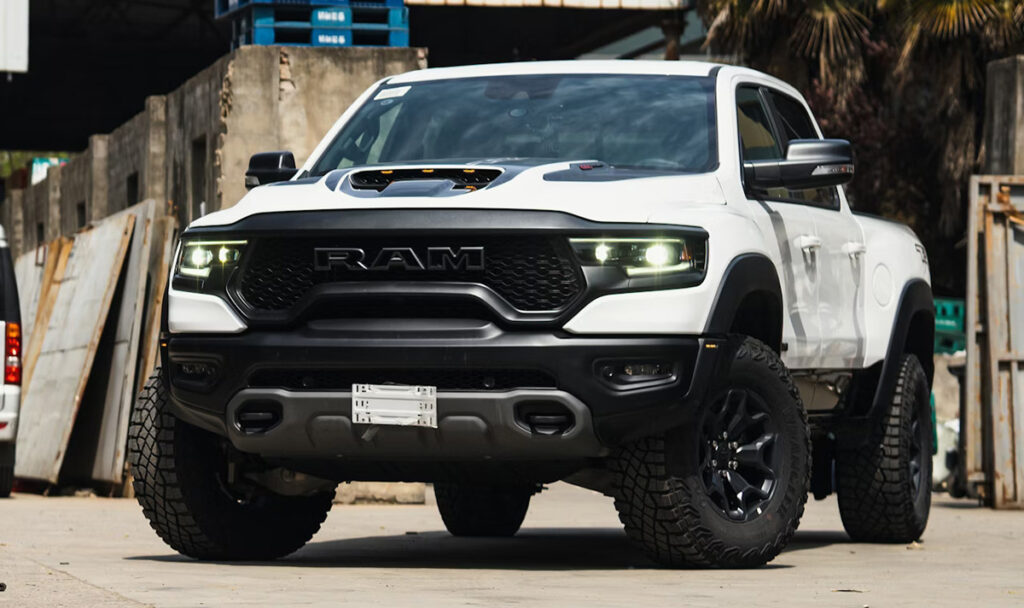
Another interesting aspect to consider is that sales numbers are interesting, but they don’t tell the whole story. According to PR Newswire, Dodge’s Durango had the best total year sales since 2005 last year. In 2025, their total sales were 114% more than the previous year. Likewise, RAM enjoyed improvements across all nameplates, with its light-duty model seeing 27% more sales compared to 2024.
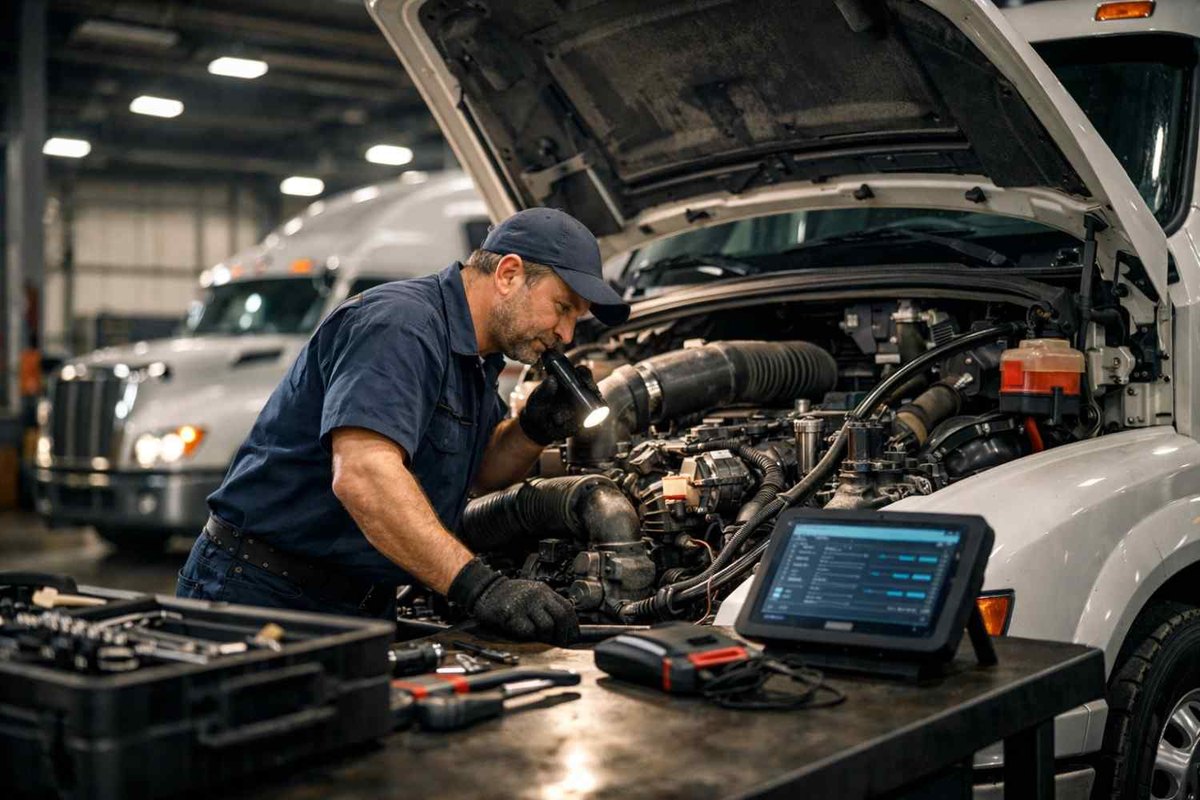
However, this popularity doesn’t reduce mechanical complexity, which inevitably affects ownership costs. As vehicles age, repair probability becomes part of the ownership equation, whether owners think about it or not. With some models of Ram Trucks, this can be a significant issue.
As HotCars highlights, the popular Ram 1500 had a 54.80% chance of experiencing a major failure in the first decade of ownership. In that period, the cost to maintain the model added up to $17,677. This is significantly higher than the Ford F-150, which only costs $10,245 to maintain for the same period.
This doesn’t mean Ram trucks are fragile or poorly designed. However, it does mean that power, weight, and capability often come with higher upkeep demands. The cost isn’t immediate, but it tends to arrive eventually.
The Exit Cost Also Matters
Every vehicle eventually reaches the point where ownership ends, whether through resale or trade-in. This is where depreciation has the final word. Unfortunately, a Dodge won’t give you the best resale experience.
Yahoo Autos highlights data from CarEdge, which shows that Dodge vehicles only retain 35% of their value after a 5-year ownership period. They point out insights from Consumer Reports, which believes brand reliability is a factor. After all, Dodge ranks near the bottom, along with brands like Jeep and Chrysler.
For owners, this matters more than many expect. Depreciation doesn’t feel real until you see the number on a trade-in offer. Sure, maintenance history, mileage, and overall condition all factor in, but brand reputation still plays a role in how buyers perceive long-term risk.
Naturally, this doesn’t erase the enjoyment someone may have had with their vehicle. It simply reframes the total cost. For some people, the fun they’ve had with Dodge or Ram pickups is worth the lower second-hand selling costs.
Frequently Asked Questions
1. What is the most common problem with Dodge?
One of the most common complaints with Dodge vehicles is reliability over time, especially related to electrical systems and transmissions. Owners often report that issues don’t show up immediately, but appear as the vehicle racks up miles and starts aging past the warranty period.
2. Are Rams high maintenance?
Ram trucks aren’t extreme outliers, but they do tend to cost more to maintain than some competitors. Their size, power, and complexity mean parts, labor, and long-term repairs can add up faster, particularly if you plan to keep the truck for many years.
3. How to maintain a pickup truck?
Regular oil changes, tire rotations, and brake checks are the basics, but pickup trucks also need attention to suspension, fluids, and drivetrain components. Staying ahead of maintenance, especially if you tow or haul often, helps prevent bigger and more expensive issues later.
At the end of the day, owning a Dodge or Ram isn’t a mistake, and it isn’t a bargain either. When you understand how miles translate into money, how maintenance evolves, and how upgrades shift priorities, ownership costs become far less surprising. As long as you go in informed, you won’t feel caught off guard later.