
The automotive industry has undergone dramatic changes over the past two decades. Digital marketplaces, online vehicle auctions, and nationwide dealership networks have reshaped how people buy and sell cars. Consumers are no longer limited to inventory within their immediate area. Today, purchasing a vehicle from another state, or even across the country, has become increasingly common.
This shift has created new logistical challenges that the industry has had to solve quickly. Once a vehicle is purchased remotely, it must still be transported safely from seller to buyer. As a result, professional vehicle shipping services have become an essential component of the modern automotive ecosystem.
What was once a niche service primarily used by dealerships and collectors is now widely used by everyday car buyers, relocating families, and online car retailers.
In This Article:
The Changing Landscape of Car Buying
In the past, most vehicle purchases took place locally. Buyers typically visited nearby dealerships, negotiated in person, and drove their new vehicle home the same day. While this traditional model still exists, the rise of online platforms has significantly expanded the scope of the automotive marketplace.
Consumers now browse thousands of listings across multiple states, comparing prices, specifications, and vehicle histories with a few clicks. Online auctions and national dealerships have made it possible to find rare models or better deals far beyond one’s local market.
However, this expanded marketplace introduces a logistical hurdle: transporting the vehicle safely from the seller’s location to the buyer’s home.
This is where professional car shipping services have stepped in to fill the gap.
Why Vehicle Shipping Has Become Essential
Vehicle transport companies specialize in moving cars across long distances using enclosed or open transport carriers. These services are commonly used by dealerships moving inventory, collectors transporting classic cars, and individuals relocating to new cities.
For private buyers, shipping a vehicle can be significantly more convenient than traveling long distances to pick it up. It eliminates the need for lengthy road trips and reduces wear on the vehicle itself. In many cases, shipping is also more cost-effective once travel expenses and time commitments are considered.
Companies such as A1 Auto Transport have become well known in the industry for offering nationwide shipping services that connect buyers, sellers, and dealerships across the country. Providers like these illustrate how logistics infrastructure has adapted to support the growing scale of online car sales.
The Role of Logistics in the Automotive Economy
Behind every successful vehicle shipment lies a sophisticated logistics operation. Transport companies coordinate routes, carrier availability, vehicle inspections, and delivery timelines to ensure cars reach their destinations safely.
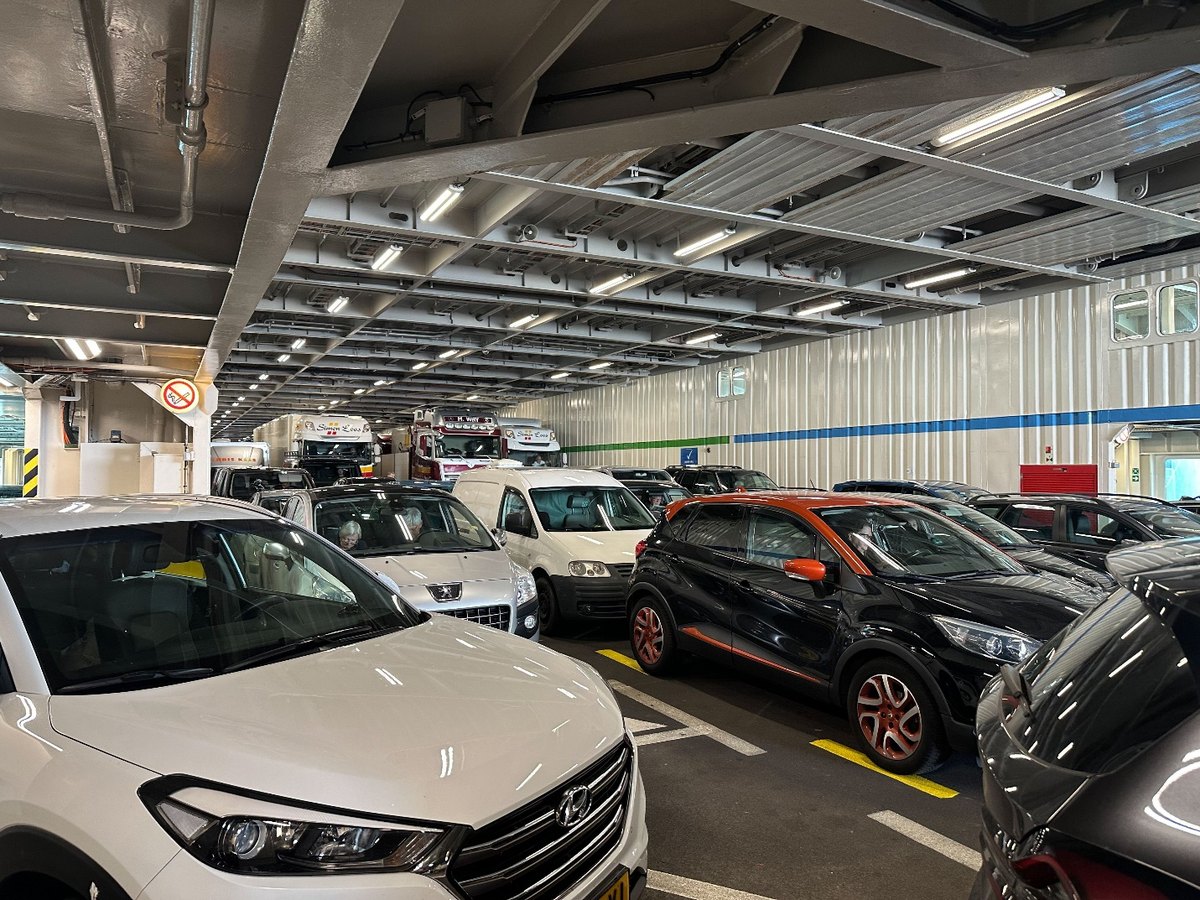
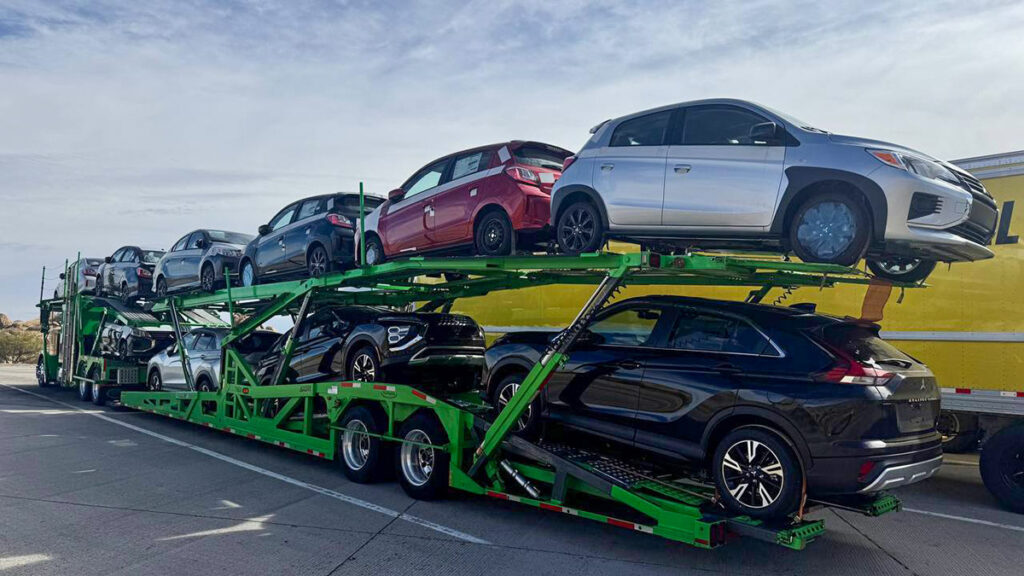
Many shipments are consolidated onto specialized car carriers that transport multiple vehicles simultaneously. This method improves efficiency while helping reduce overall transportation costs.
The complexity of this process means that professional vehicle transport companies must maintain strong operational systems and experienced drivers capable of handling a wide variety of vehicle types.
Regulation also plays a role in maintaining safety standards within the industry. In the United States, the Federal Motor Carrier Safety Administration oversees commercial vehicle transport operations. The agency establishes safety guidelines and licensing requirements designed to ensure that transport companies operate responsibly and protect both vehicles and drivers during transit.
Enclosed vs. Open Transport
When shipping a vehicle, customers typically choose between two primary transport methods: open transport and enclosed transport.
Open carriers are the most common option. These multi-level trailers are frequently seen on highways delivering vehicles to dealerships. Because they can transport several cars at once, open carriers are generally more affordable and widely available.
Enclosed transport, on the other hand, offers additional protection from weather, road debris, and environmental conditions. This method is often preferred for luxury vehicles, classic cars, and specialty automobiles where preserving condition is especially important.
The choice between these options usually depends on the value of the vehicle and the level of protection the owner wants during transit.
Technology Is Improving the Shipping Experience
Advances in digital technology are also reshaping the auto transport industry. Many companies now provide online booking systems, instant price estimates, and shipment tracking tools that allow customers to monitor their vehicle’s journey in real time.
These innovations have made the process far more transparent than it once was. Buyers can schedule shipments quickly, communicate directly with carriers, and receive updates throughout the transport process.
In addition, customer review platforms have helped increase accountability across the industry. Prospective clients can evaluate transport providers based on previous customer experiences, helping them select reliable companies with proven track records.
The Future of Vehicle Transport
As the automotive industry continues to evolve, the demand for vehicle shipping services is likely to grow. Online car marketplaces, remote purchasing, and cross-country relocations are becoming increasingly common, creating new opportunities for transport providers.
At the same time, improvements in logistics technology may further streamline the process. Route optimization software, automated scheduling systems, and enhanced tracking tools could make vehicle transport faster and more efficient in the years ahead.
Environmental considerations may also influence the future of the industry. As sustainability becomes a greater priority across transportation sectors, companies may explore more fuel-efficient carrier designs and optimized routing strategies that reduce emissions.
A Critical Link in the Automotive Ecosystem
Although vehicle shipping rarely receives the same attention as vehicle design or manufacturing, it plays a crucial role in connecting the many parts of the automotive marketplace. Without reliable transport services, the modern nationwide car market would be far more limited.
Professional auto transport companies enable buyers to access a wider range of vehicles, allow dealerships to manage inventory across multiple locations, and support collectors who need to move valuable automobiles safely.
In many ways, these services form an invisible but essential link between the digital automotive marketplace and the physical delivery of vehicles.
As the industry continues to expand beyond local markets, the role of professional vehicle shipping providers will only become more important in keeping the wheels of the automotive economy turning.