

Exotic cars deliver a driving experience that mixes precision engineering with attention-grabbing design. That’s one of the key reasons why these automobiles are so popular among enthusiasts.
A Statista article notes that the luxury cars market recorded an estimated revenue of $8.5 billion in the USA in 2024. With 600,000 units sold, Tesla was the biggest market share holder. It outperformed its biggest rival, BMW, which recorded sales of 371,400 luxury performance vehicles.
Their performance standards often exceed what most vehicles attempt, yet the ownership experience can feel demanding. Many drivers discover that keeping these machines in top condition requires a deeper understanding of how they behave on the road and how their components age.
In This Article:
Exotic Vehicles Have Distinct Maintenance Demands
Specialized components sit at the heart of these machines, and each part tends to operate at intense levels of heat, pressure, and speed. That combination can speed up wear, even when the car is driven responsibly.
Owners sometimes assume that limited mileage alone protects a high-end model, though the reality is different. Long gaps between drives can contribute to problems with seals, fluids, and electrical systems because exotic designs often rely on tighter tolerances.
Exotic engines, braking systems, and suspension setups rely on harmonized calibration. Small changes in temperature or humidity can affect how these systems respond. Therefore, their repair requirements are also very unique and should only be handled by experienced professionals.
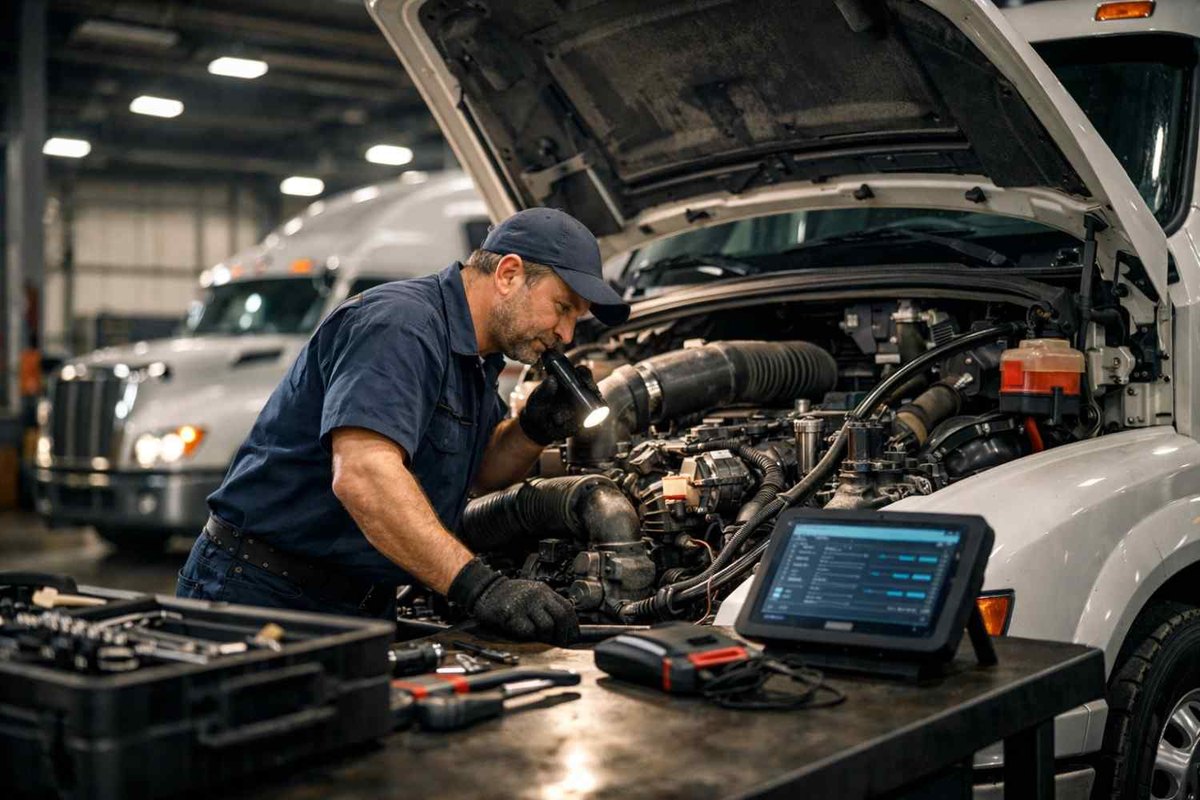
According to Stewart’s Automotive, only mechanics who possess the skills to diagnose, repair, and maintain high-end exotic cars should be consulted for any problems. They will have the right skills and expertise to notice performance inconsistencies, make repairs, and suggest maintenance tips.
Many owners seek guidance from an exotic auto repair specialist once they notice performance inconsistencies. An exotic car often reveals early hints of trouble through subtle vibrations, unusual scents, or irregular shifting patterns. Working with a professional familiar with these nuances helps pinpoint issues before they escalate.
Why do exotic cars require more frequent inspections even if they are rarely driven?
Sitting for too long can allow moisture to build up inside components that normally stay dry during regular operation. Rubber elements can stiffen, wiring connectors may lose contact, and delicate internal parts benefit from periodic circulation of fluids. Even gentle, occasional use keeps the mechanical systems balanced and reduces the chances of sudden failure during spirited outings.
Heat, Materials, and the Stress of Performance
Extreme heat remains one of the most common causes of accelerated wear in exotic vehicles. High-output powertrains generate temperatures that push cooling systems to their limits, especially during spirited driving.
Radiators, hoses, and auxiliary pumps must remain in pristine condition because even minor blockages can compromise efficiency. Frequent fluid checks are essential, not simply for topping off but for monitoring the condition of each fluid. This is because viscosity breakdown often occurs faster in cars tuned for high performance.
Electric exotic cars still have an option to reduce wear and engine degradation with the help of Nanoparticle-enriched palm oil biolubricants. A ScienceDirect study concludes that these biolubricants can cut friction by up to roughly a third and reduce wear significantly in EV systems. This is especially true with materials such as graphene, TiO₂, and Al₂O₃, which boost stability under demanding conditions.
These formulations provide a cleaner alternative to conventional lubricants, lowering emissions and energy consumption while supporting smoother operation. The improved lubrication helps EV components last longer and decreases maintenance requirements, contributing to broader sustainability goals.
Electronics and Software That Age Differently
Modern exotic cars depend heavily on advanced electronics and technology. And these systems keep advancing and innovating every year. The U.S. News & World Report states that a lot of cool car technology was announced at the Consumer Electronics Show 2025.
For instance, BMW revealed its next-generation iDrive system, featuring a full-width panoramic display. It also includes an optional 3D head-up projection, a redesigned steering wheel, and a sharper central screen powered by BMW Operating System X. Similarly, Honda introduced its 0 Series, Italdesign revealed its Quintessenza concept, and Vueroid introduced S1 4K Infinite Dashcam.
These systems can introduce unexpected upkeep. Sensor networks control airflow, stability management, throttle mapping, and countless micro-adjustments that shape the driving experience.
Even a slight malfunction in one module can affect the entire chain of systems. Software updates address some of these quirks, though hardware still requires periodic testing.
Climate-controlled storage, protective charging systems, and occasional gentle drives help keep electronics healthier for longer. Letting an exotic model sit untouched for months often causes voltage irregularities that lead to errors across the dashboard. A proactive approach to electrical care limits outages and keeps modules communicating correctly.
Why can minor electronic glitches escalate quickly in exotic vehicles?
Many systems rely on interconnected modules that exchange constant feedback. When one small component delivers inconsistent data, it can trigger a chain reaction that affects drivability, power delivery, or stability control. Addressing minor alerts promptly avoids deeper complications and keeps the digital architecture functioning as intended.
Rare Parts of an Exotic Car Influence Repair Timelines
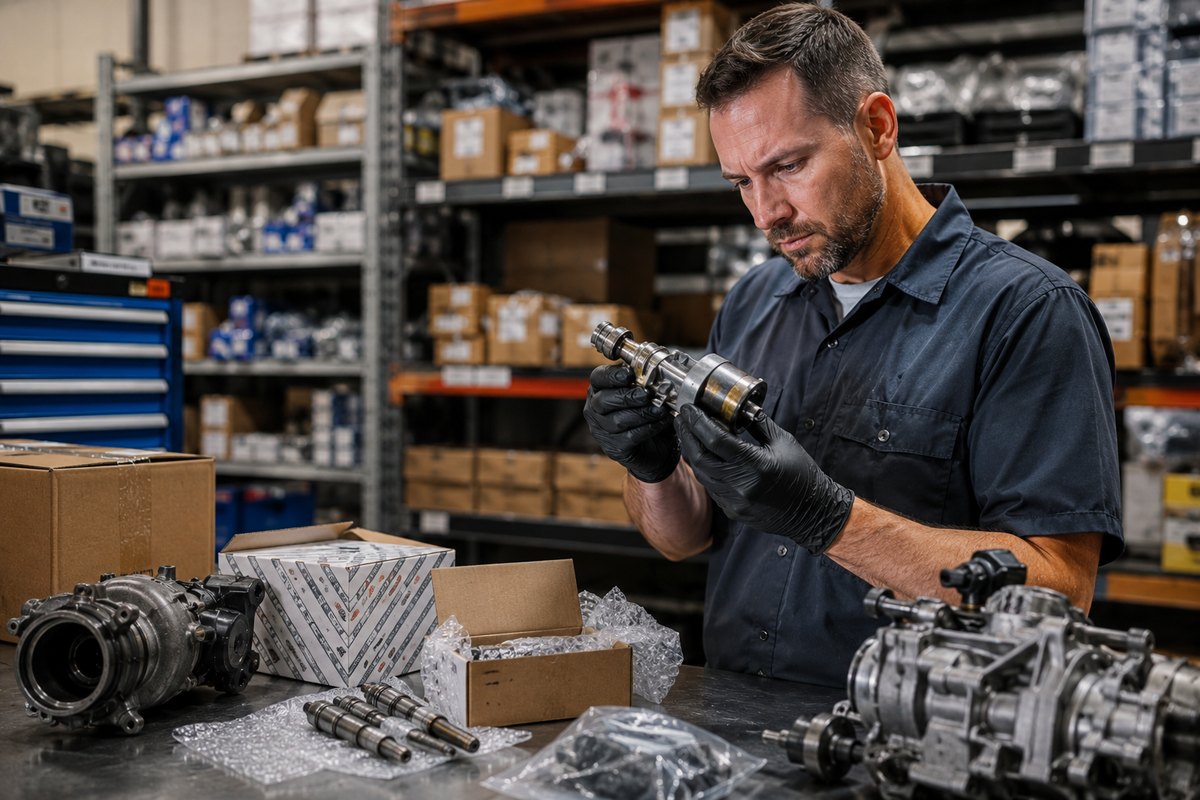
A major challenge for exotic car owners arises when replacement parts are needed. Many items are produced in limited quantities, and some are hand-built. Waiting periods grow longer once a model cycles out of current production, which leaves drivers planning maintenance carefully to avoid extended downtime.
Even components that seem simple can take weeks to arrive, especially if they require verification from the original factory or specialized machining. This delay shapes the way owners schedule inspections.
Staying ahead of issues gives technicians the chance to order components before a failure interrupts daily use. Predictive care tends to reduce long stays in the shop and keeps the car ready for the road during peak driving seasons.
Replacement parts of an exotic vehicle can also be very costly. A Yahoo! Finance article lists some of the cars with expensive replacement parts. The list includes luxury cars, such as BMW X1 to X7, Porsche Cayenne, Mercedes-Benz Sprinter Van, Porsche 911, and Tesla EVs. Therefore, it is also important to consider costs along with repair timelines when planning maintenance.
How can owners reduce downtime caused by sourcing rare parts?
Building a relationship with a service center familiar with the brand helps streamline communication and ensures parts are ordered quickly. Maintaining a predictable service calendar allows technicians to plan ahead. Some owners keep a small inventory of commonly used items to avoid delays during routine work.
Exotic car ownership brings responsibilities that extend beyond basic upkeep. These machines operate with tight tolerances, advanced materials, and performance standards that require steady attention.
Owners who stay proactive, manage storage strategically, and maintain a consistent driving rhythm give their vehicles the best chance to remain dependable for years. The experience becomes far more rewarding when care aligns with the demands of such finely engineered machines.