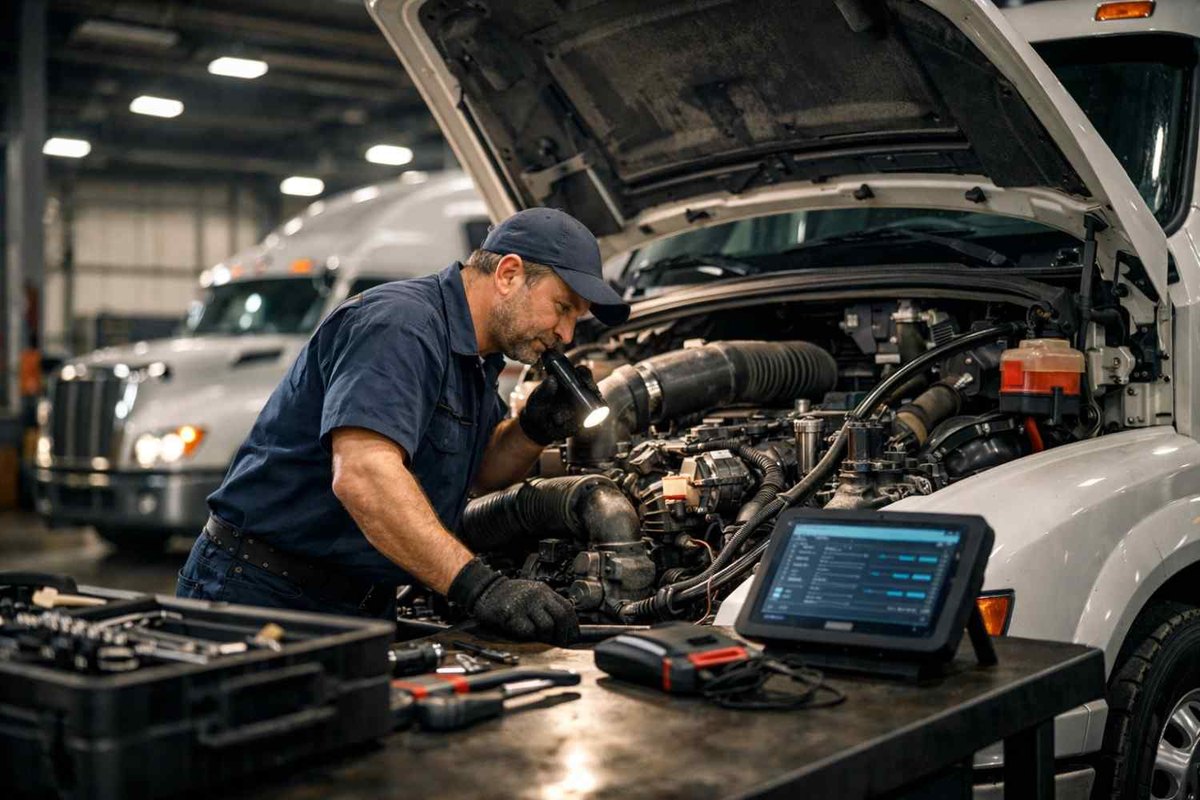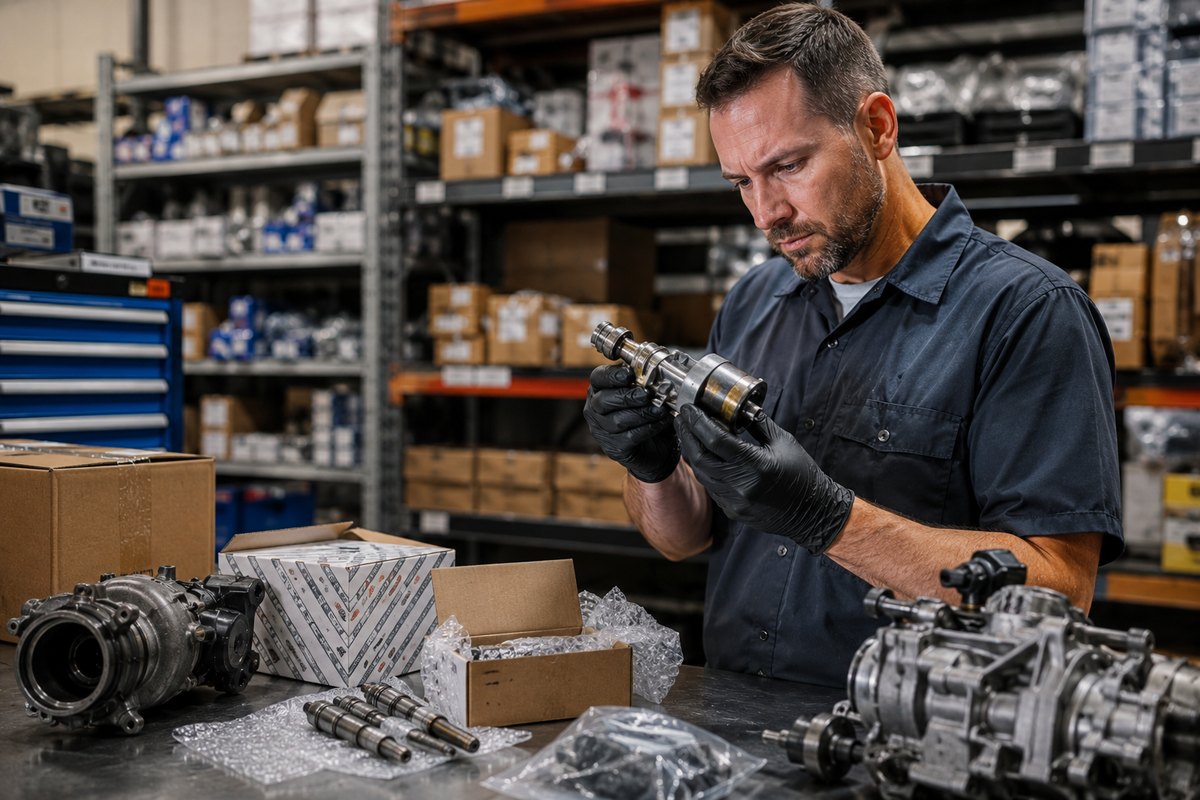

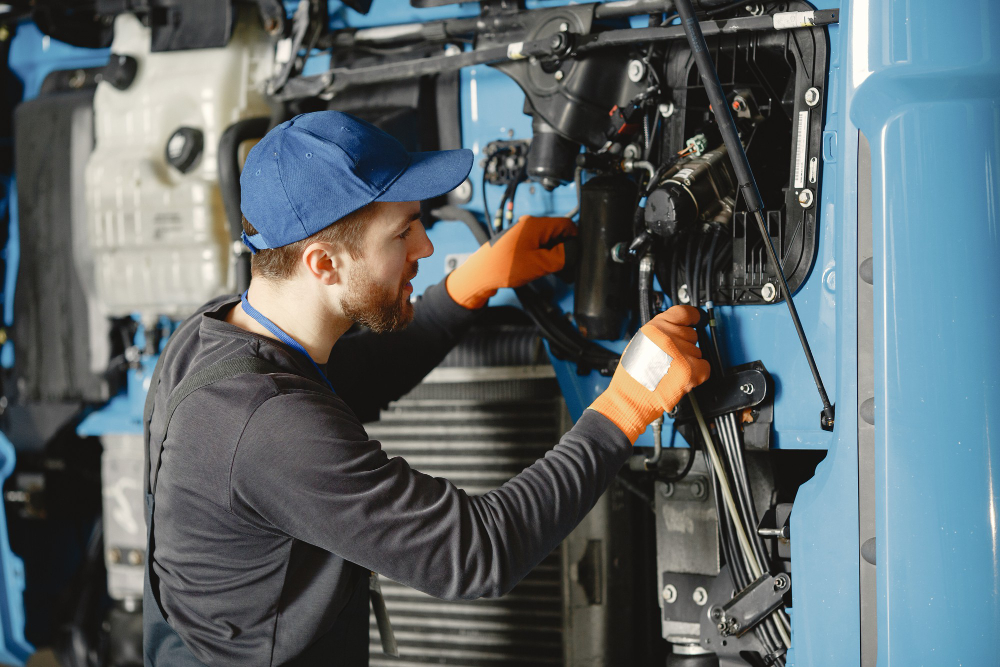
Maintaining a commercial fleet requires more than just keeping the engines humming; it involves protecting the physical assets that represent your brand on the open road. While many operators view minor dings as unavoidable “battle scars,” ignoring dents and fiberglass damage can compromise the structural integrity, safety, and operational functionality of your vehicles. Addressing these issues early prevents small problems from snowballing into expensive repairs that could keep your drivers sidelined. Professional restoration services, such as those provided at the https://thetruckbodyshop.com website, ensure that your fleet returns to its original condition with the precision required for heavy-duty use.
In This Article:
The Hidden Cost of “Small” Dings
It is a common misconception to view dent correction as a purely cosmetic luxury for fleet owners. In reality, even minor surface damage can disrupt the aerodynamics of a large vehicle, leading to increased drag and higher fuel consumption over time. Furthermore, small indentations can eventually lead to deeper structural issues if left unaddressed. By prioritizing early intervention, you not only keep your trucks looking professional but also safeguard the long-term resale value of your equipment.
A Roadmap to Smooth Surfaces
The strategy used to fix a dent is never a one-size-fits-all solution, as the method depends heavily on the depth and location of the damage. Every quality repair starts with a meticulous inspection to evaluate whether the paint has been compromised or if the underlying frame has been shifted. For shallow imperfections where the paint remains intact, technicians often utilize Paintless Dent Repair (PDR). This specialized technique involves using precision tools to gently massage the metal back into its original shape from the inside out, providing a fast and cost-effective fix that bypasses the need for a new paint job. Professional-grade solutions from Car O Liner can also support technicians when precision dent pulling equipment is needed for more controlled body repair work.
However, when a collision causes deep gouges or structural folding, traditional repair methods become necessary. This process involves sanding the area down to the base, applying high-grade fillers, and meticulously repainting the surface to ensure a seamless match. The final stage of any dent correction involves professional polishing and buffing to ensure the repaired area is indistinguishable from the rest of the bodywork.
Mastering the Art of Fiberglass Restoration
Fiberglass is the unsung hero of the commercial transport industry, offering a lightweight and corrosion-resistant alternative to traditional steel. While it is exceptionally durable, fiberglass is also brittle under high-impact conditions, which can lead to unsightly cracks or even shattered panels. Because fiberglass is a composite material, repairing it is a chemistry-driven process that is fundamentally different from working with metal.
The Science of the Fix
Repairing a fiberglass panel is an intricate task that requires building the material back up layer by layer to restore its original strength. The process begins with a deep assessment to find the “end” of every crack, ensuring that the damage won’t continue to spread under the vibration of daily driving. Once the area is identified, the surface must be aggressively cleaned and sanded to create a “key” that allows new resin to bond securely to the old material.
Technicians then apply a specialized resin mixed with a hardening agent, often reinforcing the area with fiberglass matting for added durability. After the resin has fully cured and hardened, the area is carefully sanded and shaped to match the vehicle’s original contours. To finish the job, a high-quality primer and a color-matched topcoat are applied, sealing the repair and protecting it from the elements.
Why Quality Craftsmanship Wins Every Time
While the market is flooded with DIY kits for minor bodywork, the complexity of commercial vehicle repair usually demands a professional touch. Experienced technicians possess the specialized tools and the years of hands-on knowledge required to ensure that a repair is not just a temporary patch, but a permanent restoration.
Choosing professional services offers a significant advantage in terms of both precision and long-term savings. A repair that is done correctly the first time prevents recurring issues that could lead to even more expensive downtime in the future. Additionally, a fleet that appears well-maintained sends a message of reliability and professionalism to your clients, while simultaneously ensuring you get the highest possible value when it comes time to trade in or sell your vehicles.
Proactive Habits for a Pristine Fleet
Once your vehicles are back in top shape, shifting your focus toward preventative maintenance can significantly extend the life of your bodywork. Implementing a few simple strategies can help you avoid the common pitfalls that lead to frequent shop visits.
Routine inspections are your first line of defense, allowing you to catch tiny stress cracks or small dings before they have a chance to rust or expand. Many fleet managers also find success by applying protective films or specialized coatings to high-impact areas like bumpers and side panels, which act as a sacrificial layer against road debris. Finally, investing in driver training focused on spatial awareness and safe parking can eliminate many of the low-speed impacts that result in fiberglass cracks and dents. By combining professional repair with a culture of care, you can keep your commercial fleet looking sharp and performing reliably for years to come.