
In This Article:
Why paint protection matters more for big American metal
European roads can be deceptively tough on paint, especially when you’re driving a wide-shouldered Dodge muscle car or a Ram pickup that’s built to cover miles in every season. Narrow lanes and tight parking bays invite door dings and bumper scuffs. Winter brings road salt and grit that sandblast lower doors and rocker panels. Summer sun fades unprotected clear coat, particularly on dark colors that soak up heat.
Paint is not just about looks. It is a protective layer that helps prevent corrosion, keeps panels easier to clean, and preserves resale value. When the paint is healthy, routine washing feels quicker, bugs release more easily, and that deep gloss you notice at dusk stays around longer. When paint is neglected, every wash seems to add swirls and the finish starts to look tired even if the vehicle runs perfectly.
Know what you’re protecting: clear coat, color coat, and the “invisible” damage
Clear coat is the workhorse
Most modern vehicles have a basecoat color topped with a clear coat. The clear coat provides gloss and UV protection, and it is also the layer that takes the hit from brushes, gritty wash mitts, and windblown dust. That is why many “paint problems” are really clear-coat problems: hazy patches, swirl marks under streetlights, and dullness on horizontal surfaces like the hood and roof.
Contamination is a slow, silent thief
Even if you wash regularly, paint can hold onto contamination that soap will not remove. Think industrial fallout, brake dust, tree sap mist, tar specks, and the stubborn film that builds up after motorway runs. You usually notice it when the paint feels rough to the touch after washing or when water stops beading consistently. Removing that bonded contamination safely is a key step before polishing or applying protection.
A practical wash routine that avoids swirls and saves time
Start with a pre-rinse and a gentle pre-wash
If you have ever rubbed a dusty panel and heard that faint “grit squeak,” you already know why pre-rinsing matters. A strong rinse knocks loose abrasive particles so you are not grinding them into the clear coat. A foam or citrus pre-wash can soften traffic film and bug residue, which is especially helpful for the tall, blunt front ends common on trucks and performance sedans.
Use the two-bucket method, but keep it realistic
Two buckets and a grit guard are not just detailing folklore. One bucket holds your shampoo, the other is for rinsing your mitt. If you are short on space, even a single rinse bucket plus frequent mitt rinsing under running water is better than washing straight from one bucket of increasingly dirty suds. Work top to bottom and save the dirtiest areas, lower doors, rear bumper, and tailgate, for last.
Drying is where most people accidentally mar the paint
Air drying leaves mineral spots. Aggressive towel rubbing leaves micro-scratches. The sweet spot is a clean, plush microfiber towel with light pressure, helped by a drying aid if you use one. On large vehicles, it helps to dry in sections so water does not bake onto the roof while you are still working on the doors.
When chips and scratches happen: smart triage before it spreads
Stone chips on the leading edge of the hood and along flared arches are common, especially with sticky performance tyres that throw debris. The key is to address bare metal quickly so corrosion does not creep under surrounding paint. For light scratches, your first job is to determine whether they are in the clear coat or through the color. A simple test is to clean the area, then look from multiple angles under a strong light. If the scratch looks white and dull but disappears when wet, it often sits in the clear coat and may be polishable.
For deeper damage, touch-up work is as much about patience as product. Thin layers, adequate curing time, and careful leveling usually beat one heavy application. If you are sourcing materials for a repair, it helps to understand the difference between 1K and 2K products, and to match the finish level and application method to the job. For readers who want a deeper overview of options and formats, Car paint resources can clarify what is used for small spot repairs versus larger panels.
Choosing the right protection: wax, sealant, ceramic, or PPF
Wax for warmth and easy upkeep
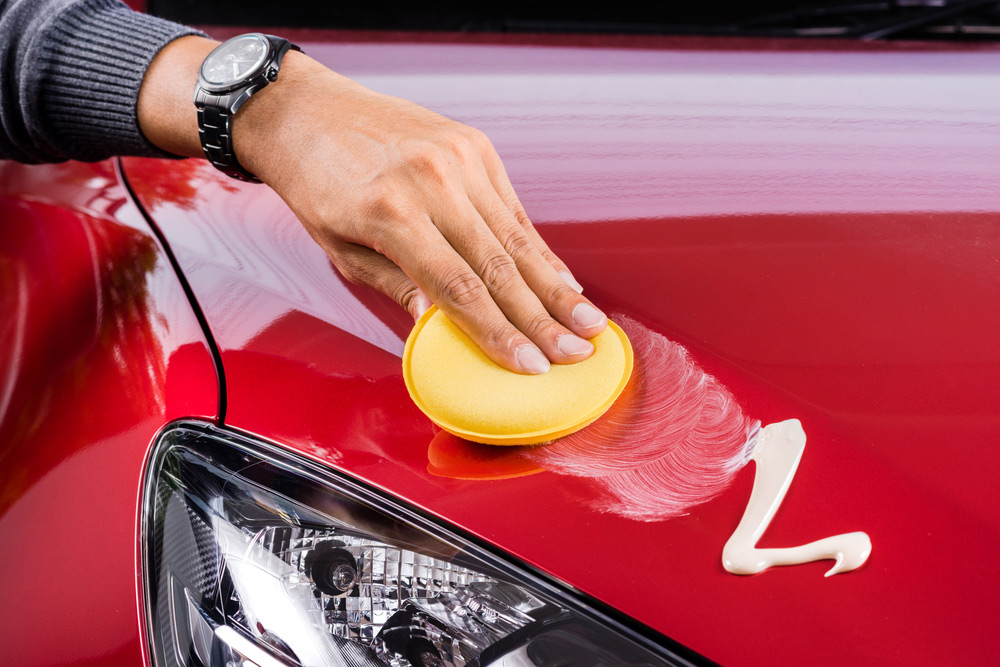
A good wax can give darker colors a rich, “wet” look and make routine washing easier. It is also forgiving to apply, which suits owners who prefer a relaxed Saturday morning routine rather than a multi-day detailing project. The trade-off is durability, as wax typically needs refreshing more often, especially on vehicles that live outdoors.
Sealants for durability and daily driving
Synthetic sealants generally last longer than wax and can offer a crisp, reflective gloss that looks sharp on modern muscle-car lines. They are a strong choice if your vehicle sees motorway commuting, frequent rain, or winter conditions. Many drivers appreciate that sealants make bug splatter and brake dust less stubborn during washes.
Ceramic coatings for long-term slickness, not invincibility
Ceramic coatings can deliver impressive water behavior and chemical resistance, but they are not a force field. You can still get chips, and improper washing can still mark the surface. The main benefit is that dirt releases more easily, and the paint stays glossier between washes. Preparation is crucial, since coating over swirls locks them in visually until you polish again.
Paint protection film for impact zones
For vehicles that do a lot of high-speed driving or see gravel roads, paint protection film (PPF) is worth considering on impact areas: front bumper, leading edge of the hood, mirror caps, and even the lower door sections that get peppered by road debris. It is a larger investment, but it directly targets the kind of damage that polish and coatings cannot prevent.
Seasonal habits that keep paint healthy year after year
Winter: salt management is the whole game
Road salt and brine collect in wheel arches, behind mud flaps, and along underbody seams. Rinsing those areas regularly, even with a quick self-serve wash, helps prevent that gritty buildup from constantly rubbing against the paint. If you can only do one “proper” detail in winter, prioritize decontamination and a durable protective layer before temperatures drop.
Summer: UV, insects, and sprinkler spots
UV exposure slowly oxidizes paint and plastics, while insects can etch if left too long, especially on hot panels. A simple habit is to keep a small bottle of quick detailer and a microfiber in the boot for prompt bug removal after long drives. Also watch for hard water from sprinklers, which can leave mineral deposits that dull gloss if repeatedly baked in the sun.
A quick checklist for a paint-friendly routine
Wash with a pre-rinse and gentle pre-wash before touching the paint. Use clean tools, change towels often, and avoid washing in direct midday sun when possible. Decontaminate when the paint feels rough, then protect with a product that matches your schedule, wax for frequent hobby care, sealant for set-and-forget durability, coatings or PPF for longer-term plans. Most importantly, treat small chips and scratches early, because paint problems are easiest to fix when they are still small enough to ignore.