
Owning a European car is different from owning pretty much anything else on the road. The engineering is tighter, the parts are more specific, and honestly, these vehicles don’t forgive shortcuts the way other cars might.
But that’s also what makes them worth it. When you’re behind the wheel of a well-maintained BMW, Audi, or Mercedes, you feel the difference immediately. The question is how to keep that feeling going without watching your investment slowly drain away through neglect or bad timing.
Let’s walk through what actually works when it comes to protecting the value of your European car, both financially and in terms of the driving experience itself.
In This Article:
1. Understand What “Value” Really Means for European Cars
Most people think about resale price when they hear “value”, and sure, that matters. But if that’s all you’re focused on, you’re missing the bigger picture.
Value also means how the car performs on your daily commute. It’s whether you trust it enough to take a road trip without anxiety. It’s the safety systems that might save your life one day and the comfort features that make long drives bearable instead of exhausting.
When you bought a European car, you probably weren’t just looking for basic transportation. You wanted something with character, with a certain level of refinement. That’s the value you need to protect.
So before you make any decision about maintenance or repairs, ask yourself what matters most right now. If you’re using this car to shuttle kids around, reliability and safety features take priority. If it’s your weekend escape vehicle, maybe preserving that sharp handling matters more. Getting clear on this shapes everything else.
2. Stay Ahead of Maintenance
This is where European cars get their reputation for being “expensive to maintain”. But that reputation isn’t quite fair. They’re expensive to fix when you ignore them. Maintaining them properly is actually reasonable.
The difference comes down to prevention. European manufacturers design their service schedules based on how the components actually wear. Skip an oil change or push off that inspection, and you’re not just delaying maintenance. You’re letting problems develop that wouldn’t exist otherwise.
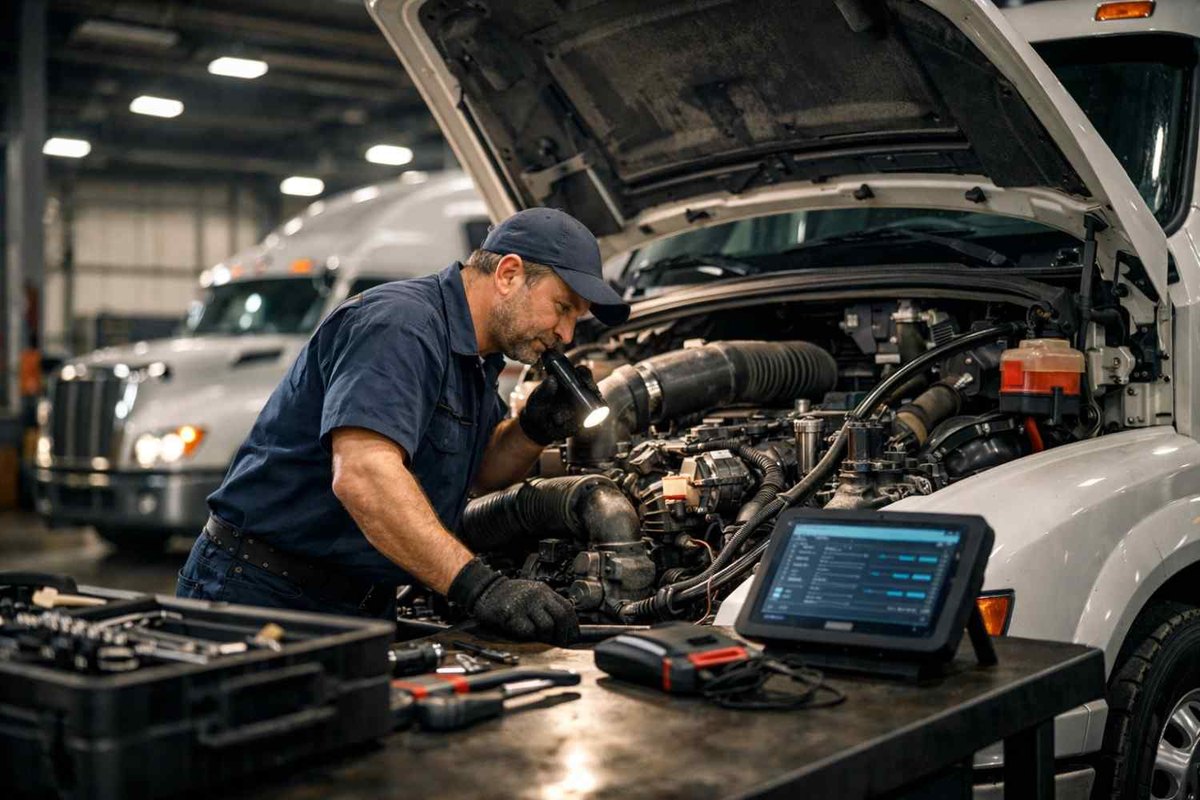
Finding someone who actually understands these cars makes all the difference. A general mechanic might be great with Toyotas but completely lost when your Volkswagen throws a specific fault code. Working with a European car mechanic means you’re getting someone who knows the common failure points, the service bulletins, and which symptoms actually matter versus which ones are just quirks of the model.
Regular servicing isn’t glamorous. Nobody gets excited about spending money on routine maintenance. But paying for that service today genuinely does prevent much larger bills later. That’s not a sales pitch; that’s just how these cars work.
3. Keep a Clear Service History
You know what impresses buyers when you eventually sell? Paperwork. Lots of boring, detailed paperwork showing exactly what’s been done to the car and when.
A thick folder of service records tells a story. It says you cared about the car, that you didn’t cut corners, and that there probably aren’t any hidden disasters waiting to happen. For European cars especially, this documentation can easily add a couple thousand dollars to your selling price.
The key is consistency. Whether you use the dealer or an independent shop, just make sure everything gets recorded. Save the invoices, keep the receipts, and store copies digitally as backup. Write down dates, mileage, what was replaced, and what was inspected.
It sounds tedious because it is. But when you’re sitting across from a potential buyer who’s deciding between your car and three others, that service history becomes your best negotiating tool. You’re not asking them to trust your word. You’re showing them proof.
4. Address Small Issues Before They Become Expensive Ones
European cars tend to communicate problems differently than other vehicles. Instead of limping along until something catastrophically breaks, they often give you early warnings. A sound that wasn’t there last week. A smell you can’t quite place. A warning light that pops up occasionally and then disappears.
The worst thing you can do is ignore these signals because the car still seems to run fine.
That slight grinding noise when you brake? It’s probably just the wear indicators on your brake pads. Fix it now, and you’re replacing pads. Ignore it for another month and you’ll be replacing rotors too, maybe even callipers. The cost difference is dramatic.
Same with fluid leaks. A small oil seep from a gasket is annoying but manageable. Leave it alone, and eventually it damages sensors, contaminates other components, or causes something to overheat. What started as a relatively simple seal replacement became a major repair project.
The pattern repeats across different systems. Catching issues early isn’t just cheaper. It also keeps your car reliable. You can drive without that nagging worry about whether today’s the day something fails.
5. Know When You’re Spending to Maintain vs Spending to Patch
Here’s the tough part of European car ownership that nobody really wants to talk about. Eventually, you reach a point where the math changes.
At some stage, you’ll face a repair estimate that makes you pause. Maybe it’s a transmission issue. Maybe the air suspension needs replacing. Maybe there’s an electrical problem that requires replacing multiple expensive modules.
The question becomes whether this repair is bringing a fundamentally sound car back to health or whether you’re just putting a bandaid on a car that’s going to need another expensive fix in six months.
There’s no formula for this. But there are questions worth asking. How’s the rest of the car? If everything else is solid and this repair genuinely solves the problem, it might make sense. If this is one of several age-related issues piling up, maybe it doesn’t.
What’s the repair cost versus what the car is actually worth? Sometimes you need to spend more than market value to keep a car reliable, and that’s okay if you’re planning to keep driving it. But there’s a limit.
Be honest about your actual plans. If you’re already mentally shopping for your next car, don’t convince yourself that a major repair is a good investment. It probably isn’t.
6. Timing Matters: When Upgrading Can Make Financial Sense
The timing of when you sell a European car can swing your return by thousands of dollars. Get it right and you maximise what you walk away with. Get it wrong and you leave money on the table.
The ideal moment is usually right after you’ve completed major service but before the next round of expensive maintenance comes due. If you just had the timing belt done, all the fluids changed, and any wear items replaced, your car is at its most attractive. A buyer gets something that won’t need immediate work.
Wait another six months until those big services are looming again, and buyers start factoring those upcoming costs into their offers. The difference in what you’ll get can be substantial.
Mileage markers matter too, even if they’re somewhat arbitrary. Selling at 95,000 kilometres gets you more than selling at 105,000, even though mechanically there might not be much difference. Buyers just think differently about cars once they cross certain thresholds.
Market conditions play in too. Some models sell better at certain times of year. All-wheel-drive vehicles command better prices before winter. Convertibles do better in spring. If you have flexibility on timing, paying attention to these patterns helps.
The absolute worst time to sell is right after something major breaks, when you’re panicking and just want the car gone. That’s when you get the lowest possible price. Planning ahead, even roughly, prevents this scenario.
7. Exploring Your Sell or Trade Options
When you’re ready to move on, the path you choose affects your final outcome significantly.
Selling privately usually gets you the most money but requires real effort. You’re handling the advertising, fielding questions from strangers, arranging test drives, and dealing with paperwork. For a well-maintained European car with good records, this effort often pays off with several thousand more than the trade-in value.
Trading in is convenient. You skip all the hassle, and in some situations there might be tax benefits. The tradeoff is accepting less money. For cars with higher mileage or minor issues that might be harder to sell privately, trading in can actually make more sense.
There are also specialist buyers who focus specifically on European vehicles. They understand what they’re looking at, they value proper maintenance history, and they can offer more competitive prices than general dealers might. For a smooth transition into your next vehicle, check out opportunities here.
Whatever route you pick, preparation matters. Get your service records organised. Fix any minor cosmetic issues that are cheap to address. Make sure the car is clean and presents well. These small touches add up, whether you’re selling privately or trading in.
Wrapping This Up
Getting good value from a European car isn’t about any single brilliant decision. It’s really about making reasonable choices consistently over time.
Choose the right people to work on it. Keep good records. Fix problems when they’re still small. Know when it makes sense to invest in repairs and when it doesn’t. Time your exit strategically instead of reacting to emergencies.
European cars respond to this kind of attention. Take care of them properly, and they’ll keep delivering that driving experience that made you buy one in the first place. Neglect them, and they’ll punish you with depreciation and repair bills faster than most other cars will.
The owners who get the most from their European cars, both in terms of enjoyment and financial return, are usually just the ones paying attention. They stay ahead of issues instead of reacting to breakdowns. They document everything. They make informed decisions about when to repair and when to move on.
Your European car is capable of being reliable, enjoyable, and valuable throughout your ownership. It just needs you to hold up your end of the bargain by giving it the specific kind of attention these vehicles require.