
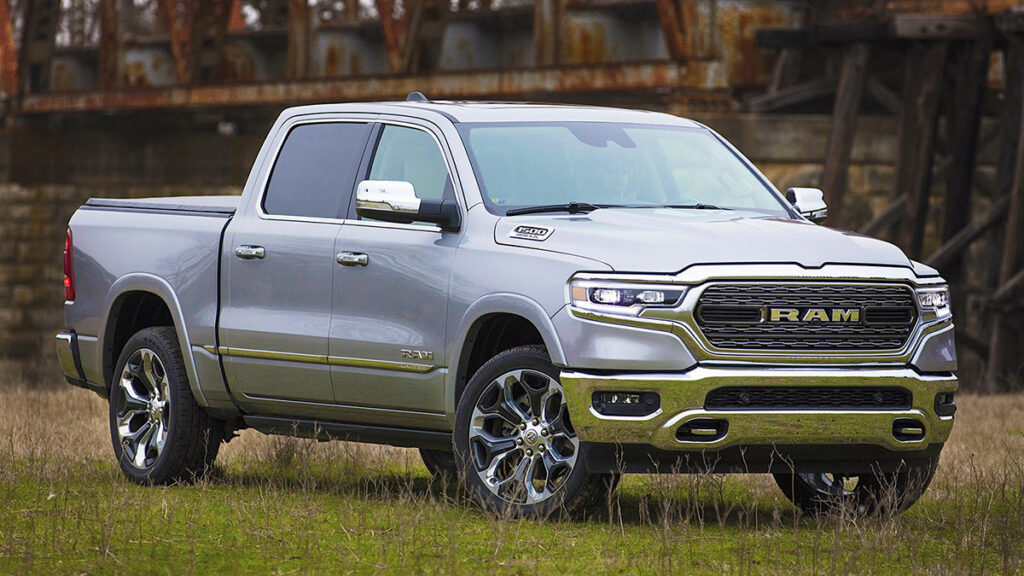
Owning a Dodge Ram 1500 means you’ve got a serious workhorse on your hands. Whether you use it for towing, job sites, or just as a daily driver, at some point you will need replacement parts: brakes, suspension components, body panels, lighting, or interior trim. That’s when the classic question hits: do you go with OEM parts or save money with aftermarket?
In This Article:
What “OEM” and “Aftermarket” Actually Mean
OEM (Original Equipment Manufacturer) parts are made by the same company that supplies parts for the truck when it’s built. For Dodge and Ram, that’s Mopar. OEM parts are designed to match the exact specifications, fit, and performance of the original components.
Aftermarket parts are made by third-party manufacturers that are not the original factory supplier. They may copy OEM designs, improve on them, or build something completely different (for example, heavy-duty suspension or performance exhaust systems). Quality can range.
In short:
- OEM = maximum compatibility, predictable quality, usually higher price.
- Aftermarket = more choice, often cheaper, but quality and fit vary by brand.
Advantages of OEM Parts for Your Ram 1500
For a Ram 1500, OEM parts bring several clear benefits.
1. Guaranteed fit and function
OEM parts are built to the exact dimensions your truck was designed around. That matters a lot on complex or tightly packaged components: electronic modules, sensors, wiring harnesses, ADAS cameras, or airbag system parts. A proper fit also helps avoid annoying issues like wind noise, water leaks around doors, or misaligned bumpers.
2. Designed to meet factory safety standards
Safety-critical components (brakes, steering, airbags, seat belts, structural body panels) are engineered to work as a system. If your truck has been involved in a collision or recall, it is usually safer to stick with an OEM. You can always double-check open recalls on your Ram 1500 using the official NHTSA recall lookup.
3. Better warranty alignment
When your Ram is still under factory warranty or extended coverage, OEM parts help avoid arguments about what caused a problem. If a non-OEM part is suspected of contributing to an issue, you may end up in a blame game between the manufacturer, dealer, and parts supplier.
4. Resale value and buyer confidence
If you plan to sell or trade your truck, documentation showing OEM parts for major repairs can be reassuring for the next owner-especially after a collision or major mechanical repair.
Advantages of Aftermarket Parts
Aftermarket is not automatically “cheap junk.” For many Ram 1500 owners, it can be the smarter choice in specific situations.
1. Lower cost (often significantly)
Aftermarket brands don’t carry the OEM logo markup, so you can often get equivalent quality for less. That can make a big difference on big-ticket items like radiators, alternators, suspension components, or body panels.
2. Performance and customization
If you want to improve something rather than just restore it to stock-stronger brake rotors, heavier-duty shocks, off-road bumpers, LED lighting upgrades-aftermarket is where you’ll find the options.
3. Availability and choice
Sometimes OEM parts are back-ordered or expensive at the dealer. High-quality aftermarket alternatives can keep your truck on the road without waiting for weeks.
The catch: you need to be selective. Sticking to known, reputable brands and buying from trustworthy sellers is essential. Well-reviewed aftermarket components can match or even exceed OEM on durability and performance while bargain-bin parts often cannot.
When You Should Choose OEM for a Dodge Ram 1500
For a Ram 1500, OEM is usually the smarter option in these situations:
- Safety-critical systems
Brakes, airbag components, seat belts, steering parts, and major suspension pieces (control arms, steering knuckles, key chassis components). These parts directly affect your ability to steer, stop, and survive a crash. - Structural and crash-management body parts
Front and rear crash structures, structural reinforcements, and any parts that affect how the truck manages impact forces. Keeping these OEM helps preserve the way your truck was engineered to protect you. - High-tech components
Engine control modules, sensors, advanced driver-assistance cameras, radar units, and complex wiring harnesses. These parts are finicky about software versions, calibration, and communication protocols. - Under-warranty vehicles
If you drive a relatively new Ram 1500, using OEM parts for covered repairs keeps things simple with the dealer and manufacturer.
When Aftermarket Parts Make Sense
There are plenty of cases where aftermarket parts are very reasonable for a Dodge Ram 1500:
- Wear items and maintenance parts
Filters, wiper blades, standard brake pads/rotors, bulbs, and basic suspension components can be bought from good aftermarket manufacturers at lower cost without sacrificing reliability. - Cosmetic and convenience items
Floor mats, trim clips, mirror caps, fender flares, step bars, bed liners, and similar accessories are often better value in the aftermarket, with more style and configuration choices. - Budget body and lighting parts
If you’re repairing older trucks, it’s often not worth paying full OEM price for every external panel. Quality aftermarket bumpers, grilles, and lighting assemblies can be good value if you source them from trustworthy suppliers. For example, you can browse Dodge autoparts to compare options for exterior and lighting replacements for your Ram. - Older, high-mileage trucks
If your Ram 1500 is well out of warranty and mostly used as a work tool, cost effective aftermarket parts for non safety critical components can keep total ownership costs under control.
For your Dodge Ram 1500, think of OEM vs aftermarket not as a one-time choice, but as a decision you make for each component. Use OEM where safety, warranty, and perfect integration matter most. Use well chosen aftermarket parts where they offer genuine value, performance, or customization without compromising reliability.