

A prepared vehicle serves as the foundation for a pleasant and efficient road trip. Clutter often leads to increased driver distraction and unnecessary delays when searching for essential items. Consequently, implementing a systematic storage plan ensures that all passengers remain comfortable throughout the duration of the trip.
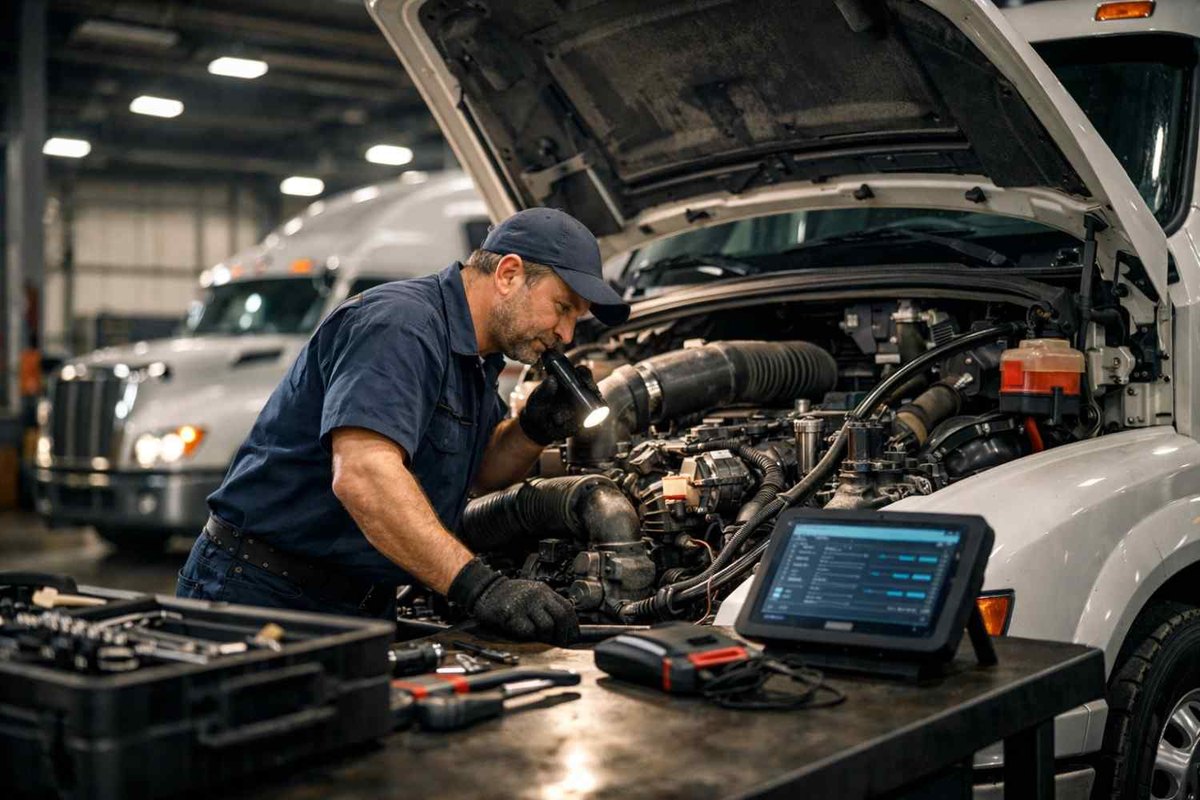
Safety remains the primary concern when preparing a vehicle for long-distance travel. Owners of larger vehicles should verify the history and maintenance records of their equipment to ensure mechanical reliability. If you are preparing a commercial vehicle or a large pickup, a FAXVIN truck report provides critical data regarding past accidents or structural issues that could affect performance.
In This Article:
Strategic Cabin Management
The interior of the car requires careful planning to keep frequently used items within reach while maintaining a clear view for the driver.
Driver Zone Essentials
The area surrounding the driver must remain free of loose objects that could slide under the pedals. Small consoles or door pocket dividers help keep registration papers, sunglasses, and charging cables in fixed locations.
Passenger Comfort Stations
Rear-seat passengers benefit from dedicated organizers that hold tablets, water bottles, and snacks. These systems prevent items from falling onto the floor and becoming inaccessible during the drive.
The most effective tools for maintaining passenger area order:
- Seat-back protective mats with integrated mesh pockets
- Foldable tray tables for stable dining or working surfaces
- Universal headrest hooks for securing bags and jackets
- Center console extenders with extra cup holders.
Electronic Cable Routing
Managing multiple charging cords prevents a tangled mess that can interfere with the gear shifter or climate controls. Adhesive cable clips and short-length USB cables keep the center stack tidy and functional. Dedicated power hubs allow every passenger to charge their devices simultaneously without competing for limited ports.
Trash Disposal Solutions
Small trash containers with weighted bases or headrest attachments prevent litter from accumulating in side pockets. These bins should feature leak-proof liners to protect the interior upholstery from spills. Regular disposal of waste at fuel stops ensures that the cabin remains hygienic and pleasant for all occupants.
Trunk and Cargo Optimization
The cargo area often becomes a chaotic space where heavy items shift during cornering, potentially damaging fragile luggage. Strategic packing and the use of containment systems ensure that the weight distribution remains balanced for optimal vehicle handling.
Heavy Item Placement
Large suitcases and heavy gear should always be placed at the bottom of the trunk and as close to the rear axle as possible. This placement keeps the center of gravity low and prevents the vehicle from becoming unstable during emergency maneuvers. Securing these items with tie-down straps provides an additional layer of safety.
Emergency Gear Access
Safety equipment must remain easily accessible even when the car is fully loaded with luggage. Drivers should never bury the spare tire or first-aid kit under layers of camping gear or suitcases.
The following list details the essential items that should be stored in a dedicated, easy-to-reach emergency kit:
- High-visibility reflective vests and collapsible triangles.
- Heavy-duty jumper cables or a portable lithium-ion jump starter.
- Multi-tool kit and a pressurized tire sealant canister.
- Waterproof LED flashlight with a set of spare batteries.
- Basic medical supplies, including sterile gauze and antiseptic wipes.
Cargo Netting Usage
Elastic cargo nets are excellent for securing loose items like groceries or sports equipment that might otherwise roll around. These nets hook into the factory-installed mounting points found in most modern trunks and SUVs. Using these barriers prevents small objects from becoming projectiles in the event of a sudden stop. When your vehicle does not have enough room for all your road trip gear, the experts at Brechbill Trailers can help you explore aluminum trailer options that provide additional storage without overcrowding the passenger cabin.
Maintenance and Documentation
Physical organization extends to the digital and paper records that a driver might need during a roadside inspection or a mechanical failure. Keeping these documents in a specific, waterproof folder ensures they remain legible and easy to locate.
Glove Box Categorization
The glove compartment should be reserved for vehicle-specific documentation rather than general clutter. Organizing this space with a small multi-pocket folder makes it simple to present insurance cards or the owner’s manual quickly.
The documents that every driver should keep in a centralized vehicle folder are listed below:
- Current proof of insurance and vehicle registration
- Recent maintenance receipts and oil change logs
- Emergency contact information and medical allergy notes
- Roadside assistance membership cards and contact numbers.
Digital Backup Systems
Scanning physical documents and storing them on a secure cloud drive provides a secondary layer of protection. Most mobile devices allow for the creation of dedicated “Vehicle” folders that can be accessed offline. This digital redundancy is invaluable if the physical paperwork is lost or damaged during a journey.
Final Journey Readiness

A systematic approach to car organization transforms the driving experience from a chore into a seamless transition between locations. Maintaining these systems requires only a few minutes of effort at the end of each day. Therefore, consistent upkeep prevents the gradual accumulation of clutter and ensures that the vehicle is always ready for the next adventure.