
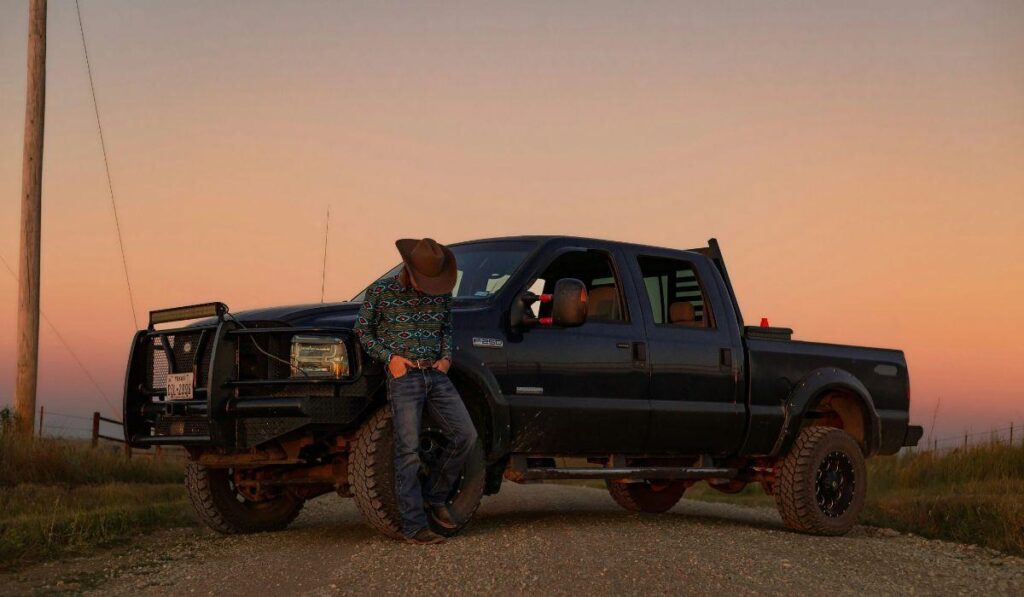
Every serious pickup owner has a story about that one close call—an unexpected deer on a dark highway, a hidden post in a crowded lot, a tight squeeze on a ranch road. Those moments tend to separate decorative gear from real protection. That’s why some drivers prefer front bumpers from Ranch Hand: they want hardware that can take a hit, keep the truck moving, and still look right the next morning.
Ranch Hand gear grew out of work trucks, not show builds. The brand built its reputation on ranches, oil leases, construction sites, and long rural commutes where failure isn’t an option. Today those same bumpers also sit on daily drivers and weekend rigs, but the core idea stayed the same—strong steel, honest design, and protection that actually changes what happens in a bad situation.
What Sets Ranch Hand Bumpers Apart
Plenty of companies advertise “heavy-duty” products. Ranch Hand earned that label by stacking small, practical choices that matter in real use. The brand designs each bumper around a specific frame, ties mounting points directly into the structure of the truck, and keeps the focus on function before styling tricks.
Instead of thin decorative shells, you get thick, diamond-plate steel joined with full welds. Instead of flimsy brackets, you see frame-mounted structures that spread impact loads where the chassis can handle them. That combination gives working owners something they can trust when miles, weather, and bad luck stack up.
Drivers also appreciate that these bumpers aren’t overcomplicated. There is room for lights, recovery gear, and sometimes winches, but the layout stays clean. Cutouts and mounting points sit where they make sense, so wiring and hardware installs feel straightforward instead of experimental.
Key traits that many owners call out include:
- Heavy plate steel construction paired with frame-mounted design for serious impact resistance
- Black powder-coat finish that stands up to road grime, rain, and winter chemicals
- Thoughtful provisions for auxiliary lighting and recovery points on work-focused models
- Bolt-on installation to factory mounting points, no drilling required when matched to the correct application
These details add up to a bumper that doesn’t just look rugged in photos but stays useful after years of real duty.
Real-World Benefits Beyond the Spec Sheet
Most people don’t buy this kind of gear for numbers on a chart. They buy it because they want fewer surprises when something goes wrong. A strong front bumper can help protect radiators, headlights, and grille parts in low-speed collisions or animal strikes that would normally leave a truck stranded.
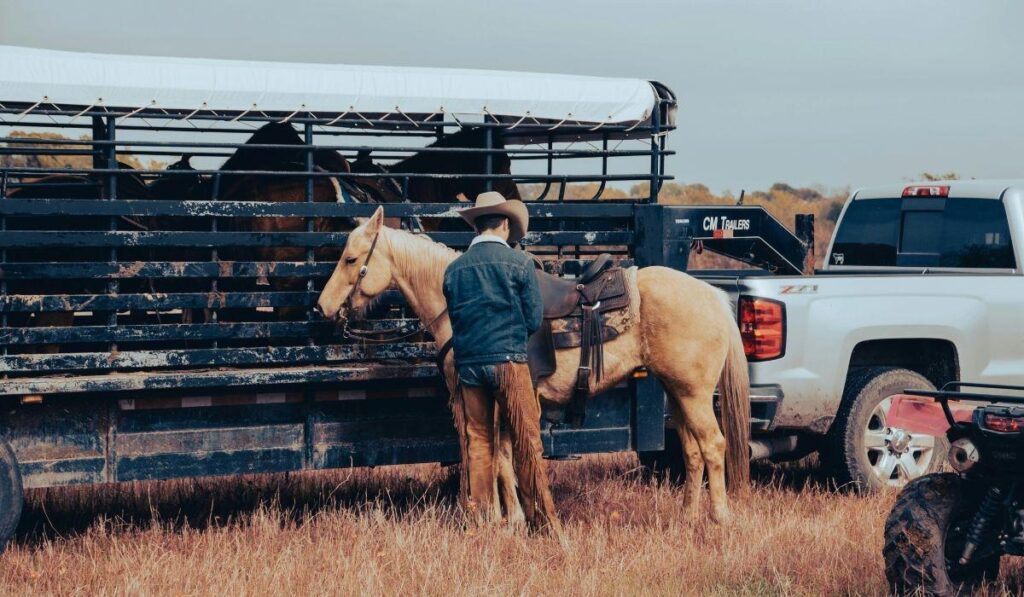
Out on rural highways, full-guard configurations give extra peace of mind when wildlife steps out at the wrong time. On a farm or jobsite, that same structure shrugs off slow bumps with equipment, trailers, or fence posts. In town, the added protection helps reduce the cost of parking-lot mishaps and tight maneuvering around work zones.
There is also a comfort factor. When you know there is serious steel up front, long drives through rough weather feel less stressful. You’re still driving carefully, but you’re not wondering whether a small mistake will turn into a huge repair bill.
Overview of Popular Ranch Hand Series
Although every Ranch Hand bumper shares a common attitude, the line is split into families aimed at different needs. That lets owners match protection and weight to how each truck is actually used.
The Legend lineup focuses on maximum strength. These bumpers use plate steel combined with heavy pipe structure to deliver full-front coverage on three-quarter-ton and one-ton pickups. They feel at home on cattle haulers, equipment rigs, and any truck that spends its life towing or working in rough areas.
The Summit range keeps the signature Ranch Hand look but with a slightly leaner build. It still offers solid front-end shielding with a recognizable center guard, yet it trims some mass compared with the heaviest designs. Many daily drivers and mixed-use work trucks land here because the balance between toughness and weight feels right.
The Sport family leans into a sharper, more modern profile. It still incorporates plate and pipe, still means business, yet brings a bit more visual edge. Owners who want a bold face for their trucks without stepping up to the bulkiest guard systems often look in this direction.
Finally, the Midnight series aims for a lighter, sleeker approach while staying true to the brand’s work roots. These bumpers prioritize reduced weight and abundant lighting options, making them popular with drivers who log long miles before sunrise or after dark.
How Drivers Choose the Right Ranch Hand Bumper
Picking among these options starts with a simple question: what kind of days does your truck see most often? A rig that pulls livestock through open country needs different armor than a pickup that spends weekdays in town and weekends on trails.
Owners who face regular contact with animals, brush, or jobsite hazards often lean toward full-guard setups from the Legend or Summit families. Those who want improved protection and utility without changing the truck’s visual weight as much may turn to Sport or Midnight models. Both of those still upgrade strength and function while keeping the front profile a bit tighter.
Beyond overall style, experienced buyers pay attention to details such as:
- Whether the bumper design supports parking sensors or cameras on modern trucks
- Space and brackets for cube lights, light bars, or fog units
- Recovery options like reinforced points and tow hook cutouts for occasional pulls
- Total weight and how it might interact with existing suspension or leveling kits
Matching these factors to how the vehicle works each week leads to fewer compromises and more satisfaction over the long haul.
Why Ranch Hand Keeps Its Place in Truck Culture
Many brands arrive looking bold for a few years, then fade when real-world results don’t match the promise. Ranch Hand has done the opposite. The company’s products spread from ranch gates and oil leases to highways and suburbs because they kept delivering in quiet ways—fewer broken grilles, fewer bent cores, fewer days lost waiting for parts.
In that sense, the appeal of these bumpers isn’t complicated at all. They give drivers a straightforward answer to a simple question: when the road gets rough, do you want decoration up front—or real protection built to earn its keep, day after day?