
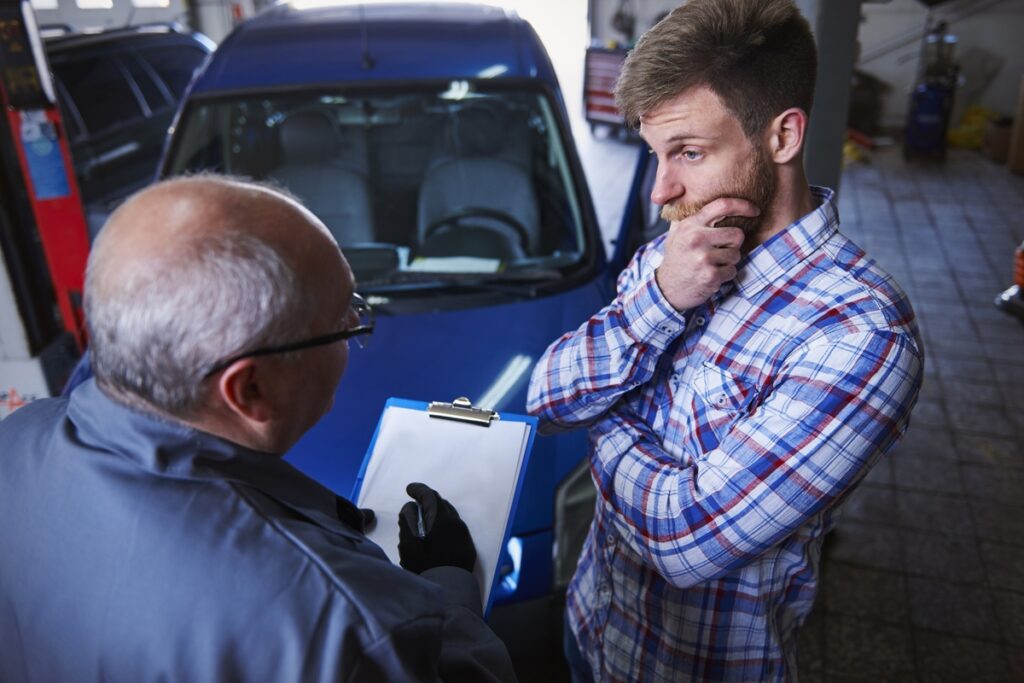
As a fleet manager, you understand that keeping your vehicles in top condition is not only about efficiency but also about compliance. One of the most critical aspects of fleet safety and compliance is the DOT Inspection. Staying prepared for a Department of Transportation (DOT) inspection is a proactive step that safeguards your drivers, your vehicles, and your business reputation.
To help you navigate this crucial process, here is a comprehensive DOT inspection checklist designed to keep your fleet fully compliant, minimize downtime, and enhance overall safety performance.
In This Article:
Understanding the Importance of DOT Inspections
Before diving into the checklist, it is essential to understand why DOT inspections matter. These inspections are mandated by the Federal Motor Carrier Safety Administration (FMCSA) to ensure that commercial motor vehicles (CMVs) meet strict safety standards.
A failed inspection can lead to violations, hefty fines, or even having a vehicle placed out of service. More importantly, consistent failures can damage your company’s compliance record and increase insurance costs. On the other hand, a clean inspection record reflects professionalism, accountability, and operational excellence.
Know the Different Levels of DOT Inspections
DOT inspections come in several levels, each focusing on different aspects of vehicle and driver compliance. Familiarizing yourself with these levels allows you to better prepare and address potential issues before they escalate.
Level I – Full Inspection
This is the most comprehensive type of DOT inspection. It involves a detailed examination of both the driver and the vehicle. During this inspection, officers check critical components such as the brakes, tires, lights, and load security, as well as the driver’s documentation and credentials.
Level II – Walk-Around Inspection
The Level II inspection is very similar to the Level I inspection, but it is slightly less extensive. The main difference is that inspectors do not check underneath the vehicle. Instead, they perform a thorough walk-around assessment of all visible parts and ensure that the driver’s paperwork is in order.
Level III – Driver-Only Inspection
A Level III inspection focuses entirely on the driver. Inspectors review the driver’s credentials, including the commercial driver’s license (CDL), medical certificate, hours-of-service (HOS) records, and other required documentation to ensure compliance.
Level IV – Special Inspection
This type of inspection is conducted to evaluate a specific component or issue. For example, if there is a recurring concern with a certain type of brake system or equipment, inspectors may perform a Level IV inspection to study that particular area in detail.
Level V – Vehicle-Only Inspection
A Level V inspection is performed without the driver being present. It focuses entirely on the vehicle’s mechanical condition and safety features. It ensures that all systems meet regulatory standards.
Level VI – Enhanced NAS Inspection
The Level VI inspection applies specifically to vehicles transporting hazardous or radioactive materials. This inspection is more stringent and follows enhanced standards to ensure the utmost safety during the transportation of dangerous goods.
Pre-Trip Inspections: Your First Line of Defense
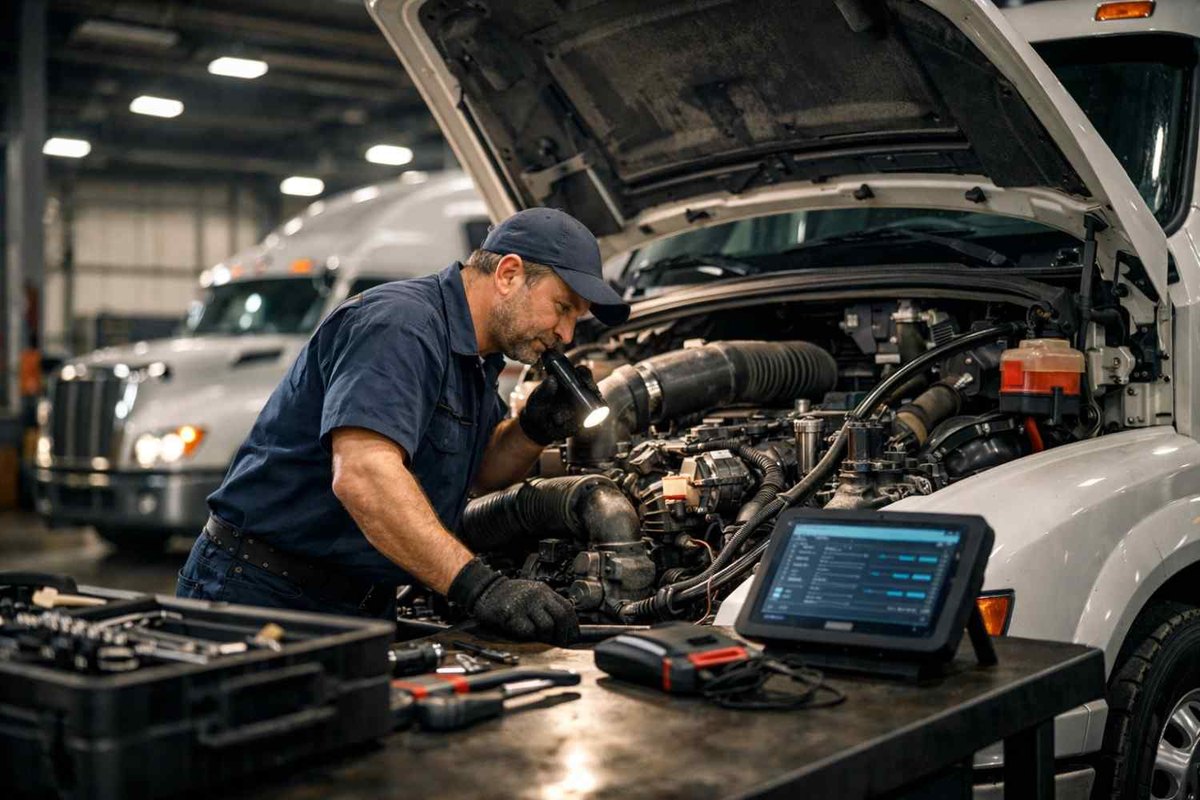
Every journey should begin with a thorough pre-trip inspection. Encouraging your drivers to conduct daily walk-around checks ensures that small issues are caught before they become costly violations.
A solid pre-trip inspection includes:
- Checking tire pressure, tread depth, and overall condition.
- Inspecting brake systems for leaks or worn components.
- Ensuring headlights, brake lights, and indicators function properly.
- Confirm that windshield wipers, mirrors, and windows are clean and undamaged.
- Verifying fluid levels such as oil, coolant, and windshield washer fluid.
- Testing horns, seatbelts, and emergency equipment.
- Ensure no fluid leaks under the vehicle.
Keeping Your Fleet Compliance-Ready: Essential Inspection Elements
Let us explore the key components that every fleet manager must monitor and manage effectively.
- Documentation and Recordkeeping
Strong documentation is the foundation of successful DOT inspections. Many compliance issues arise not because of poor performance but due to missing or inaccurate records. To stay compliant, ensure every vehicle and driver file is complete and updated regularly.
Each driver should have a valid commercial driver’s license (CDL), medical certificate, and any required endorsements. Vehicle documentation must include registration, annual inspection reports, and maintenance logs. It’s equally important to maintain up-to-date Hours of Service (HOS) data through your electronic logging device (ELD).
Do not overlook proof of insurance. Every unit in your fleet must carry current coverage and keep an accident register that records any incidents from the past three years.
- Regular Preventive Maintenance
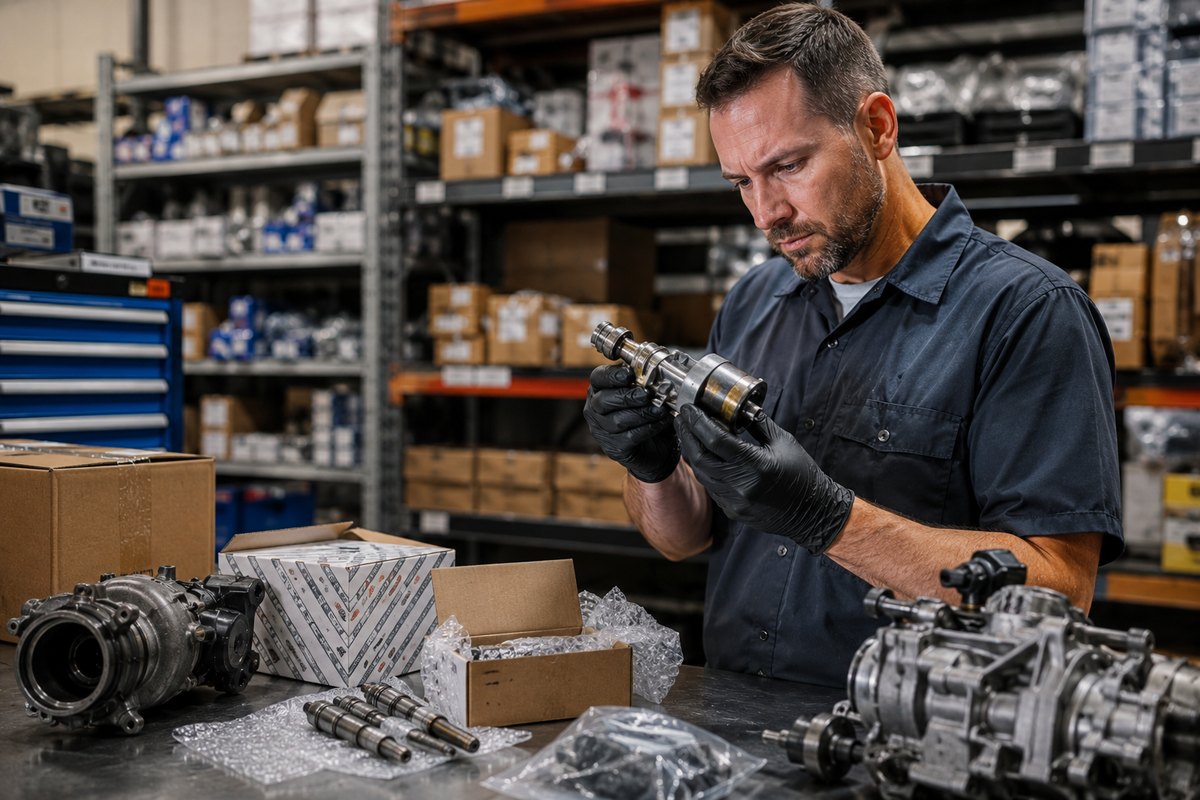
Preventive maintenance (PM) keeps your vehicles safe, reliable, and compliant. A consistent maintenance schedule helps identify potential issues before they turn into costly breakdowns or inspection failures.
Routine PM should include thorough brake inspections, tire rotation and alignment checks, and regular oil and filter changes. Pay close attention to the suspension, steering, and exhaust systems, as well as electrical components and battery performance. These steps not only extend your vehicle’s lifespan but also build confidence during DOT inspections.
- Brake System and Tire Condition
Brakes and tires are among the most common sources of DOT violations, making them critical focus areas for any fleet. Regularly check your brake system for air leaks, worn linings, and proper adjustment. Make sure air brake warning systems work correctly and test emergency brakes as part of your maintenance routine.
Similarly, tire care is essential. Ensure each tire is properly inflated according to manufacturer guidelines. Tread depth should be at least 4/32 inch on steer tires and 2/32 inch on all others. Replace any tire that’s damaged or mismatched immediately to prevent violations and improve road safety.
- Lights, Signals, and Reflectors
Lighting violations are surprisingly common and easily preventable. Make it a habit to inspect all exterior lights, including
- Headlights
- Taillights
- Brake lights
- Turn signals
Ensure that reflectors are clean, intact, and positioned correctly. Do not forget to verify that your license plate and clearance lights are functioning properly. A quick daily walk-around inspection can eliminate most lighting issues before they lead to citations.
- Cargo Securement and Load Safety
Proper cargo securement is about safety. Every load must be balanced and secured according to FMCSA regulations to prevent shifting or falling during transit. Use strong, undamaged tie-downs and ensure tarps, straps, and chains meet load requirements. For fleets handling hazardous materials, make sure all items are clearly labeled and properly documented before departure.
- Driver Readiness and Conduct
Finally, remember that your drivers play a vital role in maintaining compliance. Their preparedness and professionalism can significantly influence inspection outcomes. Encourage them to stay courteous, cooperative, and well-organized during inspections.
Drivers should always know where to find required documents, understand how to operate the ELD system, and strictly follow rest and service-hour rules. Promptly reporting any issues or violations ensures that problems are addressed before they escalate.
Partnering with a Professional Inspection Service
Managing all aspects of compliance can be overwhelming, especially for large fleets. Partnering with a trusted fleet service provider ensures your vehicles are inspection-ready at all times.
Professional services, like Mobile Wrench Fleet Services, specialize in on-site DOT inspections, preventive maintenance, and compliance support. Their certified technicians help identify potential issues early to minimize downtime and ensure that your fleet meets all FMCSA standards.
Final Thoughts
Passing a DOT inspection should never feel like a gamble. When you follow a structured checklist and maintain disciplined fleet management practices, compliance becomes second nature.
By focusing on preventive maintenance, thorough documentation, and consistent training, you not only prepare for inspections but also build a culture of safety and responsibility across your organization.
Stay proactive, stay compliant, and keep your fleet road-ready. Because when your fleet operates with confidence, your business moves forward without interruption.