
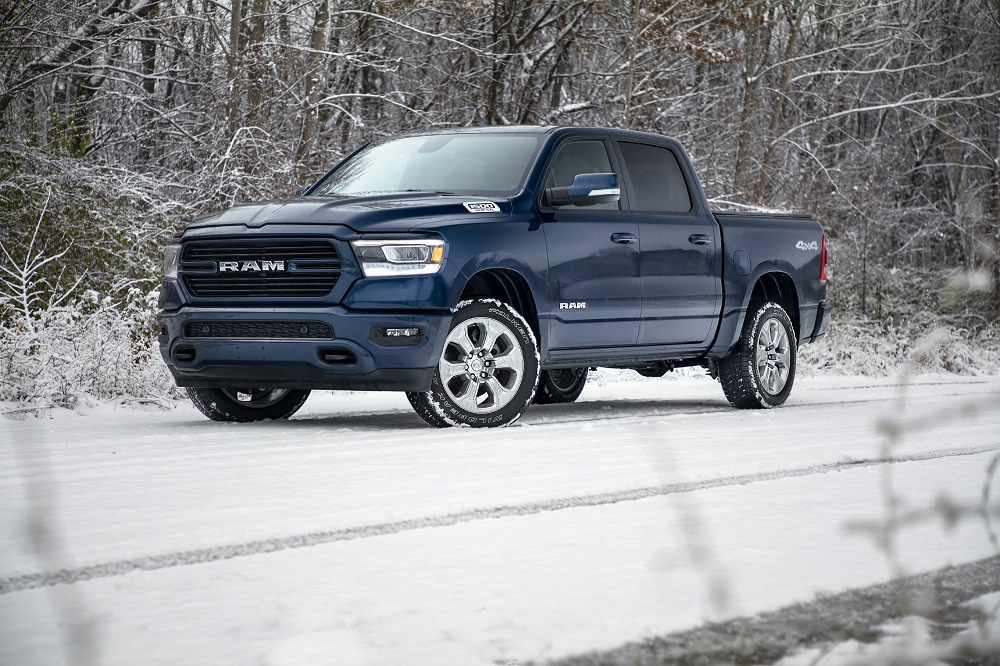
Winter can be unforgiving, especially for powerful vehicles like Dodge cars and Ram trucks that are built for performance, towing, and heavy use. Snow, ice, road salt, moisture, and long periods of inactivity can quietly cause damage if your vehicle is not stored correctly.
Proper winter storage is not just about parking and covering your vehicle—it is about preserving mechanical integrity, appearance, and long-term value. This guide walks through everything you need to know to store your Dodge or Ram vehicle safely and effectively during the winter months.
In This Article:
Why Winter Storage Matters for Dodge and Ram Vehicles
Dodge and Ram vehicles are designed to handle tough conditions, but winter introduces challenges that go beyond normal driving wear. Freezing temperatures can affect batteries, fluids, tires, seals, and fuel systems. Moisture encourages rust and corrosion, while road salt accelerates undercarriage damage. Even vehicles kept indoors can suffer from flat spots on tires, drained batteries, and interior deterioration if stored incorrectly. Thoughtful preparation prevents these issues and ensures your vehicle is ready when warmer weather returns.
Choosing the Right Storage Location
Selecting the proper storage environment is one of the most important steps in winter vehicle care. A climate-controlled garage is ideal, as it limits temperature swings and reduces moisture exposure. If climate control is not available, a dry, enclosed garage is still far better than outdoor storage. Outdoor storage should be considered a last resort and requires additional protective measures.
Before committing to a storage space, inspect the structure for leaks, condensation, and airflow. Some owners even document the condition of the building with a measured building survey to ensure the space remains suitable throughout the season, especially in shared or commercial storage facilities.
Cleaning and Protecting the Exterior
Thoroughly cleaning your Dodge or Ram before storage is essential. Dirt, grime, and salt residue trap moisture and accelerate corrosion. Wash the exterior, paying close attention to wheel wells, the undercarriage, and lower body panels. After washing, allow the vehicle to dry completely.
Applying a coat of wax adds a protective barrier against moisture and dust. Chrome trim and exposed metal components benefit from a light protective spray or rust inhibitor. If storing indoors, use a breathable car cover designed to prevent condensation buildup. For outdoor storage, choose a weather-resistant cover that is securely fastened to withstand winter winds.
Preparing the Engine and Fluids
Proper fluid management helps prevent cold-weather damage during long-term storage. Start by checking the oil and changing it if it is near the end of its service life. Used oil contains contaminants that can cause internal corrosion over time.
Ensure coolant levels are correct and that the antifreeze mixture is suitable for freezing temperatures. Top off windshield washer fluid with a winter-rated solution. Fuel should be either stabilized or mostly drained, depending on how long the vehicle will sit. Adding a fuel stabilizer and running the engine briefly allows it to circulate through the system and prevent fuel degradation.
Battery Care During Cold Months
Cold temperatures significantly reduce battery performance. If your Dodge or Ram will be stored for several weeks or months, disconnecting the battery is highly recommended. For best results, remove the battery entirely and store it in a cool, dry place where it will not freeze.
Alternatively, use a battery maintainer or trickle charger to keep the battery at an optimal charge level. Avoid periodically starting the vehicle without driving it, as this can actually drain the battery further and introduce moisture into the engine and exhaust system.
Tire Protection and Suspension Support
Extended storage can cause flat spots on tires, especially on heavy Ram trucks. Inflate tires to the upper end of the recommended pressure range to reduce this risk. If possible, move the vehicle slightly every few weeks to redistribute weight.
For long-term or high-value storage, placing the vehicle on jack stands can completely eliminate tire stress and reduce strain on suspension components. If using jack stands, ensure they are positioned correctly to avoid frame or suspension damage.
Protecting the Interior from Cold and Moisture
Interior protection is often overlooked but just as important as mechanical care. Remove all food items, trash, and personal belongings to prevent odors and mold. Vacuum carpets and seats thoroughly, and clean leather surfaces with a conditioner to prevent cracking.
Place moisture absorbers inside the cabin to reduce humidity buildup. In some storage environments, especially rural or older buildings, pest control becomes a necessary consideration to prevent rodents from nesting in seats, ducts, or wiring during the winter months.
Preventing Rust and Undercarriage Damage
Rust is one of the biggest threats to winter-stored vehicles. Even if the vehicle is not being driven, residual moisture and salt can continue to corrode metal components. After cleaning the undercarriage, consider applying a rust inhibitor or underbody protection spray.
Pay attention to brake components, exhaust systems, and suspension parts, as these areas are particularly vulnerable. Keeping the storage area dry and well-ventilated further reduces the risk of corrosion over time.
Managing Long-Term Storage Without Driving
If your Dodge or Ram will not be driven at all during winter, avoid the temptation to start it periodically unless you can drive it long enough to reach full operating temperature. Short run times can create condensation inside the engine and exhaust system, leading to internal corrosion.
Instead, focus on preventative measures such as fuel stabilization, battery maintenance, and proper sealing. Periodically inspecting the vehicle for leaks, pests, or moisture issues is far more beneficial than intermittent cold starts.
Preparing for Spring Reuse
When winter ends, proper reactivation is just as important as storage preparation. Reconnect or reinstall the battery, check all fluid levels, and inspect belts, hoses, and tires. Remove any covers and clean off dust or residue.
Before driving, start the engine and allow it to idle briefly while monitoring for warning lights or unusual sounds. A short inspection drive helps confirm that brakes, steering, and suspension are functioning correctly before returning to normal use.
Winter Storage Done Right Means Fewer Repairs Later
Storing your Dodge or Ram vehicle during winter months is an investment in reliability, performance, and longevity.
By choosing the right storage location, protecting mechanical systems, and safeguarding the interior and exterior, you reduce the risk of costly repairs and unnecessary wear. Whether you store your vehicle for a few weeks or an entire season, careful preparation ensures it remains ready to perform when winter finally loosens its grip.