
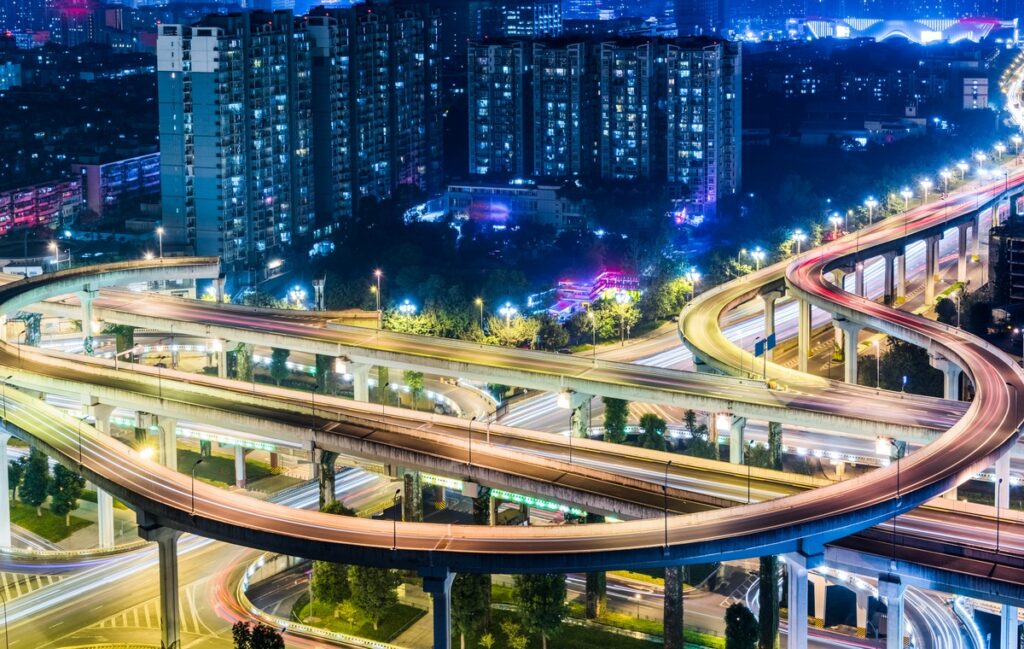
Cities across the UK are rethinking how people move. What used to be a system built mainly around private cars is now shifting toward something more balanced, where public transport, shared mobility, and walking all play a bigger role. This change isn’t just about convenience; it’s being driven by rising congestion, stricter environmental targets, and the need to make cities easier to live in.
In This Article:
Smarter Journeys and the Rise of Integrated Travel
One of the clearest changes is how journeys are planned and managed. Instead of using separate tickets and apps for each part of a trip, many people now rely on integrated systems that bring everything together. This approach, often called Mobility-as-a-Service, lets users plan a journey from start to finish in one place, whether that includes a train, a bus, or a bike.
A big part of making this work is solving the “last-mile” problem getting from a major transport hub to the final destination without delays or confusion. That’s where services like airport transfer options fit in. They give travellers a reliable way to complete their journey, especially when timing matters, such as catching a flight or arriving in a new city.
Manchester is a strong example of how integration is improving daily travel. With the rollout of the Bee Network, buses, trams, and active travel routes are being connected under one system. This has made routes easier to understand and has encouraged more people to use public transport instead of driving.
London has taken a similar approach for years with contactless payments and the Oyster system, but newer platforms are now going further by combining real-time updates, route planning, and flexible ticketing into a single experience.
Cleaner Cities and a Shift in Priorities
Environmental pressure is one of the main reasons behind these changes. Transport is still one of the largest sources of emissions in the UK, so cities are under pressure to reduce pollution quickly.
Clean Air Zones and Low Emission Zones are now common in major urban areas. These schemes charge or restrict high-emission vehicles, which has pushed many drivers toward electric or hybrid options. In London, the expansion of the Ultra Low Emission Zone has already led to noticeable improvements in air quality.
But it’s not just about vehicles. Cities are also changing how streets are used. In places like Birmingham, roads that once carried heavy traffic are being redesigned with wider pavements, cycle lanes, and green areas. The idea is simple: streets should work for people, not just cars.
Electric vehicles are becoming more common as well, supported by a growing number of charging points. This includes not just private cars but also buses, taxis, and delivery vans, which all play a part in reducing overall emissions.
Investment in Infrastructure and New Technology
Long-term investment is shaping how people will travel in the future. Projects like HS2 are designed to cut travel times between major cities and increase capacity on existing rail lines. While these projects take time, they are expected to change how people move between regions.
At the same time, smaller upgrades are happening within cities. Smart traffic systems are being introduced to manage congestion more efficiently, using real-time data to adjust signals and reduce delays.
There’s also growing interest in automation. Self-driving vehicle trials are already taking place in controlled environments, including shuttle services and taxis. These are still in early stages, but they show how technology could eventually reduce human error and improve road safety.
Data, Policy, and the Role of Local Authorities
Behind these visible changes is a quieter but equally important shift in how transport is managed. Local authorities now rely heavily on data to make decisions about traffic flow, public transport routes, and infrastructure spending.
Real-time data from sensors, mobile apps, and connected vehicles allows cities to respond more quickly to congestion and disruptions. For example, councils can adjust traffic signals, reroute buses, or deploy additional services during peak times based on live demand.
Policy is also playing a bigger role. Devolution has given regions like Greater Manchester more control over their transport systems, allowing them to design solutions that fit local needs rather than relying on national frameworks. Funding programs such as the Transforming Cities Fund are helping support these changes, with a focus on improving access, reducing emissions, and encouraging public transport use.
At the same time, there is a growing emphasis on accessibility. Transport systems are being designed to serve a wider range of users, including older adults and people with disabilities, ensuring that mobility improvements benefit everyone not just regular commuters.
Active Travel and Everyday Mobility
Another noticeable shift is the rise of walking and cycling as everyday travel options. This isn’t just about fitness, it’s about practicality. Short trips, especially in busy cities, are often faster and cheaper on foot or by bike.
To support this, local councils are investing in better infrastructure. Protected cycle lanes, improved crossings, and traffic-calming measures are making it safer for people to choose these options.
E-bikes and shared scooters have also become more common, offering a middle ground between walking and public transport. They’re especially useful for short distances or areas that aren’t well served by buses or trains.
In London, cycling numbers have grown steadily, and similar patterns are appearing in other cities as infrastructure improves.
What This Means Going Forward
Urban mobility in the UK is moving toward a system that is more connected, more flexible, and less dependent on private cars. It’s not a single solution but a mix of options that work together.
For everyday users, this means more choice and often more reliable journeys. For cities, it means cleaner air, less congestion, and better use of space.
The overall direction is clear: transport is becoming something that fits around people’s lives, rather than something people have to work around.