

In today’s used car market, inspection reports have become one of the biggest sources of trust. For any buyer navigating the journey of buying a used car in India, the inspection report serves as the ultimate certificate of quality, a document that dives deep into the vehicle’s mechanical health. Promptly recognising the need and importance of inspections, leading used car platforms offer in-depth inspection to ensure standardised quality and to bridge the trust gap that has long plagued the used car market.
However, while the existence of an inspection report is a positive step, merely having one is not enough. The uncomfortable reality is that not all inspections are in-depth and transparent. For buyers to truly gauge the quality of the used cars they love, it is crucial for them to understand the nuances of how these inspections are conducted, the inherent limitations of the process, and what separates a superficial check from a genuine forensic audit.
In This Article:
The Need for Pre-Listing Inspections
For decades, the traditional used car market in India was haunted by a sense of inequality, where the seller always knew more about the vehicle’s history than the buyer. This knowledge gap led to mistrust, making negotiations tense. Without transparency, the buyer constantly questioned the seller’s honesty, preventing a fair, mutually agreeable transaction. A comprehensive pre-listing inspection serves as the biggest tool capable of levelling this unequal playing field and empowering buyers with the knowledge required to make an informed decision.
In an ideal ecosystem, a pre-listing inspection serves multiple crucial functions. First, it establishes a baseline of truth, allowing the vehicle to be priced accurately based on its actual condition rather than its perceived market value based on subjective opinions. Second, it filters out vehicles with structural damage, flood history, or critical mechanical issues, before they ever reach the consumer.
The Harsh Truth About Used Car Inspections
Despite their importance, inspection reports often tend to hide as much as they reveal. For a buyer to make an informed decision, it is important to understand the harsh realities of how most used car inspections are conducted in the market.
The Natural Lapse: Inspections are Limited to Present Issues
One of the most significant, yet rarely discussed, limitations of a used car inspection is that it is fundamentally a real-time assessment. An inspection reflects the vehicle’s quality, health, and condition at the exact moment the technician looks at it. It does not, and often cannot, predict how the vehicle will perform a week, a month, or three months later.
This natural lapse is why most used car problems often surface during the initial ownership period and not during inspections. A component might be functioning within acceptable parameters during a static check or a short test drive, but can potentially fail once the car is subjected to the rigours of daily commuting. This gap between the inspected condition and practical performance is a blind spot that standard inspection reports rarely acknowledge.
The Trap of Psychological Assurance
A second uncomfortable truth about used car inspections is that many inspections are designed for psychological assurance rather than technical thoroughness. In the rush to list cars quickly, the inspection process often devolves into a tick-box exercise.
When an inspection is conducted for the sake of it, the goal is to generate a document that looks comprehensive to the untrained eye, rather than to actually uncover hidden faults. These superficial scans often lack deep, in-depth checks such as compression testing, thorough underbody examination for rust, or extended road tests to check for transmission lags. The result is a report that gives the buyer a false sense of security while leaving the vehicle’s actual mechanical vulnerabilities exposed.
The Reliability Lapse
In many cases, inspections are conducted either purely digitally (relying on seller-uploaded photos) or through local mechanics who, while experienced, may lack professional training on modern vehicle diagnostics.
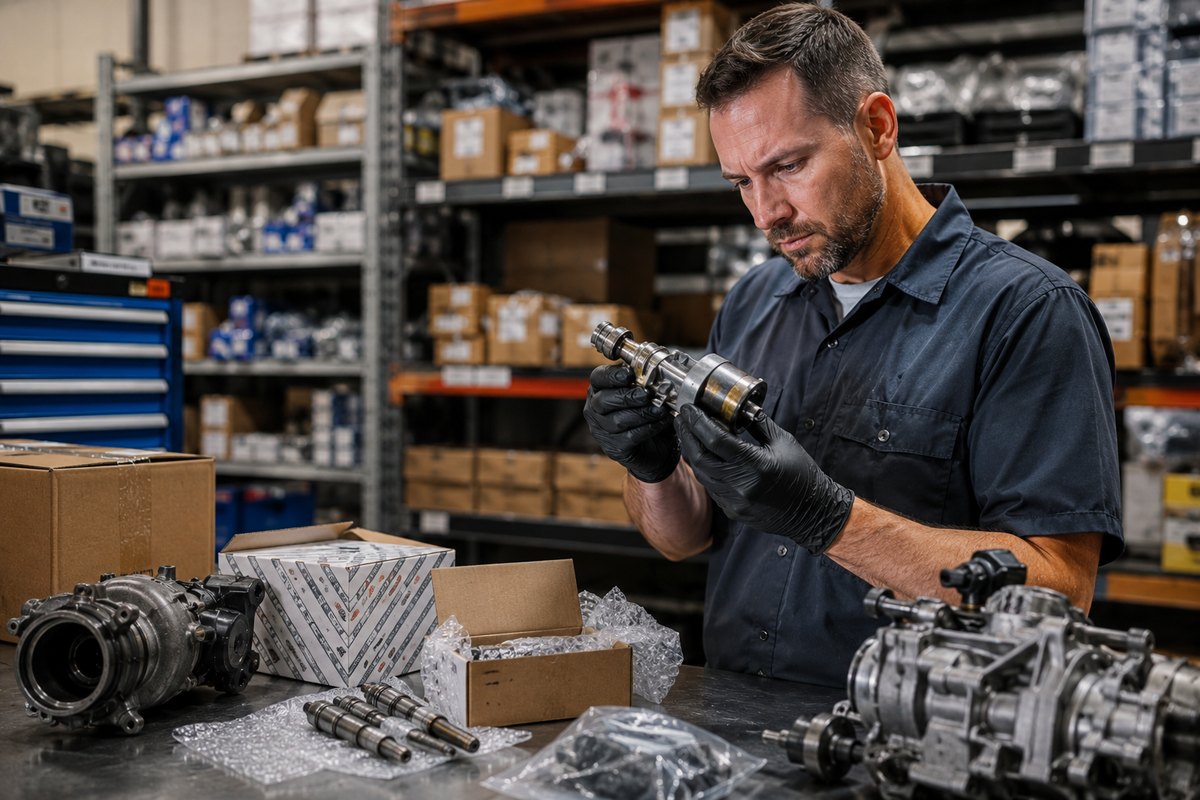
A local mechanic might be excellent at fixing a specific breakdown but may not possess the standardised protocol required to assess a modern vehicle’s sophisticated electronics and sensors. Without professional training and access to advanced diagnostic tools, these inspections can be subjective and unreliable, leading to untrustworthy reports that vary wildly in quality.
How Cars24 is Addressing These Limitations
Recognising the gaps in used car inspections, leading used car platform Cars24 has engineered its inspection processes to address these specific vulnerabilities, moving beyond simple inspections to comprehensive quality assurance.
The 30-Day Repair Assurance and 30-Day Return Policy
To effectively address the fact that even the most rigorous inspection process cannot predict every future failure, the platform offers a robust post-purchase safety net through its 30-day repair assurance and the 30-day return policy for every used car under its platform-owned inventory.
The 30-day repair assurance (welcome cover) policy ensures that even if deeply hidden issues slip through the inspection or manifest during the initial ownership period, buyers are protected through assured repairs that cover both major mechanical parts as well as limited wear and tear components. With unlimited repairs at no additional cost, the policy ensures that the initial ownership period (30 days or 1,500 km) offers maximum peace of mind, even for complaints that might have slipped through the inspection.
Additionally, the platform also offers a 30-day return policy that empowers the customer to be the final inspector of the vehicle, and test it the way they want for the first 30-days or 999 km (whichever comes first). If, for any reason, the buyer feels the vehicle isn’t right for them, they can return it for a refund after nominal deductions as applicable. This effectively extends the inspection phase into the ownership experience itself.
Comprehensive Inspection Process
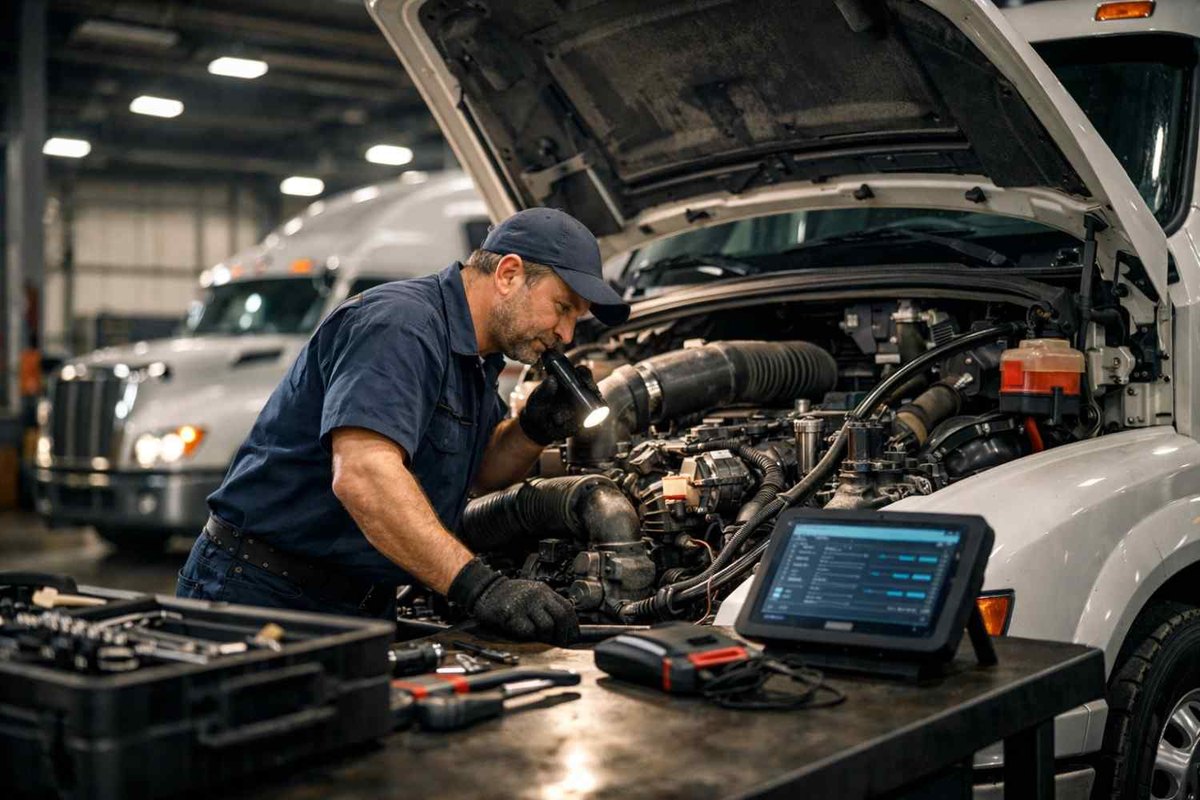
Dismantling the tick box culture, the platform implements a comprehensive 300-point inspection standard that dives deeper than just a surface-level glance through a 10-hour assessment that analyses every aspect of the vehicle. The inspection covers not just mechanical and structural components, but also includes a complete verification of ownership, legal and financial records directly from reliable sources like RTO records and Vaahan Database.
The process utilises modern diagnostic tools, including OBD (On-Board Diagnostics) scanners to read the car’s internal computer for hidden fault codes, and paint gauges (coating thickness gauges) to scientifically detect non-factory paint jobs. This ensures the inspection report provides technical certainty, and not just psychological comfort.
Professional Standardisation
To combat the unreliability of unprofessional inspections, Cars24 relies on a standardised process executed by trained professionals. Leveraging an experience of conducting over 10 lakh inspections since 2015, the platform makes use of its large dataset to ensure maximum accuracy.
Every inspection on the platform is performed by a qualified expert following a strict digital protocol that leaves no room for subjectivity. By combining human expertise with standardised technology, the platform ensures that every aspect of the inspection report is reliable, trustworthy, and reflective of the car’s actual value.
Trust That Goes Beyond Inspections
In a rapidly evolving used car ecosystem, transparent and standardised inspections remain essential for building trust. While traditional inspection methods often fall short due to their inherent limitations, platforms like Cars24 are working to enhance reliability through structured processes and post-purchase assurances. As the used car market continues to mature, greater accountability, deeper inspections, and more transparent inspection reports driven by leading used car platforms will collectively help buyers make more confident and informed decisions.