

Shopping for a used car often feels like a mix of excitement and stress. You want something safe, affordable, and decent to look at, but you also do not want to get stuck with a money pit.
A clear used car buying guide can calm a lot of those nerves because it gives you a plan to follow instead of guessing. By the end of this guide, you will know exactly what to look for, what to ask, and how to walk away if a car is wrong for you.
In This Article:
Used car buying guide: start with your budget and goals
Most used car regrets start before the buyer ever steps onto a car dealer lot. They start with a vague idea like “something cheap” or “something good on fuel” and no clear plan. So you begin by setting the money side and your real-life needs before you even open a listings site.
Work out what you can actually spend
First, decide how much you can put down and what a monthly payment would look like for you. A simple rule many finance experts repeat is to keep all car costs under about twenty percent of your monthly take-home pay. That includes the payment, fuel, insurance cost, registration fees, and basic servicing.
Write that number down clearly. Then look at what that means over three or four years of payments to see the total obligation. If you want a deeper breakdown of running costs and ownership traps, the advice in this buying guide from Wired can give you extra angles to think about.
Do not forget to factor in insurance gas and routine maintenance into your car budget. Older models typically have higher repair costs than newer ones, which can surprise you. It helps to check with different insurance carriers to see how premiums differ between models.
Stop in and have a chat with the team at Enterprise cars in Hamilton. They have a wealth of advice about the best type of car for your budget and financial position.
Decide how you will pay
Some drivers like to pay cash and be done. Others prefer car financing because it keeps savings in the bank and spreads the risk over time. Both routes can work if you read the terms and ask about the total repayable amount.
If you choose to finance, check loan rates at a local credit union before going to the dealership. They often offer lower rates than big banks or the dealer itself. This pre-approval gives you leverage when discussing the final sales price.
You should also consider gap insurance if you are borrowing money for a newer pre-owned vehicle. This covers the difference if the car is totaled and you owe more than the car worth is valued at. It is a small addition that protects you from owing money on a car you no longer drive.
If you want a structured way to think about the numbers, a planning tool such as a used car SWOT template shows how dealers think about stock and pricing. Seeing their side of it can help you understand why some deals look the way they do.
Know what you actually need from a used car
This part sounds obvious, but most people jump straight to looks and brand. They picture a shiny hatchback or a big SUV and skip the daily grind requirements. You should do the opposite by building your short list from your life, not from adverts.
List your must haves and nice to haves
Take five minutes and list what matters in your day. Think about how many seats you really use and what kind of journeys you drive most weeks. If you have a large family, three row suvs might be a necessity rather than a luxury.
Now split your notes into two lists.
- Must haves: number of seats, doors, cargo space, fuel type, safety features.
- Nice to haves: alloy wheels, heated driver’s seat, phone mirroring, sunroof, color.
Be honest about your needs. If you carry kids or pets, a low loading lip and a roomy trunk sit on the must-have list. If you consider electric vehicles, check if your home or work has charging stations nearby.
Think about security systems as well, especially if you park on the street. Some older pickup trucks are targets for theft, so an immobilizer is a good addition. This helps lower your car insurance premiums too.
Match body style to real life
To make it simple, think of your next used car like this.
| Driver type | Best fit body style | Why it works |
| New driver or city driver | Small hatchback | Easy to park, cheap to fuel and insure. |
| Young family | Wagon or small SUV | More cargo space, higher seating, safer feeling. |
| Tradesperson | Van or pickup trucks | Can carry tools and equipment without strain. |
| Long distance commuter | Comfortable sedan or wagon | Better seats, more stable at speed, decent mpg. |
You can mix and match of course. This rough map stops you from chasing shapes that do not fit the life you live every day. It also helps you spot the average price for the specific utility you need.
Research reliable models and smart price ranges
Once you have a budget and needs lined up, then you go hunting for models that match. This is the point where online research pays off significantly. Reliability and costs car owners face vary a lot between brands and the specific year model.
Look up reliability, recalls, and real owner reviews
Use sites that collect road tests, recall data, and reliability ratings to cross-check models. Read at least a handful of long-term reviews and not just short star ratings. Watch out for specific recalls car manufacturers have issued for that year.
Check consumer reports to see which pre-owned cars hold up best over time. They often list common failure points like transmission issues or electrical gremlins. You want a car you’re buying to last without constant visits to the shop.
Guides that focus on the nuts and bolts, such as this piece on how to buy a used car from Forbes, go into detail on pre-purchase checks. That style of slow reading now can save you thousands later. It helps you distinguish between a solid car and a lemon.
Check how prices move and how stock looks
Browse several dealers, both local and online, and note prices for the same car at different mileages. Look for a pattern that shows what seems fair for the age and spec. Pay attention to supply regarding the models typically available in your area.
You can use a car buying service to help compare the sales price across different regions. Sometimes traveling a hundred miles can save money on the purchase price. Just be sure to factor in the travel time and fuel.
Bigger market stories also have an impact. In some regions, like in this report on rising imports in Pakistan, there has been debate around used car imports changing stock and pricing. Reading these bigger picture views keeps you grounded and helps you see if prices seem hot or cold this year.
Plan your search: where to buy and what to watch
Now you move from planning into the hunt itself. You can buy from a private seller on a driveway, from a small local garage, or from a large car dealer that lives on its reputation. Each choice has pros and cons to weigh.
Private sale versus dealer
A private sale might be cheaper at first glance. However, the vehicle is often sold “as is” with no recourse if it breaks down. Consumer rights are weaker here, which matters if something big fails soon after.
A dealer tends to cost a little more upfront because checks and overheads get rolled into the price. However, you might find certified pre-owned cars that come with a limited warranty. A certified pre-owned label usually means the car passed a rigorous inspection.
Always ask about the refund policy or any dispute resolution process before signing. If a car is sold “as is”, make sure you understand that you pay for all repairs immediately. Some dealers offer member services like free oil changes to sweeten the deal.
Online tools and modern car buying shifts
Car shopping is moving closer to ecommerce each year. You can now shop cars from your couch and even arrange home delivery. Start shopping by using filters to narrow down the vast options.
Check the main content of dealer websites for details on their privacy policy and privacy choices. You want to know how your data is handled if you submit a credit score for pre-approval. Legitimate sites usually list their rights reserved information and site map at the bottom.
The used side has changed as well. Many dealers list full stock online with clear photos and video walk-rounds. Treat those tools like a digital buyers guide and use them to filter down before you ever step foot outside.
If English is not your first language, look for an en español option on the dealer’s site. This helps make sure you understand the fine print regarding the warranty runs and terms. Clarity is vital when spending this much money.
Inspecting a used car: bodywork, tires, and inside checks
This is where many buyers get nervous. You might think you have to be a mechanic to spot a bad pre-owned vehicle. You just need a simple process and the patience to stick to it.
Walk around the outside slowly
Walk the whole way around the car and look at it from a few steps back. Check that the panels line up and gaps between doors and fenders look even. Uneven gaps can suggest past body repairs from an accident.
Look at each wheel carefully. Tires should match in size and ideally in brand across an axle. Watch out for worn inner edges, as these hint at poor alignment or suspension issues.
Check the inside for wear and warning signs
Inside the car, sit in the driver’s seat and see how it feels. Heavy wear on the seat bolster and pedals that looks older than the stated mileage is a warning. This can suggest the car has done more miles than the dashboard shows.
Test the windows, air conditioning, wipers, lights, and mirrors. These might sound small, but lots of little faults suggest weak care habits. Compare the condition of this car car to others you have seen to gauge average wear.
Check that the social media icons on the infotainment screen (if present) actually connect to your phone. Modern buyers expect features like Bluetooth to work flawlessly. Broken tech is expensive to fix out of warranty.
Mechanical checks and vehicle history
Once you have a car that looks sound, you go deeper. A used car can look great on the surface and still hide issues in the history or the oily bits. This step keeps your head from being fooled by a fresh wax job.
Run history checks and read the documents
Always ask for a full vehicle history report and read it thoroughly. That includes past inspection records, service receipts, and title details. You want to see regular services roughly every year or so.
A proper history report will tell you if the car was stolen or salvaged. This is critical to avoid issues with identity theft regarding the vehicle’s legal status (like title washing). It also confirms there are no liens so you don’t inherit someone else’s debt.
Many solid guides on how to buy a car in a tight market point out that history and condition trump year and spec. They are right. Shiny wheels do not pay repair bills, but a clean history helps.
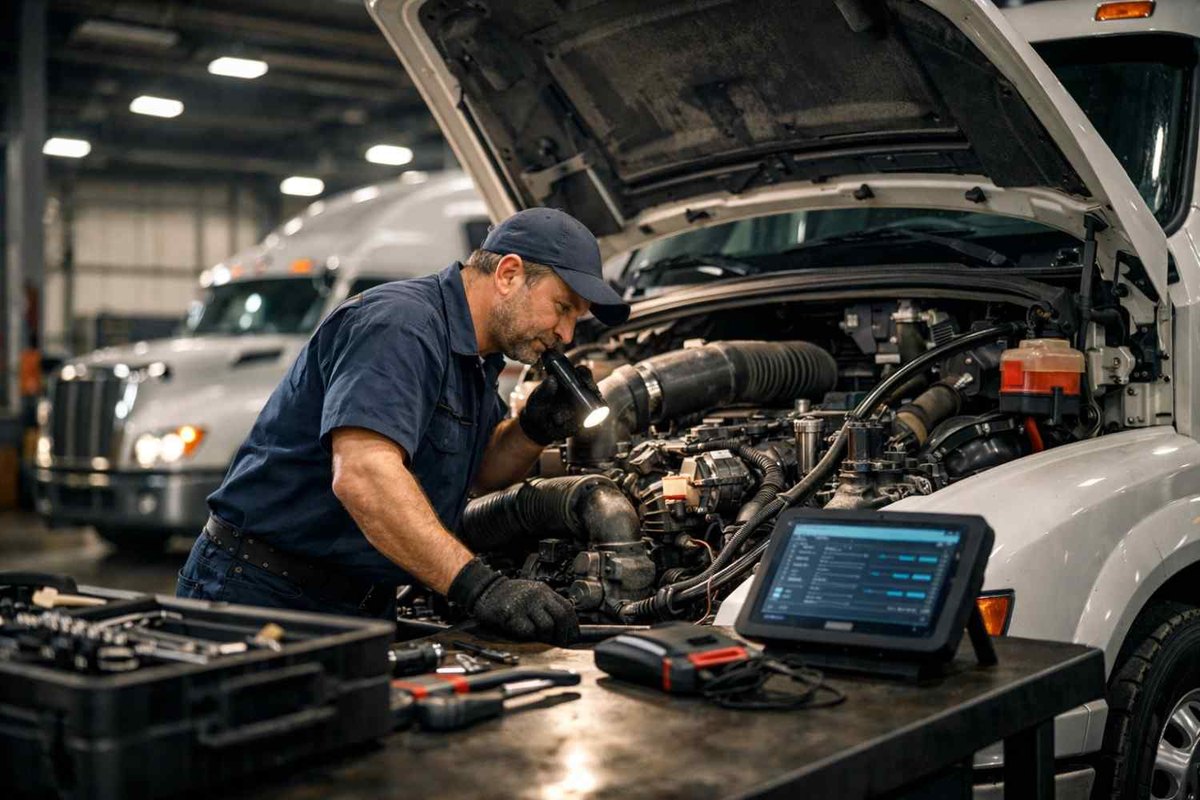
Bring a trusted mechanic or get a pre purchase check
If you are not confident looking under a hood, hire someone who is. A pre-purchase inspection is cheaper than a big repair bill later. Buying inspected vehicles gives you leverage to ask for fixes before you pay.
Listen to the engine start from cold if you can. Smoke or heavy knocking noises at startup are a major warning sign. You do not just buy car buy; you buy the remaining life of its parts.
During the test drive, feel for smooth gear changes. The car purchase should depend on how it drives, not just how it looks parked. If it pulls to one side, the suspension or brakes might need work.
Test drive with a plan, not just a quick spin
The test drive is where many buyers get swept up. You sit in the car you’re thinking of owning, and it feels exciting. Treat the drive as an exam to see if the car fits your needs.
Set a route that covers mixed roads
Ask to drive a mix of speeds during the test. Include low-speed streets, a section at highway speed, and a couple of corners. This shows how the car behaves when it turns, stops, and accelerates.
During the drive, turn off the radio. Listen for wind noise, whistles, knocking over bumps, and any grinding sounds. Notice if the car you’re driving tracks straight or wanders.
Check comfort and controls while you drive
You will spend hours in this car, so comfort matters. Check the seat adjustment and make sure the driver’s seat supports your back. Make sure you can see mirrors clearly and that blind spots do not feel extreme.
Test phone pairing and heating or cooling while you wait at lights. The aim is to make sure the car fits you as a person. It is not just a machine; it is your daily space.
Negotiating, paperwork, and knowing when to walk away
By the time you reach this point, you have a car that passes the first tests. Now you agree on money and finish the paperwork. This is where pressure can creep in from sales staff.
Use your research as your base line
Look back at the notes you took from similar cars online. You now know the going rate for that model. If the sales price is higher, ask why and point to your data.
If the price seems too low, pause and ask questions. That could be fine, but it can also hide a need for upcoming work. Use your research to negotiate and save money on the final deal. If you are looking for advice on finance options check out Auto Finance Direct.
Check all paperwork before you sign
Before any money changes hands, read everything carefully. That includes order forms, finance documents, and warranty booklets. Make sure the VIN on the car matches the VIN on the title and the invoice.
Keep a folder with copies of it all for later. This protects you if a dispute comes up. It also helps when you sell the car on to the next owner one day.
Thinking long term: ownership, shortages, and future value
A smart buyer’s guide should not stop at the moment you get the keys. Long-term costs and peace of mind matter just as much. Market shifts and part costs shape how happy you will feel a few years from now.
Be ready for market shifts and part costs
Over the last few years, the car market has gone through supply issues. Articles that walk through how to stay sane in a tight car buying market show how patience pays off. Being flexible with your color or trim choice helps.
If you pick a model that shares parts with many other cars, your life tends to be easier. Common cars often have more choice in parts and more local garages used to working on them. This keeps the car online and on the road longer.
Treat your car well to keep options open
Once the car is yours, keep the good habits going. Stick to regular services and log repairs in order. Store the documents together in a safe place.
Think of this as building your own mini buying guide for the next owner. You show what you did and why. Buyers tend to reward that history with higher offers when you eventually sell.
In Summary
Buying a second-hand car does not have to be guesswork or luck. With a clear used car buying guide, you move step by step from budget to checks to a deal. You stop reacting to pressure and instead follow your own plan.
Think about the used car buying guide process like any solid big purchase plan. You would not pick a house without checking the history, so do not do that with a car. Take your time, keep your notes close, and walk away if something feels off.
The right used car should fit your budget, your daily life, and your comfort level. If you treat the search as a careful project, you give yourself the best shot at driving away happy. You will stay happy long after the first few weeks have passed.