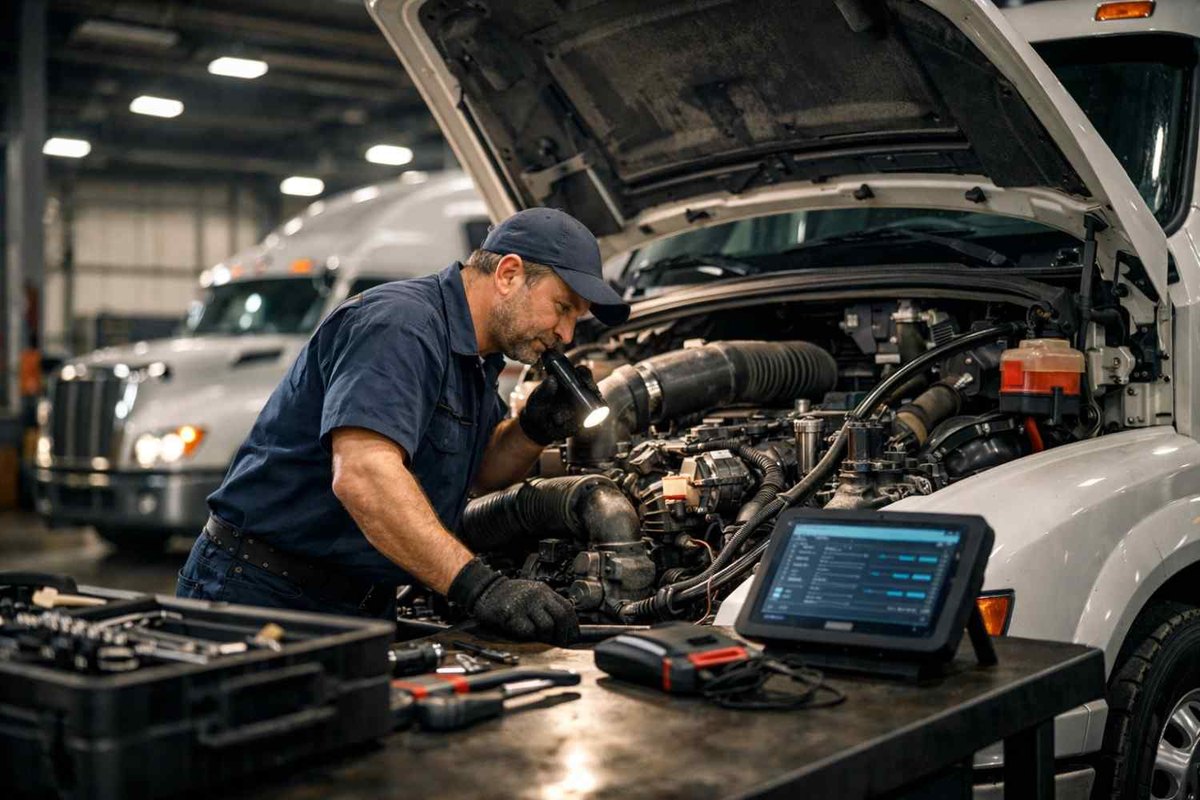

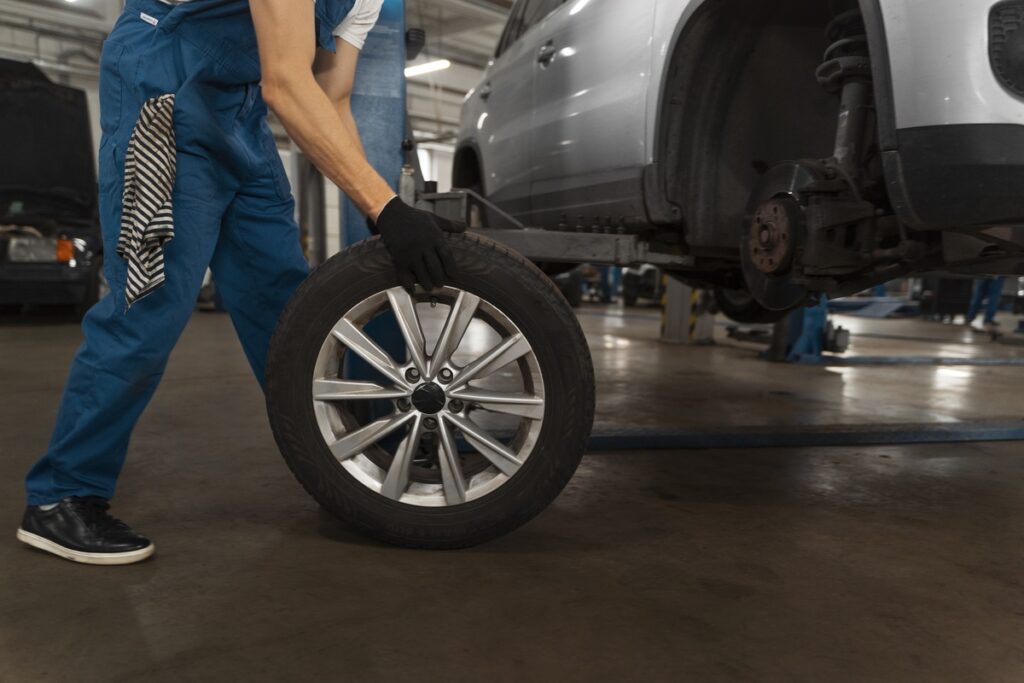
In the world of automotive maintenance, one often-overlooked but critical component is wheel balancing. The importance of a balanced wheel goes beyond a smooth driving experience; it influences the overall stability, performance, and safety of a vehicle. Tire balancing machines, also known as tire-balancing machines, play a crucial role in achieving this balance. Understanding how these machines work and the effect they have on ride quality and vehicle stability can lead to improved maintenance practices and enhanced vehicle performance.
In This Article:
The Role of Wheel Balancing in Vehicle Performance
Wheel balancing refers to the process of ensuring that a wheel and tire assembly rotates evenly around its axis. This is done to correct any imbalances in the distribution of weight along the wheel. Without proper balancing, an uneven distribution of weight can lead to vibrations, tire wear, and even structural damage over time. An imbalance typically occurs when one part of the tire or wheel is heavier than another, often caused by the manufacturing process or wear and tear on the tire.
A properly balanced wheel ensures that the vehicle handles predictably, absorbs road shocks more effectively, and maintains consistent contact with the road surface. It is integral to the overall performance of the vehicle, from acceleration to braking and cornering.
How a Tire-Balancing Machine Works
A tire-balancing machine, or wheel balancing machine, is designed to identify and correct these weight imbalances. The machine works by spinning the wheel and tire assembly at high speeds to simulate real-world driving conditions. Sensors on the machine detect areas where the wheel or tire is heavier, and the machine provides a report indicating where balancing weights need to be added or removed to achieve equilibrium.
The machine can detect imbalances along two primary axes: the radial and lateral. Radial imbalance occurs when the tire’s weight distribution varies along the circumference, while lateral imbalance happens when the weight is uneven across the width of the tire. The tire-balancing machine then guides technicians on how to place the correct amount of weight on the wheel to neutralize these imbalances.
The Impact on Ride Quality
One of the most noticeable effects of unbalanced tires is a poor ride quality. When wheels are not properly balanced, vibrations are generated that can be felt throughout the vehicle. These vibrations can be most prominent at higher speeds, leading to an uncomfortable driving experience. The discomfort often manifests as a shaking or wobbling sensation in the steering wheel or seat. These vibrations are not only unpleasant but can also lead to further complications with other vehicle components.
Vibrations caused by unbalanced tires can accelerate wear on steering components, suspension parts, and even the tires themselves. Over time, drivers may notice uneven tire wear, where certain parts of the tire wear down faster than others. This can shorten the lifespan of the tires and lead to the need for premature replacements. When wheels are properly balanced using a tire-balancing machine, these vibrations are eliminated, leading to a smoother ride.
Proper tire balancing allows for the even distribution of forces as the vehicle moves, reducing the chances of bounce, oscillation, or vibration. As a result, the vehicle becomes more comfortable to drive, and the likelihood of experiencing discomfort or fatigue is significantly reduced.
Vehicle Stability and Safety
Another critical aspect of wheel balancing is its direct impact on vehicle stability and safety. When a wheel is out of balance, it can affect how the vehicle handles, especially during high-speed driving, braking, and cornering. The primary issue arises because imbalanced wheels cause uneven forces to be applied to the vehicle’s suspension system. These uneven forces can cause the suspension to work harder than it should, leading to instability in the vehicle’s handling.
In addition, unbalanced wheels can affect the braking performance of the vehicle. As the wheels continue to rotate with an imbalance, the suspension system and braking components are subjected to additional stress. This extra load on the braking system can reduce the vehicle’s stopping power, making it more difficult to stop quickly in emergency situations. In extreme cases, unbalanced wheels may also result in tire blowouts or other mechanical failures.
Moreover, unbalanced tires contribute to poor alignment of the steering mechanism. A misaligned or out-of-balance wheel may pull the vehicle to one side, making it harder to steer and control. This issue can become particularly dangerous when driving on highways or in adverse weather conditions, where precise control of the vehicle is essential for maintaining safety.
By utilizing a tire-balancing machine, these stability concerns are addressed. With balanced wheels, the forces exerted on the suspension and braking systems are evenly distributed, resulting in improved handling, quicker response times, and greater overall vehicle stability.
Tire Longevity and Cost Savings
In addition to enhancing ride quality and vehicle stability, wheel balancing can also contribute to the longevity of your tires. Tires that are not properly balanced tend to wear unevenly, with certain spots becoming bald or damaged more quickly than others. As a result, drivers may be forced to replace their tires much sooner than they would if the tires were correctly balanced from the start.
Tire balancing helps distribute the wear more evenly across the surface of the tire. As a result, the tires last longer, providing better value for money. Regularly balancing your wheels, especially when getting new tires or after hitting a pothole or curb, can prevent premature tire wear, reduce the likelihood of unexpected tire failures, and delay the need for replacements.
From a cost perspective, proper wheel balancing also reduces the strain on other vehicle components. When tires are imbalanced, they can put extra stress on suspension and steering components, leading to premature wear on those parts as well. Over time, this can result in expensive repairs and replacements. By investing in regular wheel balancing using a tire-balancing machine, vehicle owners can help prevent these additional costs.
Maintaining Balanced Wheels for Optimal Performance
Given the clear benefits of proper wheel balancing, it is essential for vehicle owners to ensure their wheels are consistently balanced. While tire balancing is often performed when new tires are installed, it’s also important to balance your wheels whenever you experience symptoms like vibrations, uneven tire wear, or changes in handling.
Routine maintenance checks should be performed, especially if you frequently drive on rough roads, hit curbs, or encounter potholes. In these cases, balancing should be checked periodically to ensure the vehicle remains in optimal condition.
While a tire-balancing machine plays a central role in balancing your wheels, it is equally important to work with skilled technicians who understand the intricacies of wheel balancing and other tire-related issues. Professional technicians use the latest technology and techniques to ensure that your tires are balanced correctly, taking into account factors such as the tire’s age, wear, and alignment.
Conclusion
Wheel balancing is a vital aspect of maintaining your vehicle’s performance, safety, and ride comfort. Using a tire-balancing machine allows for precise, accurate balancing that can have a significant impact on the overall driving experience. By ensuring that your wheels are properly balanced, you can reduce vibrations, improve vehicle stability, increase tire longevity, and protect other crucial components of your car.
For any vehicle owner, taking the time to address wheel balancing not only enhances the driving experience but also provides long-term benefits in terms of safety, stability, and cost savings. Whether you’re replacing tires, experiencing handling issues, or simply performing routine maintenance, a tire-balancing machine is a powerful tool that ensures your vehicle stays smooth, stable, and reliable on the road.