
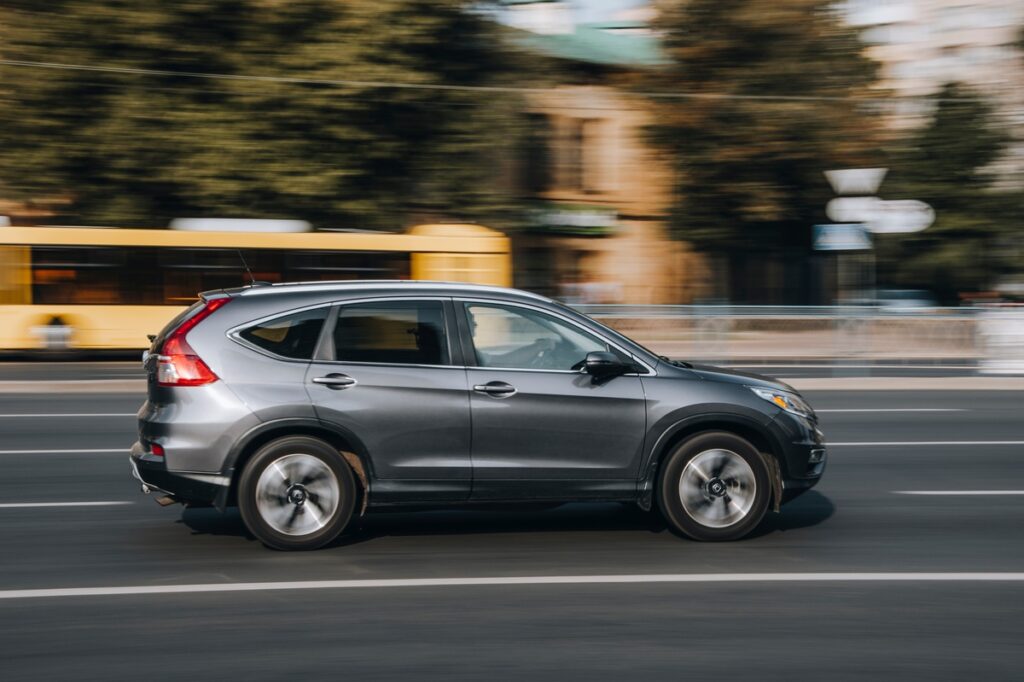
If you own a 2021 Honda CR-V, you have likely seen headlines about fuel pump problems and want a clear answer about your SUV. The biggest Honda fuel pump campaign in recent years is NHTSA Campaign 23V-858, and it targets vehicles built mostly before late 2019, including 2018 to 2020 CR-V and the 2020 CR-V Hybrid, not the 2021 model year CR-V sold in the U.S. market. There is also an earlier fuel pump campaign, NHTSA 21V-215, which expanded an initial 2020 action and again focused on 2018 to 2019 CR-V production, not the 2021 model year.
In This Article:
2021 Honda CR-V Fuel Pump Status
The large December 2023 Honda recall 23V-858 covers 2,539,902 Honda and Acura vehicles with a low-pressure in-tank fuel pump that can fail due to an improperly molded low-density impeller, and the CR-V model years in that action are 2018 to 2020, plus the 2020 CR-V Hybrid. The March 2021 expansion 21V-215 also points to the same impeller issue and lists 2018 to 2019 CR-V among the affected vehicles, which does not include the 2021 model year CR-V. For a 2021 Honda CR-V, the most reliable way to confirm your exact status is to check your VIN on the NHTSA recall lookup and on Honda’s recall site.
There is a separate 2024 high-pressure fuel pump recall that covers newer hybrid models, including the CR-V Hybrid from model years 2023 to 2025, for a different pump that may crack and leak fuel, which again does not include the 2021 CR-V. If your 2021 CR-V shows no open fuel pump recall but you experience stalling or no-start, schedule a dealer inspection, document symptoms, and then Get a free case review if you need help weighing options.
How to Check Your VIN in Minutes
Use the NHTSA VIN tool to see all open safety recalls by entering your 17-character VIN and reviewing your vehicle’s exact campaign list. After that, cross-check on Honda’s official recall portal, which lets you search by model details and view any Honda notices linked to your vehicle. The NHTSA vehicle page for the 2021 Honda CR-V also shows the active recall list for this model year, which is helpful if you are scanning broader safety actions.
If your VIN is covered by a fuel pump recall, the recall notice will spell out the risk, schedule, and the free remedy, and you can ask your dealer about parts availability and timing. If you want a second opinion about your rights, timing, or documentation, you can get a free case review to understand your choices before or after the repair.
What the Honda Fuel Pump Recalls Cover
The big fuel pump campaigns tackle a low-pressure in-tank pump where the impeller was molded with low density, and over time, it can absorb fuel, deform, and bind against the pump body. When that happens, the pump can become inoperative, which may stop the engine from starting or cause the engine to stall while driving. Honda’s remedy is to replace the fuel pump module with an improved design that uses a higher-density impeller and expanded clearances to prevent interference.
Honda reports the supplier improved the fuel pump modules in production on July 23, 2019, by changing impeller density and clearance, which is why later 2021 production is generally outside the low-pressure pump campaign window. For the 23V-858 action, planned owner notification began on February 5, 2024, and owners are eligible for reimbursement if they previously paid for recall-related repairs. If your 2021 Honda CR-V has no open fuel pump recall but you see stalling or no-start, a dealer diagnosis is still covered under normal service processes, with recalls remaining free if later applied.
What to Expect at the Dealer if Covered
For covered vehicles, dealers will replace the fuel pump module at no charge as a recall remedy. Honda’s notices explain the issue, the risk, and the fix, and owner letters direct you to schedule service at an authorized location. Keep your work order, and ask your service advisor to confirm that the part number installed is the improved design specified by the recall.
If parts are temporarily backordered, you will still have a record of the open recall, and the dealer can advise on safety precautions until parts arrive. The NHTSA VIN lookup will continue to show the recall as open until the dealer closes it after repair, so recheck your VIN after the appointment. If scheduling stalls or you have repeat failures, document dates and communications, and consider seeking guidance through a free case review to evaluate next steps.
Key Recall Facts for CR-V Owners
| Item | Details |
| Largest low-pressure fuel pump recall | NHTSA 23V-858 affects 2,539,902 vehicles and includes the 2018 to 2020 CR-V and the 2020 CR-V Hybrid. |
| Earlier expansion | NHTSA 21V-215 expanded the recall to additional models and includes 2018 to 2019 CR-V. |
| 2021 CR-V coverage | Most 2021 Honda CR-V vehicles are not listed in 23V-858 or 21V-215, so check your VIN to confirm. |
| Symptoms described | No start, intermittent power loss, or engine stalling while driving due to an operative fuel pump. |
| Remedy | Replace the fuel pump module with improved components at no charge. |
| Owner letter timing | For 23V-858, owner notification began on February 5, 2024. |
| Separate hybrid recall | A different 2024 recall targets high-pressure pump cracks on newer hybrid vehicles, including the 2023 to 2025 CR-V Hybrid. |
Other 2021 Honda CR-V Recalls to Know
The 2021 CR-V has other safety recalls unrelated to the low-pressure fuel pump, including a front passenger seat weight sensor recall that can affect multiple 2020 to 2021 Honda and Acura models. That January 2024 action involves the seat weight sensor assembly and calls for replacement to ensure proper airbag suppression behavior. The 2021 CR-V also had a center rear seat belt automatic locking retractor compliance recall, with Honda replacing the assembly to secure child restraints.
You can review your model year’s active campaigns on the NHTSA vehicle page and then confirm your own VIN to see if your SUV is included. Many owners find it helpful to print the NHTSA page or take a screenshot when they book the dealer visit, since it speeds up the service write-up. If you hit roadblocks on scheduling or coverage, keep written records and consider getting a quick consultation. Get a free case review.
Step by Step: Check, Plan, and Fix
Start by entering your VIN on NHTSA’s recall site and then on Honda’s recall lookup to see if your 2021 Honda CR-V is part of any fuel pump campaign. If the search shows an open fuel pump recall, book the free repair and ask your dealer for the estimated part arrival window and visit length. Save your recall letter, work order, and any diagnostic codes noted by the technician so you have a clear record.
If your VIN shows no open fuel pump recall, but the engine stalls or fails to start, request a diagnosis and ask the dealer to check fuel pressure and any stored trouble codes. If the vehicle is unsafe to drive, ask for towing guidance and confirm whether any goodwill or warranty support applies to your situation. If you remain unsure about your next steps, get a free case review to discuss options and how to document issues.
What the Warnings Look Like When a Pump Fails
Honda’s filing notes possible warnings such as a Check Engine light, intermittent power loss, difficulty starting, or stalling, which may occur before a total no-start. Some owners report the vehicle restarts after a short wait, then stalls again as the pump cannot sustain pressure, which can be dangerous in traffic. If you experience any of these, park safely, call for help if needed, and schedule service.
The risk described by NHTSA is an increased chance of a crash if the engine stalls while driving, which is why these actions are safety recalls with a free repair. Honda’s remedy replaces the fuel pump module with parts that use higher-density impellers and more clearance to avoid impeller binding. After the repair, keep the paperwork with your maintenance file in case you sell the vehicle or need to revisit symptoms.
A Quick Example
A 2021 Honda CR-V owner sees news about fuel pump recalls and checks the NHTSA VIN tool, which does not show an open fuel pump recall for the VIN. The owner then checks Honda’s site to confirm and finds no open fuel pump action, though another unrelated recall appears and is scheduled for repair. Since the owner is also considering a honda financial lease buyout, verifying these safety records becomes a key part of their decision-making process. Months later, if the SUV shows a no-start, the owner documents the date and mileage and asks the dealer for a full diagnosis and a printed work order.
If a fuel pump recall opens in the future and matches the condition, the owner can ask about reimbursement as allowed in the recall plan, provided receipts and records exist. If the dealer cannot reproduce a stall but the problem continues, the owner can log the events with times and temperatures to help the technician replicate the issue. If the picture remains unclear, the owner can get a free case review to decide on escalation or further steps.
Frequently Asked Questions
Is my 2021 Honda CR-V in the big fuel pump recall I keep hearing about?
The main low-pressure fuel pump campaigns list CR-V model years 2018 to 2020 and the 2020 CR-V Hybrid, not the 2021 model year, so you should run a VIN check to verify your exact status.
What fuel pump recall affects newer CR-V Hybrid models?
A separate 2024 recall covers a high-pressure fuel pump on 2023 to 2025 CR-V Hybrid due to possible cracks and fuel leaks, which is a different issue from the earlier low-pressure pump action.
If I do have an open fuel pump recall, what does the dealer do?
The dealer replaces the fuel pump module with an improved part at no cost and closes the recall after repair, which you can later confirm through the VIN lookup.
Final Thoughts
Most 2021 Honda CR-V vehicles are not included in Honda’s large low-pressure fuel pump recalls, which primarily cover 2018 to 2020 CR-V and the 2020 CR-V Hybrid, but checking your VIN is the only way to know for sure. If your VIN is covered, you will get a free fuel pump module replacement and an official letter with instructions and timing. If your 2021 Honda CR-V shows stalling or a no-start without an open recall, schedule a dealer diagnosis, keep records, and use trusted tools and support if you need clarity on next steps.