
The worst years for the Honda CR-V include 1997–1999, 2002–2003, 2007–2009, and 2017–2019. These models are frequently cited for serious problems such as engine failures, electrical fires, airbag malfunctions, transmission breakdowns, and corrosion-induced suspension collapse.
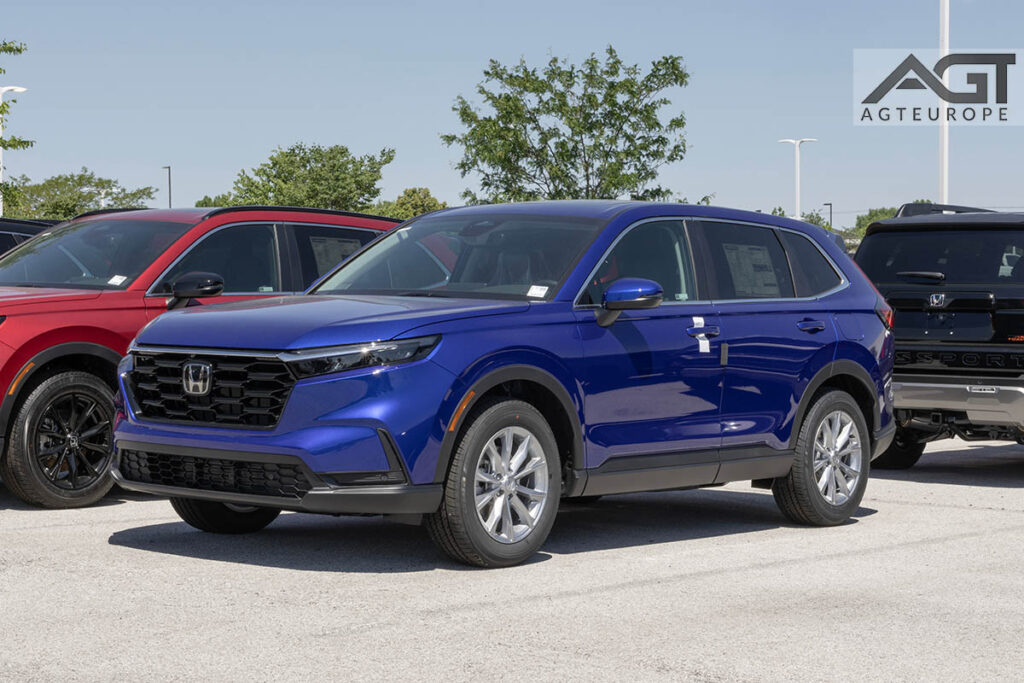
Before you buy a used CR-V, read on for a closer look at the most problematic years and the key issues that make them risky choices.
In This Article:
Which Honda CR-V Years To Avoid
Note: The number of recalls and complaints is updated in July 2025 on NHTSA.
1st Generation: 1997-1999 Honda CR-V
While the first-generation Honda CR-V is generally regarded as reliable, models from 1997 to 1999 stand out for their higher-than-average complaint rates and persistent mechanical issues.
1997 Honda CR-V – 2 Recalls, 109 Complaints
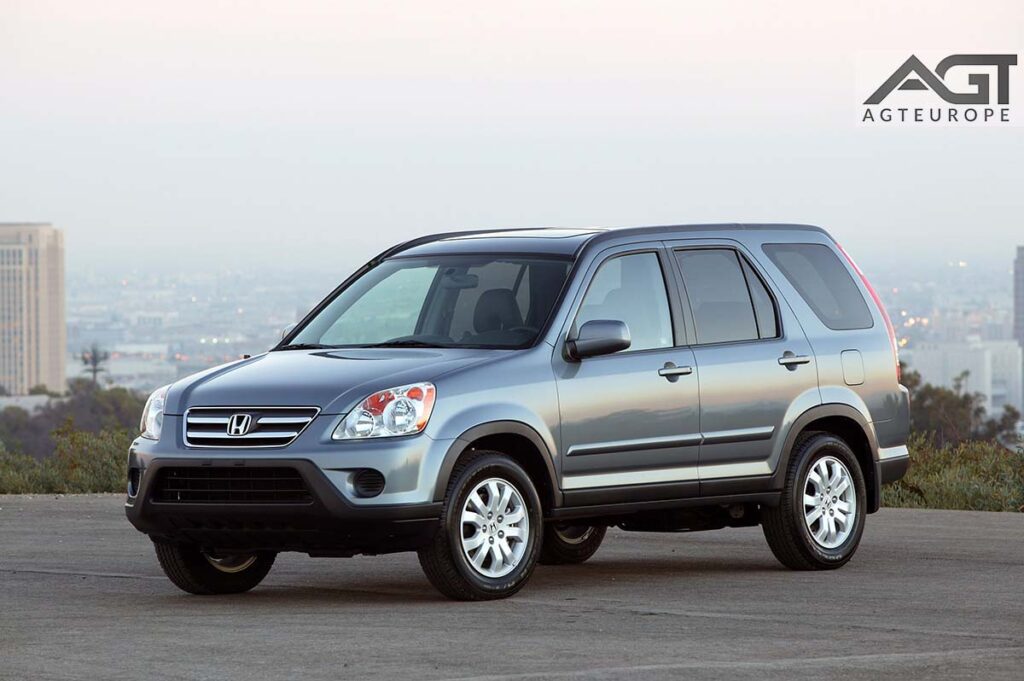
The 1997 CR-V was plagued by sudden engine and electrical shutdowns. Many drivers reported their vehicles stalling at highway speeds or during turns without any prior warning or diagnostic codes.
These incidents were often traced back to a faulty ignition switch, though some affected vehicles weren’t covered by the official recall. Airbag concerns also emerged, including SRS warning lights and delays in Takata recall part availability, which raised serious safety questions for owners.
1998 Honda CR-V – 3 Recalls, 143 Complaints
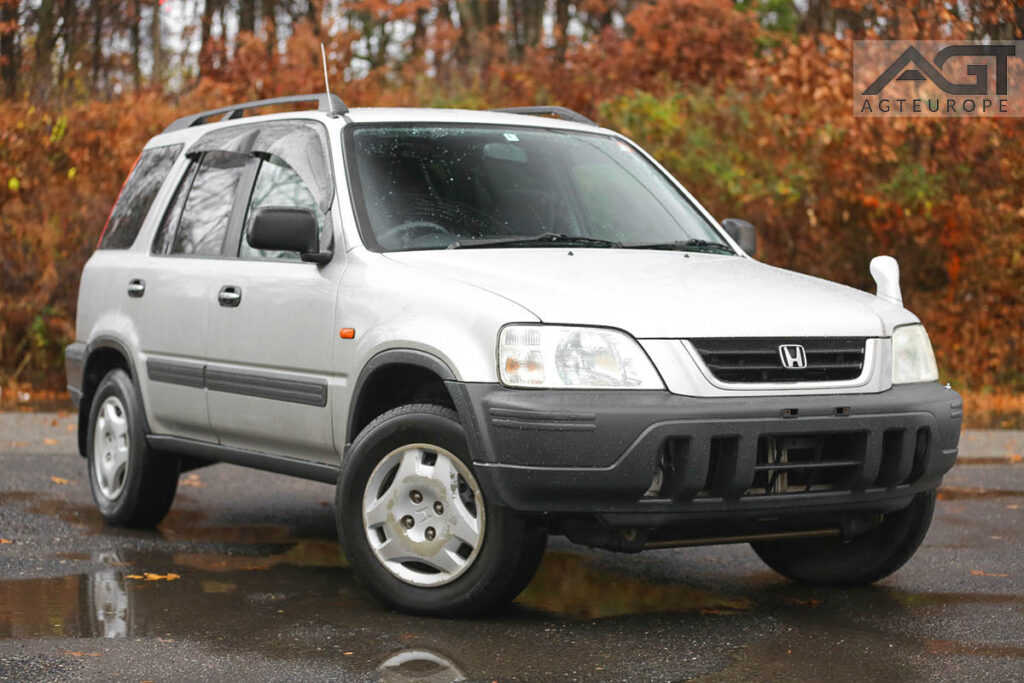
While maintaining similar electrical problems to the 1997 model, the 1998 CR-V introduced more severe transmission-related failures. Common complaints involved the transmission slipping into neutral on the highway, often requiring the vehicle to be restarted repeatedly.
Several owners described this happening during rush hour traffic at speeds of 60–70 MPH, posing significant crash risks. Airbag recalls persisted, and many owners also struggled with ignition switch failure and electrical fuses blowing, affecting headlights and gear shifters.
1999 Honda CR-V – 3 Recalls, 138 Complaints
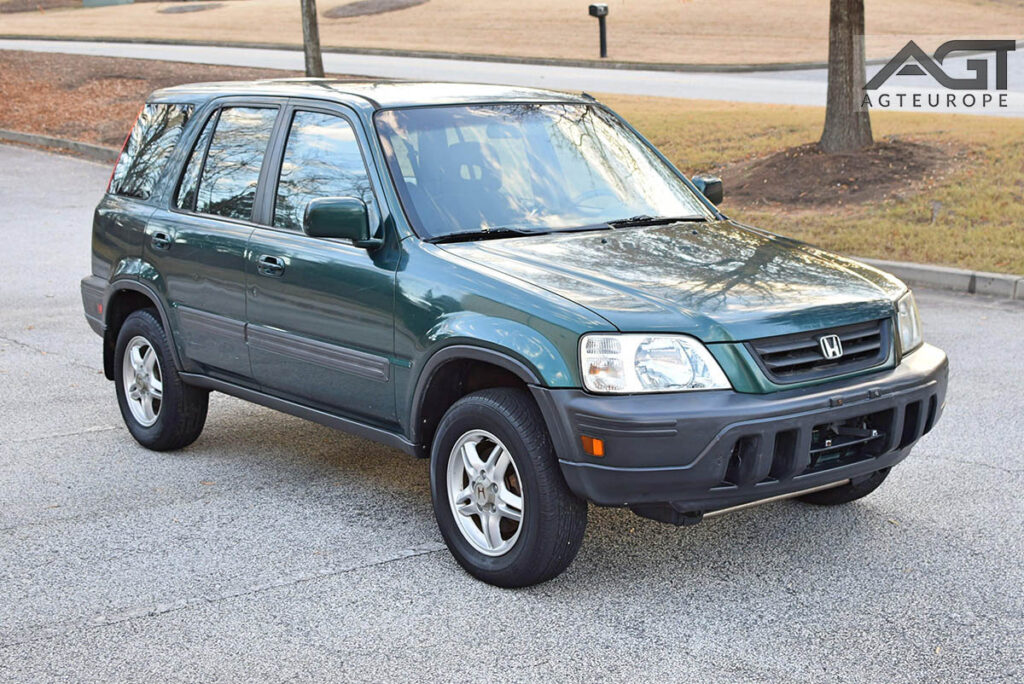
The 1999 CR-V showed only minor improvement in complaint volume but still suffered from several critical issues. Engine performance problems included valve damage and low compression in the #4 cylinder, often due to a misprinted maintenance schedule that led owners to skip valve checks.
A/C system failures were also prevalent, with multiple compressor breakdowns even after repairs. Keeping vents and surrounding components clean can help reduce strain on the system over time, and expert car detailing can support overall maintenance. Additionally, tire safety became a key concern, with numerous reports of tread separation on factory-installed Bridgestone Dueler tires. This sometimes results in severe vehicle damage or near-accidents at highway speeds.
2nd Generation: 2002-2003 Honda CR-V
Though known for their utility and comfort, the 2002 and 2003 Honda CR-Vs suffer from troubling electrical, airbag, and cooling system issues.
2002 Honda CR-V – 16 Recalls, 526 Complaints
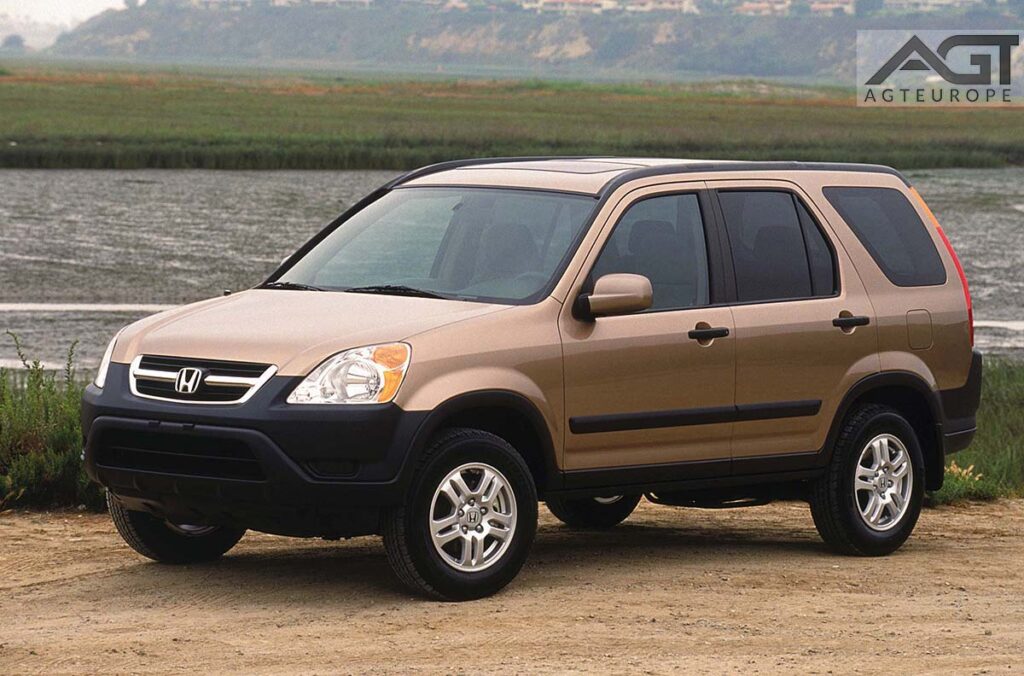
The 2002 CR-V is burdened by major airbag defects, particularly tied to the Takata recalls. Honda issued 8 separate airbag recalls, yet many owners reported that parts were delayed or unavailable for months, leaving them vulnerable to exploding inflators that could send sharp metal fragments into the cabin.
Electrical problems further compromised safety. Numerous owners described power window switches emitting smoke or catching fire, often without warning. These fires commonly originated in the driver’s side door panel or the steering column. Despite similarities to existing recalls, many affected VINs weren’t covered, leading to out-of-pocket expenses.
Lighting failures were also widespread.
Headlights frequently burned out within months, and in some cases, smoking turn signal switches caused sudden visibility loss while driving. Combine this with faulty seat belt buckles and doors that wouldn’t lock or unlock, and it’s clear the 2002 CR-V’s electrical system poses multiple hazards.
2003 Honda CR-V – 14 Recalls, 491 Complaints
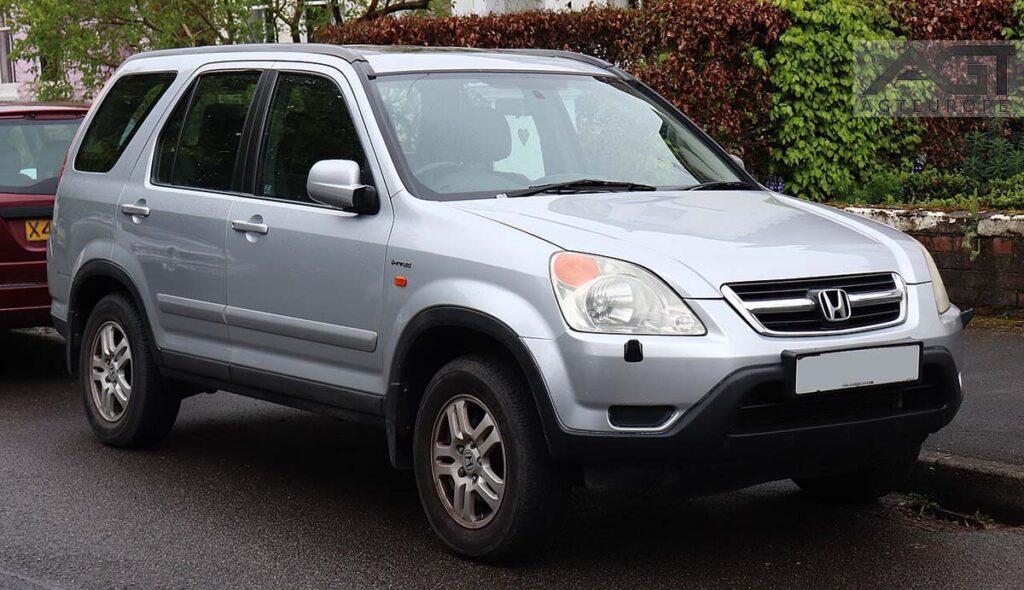
The 2003 CR-V carried over many of the previous year’s issues. These include airbag failures, window switch fires, and headlight defects, with added new problems involving the engine, A/C system, and vehicle speed control.
Engine overheating was frequently linked to failing radiator fans and malfunctioning thermostats. In several cases, heater core leaks spilled hot coolant into the passenger footwell, posing a burn risk. One especially dangerous report involved an engine fire caused by the A/C compressor, which melted drive belt components.
Air conditioning system failures were exceptionally common and expensive. Many owners reported complete compressor blowouts, which contaminated the entire system. Repairs regularly cost over $2,500, with Honda only partially covering expenses in select cases.
Vehicle speed control was perhaps the most alarming issue. Several drivers reported sudden unintended acceleration. Sometimes, the car reaches 85–90 MPH, and the brake pedals become unresponsive.
In our own experience test-driving a used 2003 CR-V with just under 70,000 miles, we observed erratic revving while reversing and a brief loss of braking power after a sudden surge. The vehicle eventually stabilized, but the incident revealed just how unpredictable this model can be under load.
3rd Generation: 2007-2009 Honda CR-V
From 2007 to 2009, the second-generation Honda CR-V faced significant reliability and safety issues, involving persistent airbag defects, electrical fires, and, in the worst cases, frame and rear suspension collapse due to corrosion.
2007 Honda CR-V – 12 Recalls, 877 Complaints

The 2007 CR-V suffers from a perfect storm of critical failures, including airbag safety issues, fire-prone electrical components, and door lock malfunctions that compromise security.
One of the most widespread problems involves the door lock actuators. Many owners report that doors lock or unlock inconsistently or immediately re-lock after being opened, which can trap or lock out passengers.
We experienced this ourselves on our 2007 CR-V. The front and rear passenger doors would re-lock seconds after hitting the unlock button. If we didn’t grab the handle in time, the door would stay locked. With children in the back, this issue quickly became a daily safety concern.
More troubling, though, is the structural risk. A recall issued for rear subframe corrosion (NHTSA Campaign No. 23V228000) left many vehicles “beyond repair.” Some CR-Vs had their rear wheels collapse inward, or the entire axle detach while driving. Honda often refused full repair or repurchase, leaving owners without transportation or support. Other complaints cited loss of steering control, sudden jerking, and unsafe underbody rust.
2008 Honda CR-V – 11 Recalls, 954 Complaints
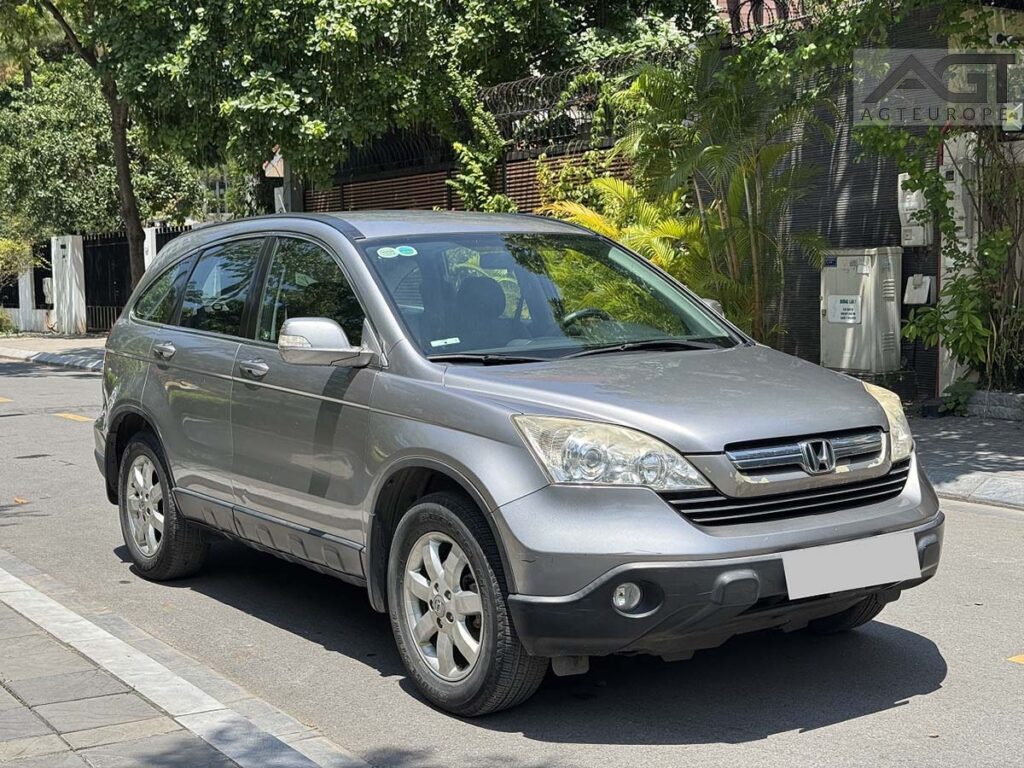
The 2008 CR-V inherited the same airbag and electrical problems but added steering and suspension failures to its list of major issues.
Numerous reports describe power steering fluid leaks, rack and pinion failure, and steering wheel lock-ups, sometimes mid-turn. In one case, the control arm snapped due to corrosion while the vehicle was in motion.
Suspension problems were often linked to severe frame rust, especially around the rear trailing arm, which led to safety recalls. Unfortunately, some vehicles failed the recall inspection and were deemed non-repairable.
Complaints about door actuator failures, power window switch fires, and air conditioning compressor blowouts persisted, along with multiple issues flagged under recall that weren’t resolved due to “VIN exclusions” or unavailable parts.
2009 Honda CR-V – 12 Recalls, 383 Complaints

The 2009 model saw improvements in mechanical reliability and structure, but airbag issues remained a major concern, with 10 of the 12 recalls tied to faulty deployment, non-deployment, or inflator explosions.
Some owners reported unexpected airbag deployment after light curb impacts or while driving. Others were injured when airbags deployed improperly or didn’t deploy at all during actual collisions. In multiple crashes, drivers experienced seatbelt failures, bruising, or chest trauma, and later discovered that their passenger airbags had remained defective due to staggered recall scheduling.
Even after recall repairs, some owners received second notices years later, indicating that only the driver-side airbag had been addressed initially, leaving passengers exposed.
5th Generation: 2017-2019 Honda CR-V
Across 2017–2019, the CR-V suffered from severe mechanical, electrical, and safety defects, especially involving fuel delivery, steering, and braking systems.
2017 Honda CR-V – 6 Recalls, 1,605 Complaints
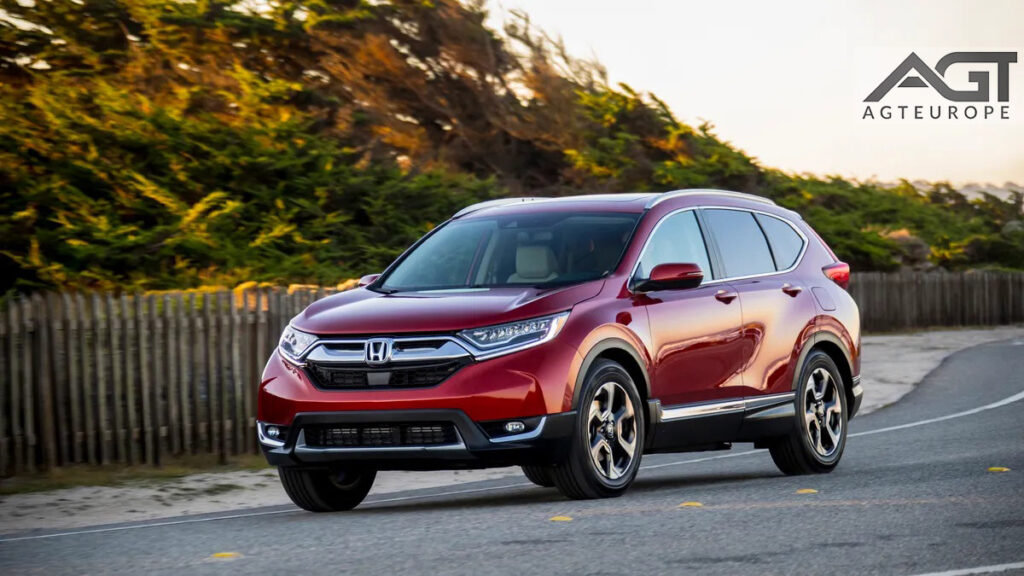
The 2017 CR-V debuted the 1.5L turbocharged engine, and with it came a storm of mechanical headaches. Owners report premature head gasket failures, turbocharger breakdowns, and catastrophic fuel injector issues. These problems often lead to limp mode activation while driving, posing a real danger on highways.
Electrical gremlins are rampant: all dashboard warning lights randomly illuminate, features like ABS, traction control, and ACC disengage without notice, and the vehicle may stall minutes after ignition. Compounding concerns, drivers have faced brake pedal failures and dangerously spontaneous automatic braking via the CMBS.
Despite reports and lawsuits, Honda has been slow to issue widespread solutions or recalls. Reliability is deeply compromised in this model year, making it one of the most problematic CR-Vs to date.
2018 Honda CR-V – 4 Recalls, 1,855 Complaints
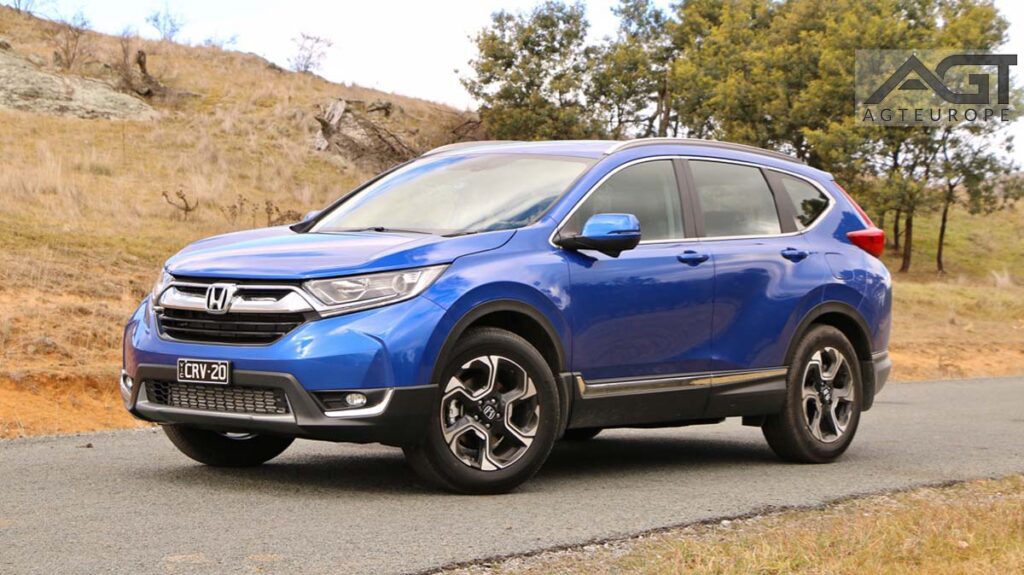
If 2017 was the ignition point, 2018 was the full blaze of unresolved engineering flaws. Like many, we purchased a 2018 CR-V thinking we’d gain peace of mind with a newer model. We didn’t. Our vehicle entered limp mode on a freeway, lost power, and flooded the dashboard with cryptic warnings. Eventually diagnosed with injector failure, it required over $2,000 in repairs, not covered under factory warranty.
Even after the fix, steering began sticking at highway speeds, requiring effort to keep the car straight, a condition later identified as “sticky steering.” It made lane changes stressful and long-distance trips nerve-racking. These experiences, unfortunately, aren’t unique.
Thousands of owners echo the same engine misfires, electronic system chaos, stalling, turbo failures, and dangerously unresponsive steering. What’s worse, the CMBS system is still erratic, activating braking randomly and putting occupants at risk. Honda’s delayed recall and inconsistent warranty coverage add insult to injury.
2019 Honda CR-V – 7 Recalls, 930 Complaints
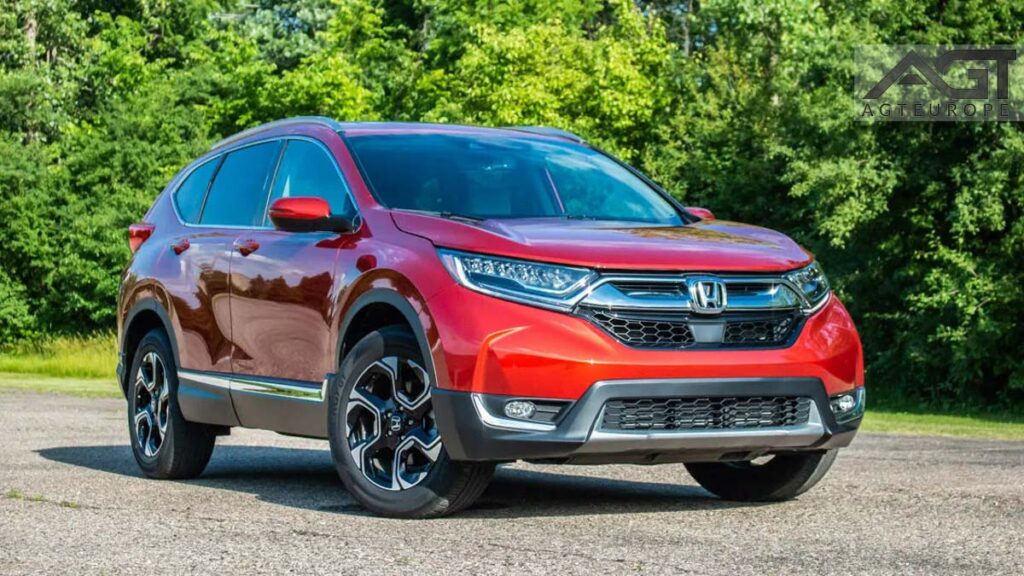
The 2019 CR-V shows some improvement, but not nearly enough. Most complaints revolve around fuel injectors again, now tied to cascading failures in the vehicle’s safety features: adaptive cruise control, lane keep assist, traction, and ABS can all deactivate with injector errors.
Sudden power loss, limp mode activation, and stalling persist. The CMBS continues to be an unpredictable hazard, slamming brakes without cause and creating terrifying near-collisions.
Steering defects also intensified this year. “Steering sticking” and defective EPS racks have made headlines, with some owners quoted over $5,000 for repairs. Although NHTSA recalls address fuel pumps and ADAS systems, many owners feel left behind, denied help due to VIN exclusions.
Drivers report their vehicles became unsafe long before repairs were ever offered, and some remain in limbo despite confirmed safety defects. It’s clear that while 2019 edges closer to normalcy, it still carries unacceptable safety risks and manufacturer apathy.
6 Honda CR-V Problems By Year
Drawing from official data, owner reports, and in-depth reviews, here are six of the most frequent and serious problems encountered with the Honda CR-V across multiple generations:
- Engine problems (Oil dilution, overheating & misfires): Many CR-V models, especially from 2017 to 2019, suffer from engine issues ranging from gasoline mixing into engine oil (oil dilution problem) to overheating due to failing radiator fans or heater core leaks. In some cases, drivers reported stalling on highways or severe misfiring that damaged the cylinder heads, particularly in early turbocharged engines.
- Electrical fires and dashboard failures: Models from 2002–2003 and 2007–2009 saw a rash of electrical problems, including window switch fires, smoking turn signals, and random dashboard blackouts.
- Transmission slippage and failure: Owners of CR-Vs from 1998–2003 reported transmissions slipping into neutral, often while driving at highway speeds. CVT issues in later models also led to jerky gear changes, clunking sounds, and even full transmission rebuilds, often not covered under warranty.
- Air conditioning system breakdowns: Across multiple generations—most notably 2003 and 2008—CR-Vs have faced A/C compressor failures that contaminate the entire system.
- Dangerous airbag malfunctions (Takata airbag & deployment failures): CR-Vs from 2002 through 2019 were plagued by Takata airbag recalls. Some airbags deployed without cause, others failed during crashes, and a few exploded on impact, sending metal fragments into the cabin.
Frame rust & rear suspension collapse: In models from 2007–2009, especially in rust-prone regions, severe rear subframe corrosion led to axle detachment or rear wheel collapse while driving.
See more cars to avoid & common issues: