

The Chevrolet Equinox years to avoid include 2005–2008, 2010–2015, and 2018. These models are known for chronic issues such as excessive oil consumption, head gasket failures, dangerous brake defects, faulty airbags, transmission breakdowns, fuel system leaks, and electrical malfunctions.
Keep reading for a detailed breakdown of the problems that have plagued these models!
In This Article:
What Year Equinox To Avoid
First Generation: 2005-2008 Chevy Equinox
2005 Chevy Equinox – 1 Recall, 638 Complaints
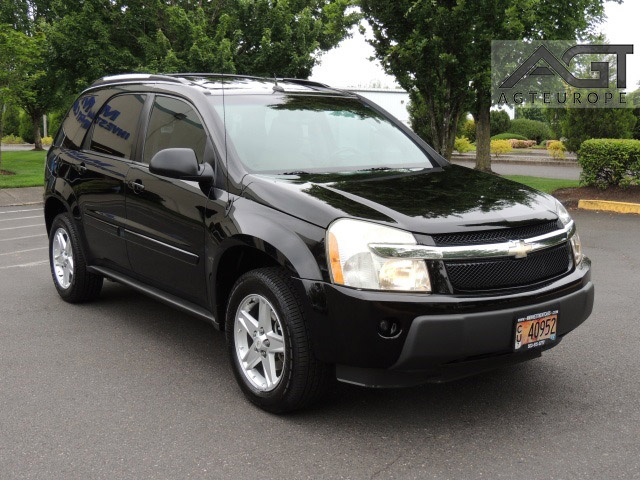
According to the most recent NHTSA data, the first year of the Chevy Equinox lineup had 1 recall and 638 complaints. Many owners report major electrical issues, including ignition switches that allow the engine to run with the key removed, and vehicles that can shift out of park without pressing the brake.
Repeated head gasket failures are also common, often before 60,000 miles, potentially linked to Dex-Cool coolant damage. Transmission failures at low mileage and overheating incidents occur frequently. Repair costs for these issues can exceed $1,500, making this year a high-risk purchase.
2006 Chevy Equinox – 694 Complaints
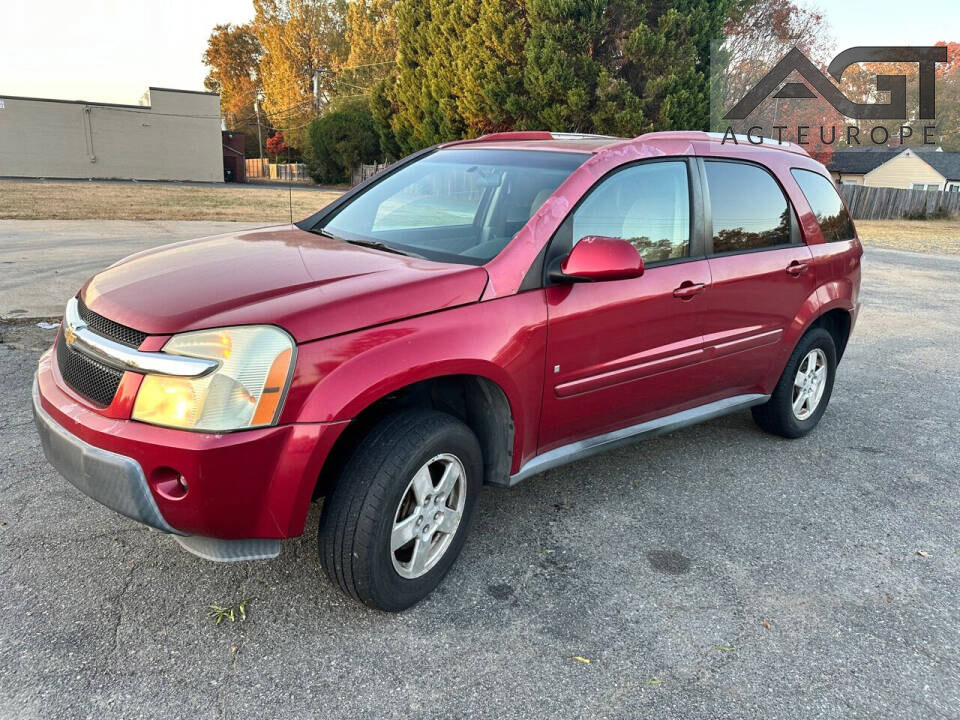
This old Chevy Equinox has no active recalls listed on NHTSA but carries 694 complaints up to now, with widespread issues in the visibility, electrical, and braking systems. Many owners lose cabin heat due to a defective blend door, rendering the defroster ineffective in cold weather.
Electrical faults, such as smoke from vents, malfunctioning door locks, and power seat shorts, are also common. Some report erratic brake performance, with ABS activating unexpectedly or releasing the brakes entirely. These patterns make this model year a poor choice for reliability and safety.
2007 Chevy Equinox – 4 Recalls, 684 Complaints
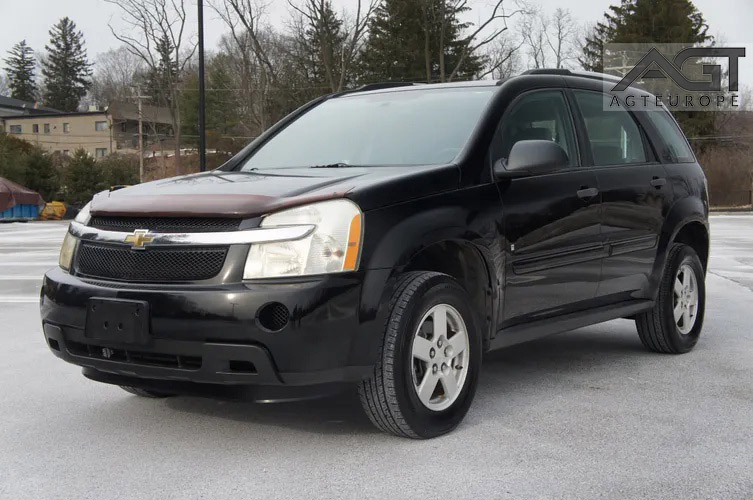
NHTSA data shows 4 recalls for the 2007 model, two involving airbag failures that leave front passengers unprotected. There are also numerous reports of fuel leaks from cracked pump modules or tanks, sometimes dripping directly onto the exhaust. Steering problems, such as sudden power steering loss and key-removal malfunctions, round out the major risks.
Many drivers note smelling raw fuel inside the cabin, which is both a fire hazard and a health risk. In our experience, a fuel leak at 45 mph left a strong odor inside even with the windows down, and we had to park immediately. Between safety-critical airbag issues and fuel system defects, this is not a model year to trust.
2008 Chevy Equinox – 360 Complaints
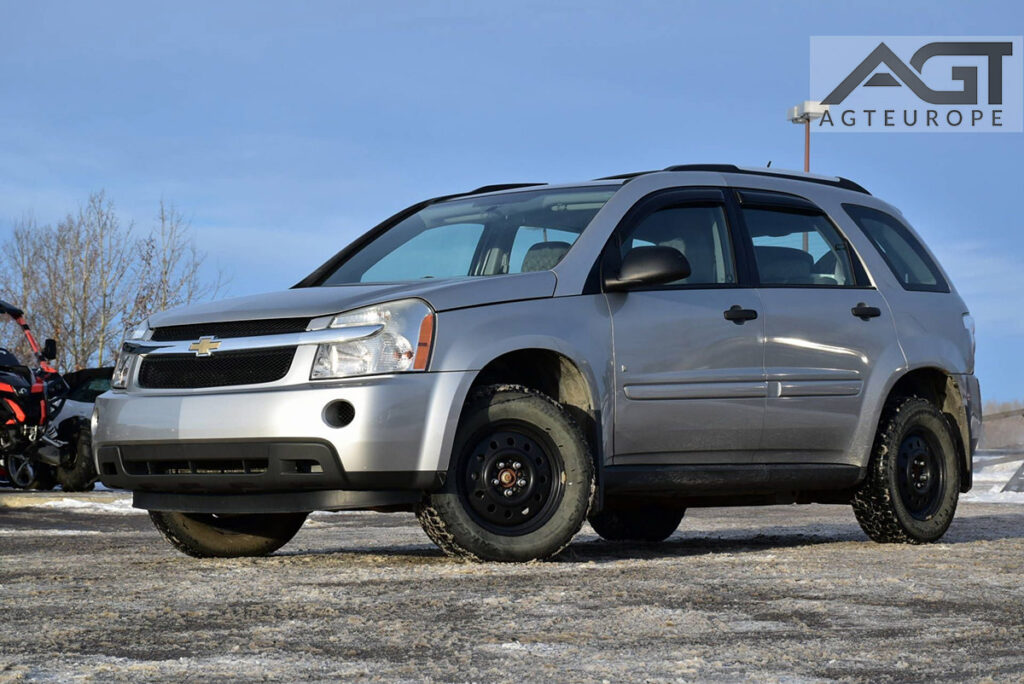
The 2008 Equinox has 368 NHTSA complaints as of 2025, primarily for engine overheating, electrical failures, electronic stability control, and transmission issues. Heater core problems often cause poor defrost performance, and owners report intermittent stalling and high repair costs.
We had one that overheated on a 65-mph freeway run after just 20 minutes, even though the coolant had been recently serviced. Steam was visible from the hood when we pulled over, and the repair estimate for a blown head gasket was over $2,000. Combined with reports of sudden loss of engine power and expensive drivetrain repairs, this first-gen Equinox is a gamble, especially if you rely on it for long trips.
Second Generation: 2010-2015 Chevy Equinox
2010 Chevy Equinox – 3 Recalls, 780 Complaints
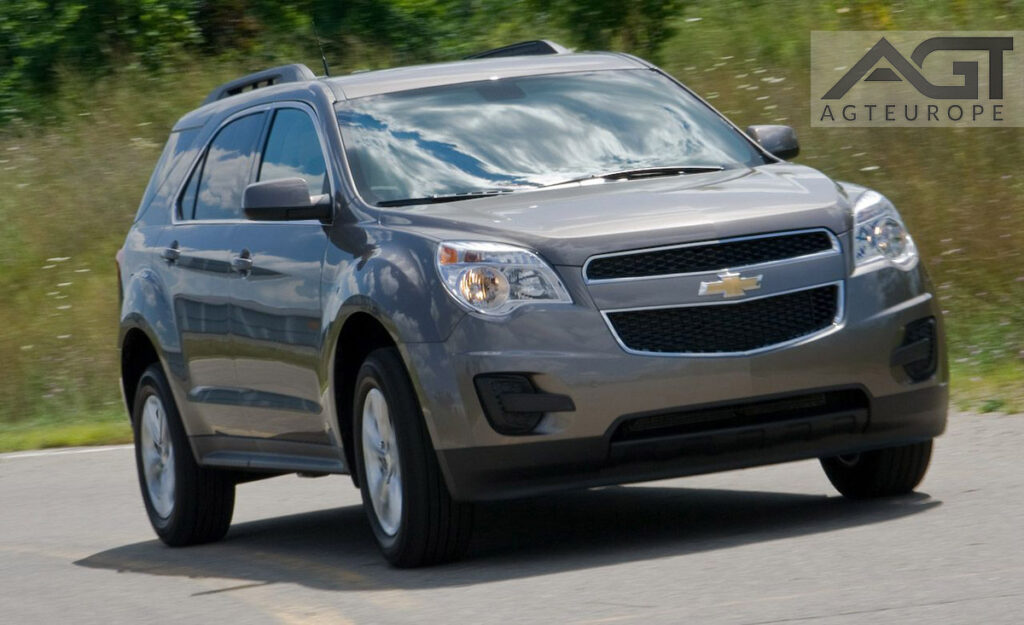
The 2010 Chevy Equinox recorded 780 NHTSA complaints and 3 recalls as of 2025, especially for engine and fuel system problems. Many owners report excessive oil consumption, sometimes exceeding a quart every 1,000 miles, leading to engine damage if unchecked.
Stalling, hesitation during acceleration, timing chain failures, and rough shifting are frequent complaints. Poor heater performance and difficulty defrosting in cold climates are also noted.
While the interior and ride quality were praised when new, long-term reliability has proven inconsistent. Repair costs for engine work can easily surpass $2,000, and some cases require complete engine replacement. For buyers prioritizing dependability, this year’s track record makes it a risky choice without verified service history and thorough mechanical inspection.
2011 Chevy Equinox – 3 Recalls, 773 Complaints

The 2011 Equinox shares many of the same engine-related issues as the 2010 model, with widespread owner reports of high oil consumption and premature timing chain wear. NHTSA complaints also highlight engine stalling, loss of power while driving, and difficulty restarting after short trips.
Electrical system problems, such as malfunctioning power locks, inoperative radios, and backup camera failures, are also common. Some drivers report poor visibility in winter due to inadequate defrost performance. While fuel economy and cabin comfort remain selling points, the mechanical issues often outweigh these benefits in the long run.
Engine repairs on this model can be costly, with timing chain replacements often exceeding $1,500. Without documented maintenance showing oil level checks and timely repairs, the 2011 Equinox poses a significant ownership risk.
2012–2015 Chevy Equinox – Recurring Engine, Transmission, and Visibility Issues
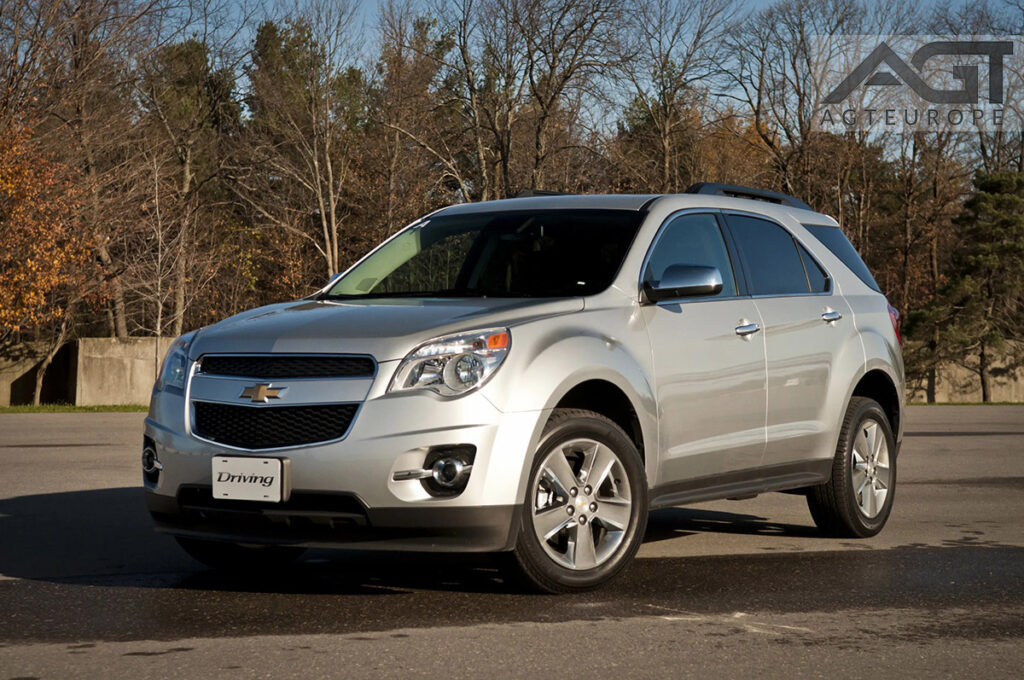
As of 2025, NHTSA has recorded a high number of complaints and recalls for these modes:
- 2012: 3 recalls, 673 complaints
- 2013: 2 recalls, 735 complaints
- 2014: 1 recall, 526 complaints
- 2015: 2 recalls, 653 complaints
The 2012–2015 Chevy Equinox models share a remarkably similar set of reliability issues, most of which revolve around engine performance, oil consumption, and visibility concerns. Across all four years, many owners have reported excessive oil burning caused by worn piston rings and PCV system failures.
This often leads to low oil levels between changes, timing chain wear, and in severe cases, complete engine failure. Transmission hesitation and rough shifting are also common, particularly when accelerating from low speeds.
Another recurring problem involves the windshield wiper system. Corrosion in the wiper module’s ball joints or internal components can cause sudden wiper failure, creating dangerous visibility loss during rain or snow. Electrical gremlins, including malfunctioning power locks, radios, and dashboard warning lights without clear fault codes, further add to ownership frustrations.
In our own experience with a 2015 Equinox, we faced a particularly frustrating issue during winter. On multiple cold mornings, the “Reduced Engine Power” warning appeared, severely limiting acceleration. The culprit was a failed PCV system that had also blown out the rear main seal, leaking oil across the driveway.
The repair cost was over $1,800, and even after the fix, we found ourselves adding a quart of oil every 1,000–1,200 miles. While the ride comfort, quiet cabin, and all-wheel-drive capability were strong positives, the constant mechanical vigilance overshadowed any sense of dependability.
Third Generation: 2018 Chevy Equinox
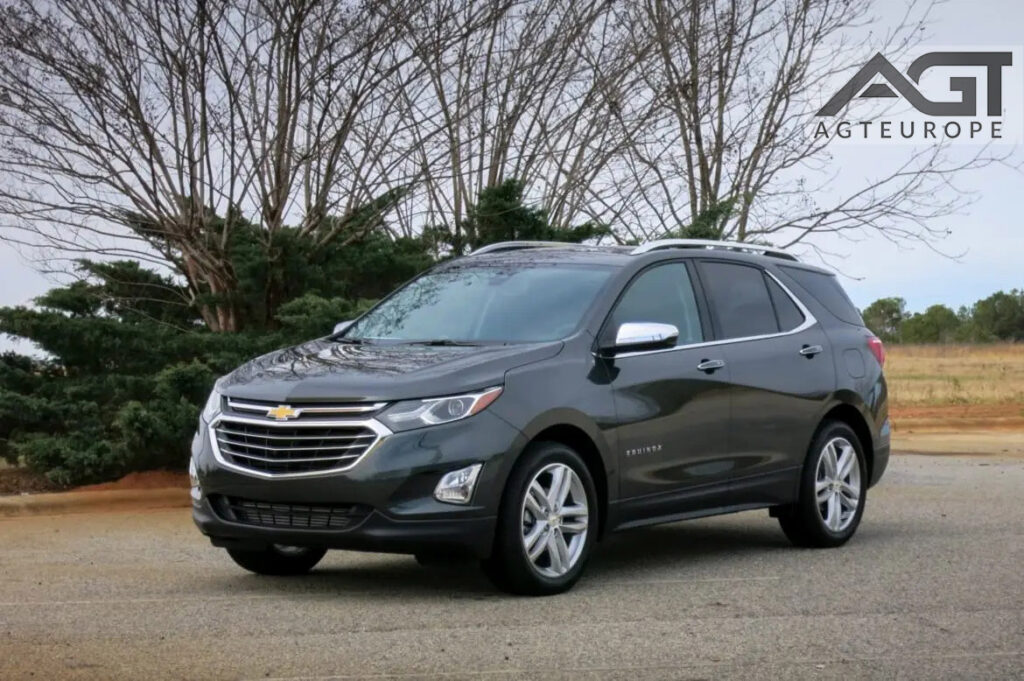
The 2018 Chevy Equinox has faced significant safety and reliability concerns, with 336 complaints and 5 recalls currently recorded on the NHTSA website. One of the most alarming and recurring issues is brake failure linked to the vacuum brake booster and vacuum pump.
We’ve personally experienced this during our test drive, and it’s terrifying. You’re driving normally, then suddenly the brake pedal goes stiff as a rock, and no matter how hard you press, the car barely slows down.
The first time it happened to us, we were approaching a red light and nearly rear-ended the car in front of us. The second time, just weeks later, we had to swerve off the road into a dirt patch to avoid a crash, almost losing control in the process.
Many owners report that even after replacing the vacuum pump or brake booster, the problem returns. This is a life-threatening defect. Some mechanics warn that when the pump seizes, it can destroy the engine, creating a repair bill in the thousands.
Beyond braking issues, this third-gen Chevrolet Equinox has been plagued with engine stalling, turbocharger breakdowns, and complete transmission failures. Owners have described engines cutting out at highway speeds without warning, leaving them stranded in dangerous situations. We’ve read multiple accounts where people’s vehicles were declared total losses after brake-related crashes.
What’s most frustrating is that while GM has issued recalls for similar issues in other models and years, many 2018 Equinox owners have been left out, even though the symptoms and parts are identical.
Common Problems With Chevy Equinox
Below are the 8 popular reliability issues with the Chevy Equinox you should know to have peace of mind when buying a used car:
- Excessive oil consumption: Many Equinox models, especially from 2010–2015, suffer from high oil burn due to worn piston rings and PCV system failures. Owners often report needing regular inspections and fill-ups. Some have to add a quart every 1,000 miles, which can lead to timing chain wear and even complete engine failure if not addressed.
- Head gasket failures: Earlier year models (2005–2008) are prone to repeated head gasket blowouts, sometimes before 60,000 miles. This is often linked to Dex-Cool coolant damage and can cause overheating, steam from the hood, and expensive repairs.
- Transmission hesitation and failure: Across multiple years, drivers have experienced rough shifting, hesitation on acceleration, and outright transmission breakdowns. These issues can leave owners stranded and require expensive rebuilds or replacements.
- Electrical System failures: Common complaints include malfunctioning door locks, radios, dashboard lights, and even smoke from vents. Such faults can also affect safety features like backup cameras and defrosters, creating both convenience and hazard concerns.
- Brake system defects: The 2018 Equinox, in particular, has a dangerous brake failure linked to the vacuum brake booster and pump. Drivers have reported stiff pedals and severely reduced stopping power, sometimes leading to near or actual collisions.
- Visibility issues from heating and wiper failures: Many models have defective blend doors or heater cores, leading to ineffective cabin heat and poor defrost performance in cold weather. Some also suffer from wiper module corrosion, causing sudden wiper failure in rain or snow.
- Fuel system leaks: Certain years, notably 2007, are known for cracked fuel pump modules or tanks that can leak directly onto hot engine components. This creates both a fire hazard and a strong fuel odor inside the cabin, forcing major repairs.
- Airbag system failures: Some model years, such as 2007, have recalls for airbags that may fail to deploy in a crash, leaving passengers unprotected. These faults often stem from defective sensors or wiring issues, posing a severe safety risk during collisions.
See more cars to avoid & common issues: