

The worst Honda Pilot years to avoid include 2003, 2004, 2005, 2011, 2016, and 2017. These models suffer from recurring issues such as major transmission failures, dangerous airbag defects, electrical malfunctions, premature suspension and brake problems, and even complete engine breakdowns.
Keep reading for a breakdown of these problem years and find out which Pilots are better choices for long-term reliability!
In This Article:
What Year Honda Pilot To Avoid
2003 Honda Pilot
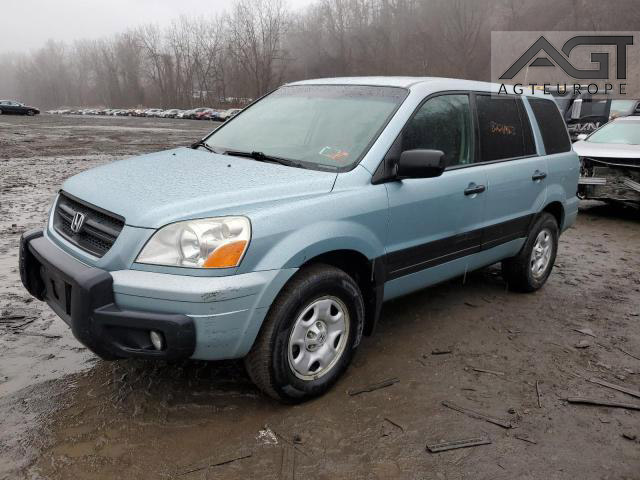
The 2003 Honda Pilot stands out as one of the most problematic SUVs in its class, with 742 owner complaints and 14 recalls recorded on the NHTSA database as of 2025.
The most serious and widespread issue involves the Takata airbag recall, where passenger frontal airbag inflators can explode and send dangerous metal fragments into the cabin. Many owners report their SRS warning lights staying on, and some even faced large repair bills during what should have been a free recall.
Transmission issues are another major concern. Drivers consistently report slipping gears, overheating, and sudden downshifts, often tied to recall #04V176000. In some cases, transmissions dropped into first gear at highway speeds, creating a serious crash risk.
Electrical failures also plague the Pilot, from stalling caused by faulty fuel relays to ignition switch malfunctions that leave drivers stranded or rolling unexpectedly. Fires caused by electrical faults have also been documented.
During our test drive, we saw the SRS light illuminate around 256,000 miles, which left us unsure if the airbags would work in an accident. Another time, while driving about 40 mph, the transmission made a grinding noise and struggled to shift, making highway travel risky.
2004 Honda Pilot

The 2004 Honda Pilot has earned a troubling reputation for serious reliability and safety concerns, making it a vehicle many experts and owners alike recommend avoiding. According to the 2025 NHTSA data, there are 13 recalls and 544 complaints, with patterns of failure that go far beyond the well-known Takata airbag malfuctions.
One of the most alarming problems involves the driver’s seat bracket, which many owners report suddenly breaking with a loud pop, leaving the seat loose and rocking backward by nearly 45 degrees. This failure not only makes steering and acceleration difficult but also compromises seatbelt and airbag function, putting both the driver and rear passengers at significant risk in the event of a crash.
Another widespread issue centers on the transmission, where drivers describe shuddering between 20–50 mph, sudden lockups, grinding noises, and complete loss of power even at highway speeds. Although a recall once covered some 2003–2004 Pilots for transmission defects, many affected VINs were excluded despite identical symptoms.
Electrical system failures also plague this model, ranging from ignition lock defects that prevent the key from turning and unexplained power losses while driving, to widespread odometer fraud concerns. Combined with brake irregularities and malfunctioning seatbelts, these recurring defects make the 2004 Honda Pilot not just unreliable but potentially dangerous.
2005 Honda Pilot
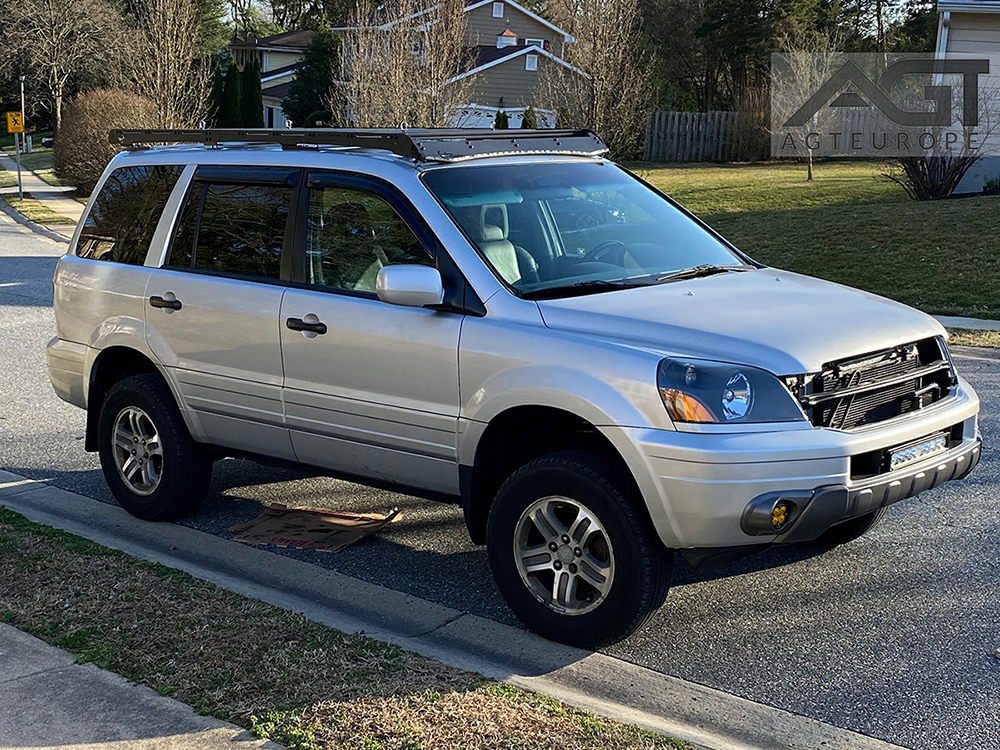
The 2005 Honda Pilot has earned a reputation as one of the most problematic midsize SUVs of its era, with 675 complaints and 15 recalls recorded by the NHTSA as of 2025. Many owners consistently report severe and recurring issues across key safety and reliability categories, making this model one to steer clear of.
One of the most common failures involves the transmission and radiator cooling system. Many drivers experienced radiator failures that allowed coolant to mix with transmission fluid, leading to catastrophic damage. Symptoms often include overheating, sudden lockup, shuddering between 30–50 mph, and eventual transmission failure, usually around 120,000 to 150,000 miles. This usually leads to hefty repair costs.
The Vehicle Stability Assist (VSA) system is another chronic problem. Numerous reports describe the SUV applying the brakes without driver input, sometimes at highway speeds, causing swerves, loss of power, or dangerous, sudden stops. Owners trace this to a faulty yaw sensor, but Honda often denies coverage, leaving drivers with repair bills approaching $1,000.
Additional concerns include airbag light malfunctions tied to the Takata recall, suspension failures due to rear crossmember rust, and cases where the vehicle unexpectedly shifted out of park, leading to accidents and injuries.
2011 Honda Pilot
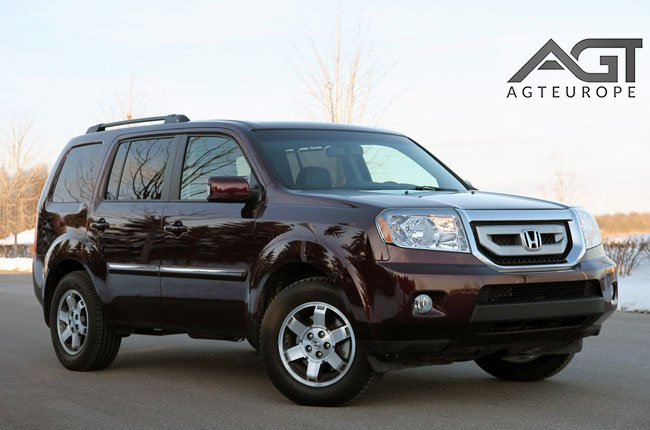
The 2011 Honda Pilot has become a model with poor owner satisfaction due to widespread safety and reliability problems. According to the latest NHTSA data in 2025, there are 11 recalls and 284 complaints by owners, with 9 of those recalls tied to the massive Takata airbag crisis.
But the issues go far beyond airbags. Many owners report suspension and steering defects, especially failing compliance bushings and loose spindle nuts. These cause clunking noises, steering play of one to two inches, and uneven tire wear, sometimes as early as 40,000 miles. In our own case, at just 45,000 miles, the dealership told us the compliance bushings were leaking and needed replacement, a surprising failure at such low mileage.
Braking problems are another recurring complaint. Warped rotors often cause severe vibration, especially at highway speeds above 60 mph, and some drivers experienced complete brake failure, forcing them to rely on the emergency brake. We also noticed the steering wheel shaking when braking downhill at around 55 mph, something no vehicle should exhibit at under 75,000 miles.
Engine troubles round out the list of major flaws. Many 2011 Pilots suffer from excessive oil consumption, cylinder misfires, and premature engine wear linked to Honda’s cylinder deactivation system. Some report stalling or flashing check-engine lights at highway speeds, creating a serious safety risk. With so many consistent complaints and documented failures, the 2011 Honda Pilot is a vehicle best avoided.
2016 Honda Pilot

The 2016 Honda Pilot has become one of the most troublesome SUVs in its class, with 1,472 complaints and 7 recalls reported to the NHTSA as of 2025. The most serious and widespread issue involves the engine, where many drivers experience knocking sounds, loss of power, or complete engine failure due to connecting rod bearing defects.
These failures often occur between 80,000 and 150,000 miles, and repairs typically require a full engine replacement costing around $10,000–$12,000. Some VINs are included in official recalls or service bulletins, but many owners with identical problems have been denied coverage, leaving them with unsafe and unreliable vehicles.
Another common complaint is the auto idle stop system, which causes the SUV to stall at stoplights and sometimes fails to restart. This creates dangerous situations in traffic. Electrical problems are also widespread, affecting multiple components.
Drivers report failing fuel injectors, which trigger a cascade of false warning lights, AWD, emissions, power steering, and stability assist, making real issues difficult to diagnose. Others struggle with keyless entry modules that drain the battery, alarms going off without cause, and dashboards lighting up randomly.
In our own experience, we faced a sudden engine knock while driving at 65 mph on the freeway, losing power in heavy traffic. At only 80,000 miles, we were told the entire engine had failed.
2017 Honda Pilot
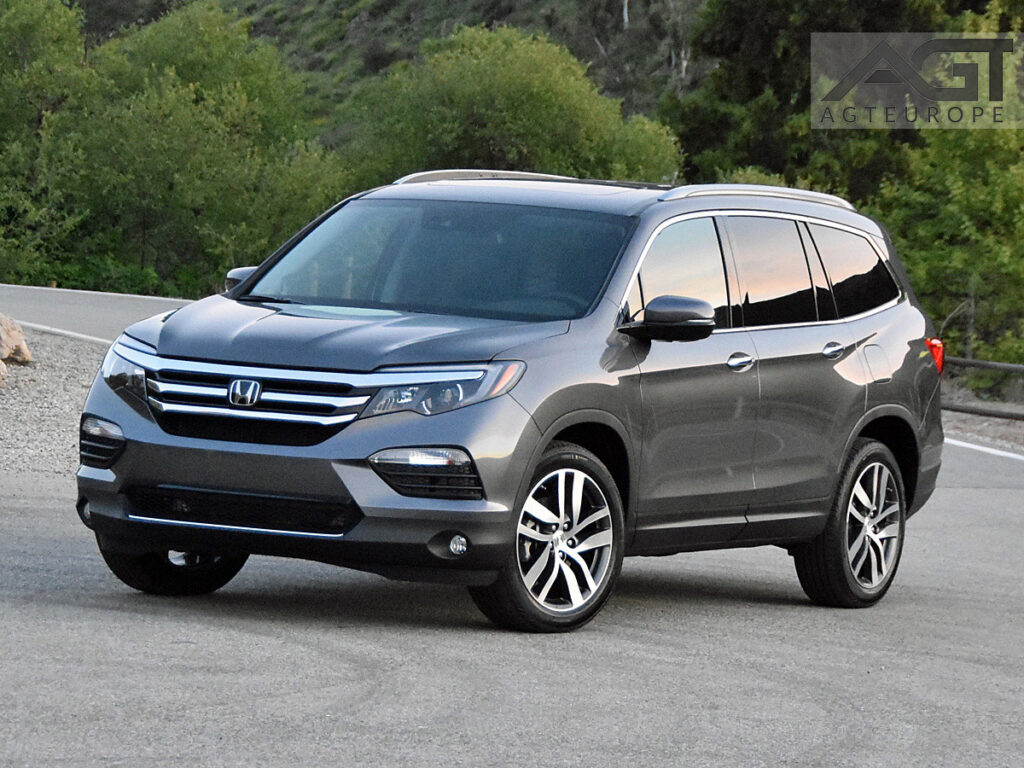
The 2017 Honda Pilot may look like a reliable SUV, but updated NHTSA data shows otherwise. With 764 complaints and 2 recalls as of 2025, this model is tied to serious reliability and safety problems.
The most troubling involves the engine. Many drivers report sudden failure caused by worn connecting rod bearings or crankshaft damage. The warning signs often start with a light ticking or knocking noise before the engine seizes completely, sometimes at highway speeds. In several cases, vehicles had to be towed, and repairs cost $8,000–$12,000.
The auto idle stop system is another recurring issue. Instead of restarting smoothly at red lights, it leaves vehicles stalled in traffic. We experienced this ourselves at around 76,000 miles, when the Pilot failed to restart at a busy intersection. Traffic behind us was already moving, and it was only after several attempts that we got the car running again. Another time, on Interstate 4 in Orlando, the engine suddenly died at about 65 mph, forcing us onto the shoulder with no power steering.
Beyond that, owners continue to struggle with transmission slipping, hesitation in acceleration, fuel pump failures, and electrical problems such as alarms and warning lights activating randomly. These failures not only reduce confidence in the vehicle but also raise serious safety concerns.
Common Honda Pilot Problems
Here’s a clear breakdown of popular Honda Pilot issues across multiple troubled years:
- Transmission failures: One of the most widespread issues involves transmission breakdowns across multiple years (2003–2005 and later models). Owners reported slipping gears, shuddering at 20–50 mph, overheating, and even sudden lockups at highway speeds. Some failures were linked to coolant mixing with transmission fluid, leading to catastrophic damage and expensive repairs.
- Airbag & SRS system defects: The Takata airbag recall affected numerous Honda Pilots from the early 2000s through 2011. Airbags could explode and send metal fragments into the cabin, while SRS warning lights often stayed illuminated.
- Electrical system problems: Electrical malfunctions have been a recurring theme, from ignition switch failures and faulty relays causing stalling to keyless entry modules draining batteries in later models. Owners also reported random dashboard warning lights, alarms going off without cause, and in severe cases, electrical-related vehicle fires.
- Engine failures & excessive oil consumption: Later models (2011, 2016, 2017) were plagued by engine problems. Many suffered from worn connecting rod bearings, knocking sounds, stalling, or complete engine seizure that required costly replacements. Others experienced excessive oil consumption and cylinder misfires tied to Honda’s cylinder deactivation system.
- Suspension & steering defects: Models like the 2011 Honda Pilot developed premature suspension issues, including failing compliance bushings and loose spindle nuts. These caused clunking noises, steering play, and uneven tire wear, sometimes within 40,000–50,000 miles.
- Brake system problems: Brake issues appeared in several models, with owner complaints of warped rotors, strong vibrations at highway speeds, and even sudden braking from faulty stability systems. In some cases, owners reported complete brake failure, forcing them to rely on the emergency brake.
- Faulty Auto Idle Stop system: Found mostly in newer models (2016–2017), the auto idle stop feature often caused vehicles to stall at intersections and fail to restart. Combined with the sudden loss of power steering in some cases, it created dangerous driving conditions.
See more cars to avoid & common issues: