
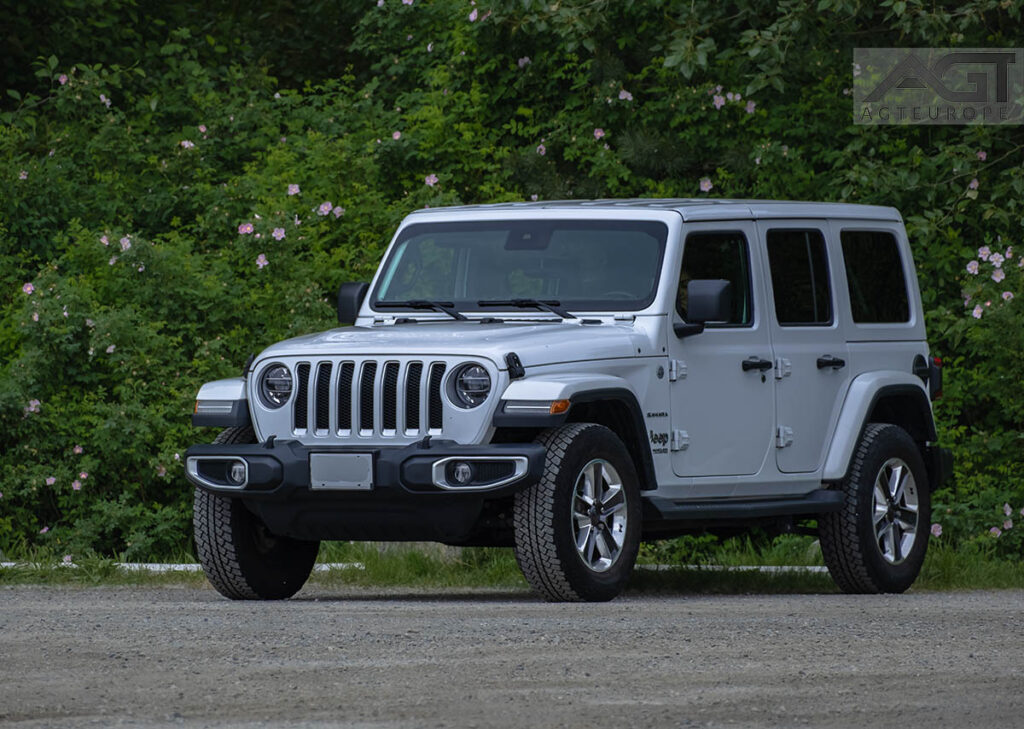
The worst Jeep Wrangler years include 2007, 2008, 2010, 2011, 2012, 2018, and 2020 due to recurring problems like the infamous death wobble, dangerous airbag failures, persistent electrical malfunctions, and unpredictable engine stalls.
Many models also suffer from fuel system defects that cause gasoline to spray during refueling, and transmission problems that affect drivability and safety. Keep reading for more details!
In This Article:
What Year Jeep Wrangler To Avoid
2007 Jeep Wrangler
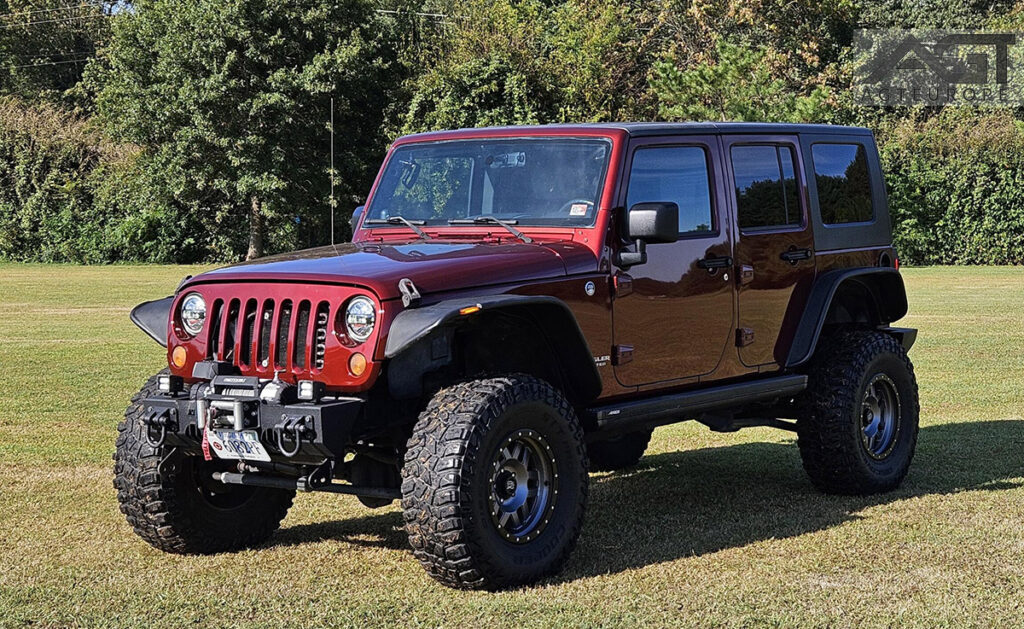
As of 2025, the 2007 Jeep Wrangler has amassed 1,395 complaints and 10 recalls on the NHTSA. Two of the most persistent and serious issues involve the fuel system and suspension system, both of which pose safety hazards.
A widespread and long-standing complaint among owners is gas spewing back out during refueling. Many report that fuel overflows every time they fill up, dousing the fender, their clothes, or the ground. One recall addressed early 2007 units, but many vehicles manufactured later in the year were left out, despite suffering the same defect.
We’ve personally encountered this during a fill-up at around 82,000 miles. Without warning, about half a pint of fuel gushed from the filler neck, splashing onto the rear quarter panel. This was not a one-time incident.
The next alarming issue is the infamous “death wobble.” Owners describe violent front-end shaking when hitting bumps at speeds as low as 40–55 mph. Steering becomes nearly impossible until the vehicle is brought to a complete stop. We experienced this ourselves while descending a mountain road. The Jeep began shaking so violently after a mild dip that we had to brake hard and pull off.
Electrical issues, especially with the TIPM (Totally Integrated Power Module), round out the trio of trouble. Malfunctions include spontaneous horn blares, flickering lights, failed wipers, and even stalling at highway speeds, which has caused near misses.
2008 Jeep Wrangler
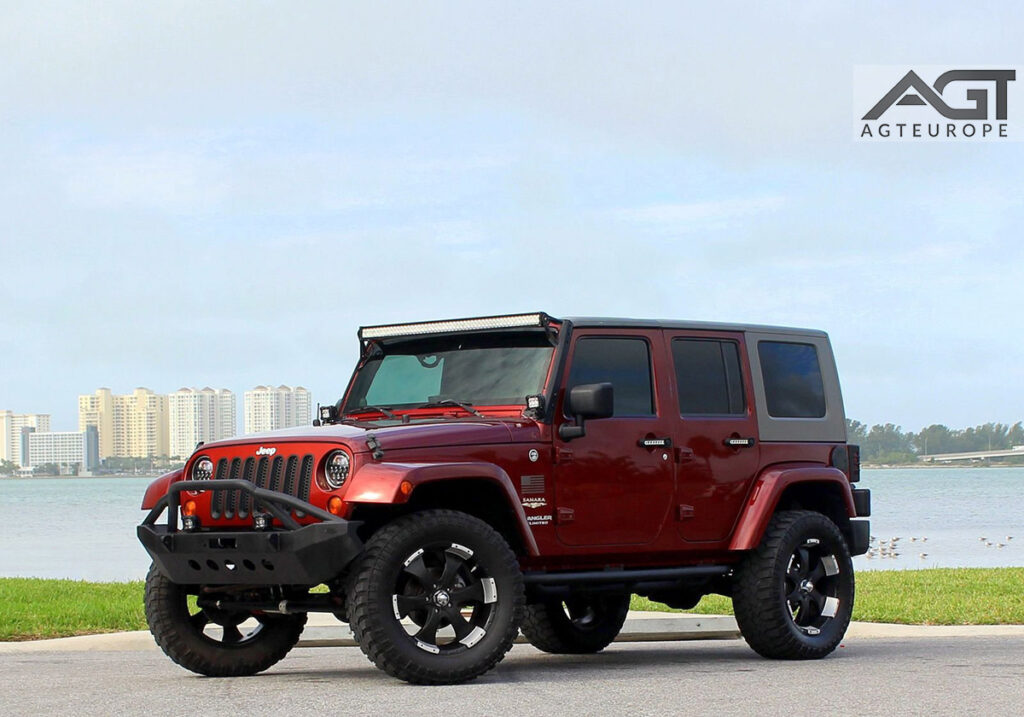
With 1,515 NHTSA complaints and 9 recalls as of 2025, the 2008 Jeep Wrangler continues the reliability woes of its predecessor, plagued most notably by airbag failures and electrical system defects.
The airbag system, specifically the clockspring wiring assembly, is a critical flaw. Many owners report that airbag warning lights stay illuminated, or worse, the airbags fail to deploy during crashes, even when recalls have supposedly been completed.
Some drivers experienced spontaneous deployment without impact, while others waited years for parts that were perpetually backordered. Affected models also fall under Takata airbag recalls, raising the risk of rupture and metal shrapnel during a collision.
Compounding the danger is a defective electrical system largely tied to the TIPM (Totally Integrated Power Module). Owners report random honking, flashing lights, dead batteries, self-activating wipers, and loss of engine power, sometimes while driving. In multiple cases, the electrical system failure triggered small fires or caused the vehicle to stall abruptly on highways. A few incidents even involved the car accelerating unintentionally from idle.
Like the previous model, fuel system issues remain common, especially fuel backflow during refueling. Also, steering or suspension problems like the “death wobble” still haunt this model.
2010 Jeep Wrangler
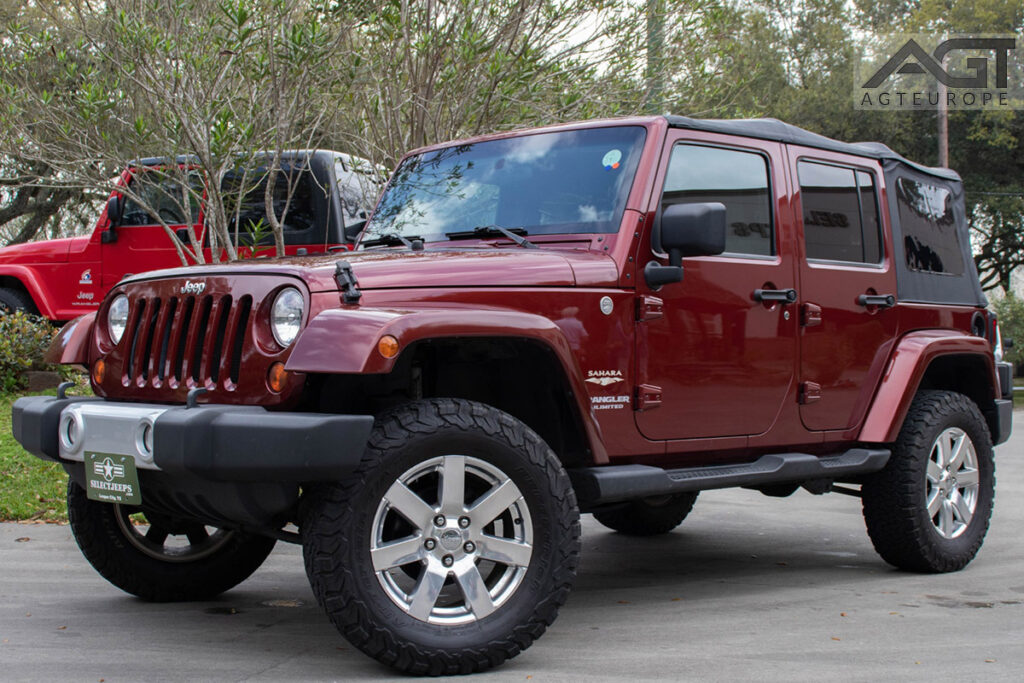
The 2010 Jeep Wrangler, with 673 NHTSA complaints and 11 recalls to date, continues the pattern of safety and reliability concerns seen in earlier JK models. While some previous problems were partially addressed, core issues, like fuel backflow, airbag failure, and transmission defects, remain worryingly persistent.
Fuel system problems top the list once again. Owners repeatedly report gasoline spewing out during fill-ups, sometimes up to half a gallon. Cracked rollover valves and deteriorating plastic tank fittings not only spill gas onto the ground and paint, but also create serious fire risks.
These issues mirror the defects found in earlier Wranglers, yet Jeep has not extended the recalls beyond 2008. In our case, the issue began around 94,000 miles. Fuel would surge back unexpectedly, dousing the quarter panel and pooling near the tire at the pump.
Meanwhile, the airbag clock spring, a notorious Jeep defect, continues to fail in 2010 models. Drivers experience persistent airbag warning lights, and several complain about non-deployment during crashes. Despite recall campaigns, many repairs are either incomplete or short-lived, forcing owners to pay for repeated replacements.
Transmission issues are also significant. The manual gearbox is known to pop out of first gear, making it difficult and unsafe to accelerate from a stop. The 42RLE automatic transmission isn’t immune either, with multiple complaints of loss of reverse, leaking cooler lines, and spontaneous power drops.
We experienced intermittent red lightning bolt warnings on the dash, followed by a sudden loss of throttle response while merging, which could have ended disastrously.
2011 Jeep Wrangler
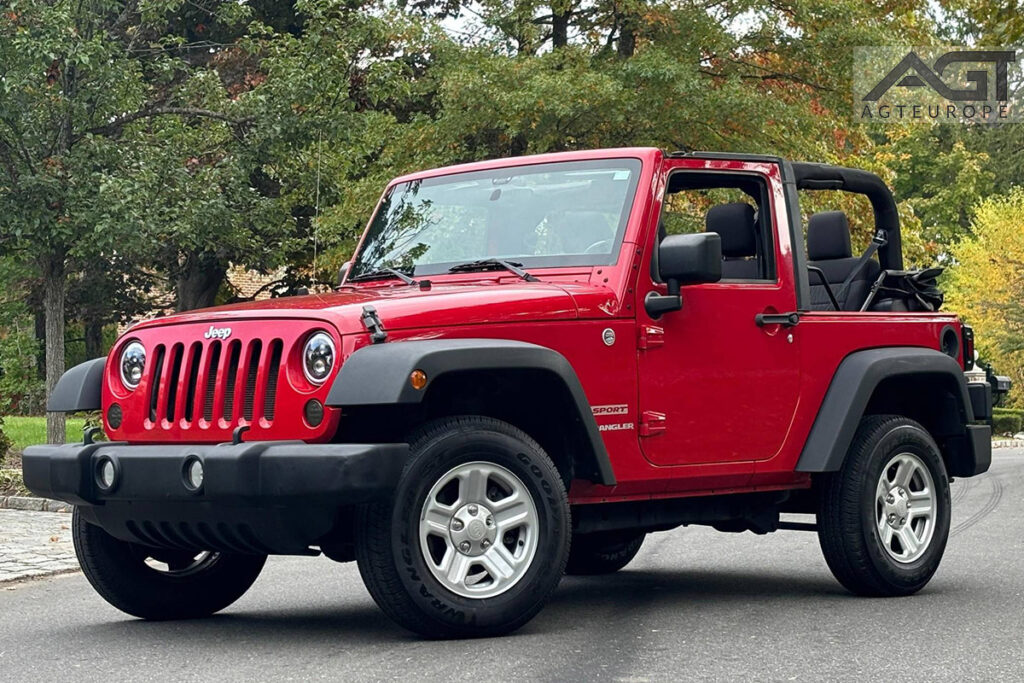
The 2011 Jeep Wrangler continues to struggle with reliability and safety, logging 468 complaints and 11 recalls on NHTSA as of 2025. Though complaint volume is lower than previous years, the severity of recurring issues makes this model another red-flag model year for prospective buyers.
Airbag system failures remain a top concern. Most problems stem from the defective clockspring, a component that disables the steering wheel electronics—including the driver’s airbag. Numerous owners report persistent airbag warning lights, while others experienced non-deployment during frontal collisions.
Even after clock spring replacements under recall, many systems failed again, particularly for vehicles not covered due to left-hand drive configurations. One troubling pattern is the repeat failure of recalled components, forcing owners to pay for essential safety repairs out of pocket.
The fuel system also mirrors prior years’ defects. Owners continue to face fuel backsplash during refueling, with gas spewing onto the side of the Jeep and the ground, posing both environmental and fire hazards.
Additionally, cracks in the fuel tank’s plastic check-valve nipple cause vapor leaks and check engine warnings. Many report months-long delays in obtaining replacement parts, and even new tanks reportedly arrive with the same flaw, signaling a design defect rather than isolated incidents.
Most alarming, however, is a rising trend of severe electrical failures. Owners document cases where the TIPM failed, causing loss of wipers, lights, turn signals, or even total power shutdown, some while driving at highway speeds. Several incidents resulted in engine fires, particularly near the firewall and harness area, threatening both vehicle occupants and surrounding traffic.
2012 Jeep Wrangler
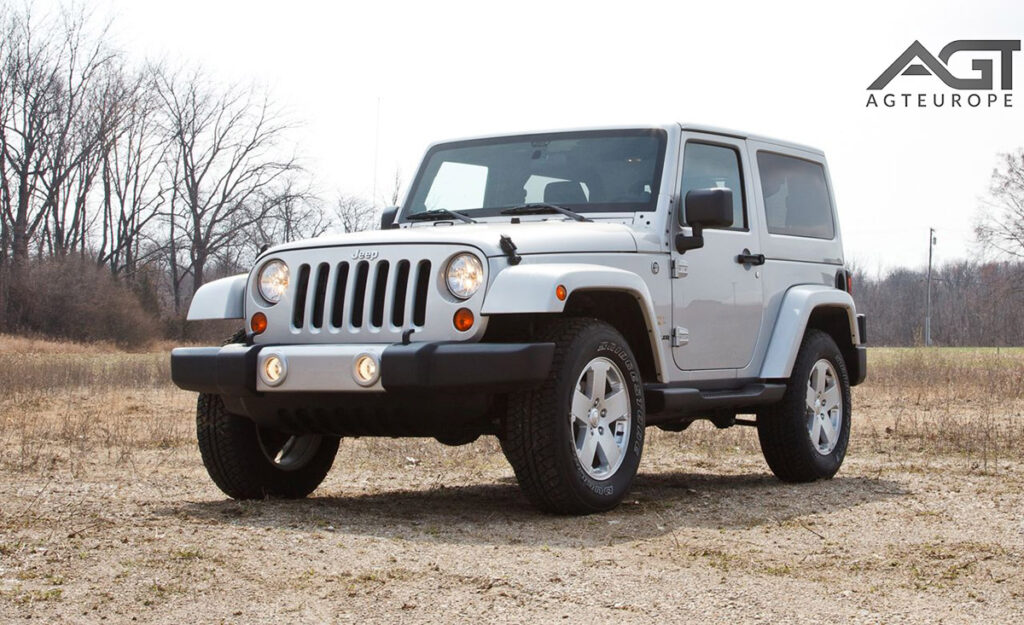
With 804 complaints and 10 recalls on record at NHTSA as of 2025, the 2012 Jeep Wrangler marked no real improvement over prior years.
One of the most alarming and frequent problems is random stalling while driving, often without any warning lights or error codes. Owners report losing power mid-turn or while crossing intersections, followed by long crank-no-start conditions.
We experienced this ourselves when making a low-speed left turn; the engine cut out, leaving us without power steering or brakes. It took nearly five minutes before it restarted, no codes, no explanation. It’s a terrifying scenario that many owners say their dealerships cannot replicate, making it even harder to fix.
Transmission and powertrain issues further complicate reliability. Reports include failure of reverse gear, sluggish shifting, and complete loss of acceleration on highways. A known defect in the cylinder head valve guides also leads to performance drops and eventually renders some engines undrivable.
The infamous “death wobble” is back as well. Jeep owners consistently report violent front-end shaking after hitting highway bumps, only resolving after slowing down to nearly 10–20 mph. Combined with complaints of loose steering and premature wear, this makes high-speed travel genuinely hazardous.
And like previous years, airbag failures due to clockspring defects persist in the 2012 model. The airbag light often stays illuminated, and steering wheel controls or horn functions become disabled. In many cases, even after recall work, the issue recurs, leaving safety features unreliable.
Electrical system issues, often tied to a faulty TIPM, can cause the vehicle to shut down entirely. Multiple owners report being stranded with a dead dash, no lights, and no restart. For families with children in the vehicle, this is a real danger.
2018 Jeep Wrangler
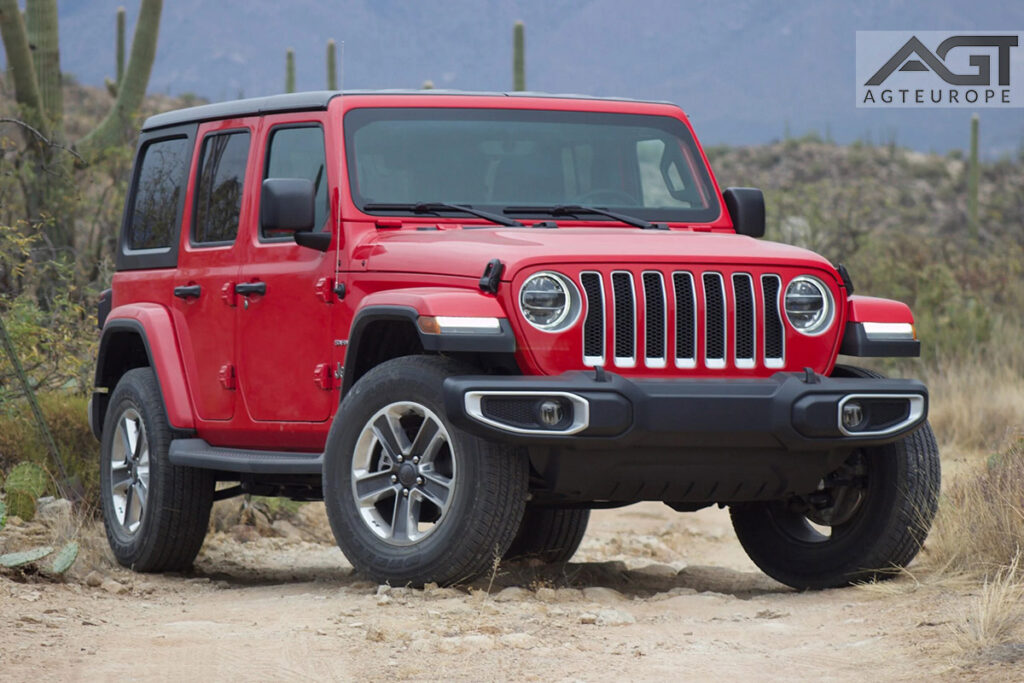
With 1,688 complaints and 14 recalls logged by NHTSA as of 2025, the 2018 Jeep Wrangler JL is one of the most problematic model years to date, particularly when it comes to steering and suspension issues. The overwhelming volume of steering-related complaints (over 1,000) and suspension issues (over 300) proves that this Jeep is dangerously unstable at highway speeds.
The infamous “death wobble,” a violent front-end shake triggered by minor road imperfections, is not only well documented but frequently unresolved, even after multiple repairs. Owners report spending thousands replacing parts like steering dampers, track bars, tie rods, and shocks, yet the wobble often returns.
One confirmed cause is the factory aluminum steering gear box, which suffers from excessive flex and failure in cold temperatures. Jeep acknowledged this with a Technical Service Bulletin, but no full recall exists, leaving many drivers stuck with unsafe vehicles and large repair costs.
Drivers also report loss of power steering, wandering on highways, and steering that locks up during turns, creating life-threatening conditions at both high and low speeds.
Even after recall repairs, the vehicle may remain unstable, with no consistent fix provided. Numerous incidents describe the Jeep shaking uncontrollably after hitting bumps, forcing drivers to nearly stop on busy highways to regain control.
Adding to the trouble are electrical failures that trigger warning lights, disable steering, or cause unexpected engine shutdowns. Transmission issues are also reported, including failures to shift out of first gear and stalls that leave drivers stranded in traffic.
2020 Jeep Wrangler
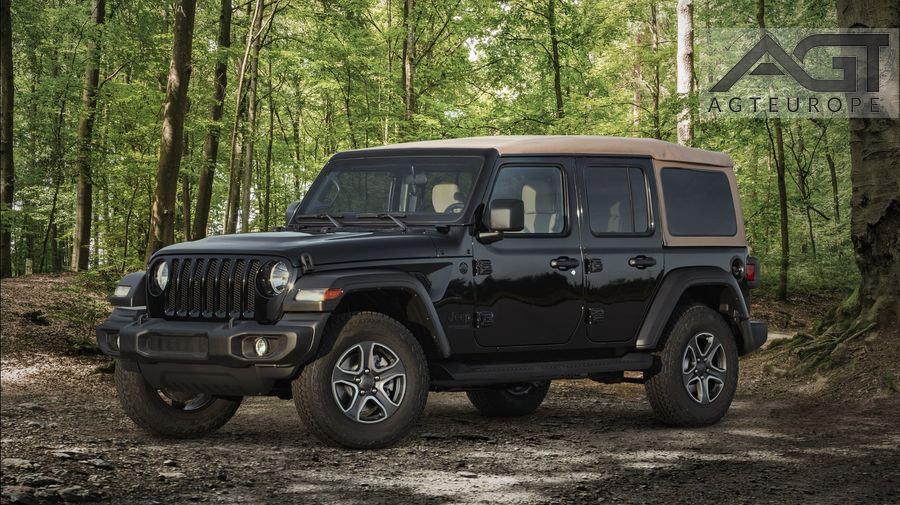
With 11 recalls and 455 NHTSA complaints up to now, the problems range from unresolved steering defects to electrical failures and dangerous powertrain malfunctions. Most alarming, the notorious “death wobble” or violent front-end shaking at highway speeds still hasn’t been fully addressed.
Where the 2020 Wrangler breaks new ground in problems is its electrical system, particularly the instrument panel cluster (IPC). Dozens of owners reported the IPC going completely dark while driving, cutting access to critical information like speed, fuel levels, temperature, and warning indicators.
We experienced the same: the dash went black while cruising at 55 MPH, no warning lights, no speed reading, nothing. We pulled over and power-cycled the Jeep, and it restarted normally only to fail again a few days later. Our local dealership confirmed an internal short in the IPC, but the repair wasn’t covered despite a recall (24V652000) being issued for similar vehicles.
The CAN bus connector, a key electrical hub, has also been widely reported as defective. When it fails, it can knock out steering, transmission control, engine response, and more. Owners described terrifying moments where the Wrangler lost steering or wouldn’t brake, especially when warning lights simultaneously lit up the dash.
Other critical recalls in 2020 include three back-over prevention failures, disabling the rearview camera and center brake light, as well as powertrain-related issues like overheating clutch pressure plates, which increase the risk of fire or drivetrain loss.
Common Jeep Wrangler Problems
Here are the common reliability issues that span across Jeep Wrangler models that take a toll on owner satisfaction:
- “Death wobble” steering instability: Violent front-end shaking, often called “death wobble,” remains a major safety issue, especially in JL (2018–2020) and JK (2007–2018) models. This occurs when hitting minor bumps at highway speeds and can persist despite repeated repairs.
- Airbag/clock spring failures: Faulty airbag clockspring assemblies trigger persistent warning lights and non-deployment risks in various model years (2007–2012). Many owners report multiple recalls and repeat replacements that fail to resolve the issue.
- Electrical system malfunctions (TIPM / IPC): Electrical failures, often involving the TIPM or the instrument panel cluster, lead to dashboard blackout, loss of steering control, and even engine shutdowns while driving.
- Engine problems: Many Wrangler owners report their vehicles stalling randomly, with no warning or engine codes, especially during turns or highway driving. The JK (2012) generation’s Pentastar engine also faced valve guide issues and cylinder head failures.
- Transmission failures: Problems include slipping out of first gear, failure to engage reverse, and inability to shift into park, prompting recalls and TSBs. These issues are particularly noted in models from 2007–2010 and 2012–2014.
- Fuel system leaks & refueling backflow: Across multiple model years, Wranglers have been reported to spit fuel during refills, due to cracked valves or faulty filler-neck design, posing serious fire and environmental hazards.
Suspension & steering component wear: Beyond the wobble, loose tie rods, track bar flex, and aluminum gearbox defects cause wandering steering and unstable handling, particularly on highway drives. Despite service bulletins, these issues remain unresolved.
See more cars to avoid & common issues: