
Avoid the 2011–2015 Jeep Grand Cherokee model years due to severe issues like TIPM-related electrical failures, engine stalling, transmission malfunctions, and spontaneous headrest deployments. These defects pose serious safety risks and high repair costs.
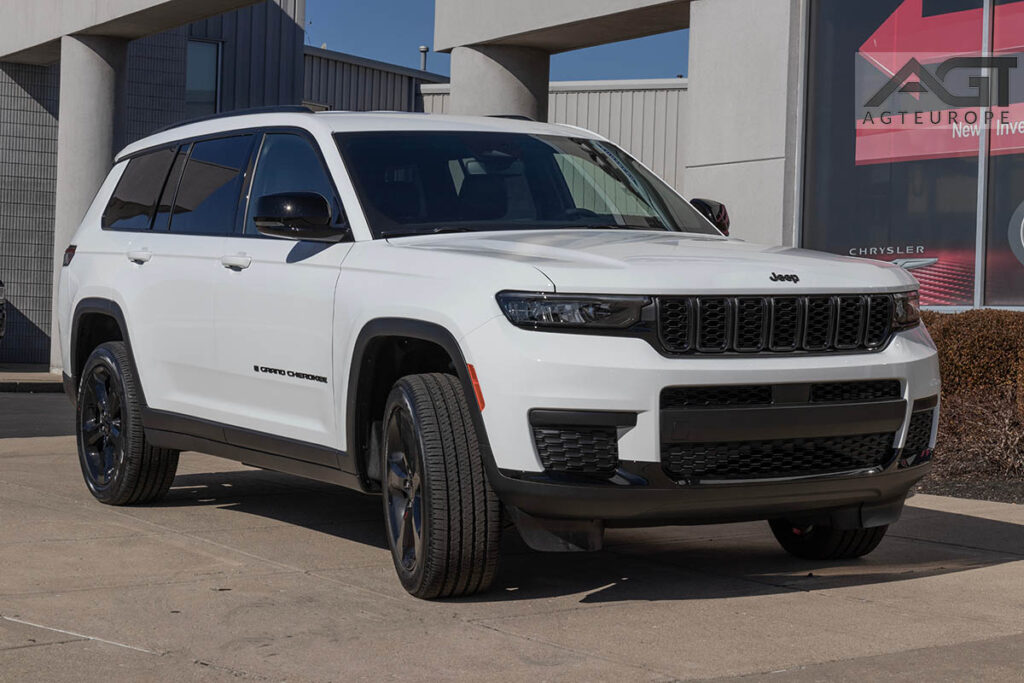
Explore full breakdowns and real owner reports below!
In This Article:
What Year Jeep Grand Cherokee To Avoid
2011 Jeep Grand Cherokee
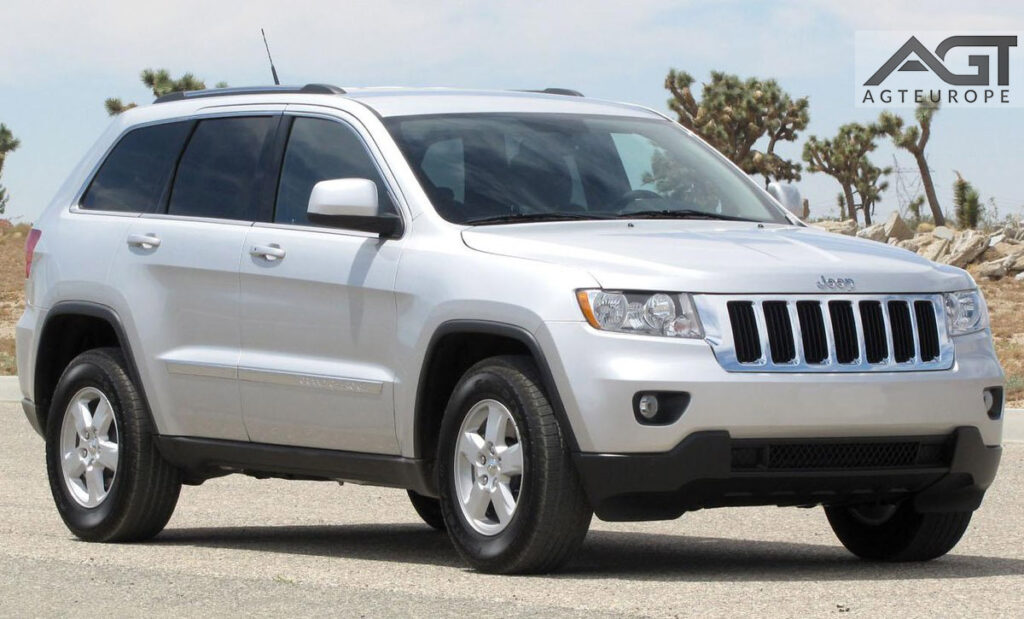
1,622 complaints and 6 recalls reported to the NHTSA as of 2025 reveal a troubled SUV. The 2011 Jeep Grand Cherokee was plagued by severe electrical, engine, and braking issues.
The most alarming pattern involves the electrical system, specifically the alternator. Numerous owners report alternator failures that caused smoke, fire, and complete power loss, even while driving at highway speeds.
In our own case, while commuting home, we heard a high-pitched whine, smelled burning, and saw smoke streaming from under the hood. We popped the hood, and sure enough, the alternator was glowing red-hot and smoldering. It kept smoking even after the battery was disconnected, and we stood ready with a fire extinguisher for nearly an hour.
The engine problems are just as dire. The Pentastar 3.6L V6 is notorious for oil leaks, valve failures, and even full engine replacements, often with no warning. Timing chain and camshaft problems result in engine stalls at speed, misfires, or outright shutdowns. Many owners have faced repair bills north of $7,000, and in several cases, their vehicles were written off completely after unexpected stalls.
Braking problems complete this trifecta of risk. Failures in the brake booster and master cylinder have led to loss of stopping power, and even after recalls, the issues often resurface. Some drivers have reported lunging forward unexpectedly while braking, while others experienced total failure in traffic. Worse, some components are on national backorder, leaving vehicles unrepairable and unsafe to drive.
2012 Jeep Grand Cherokee

With 11 recalls and over 1,600 complaints logged with the NHTSA as of 2025, the 2012 Jeep Grand Cherokee is one of the most recall-ridden and problematic SUVs of its era. What makes this model especially concerning is the sheer volume and severity of the issues, particularly in the electrical system, which accounts for more than 800 complaints alone.
The problems begin with frequent stalling, both while idling and at highway speeds. In many cases, the engine cuts off without warning, disabling critical functions like power steering and brakes.
Owners consistently report sudden stalls while braking, turning, or accelerating, increasing the risk of rear-end collisions or loss of vehicle control. Jeep attempted fixes through the 15V115000 recall yet failed to resolve the problem, leading to repeated incidents and further safety concerns.
Underlying many of these failures is a recurring defect in the fuel pump relay system and the alternator, both of which are prone to sudden electrical shorts.
The alternator, in particular, has been reported to overheat, smoke, or even catch fire, often damaging the Power Control Module (PCM) and battery in the process. Despite recalls being issued for select VINs, countless owners found themselves excluded from the official safety campaigns, leaving them to pay out of pocket for dangerous design flaws.
Electrical gremlins don’t stop there. Owners also report malfunctioning headlamps, faulty sensors, and repeated battery drain, with some unable to start their vehicles or suffering unexpected dashboard warning lights. One particularly egregious case involved complete fuse box failure, causing a total loss of power and requiring towing.
Even after multiple recalls, Jeep’s fixes appear partial, delayed, or ineffective, and in some cases, parts are on national backorder. Add in fuel system complications, sensor faults, and occasional camshaft issues, and the 2012 Grand Cherokee becomes a real headache.
2013 Jeep Grand Cherokee
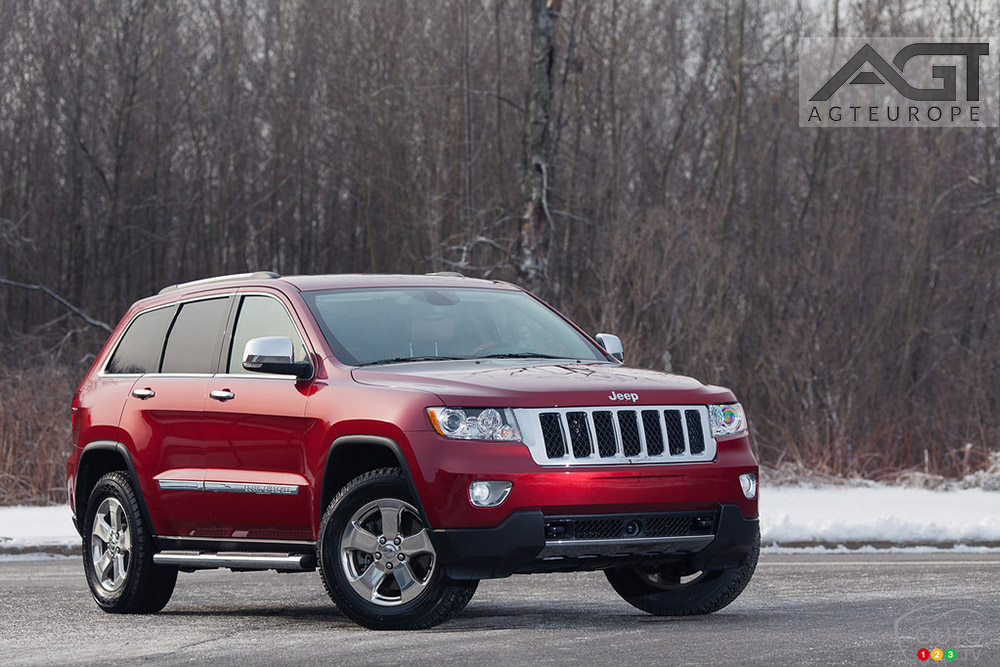
The 2013 Jeep Grand Cherokee has earned its reputation as one of the most problematic model years in the Grand Cherokee lineup, with 10 recalls and 785 NHTSA complaints as of 2025. Issues span the engine, brakes, transmission, and electrical problems, especially those related to the TIPM.
We personally experienced intermittent no-start issues beginning in early 2025. On one occasion in April, the vehicle failed to start at all. The starter clicked but never engaged, even though all electronics were functioning.
The only temporary fix was disconnecting and reconnecting the battery. We later received diagnostic code P0113 (Intake Air Temp Sensor Circuit High Input) and were told the TIPM might be at fault.
This aligns with hundreds of owner reports describing random shutdowns, no-start conditions, burning smells from the fuse box, a complete loss of power while driving, or even engine fires.
Even after multiple recalls, including NHTSA Campaigns 15V115000 (fuel pump relay), 19V813000 (electrical system), and 17V572000 (brake booster), owners report that symptoms return or worsen after so-called repairs.
Compounding the problem is a long list of mechanical failures tied to electrical malfunctions. Cases in point are stalling during turns and braking, intermittent loss of brakes and steering, faulty headlamp assemblies that provide dangerously low visibility, airbags that fail to deploy due to power loss, and cruise control that doesn’t disengage properly.
2014 Jeep Grand Cherokee
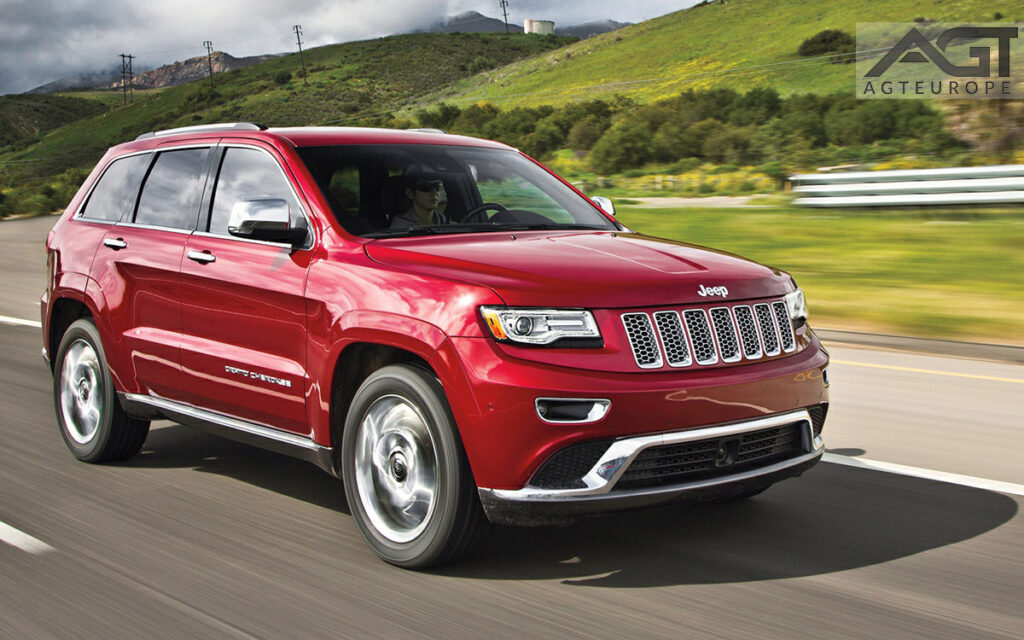
The 2014 Jeep Grand Cherokee is plagued by significant reliability issues, with 19 recalls and over 2,300 complaints logged on NHTSA up to now. One of the most troubling and persistent problems involves the powertrain and transmission.
Numerous drivers report the vehicle unpredictably shifting into neutral while driving, sometimes at highway speeds, or failing to respond when put into drive or reverse. Others describe a complete loss of motive power while in traffic, the transmission locking into 4th gear, flashing gear shifter lights, and erratic gear changes and deceleration without input.
The engine and cooling system have their own share of critical defects. Owners frequently report engine overheating, often due to persistent thermostat failures, radiator leaks, or EGR cooler faults. In several documented cases, engine oil mixed with coolant has been observed in the reservoir, an indicator of head gasket failure or worse, cracked engine blocks.
These engine faults can cause the vehicle to shut off entirely while driving, disabling the brakes and power steering, and potentially leaving the driver stranded in remote areas. Some drivers say this happens without any dashboard warnings.
Airbag safety is also in question, particularly concerning the driver’s active headrest restraint system. Multiple drivers reported that the headrest deployed spontaneously, without any collision or jolt, striking them in the back of the head while the vehicle was stationary or in motion.
Additionally, electrical system malfunctions continue to surface across many 2014 models. Issues range from the TIPM defects and liftgate opening and closing at random (especially after rain), to the total failure of the lighting, radio, and even power steering while the vehicle is in motion.
2015 Jeep Grand Cherokee
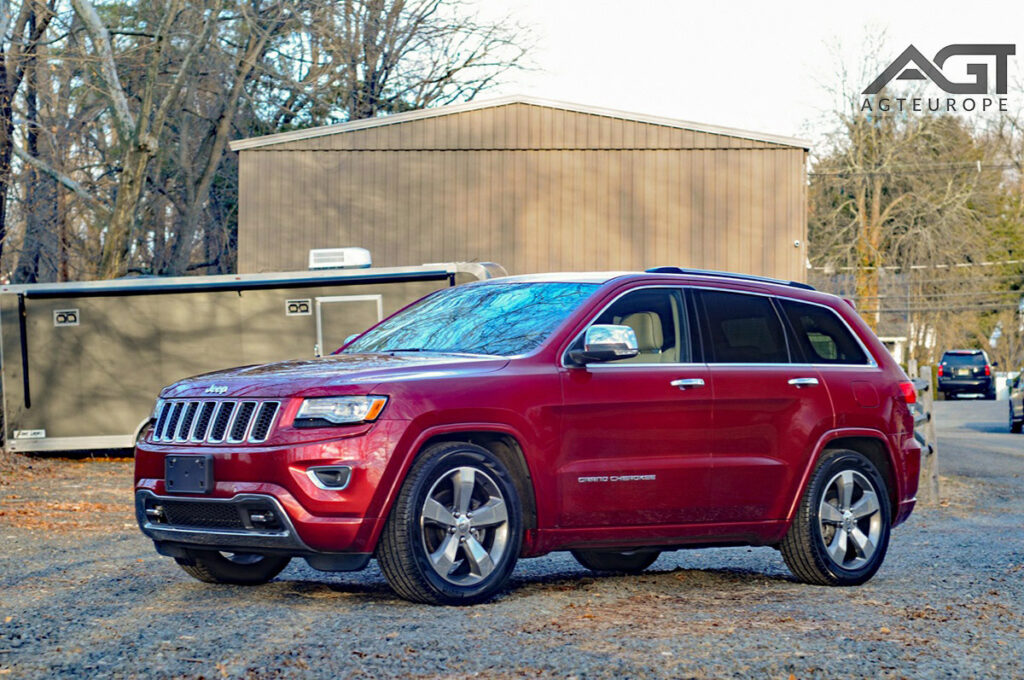
The 2015 Jeep Grand Cherokee continues to show a troubling pattern of safety-critical issues, particularly with the powertrain, engine, and active headrest system. There are 10 recalls and 1,270 NHTSA complaints as of 2025, many of them echoing unresolved or recurring concerns. Transmission and powertrain issues remain a dominant concern.
Engine reliability is similarly poor. The 3.6L Pentastar engine and the 3.0L EcoDiesel are both plagued by chronic failures, including lifter ticking, coolant intrusion, throttle body defects, and overheating tied to faulty EGR coolers. In worse cases, the failed fuel system caused the engine to overheat and seize completely while in a dealership’s care without warning lights.
We’ve owned this vehicle since late 2016 and started experiencing drivetrain hesitation within the first year. By 2020, the power delay when accelerating became so unpredictable. At around 78,000 miles, the headrest on the driver’s side deployed without warning. There was no impact, no pothole, just a loud pop and a painful jolt to the back of the head.
The active headrest failure has been a widely reported hazard. Nearly 300 cases detail spontaneous deployment while driving or while the car was parked. The issue is caused by fragile plastic clips that degrade over time. There are no prior warnings or alerts, and yet deployment can result in concussive force to the back of the head.
Electrical failures are another pervasive theme. Some vehicles will crank but not start, others will show random sensor failures, stalling mid-traffic without ever producing a diagnostic code. The 2015 Grand Cherokee’s TIPM appears to be a root cause for many of the unexplained malfunctions.
Common Jeep Grand Cherokee Problems
Based on owner complaints, we’ve listed the most common reliability issues that the Jeep Grand Cherokee faces:
- Electrical system failures and TIPM defects: Many owners report vehicles not starting, stalling mid-drive, power-loss episodes, or uncontrolled accessory behavior like phantom tailgate opening without any warning. These problems are often traced back to the TIPM.
- Engine stalling and limp mode activation: Sudden engine shutdowns, entry into limp mode, limp acceleration, and stalling at intersections or highway speeds are common. These faults often involve fuel pump or relay failure, throttle/fuel sensor defects, and can occur without check-engine lights or error codes.
- Excessive oil consumption and engine damage: Reports for both the 3.6L Pentastar and 3.0L EcoDiesel engine options describe rapid oil loss (quarts over hundreds of miles), overheating leading to head gasket failure or engine seizure, and lifter or valve-train damage.
- Powertrain transmission failures: Many Jeeps have repeatedly experienced rough shifting, unexpected shifts into neutral, delayed acceleration, jerking, and rolling backward in drive.
- Active headrest deploying unexpectedly: Front headrests (driver or passenger) have fired suddenly without any collision, breaking plastic clips and sending force into occupants’ heads.
- Cooling system malfunctions and engine overheating: Some symptoms include frequent overheating due to EGR cooler leaks, coolant mixing with oil, recurring thermostat failures, and engine compartment fires.
Fuel system and relay issues: Fuel pump relays and Mega fuse short-outs cause loss of fuel pressure, stalling, and failure to start.
See more cars to avoid & common issues: