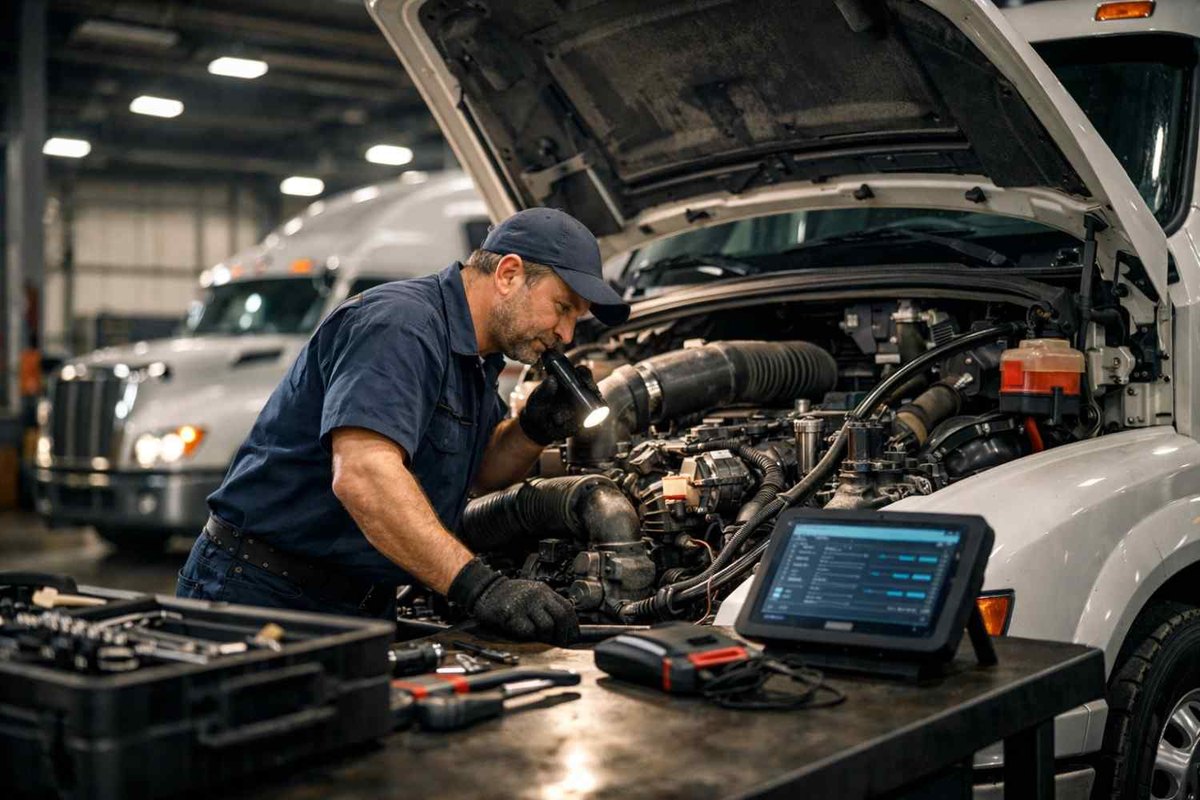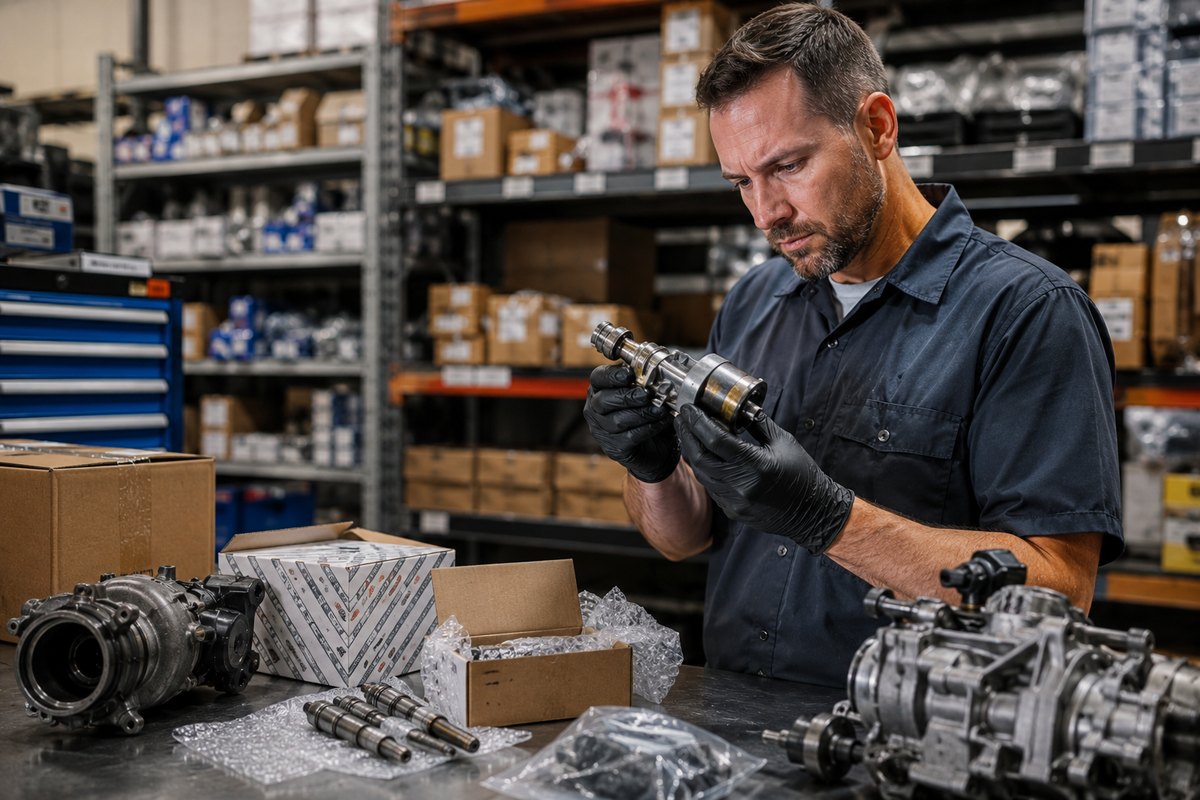

The worst Hyundai Santa Fe years you should avoid include 2007, 2008, 2009, 2012, 2013, and 2017. These models have been linked to major problems such as catastrophic engine failures, fire risks from ABS modules, faulty fuel gauges, steering defects, excessive oil consumption, and transmission issues.
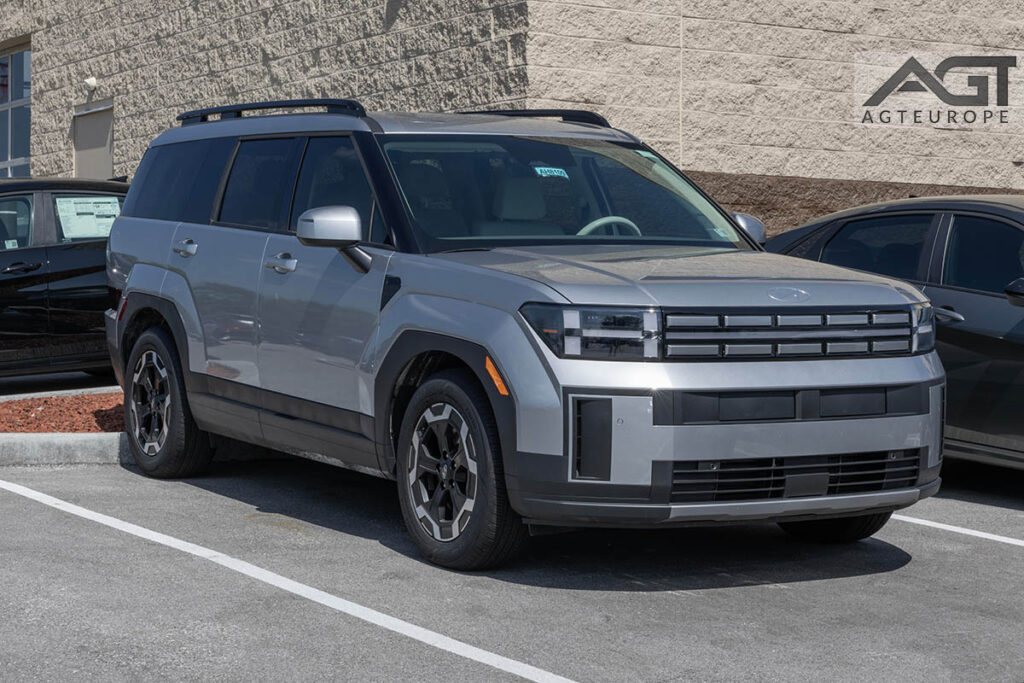
Keep reading for a breakdown of each problem and which model years deliver the best reliability and peace of mind!
In This Article:
What Year Hyundai Santa Fe To Avoid
2007 Hyundai Santa Fe
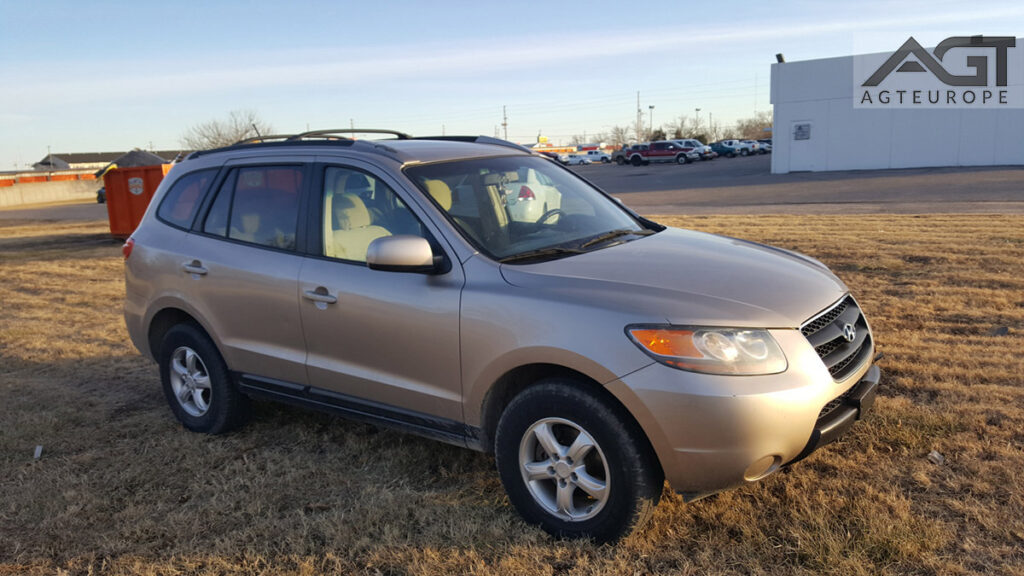
The 2007 Hyundai Santa Fe has racked up 678 complaints and 9 recalls according to the NHTSA, with the data current as of 2025. The main concerns revolve around electrical failures and fuel system malfunctions.
A widely reported defect involves the check engine light staying on persistently and the fuel gauge failing to work correctly, even after the tank is filled.
Drivers often see the gauge drop to empty, triggering the low fuel warning. This forces many to rely on their trip meters to avoid being stranded, as the system fails to provide accurate fuel readings. It’s not just annoying but can also be dangerous, especially for younger or less experienced drivers.
Another major complaint revolves around the fuel level sensor and fuel pump system, which seem to fail prematurely. Many owners describe the gas smell inside the cabin and pressure issues even after multiple repairs. Electrical glitches compound the frustration, with headlights flickering when braking and faulty brake light switches making it difficult to shift out of park.
Then there’s the safety factor: recurring airbag warning lights and reports of airbags failing to deploy in crashes. Despite Hyundai issuing several recalls, including for the valve cover gasket leaking oil onto the alternator, many say dealers either refused service or claimed the recall was no longer valid.
2008 Hyundai Santa Fe
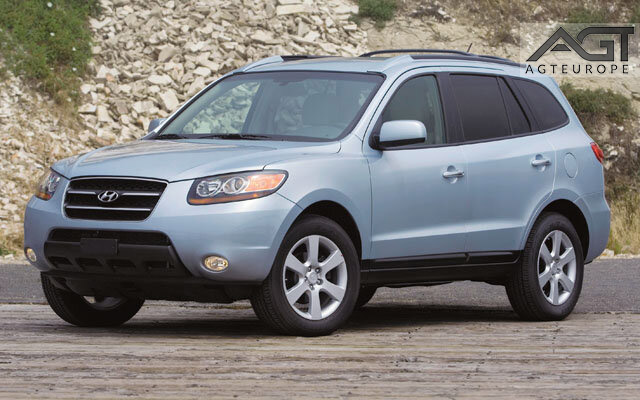
As of 2025, the 2008 Hyundai Santa Fe has 535 complaints and 6 recalls on record with the NHTSA, reflecting red flags like malfunctioning fuel systems, stalling engines, and airbag problems.
A major headache for many drivers is the fuel gauge failure. The check engine light often turns on without warning, and the gauge reads incorrect fuel level or even drops to empty, even when the tank is full.
In our experience, the needle started bouncing up and down after we filled up 6.9 gallons. It showed “E” for two days straight before slowly climbing back. These symptoms line up with a known sensor issue (code P0463), and replacing the sensors or pump might not guarantee a fix. Many owners report the problem returning within months, making it both expensive and unreliable.
The Santa Fe also suffers from engine stalls, especially at highway speeds. Some cases involve oil leaks from the valve cover dripping onto the alternator. After one such leak, our vehicle stalled suddenly at 55 MPH and had to be jump-started multiple times. Post-repair, we even noticed smoke from under the hood, revealing that the leak was still active.
Adding to the concern are other issues like airbags failing to deploy, random acceleration events, and a lack of accountability from dealerships.
2009 Hyundai Santa Fe
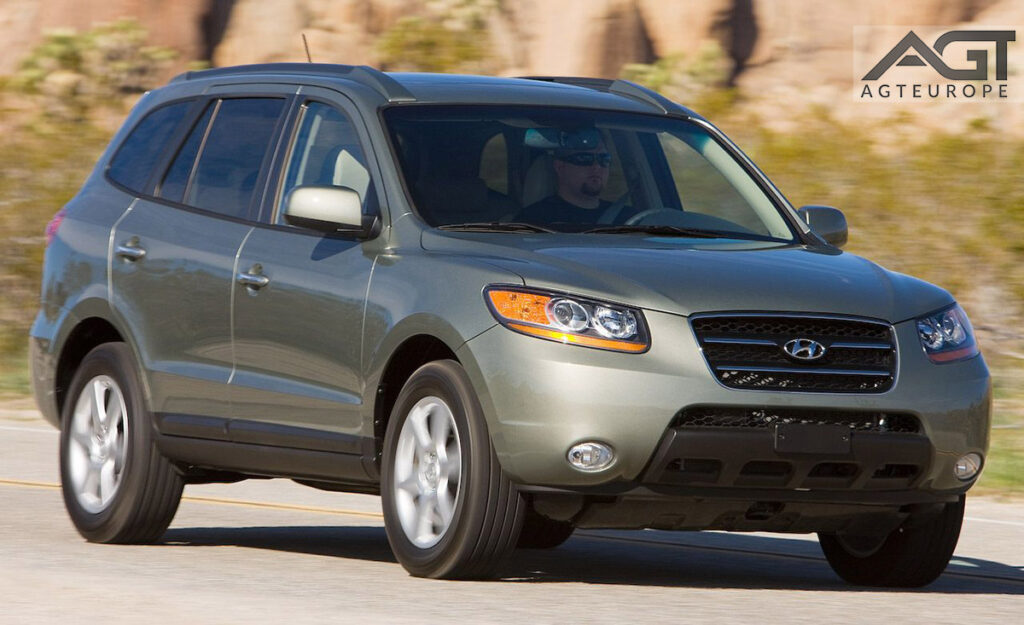
With 352 complaints and 3 official recalls recorded on the NHTSA as of 2025, the 2009 Hyundai Santa Fe sows seeds of concern about the electrical system, braking components, and engine performance.
A well-documented and ongoing issue with the fuel gauge malfunction continues from previous years, with erratic readings and check engine lights plaguing owners. But perhaps even more alarming are the reports of electrical failures, often stemming from defective valve cover gaskets leaking oil onto the alternator.
Even after recall-related repairs were made, many owners report repeated leaks and costly replacements of alternators, gaskets, and spark plugs. In several cases, vehicles suffered sudden losses of power mid-turn or while idling, creating serious safety risks.
The brake system presents its own set of dangers. Owners report random brake failure, hard-to-diagnose brake engagement issues, and leaking brake lines, even though similar problems in later Hyundai Santa Fe models were formally recalled.
One severe incident involved a family of four spinning off a freeway and flipping the SUV due to simultaneous brake failure and airbag non-deployment. Other drivers describe ABS warning lights, stiff or unresponsive pedals, and multiple unresolved dealer visits.
Besides, unintended acceleration and random engine stalls are also reported.
2012 Hyundai Santa Fe
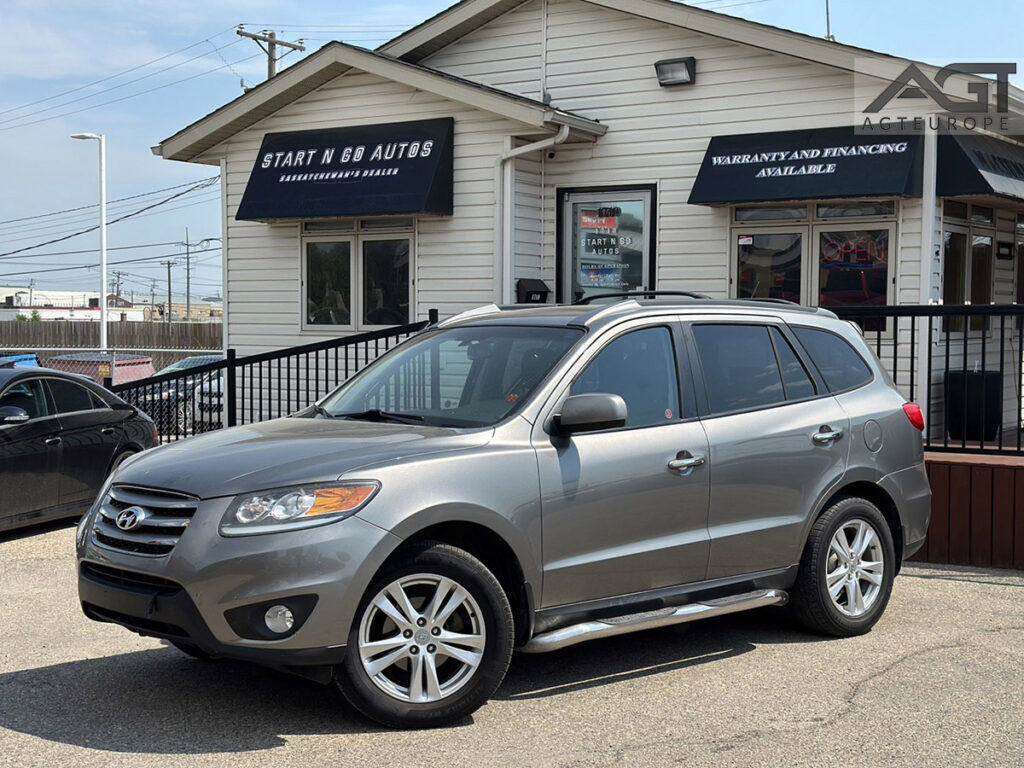
At first glance, the 2012 Hyundai Santa Fe may seem like a safer pick among older SUVs, with just 1 recall and 344 NHTSA complaints as of 2025. But a deeper look reveals that nearly two-thirds of these complaints involve engine failure, a critical and often catastrophic problem for owners.
The most alarming issue is the failure of the connecting rod bearings, which can lead to total engine shutdowns, stalls at highway speeds, or even engine fires. Despite an industry-wide spotlight on Hyundai’s Theta II engine defects, many Santa Fe owners find their VINs excluded from active recalls. This has left them stranded and stuck with multi-thousand-dollar repair bills.
In our case, the check engine light came on while exiting a store parking lot. The dash lit up, the engine made a loud metallic clatter, and we couldn’t move the car. It had to be towed twice and diagnosed by three separate shops, each confirming complete engine failure.
Hyundai refused coverage, citing the vehicle wasn’t part of the recall. That incident triggered months of hardship, including being unable to commute safely and taking a major financial hit.
Beyond the engine, the electrical system is unreliable, causing repeated stalling, power loss, and limp mode activations, often immediately after software updates intended to fix the engine issues. Worse, the 2012 Santa Fe earned only 2 out of 5 stars in the NHTSA side crash test, raising additional concerns about occupant safety.
2013 Hyundai Santa Fe
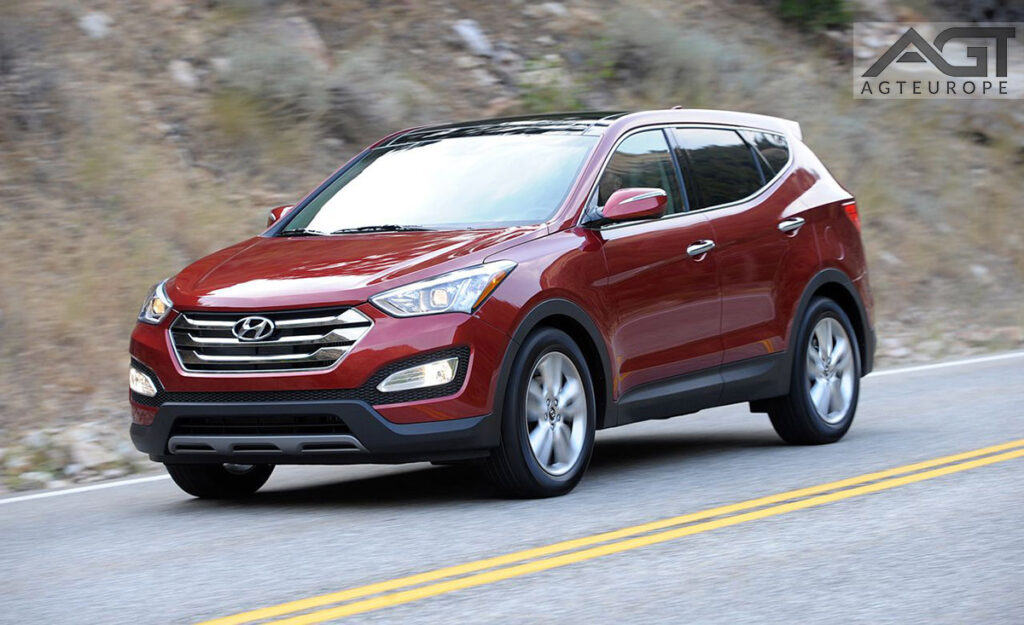
With 603 complaints and 3 recalls logged with the NHTSA as of 2025, the 2013 Hyundai Santa Fe continues the troubling legacy of reliability issues that have plagued previous model years.
The most serious concern isn’t just the recurring engine failures, which have already been well documented across multiple Hyundai models.
This year, the 2013 Santa Fe received an urgent “FIRE RISK WHEN PARKED” warning from the NHTSA due to a faulty ABS module that can cause engine compartment fires, even when the car is turned off. That kind of risk demands immediate attention and raises questions about the vehicle’s fundamental safety.
Compounding the danger is a widespread steering defect. Over a dozen reports describe steering wheel seizing, drift under acceleration, or structural failures of the steering column.
One particularly serious incident involved the steering locking at just 35 MPH, causing a three-time rollover crash that sent all passengers to the hospital. Others reported clicking noises, vague or unresponsive steering, and unexpected left or right pulls, sometimes misdiagnosed as suspension system issues despite no visible faults.
2017 Hyundai Santa Fe
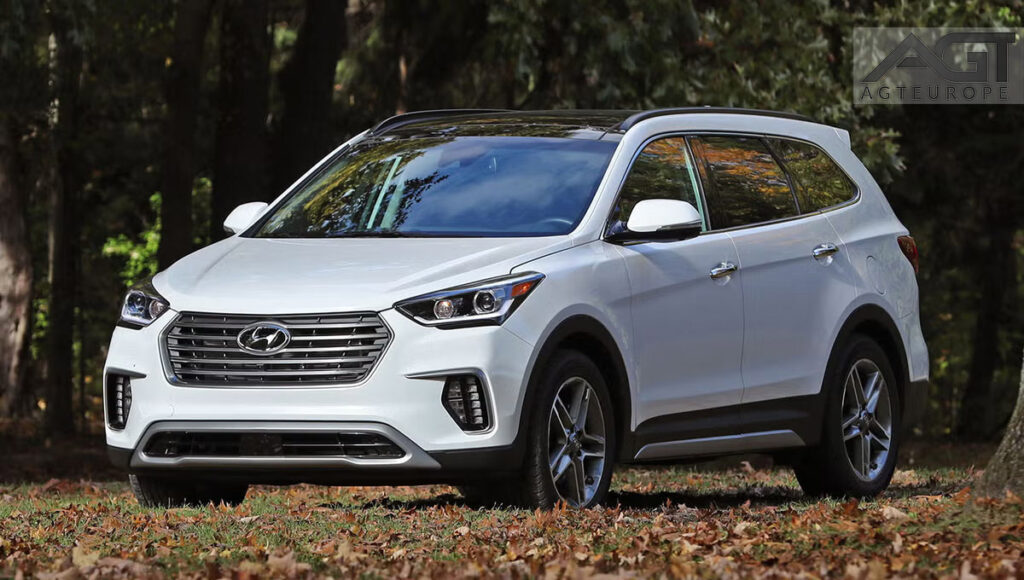
With 827 complaints and 6 recalls currently registered with the NHTSA (as of 2025), the 2017 Hyundai Santa Fe has become one of the most problematic model years. Again, this model still gets the urgent “FIRE RISK WHEN PARKED” warning issued by the NHTSA.
The most widespread issue, though, is the engine. Over 500 complaints cite engine knocking, stalling, or a complete engine seizure, excessive oil consumption, or violent mechanical breakdowns. Many owners shared that they had to change the engine oil every 500 to 700 miles, some had to top it off with 2 to 5 quarts every week.
In our case, while driving on the Pennsylvania Turnpike, a violent metal-on-metal sound struck, followed by total power loss. The vehicle coasted to a stop as we were stranded 130 miles from home, forced to tow the car and spend the night in a hotel. Certified mechanics confirmed catastrophic engine damage, and like many others, we were told our VIN wasn’t eligible for any remedy, despite multiple past recalls.
Other troubling symptoms include jerky and unpredictable transmission behavior, especially when shifting from first to second gear. Owners report hard jolts, power loss, and uncommanded acceleration. Some dealerships acknowledge the issue but offer no fix unless a warning code appears, despite repeated visits and video evidence.
Hyundai Santa Fe Problems
Here are the common problems that affect multiple Hyundai Santa Fe model years based on owner experiences:
- Engine failure and excessive oil consumption: A recurring issue across many model years, from Theta II-bearing 2012–2013 to later 2017 models, includes engine stalling, sudden failure, and rampant oil burning.
- Transmission hesitation and hard shifting: Owners report sluggish gear engagement, hard or jerky shifting between gears, especially noted in 2007–2009 and again in 2017, impacting both smoothness and safety.
- Electrical system malfunctions: Problems such as check engine light flickers, dashboard display failures, battery or alternator faults, and stalling due to alternator issues are widespread across several years.
- Fuel gauge/sensor failures and leaking gaskets: From 2007 to 2009, and recurring in later models, faulty fuel-tank sensors cause erratic gauge readings and unwarranted low-fuel warnings.
- ABS module fire risk while parked: A serious and urgent safety recall warns of engine compartment fires from a defective ABS unit, even with the vehicle off, covering models built from 2013 onward.
- Steering and suspension failures: Many owners of 2013 and other years report locked or seized steering wheels, drifting under acceleration, disappearing steering assistance, and faulty steering components, even causing rollover accidents.
- Airbag deployment and ignition switch issues: Numerous recalls and complaints involve airbags not deploying, warnings of unintended movement due to faulty ignition springs, and wiring problems affecting airbag systems.
FAQs
How Many Miles Will A Hyundai Santa Fe Last?
The average lifespan of a well-maintained Hyundai Santa Fe falls between 200,000 and 250,000 miles, though models from problematic years may experience serious issues earlier. Regular maintenance and avoiding engine-defective years greatly influence the SUV’s lifespan.
Is The Hyundai Santa Fe A Reliable Car?
The Santa Fe has inconsistent reliability, with some years plagued by engine failures and recalls. However, recent models and certain early-year trims are considered dependable when properly maintained, making reliability highly year-dependent.
What Are The Best Hyundai Santa Fe Years?
According to owner reviews, the 2016, 2018, and 2019 model years are considered the most reliable. These years have fewer recalls, better crash-test ratings, and minimal engine or transmission complaints compared to other model years.
See more cars to avoid & common issues: