
It’s best to avoid the 2025, 2008, 2013, 2014, and 2020–2022 Ford Escape models. These years suffer from major issues like engine failure, transmission problems, power steering loss, cracked fuel injectors, and structural door defects. Some also pose fire risks and hybrid system failures, making them unreliable and costly to maintain. All these issues are disappointing for a brand known for producing historically reliable Fords like the F-150 and Fusion.
For more details about the years to avoid regarding the Ford Escape, keep reading!
In This Article:
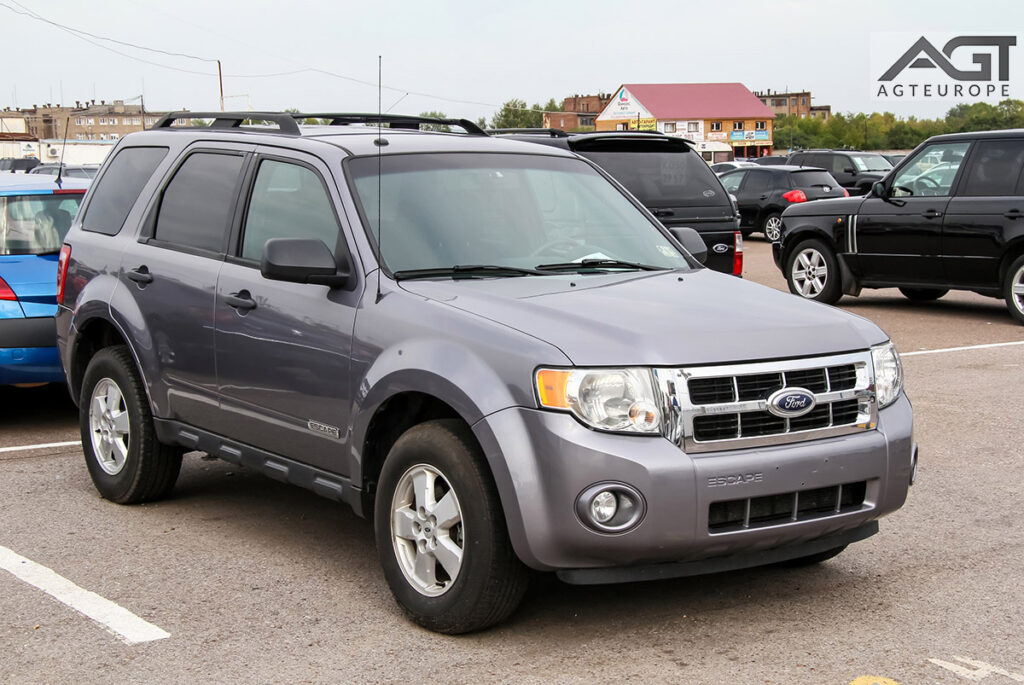
7 Worst Years For The Ford Escape
2005 Ford Escape
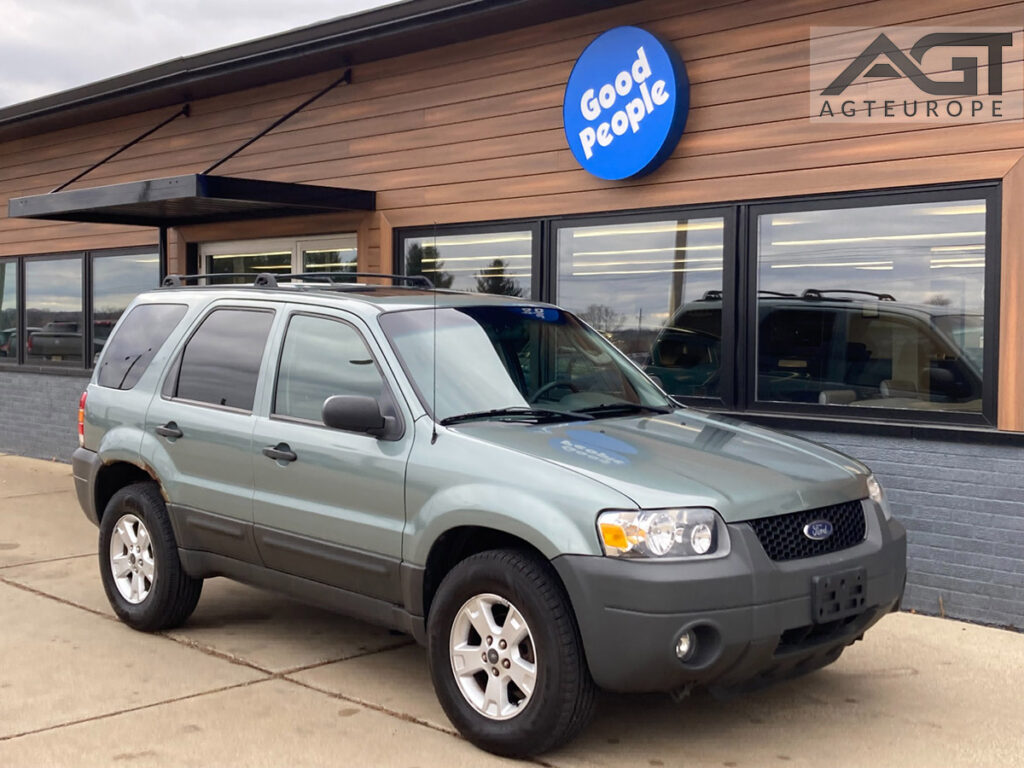
With 1,581 complaints and 5 recalls on NHTSA as of 2025, the 2005 Ford Escape is one of the riskiest compact SUVs of its time, mostly due to severe rust-related structural failures and unpredictable engine or electrical shutdowns.
Many owners have reported catastrophic rust in the subframe and rear wheel wells, which often leads to sudden steering loss or shock tower separation. In several cases, vehicles veered off-road after subframe breakage, even at low speeds. Others noted loud clanking or banging noises before discovering that a rear shock had disconnected entirely from a rusted-out frame, despite minimal surface rust elsewhere.
The NHTSA campaign number 14V165000 attempted to address structural problems, but many owners report that their vehicles were excluded from this recall, even though they experienced identical failures. Rust damage to suspension and wheel wells has rendered some Escapes completely undrivable at around 100,000 to 140,000 miles.
Beyond structure, complaints also highlight dangerous engine stalls while driving, even at highway speeds. These are linked to failing PCM units, alternators, and fuel system glitches, often leaving drivers stranded or forced to navigate traffic without steering or brakes. Many reported the Check Emissions System light flashing intermittently, with no clear diagnostic resolution.
2008 Ford Escape
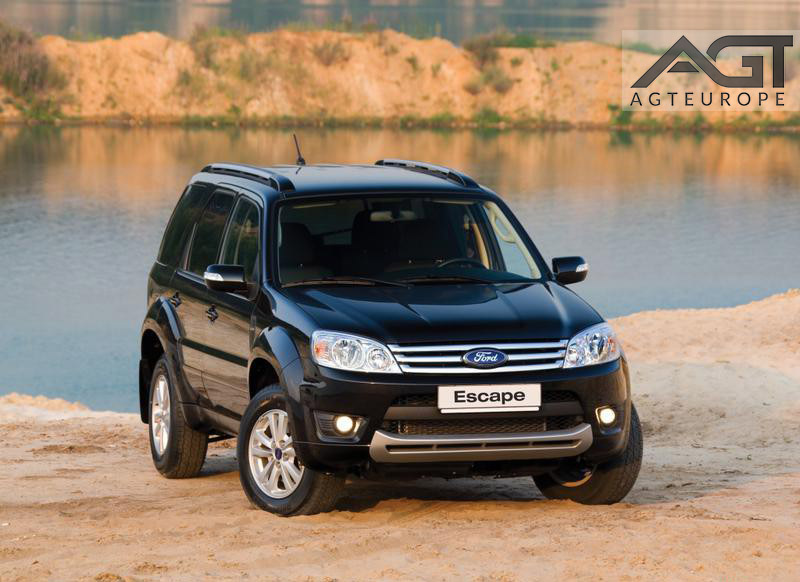
As of 2025, the 2008 Ford Escape has logged 2,390 complaints and 6 recalls with the NHTSA, making it one of the most problematic years for this compact SUV. The most alarming issue by far is the power steering failure, accounting for over 1,200 complaints.
Many owners report that the steering wheel becomes stiff without warning, making it nearly impossible to turn at low speeds or while parking. Some describe needing to shut off and restart the vehicle just to regain limited control. Unfortunately, these failures often occur without any warning lights or diagnostic codes, increasing the danger of unexpected loss of steering while driving.
While Ford issued Recall 14V284000 to address the electronic power steering system, countless owners say their VINs were excluded, despite identical symptoms. This oversight has left many paying for expensive repairs out of pocket, with some forced to tow their vehicle after complete steering loss.
Aside from steering, the 2008 Escape also suffers from transmission issues, including delayed shifts, gear slippage, and even unintended rolling when parked. In multiple cases, drivers had to shift into second gear just to move forward. Adding to the frustration are frequent braking failures, from spongy pedals to complete brake loss during panic stops. Mechanics often cite failure of the hydraulic control module, a part that is reportedly backordered nationwide.
2013 Ford Escape
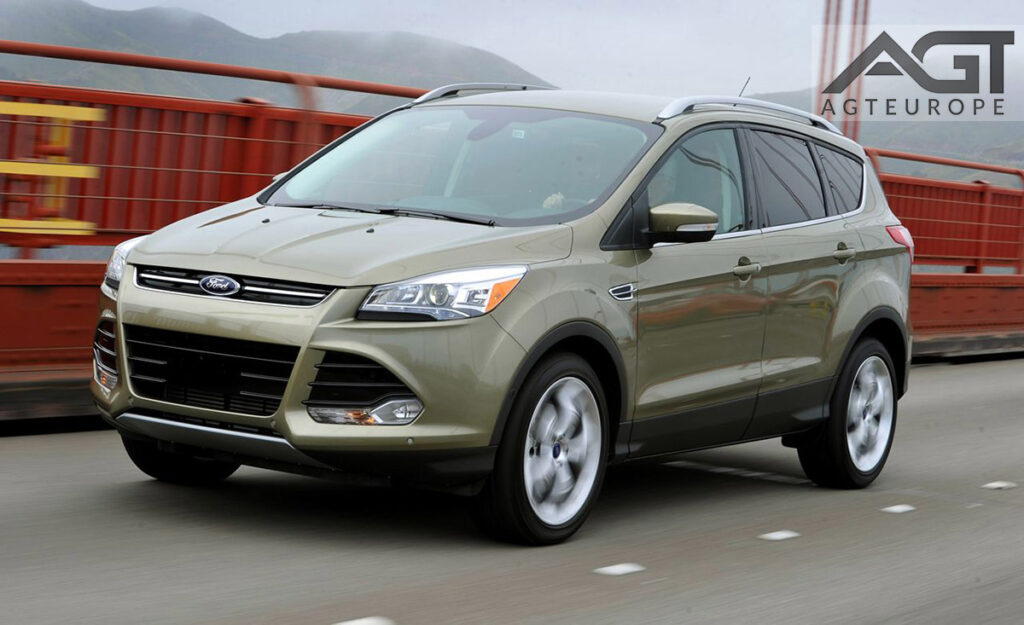
With 2,685 complaints and 17 official recalls up to now, the 2013 Ford Escape stands as the worst-rated Escape to date. Its long list of safety hazards includes engine fires, fuel leaks, power loss, stalling, and overheating, often without warning lights.
In fact, NHTSA has issued an urgent “DO NOT DRIVE” warning for specific units due to engine compartment fuel line defects that pose an immediate fire risk. Several owners report that their vehicles suddenly caught fire after stalling, some experiencing smoke filling the cabin and complete electrical loss before barely escaping without injury.
One of the most common and dangerous reliability issues is coolant intrusion into the engine. The symptoms range from white smoke and engine shaking to sudden shutdowns while driving.
We experienced this ourselves on a mild day in spring, no warning lights, just a complete loss of power while turning at a busy intersection. We had to coast into a parking lot using momentum alone. The mechanic later confirmed cylinder head failure caused by internal coolant leaks, a defect echoed by hundreds of Escape owners online.
The 1.6L EcoBoost engine has also been linked to persistent coolant loss, oil leaks, and exhaust fumes in the cabin, which can be dangerous during extended drives. Meanwhile, electrical failures, especially involving the ignition and fuel sensors, cause engine stalling with no error codes, leaving mechanics guessing and owners stuck.
2014 Ford Escape
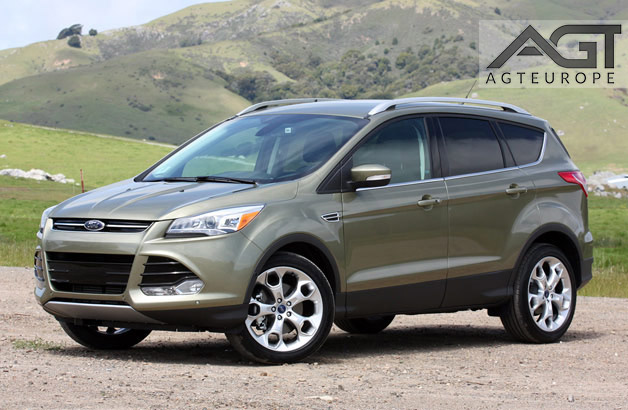
With 1,930 NHTSA complaints and 15 recalls as of 2025, the 2014 Ford Escape continues the troubling trend set by its 2013 predecessor, especially when it comes to engine, cooling, and transmission issues. The most serious concern remains coolant intrusion, a problem where engine coolant leaks into the cylinders, leading to engine overheating, stalling, or total failure.
Many drivers report frequent overheating warnings, white smoke from the exhaust, and rough idling, only to later find out their engines need full replacement. Even though NHTSA Campaign Number 17V209000 covers this issue, many affected vehicles are excluded by VIN, leaving owners to bear expensive repair costs.
Transmission issues are also widespread. Numerous Escape owners have experienced complete transmission failure around 80,000–130,000 miles, often while driving on highways or during routine acceleration.
Symptoms include jerky shifting, gear slippage, and sudden power loss, sometimes accompanied by messages like “Transmission Fault – Service Now.” Despite Ford acknowledging earlier issues with the transmission, many affected vehicles have received no coverage under their recall.
Additional problems with the electric power steering system add another layer of risk. Drivers frequently report the “Steering Assist Fault” message appearing before the steering wheel becomes extremely stiff or locks altogether. This has led to near-miss incidents on highways and side roads alike. Again, in many cases, repairs are denied under warranty due to VIN exclusions.
2020 Ford Escape
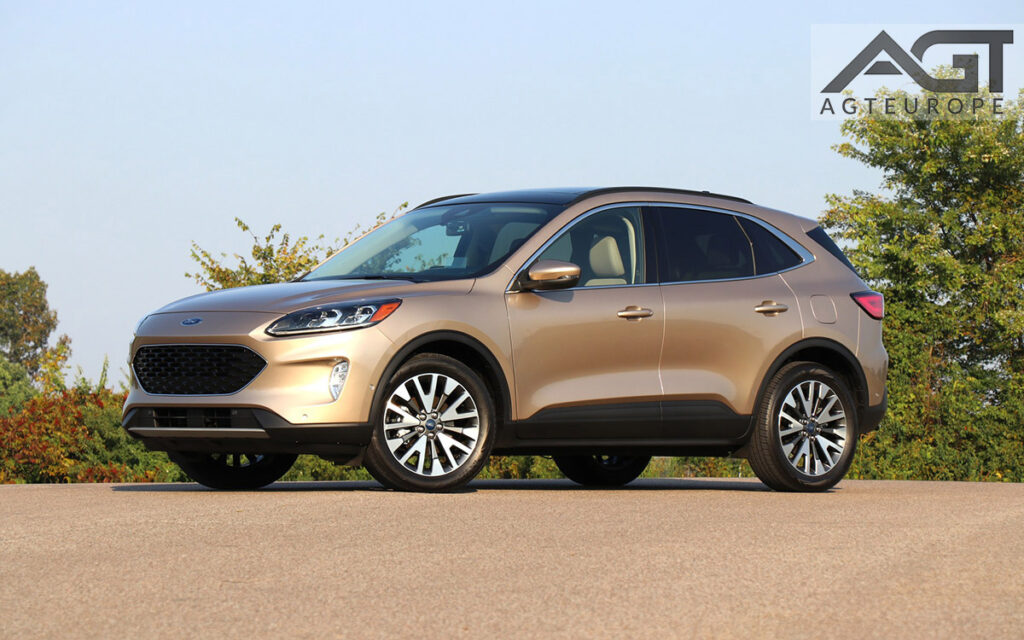
With 1,496 complaints and 17 recalls logged as of 2025, the 2020 Ford Escape, despite being part of a redesign, carries over many of the same issues that plagued earlier models. From structural failures to electrical glitches and powertrain breakdowns, owners are still struggling with reliability and safety.
One of the standout structural issues involves the driver door check bracket, which often breaks free from the frame, causing loud popping noises and sometimes preventing the door from closing properly.
We personally encountered this problem when the wind caught the door and ripped all six rivets free, making it impossible to open the window or secure the door. It cost us over $1,400 at a body shop just to fix, a common story among Escape owners. Other structural complaints include faulty sunroof visors that sag or fall, creating visibility and safety hazards.
The electrical system has its own share of trouble. Owners report false tire pressure alerts, failing AWD modules, and even high-voltage battery failures in hybrids. In our experience, we noticed sudden system errors that disabled collision assist, traction control, AWD, and drive modes all at once, triggering dashboard alerts and compromising safety in poor conditions.
Then, there’s the powertrain. Many drivers have reported park brake malfunctions, gearshift failures, and dangerous stalling events. We had a scare ourselves when the Escape unexpectedly moved forward in park, lightly hitting our garage wall due to a faulty valve body. At under 35,000 miles, these kinds of failures are both frustrating and unacceptable.
2021 Ford Escape
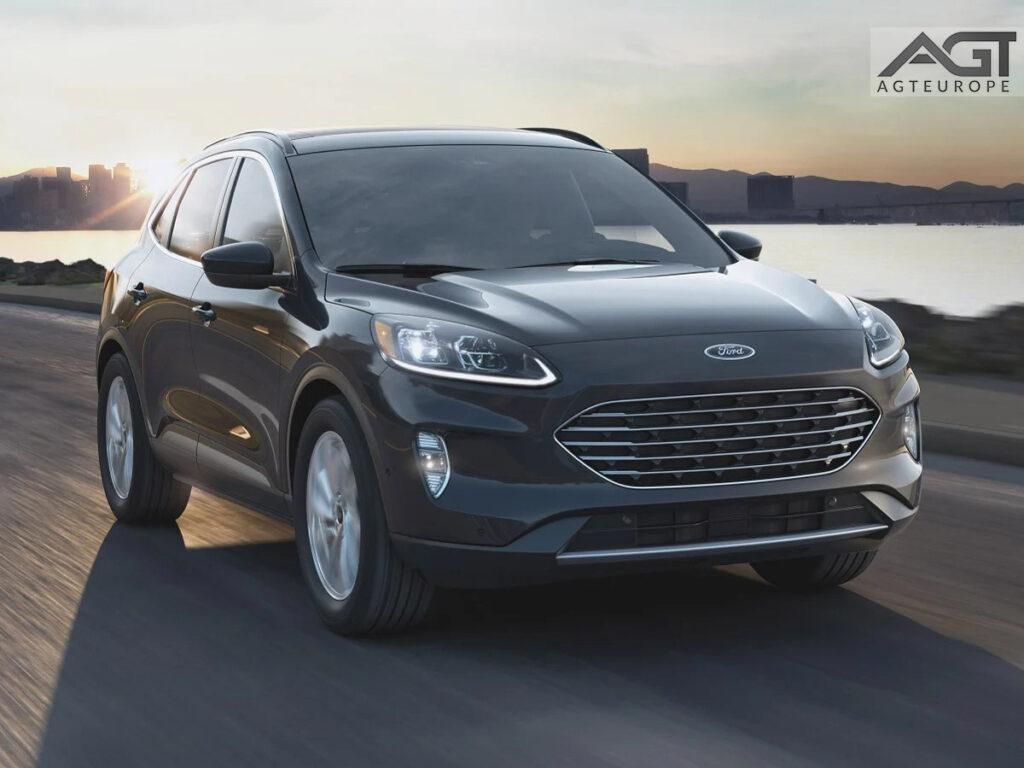
The 2021 Ford Escape may appear more refined than its predecessors. However, with 14 recalls and 328 complaints already reported to the NHTSA up to now, the underlying issues reveal a vehicle still plagued by serious safety and quality problems. Chief among them are electrical and fuel system failures, along with an increasingly well-documented structural defect in the doors.
There are three separate recalls related to the high-voltage battery, which can short-circuit and cause fires or sudden power loss, creating major crash risks. Another three recalls target fuel system defects, specifically cracked fuel injectors that can leak gasoline near hot engine components, a dangerous combination that significantly raises the risk of a vehicle fire. In both cases, the recalls warn owners not to delay service, as these are urgent safety hazards.
More than 100 complaints focus on structural issues, primarily linked to defective door welds and brackets. Owners report loud popping sounds, doors that fail to stay open or slam shut, and in several cases, doors that become completely inoperable. Some drivers have been forced to climb in through passenger doors or abandon the vehicle due to safety concerns.
2022 Ford Escape
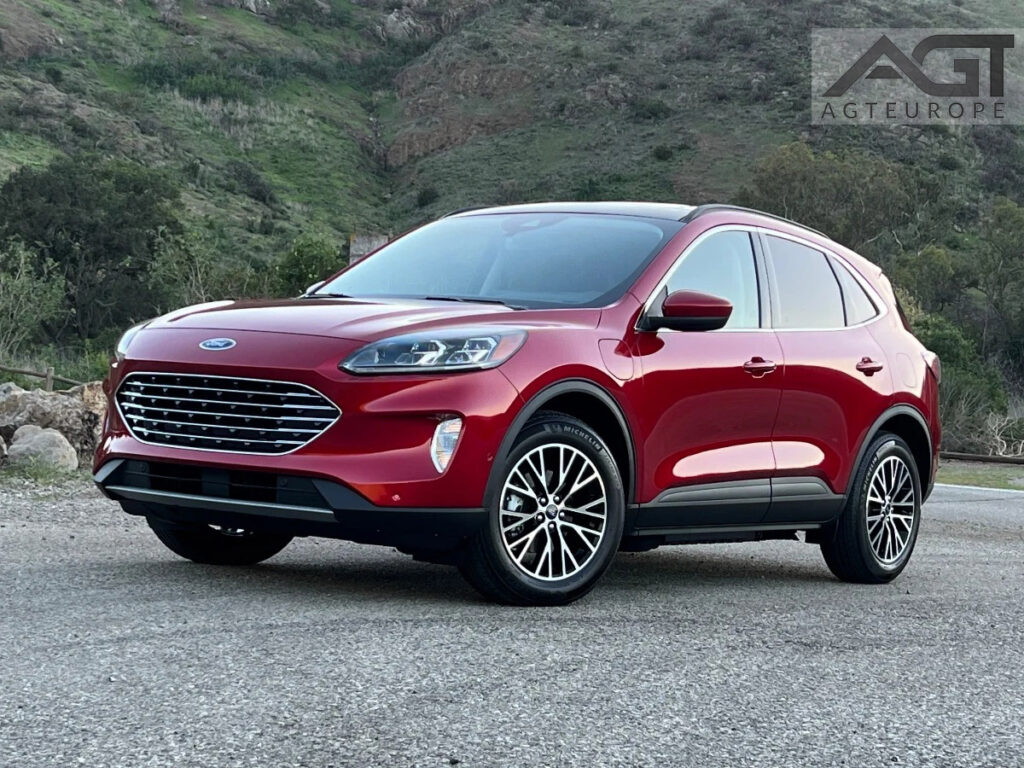
The 2022 Ford Escape has already accumulated 241 complaints and 14 recalls to date, which is alarmingly high for such a recent model year.
A major concern is the fire risk from cracked fuel injectors, a problem that continues from previous model years. Ford issued a recall warning that leaking fuel could ignite when exposed to a hot engine or exhaust components. Battery short-circuits could also cause loss of drive power or fire.
We experienced issues first-hand with our Escape PHEV. Within the first year, we noticed the brakes making odd moaning sounds, especially when reversing. Later, while driving on the highway with under 32,000 miles, the engine suddenly failed, forcing us to coast to safety. The dealership confirmed a major engine issue and repaired it under warranty, but offered no alternative vehicle while our Escape was in the shop.
The driver complaints don’t end there. Some drivers report excessive oil consumption, EGR coolant leaks, and issues related to power loss and burning smells. Others report the timing chains exceeding their service life in under 25,000 miles, triggering limp mode and sudden deceleration. Worse, Ford’s delays in delivering recall fixes have left some owners waiting for months with unresolved issues.
The braking system adds yet another layer of concern. Numerous drivers report metal-on-metal grinding, moaning in reverse, and brakes that grab or fail to engage smoothly.
Common Ford Escape Problems
Here’s a consolidated overview of the most common issues affecting Ford Escape models:
- Frequent engine and stalling failures: Especially prevalent in the 2008, 2013, and 2014 model years, owners reported sudden engine shutdowns, stalling at highway speeds, and even engine fires.
- Transmission slipping and hard shifting: Many owners, notably from 2008, 2013, and 2014 Escapes, reported slipping or harsh gear changes, transmission faults during acceleration, and sudden loss of power.
- Power steering and EPAS failures: From 2008–2011, and even into later models, multiple reports of sudden steering assist loss and stiff steering at low speeds forced NHTSA investigations.
- Door weld/bracket and structural defects: Recurring problems include door check bracket failure, loose welds, and doors that slam shut, won’t stay open, or don’t latch properly.
- Fuel injector cracks and fire hazards: The 1.5L engine lineup, including 2022–2023 Escapes, has been subject to recalls for cracked injectors that can leak fuel near hot components.
- High-voltage battery and hybrid system issues: In PHEV variants of the 2021–2022 Escape, high-voltage battery failures can cause loss of drive power or fire risk. These electrical defects are serious enough to prompt dedicated recalls.
Coolant intrusion and overheating: Common in 2013–2014 models, leaks into the EGR and coolant systems have caused overheating, white exhaust smoke, and cylinder or head failures.
See more cars to avoid & common issues: