
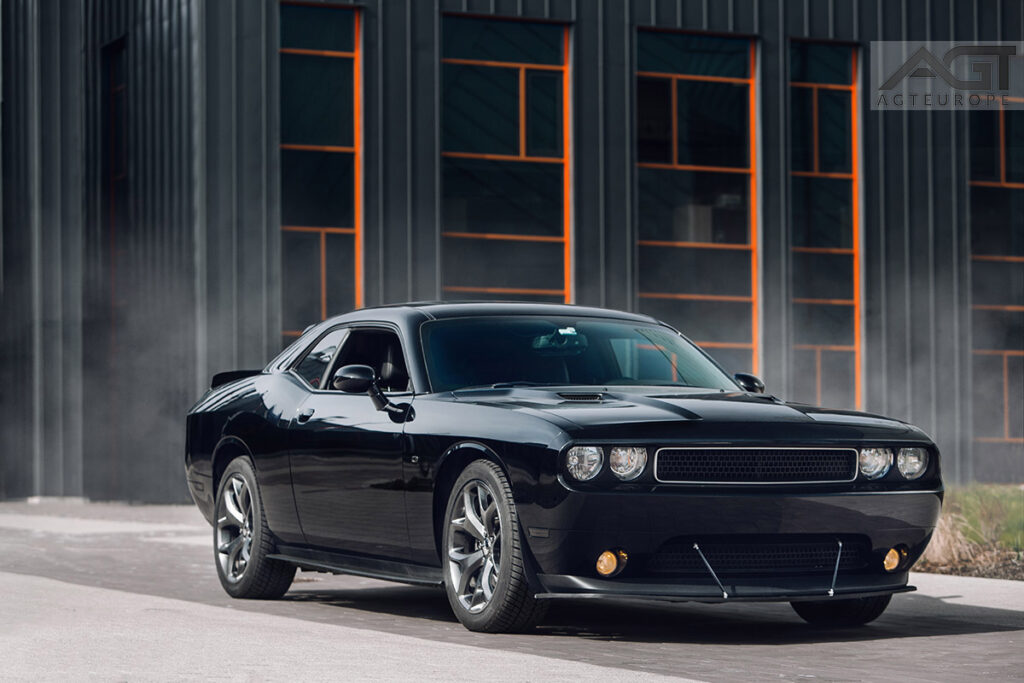
The six Dodge Challenger years to avoid include the 2009, 2010, 2011, 2012, 2013, and 2015 models. They are notorious for serious airbag defects, engine failures, and electrical problems. Besides, other issues related to steering and transmission add to the concern.
Let’s check the Dodge Challenger reliability of these model years!
In This Article:
6 Worst Years Of Dodge Challenger
2009 Dodge Challenger
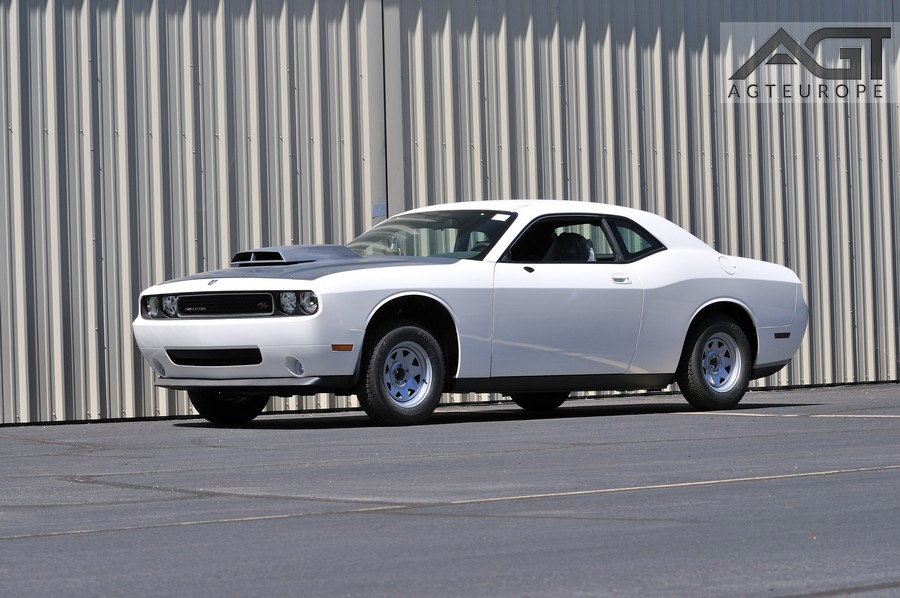
As of 2025, the 2009 Dodge Challenger has accumulated 132 complaints and 7 recalls according to NHTSA data. This model year carries several critical safety and reliability concerns, particularly affecting the airbag, engine, and electrical systems.
This third-generation Challenger was impacted by the widespread Takata airbag recall, which involves frontal airbag inflators that may explode upon deployment. This defect can send sharp metal fragments into the cabin, leading to serious injury or death. In several cases, the airbag warning light stayed on, and diagnostics confirmed failures in both driver and passenger airbags. Some are still unresolved despite recall notices.
Numerous reports also describe the vehicle stalling without warning, often while slowing down, turning, or even at highway speeds. These failures lead to a sudden loss of steering and braking assistance, posing severe risks in traffic. Some cases detail near-crash incidents, with the engine cutting off unpredictably.
Additionally, owners have reported flickering dashboard lights, gauge malfunctions, and even electrical fires. One vehicle caught fire after stalling at low speed, resulting in a total loss. Another common issue involves alternator failure, which causes dim headlights and battery warning lights. This is a problem linked to other Dodge models from later years, raising concerns about part consistency.
2010 Dodge Challenger
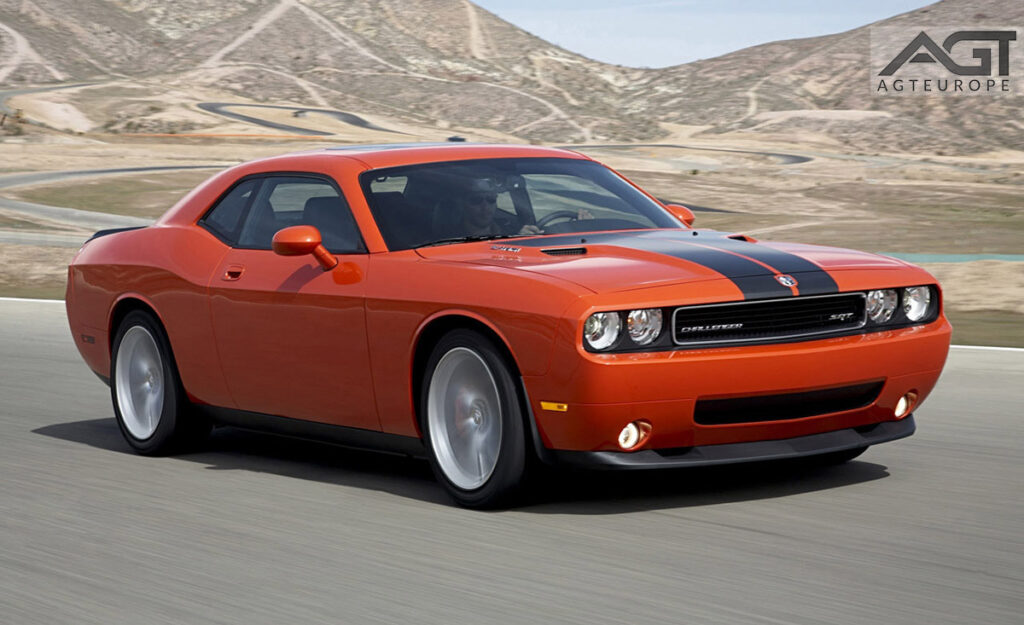
As of 2025, the 2010 Dodge Challenger has accumulated 298 complaints and 7 recalls according to NHTSA records. While it stands out for its bold styling and retro appeal, this model year is plagued by persistent mechanical and safety problems that have impacted many owners, including ourselves during testing.
The airbag issue continues to be a major concern. The Takata airbag recall for both front airbags remains a red flag, with cases of exploding inflators still reported. Many owners note that even after recall service, airbag warning lights stay on or problems return, undermining confidence in one of the vehicle’s most essential safety features.
Engine problems are widespread, especially with sudden stalling at low speeds and timing chain failures in well-maintained muscle cars with under 100,000 miles. During our test drive of a 2010 Challenger with 86,000 miles, the engine stalled without warning while we were slowing down for a turn at around 20 MPH. There were no warning lights, just a complete loss of power and steering, which required a hard reset to get moving again.
Electrical faults are just as common. Many owners report starter failures, battery drain from faulty switches, and alternator overheating. Some also experience doors unlocking randomly or windows rolling down on their own, which we observed during our own inspection. One door window would roll back down after being fully closed.
Transmission issues further complicate the driving experience. Reports of difficulty transmission shifting into first and third gear when cold are consistent, especially with manual models. We noticed a delay engaging first gear at a stoplight during our test drive, which aligns with owner accounts citing gear hesitation and clutch trouble.
2011 Dodge Challenger
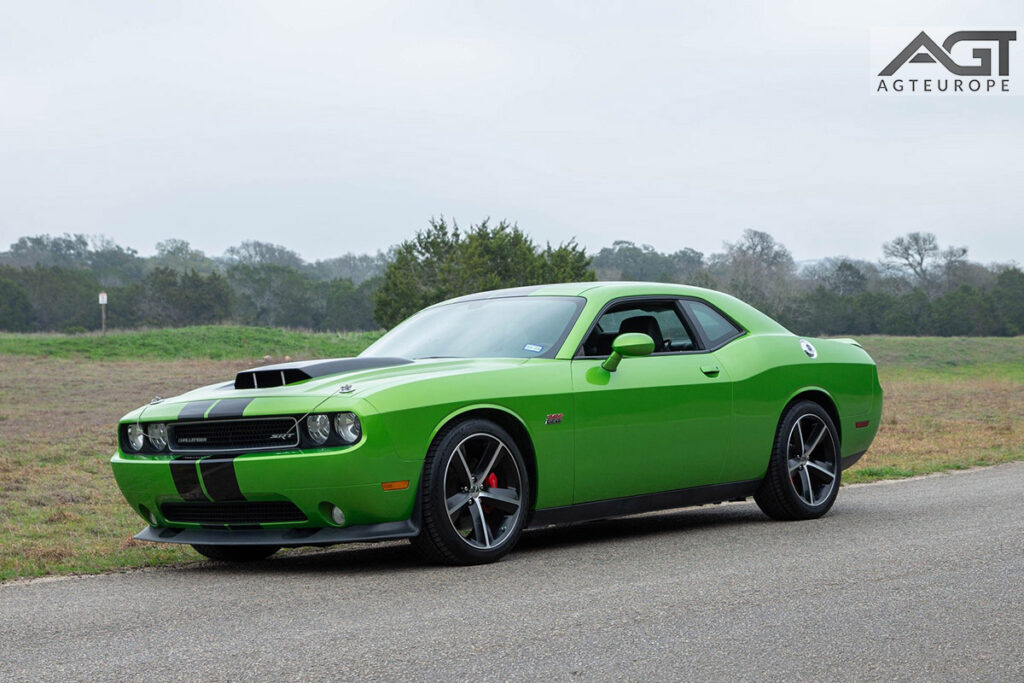
The 2011 Dodge Challenger, despite its bold styling and classic muscle appeal, has amassed 190 complaints and 6 recalls on the NHTSA database as of 2025. The most pressing concern for this model year is a deeply flawed electrical system, responsible for a wide range of symptoms that compromise both safety and reliability.
At the center of the electrical troubles is a recurring alternator failure. Owners frequently report the battery warning light activating, followed by power loss or engine stall, sometimes accompanied by smoke or fire near the alternator.
In some cases, the battery cable or surrounding wiring overheats within seconds of connection, posing a serious fire risk. This issue is linked to NHTSA Campaign Numbers 17V435000 and 14V634000, yet many affected VINs are inexplicably excluded from the recall.
Another widespread problem involves the smart glass window switch, which controls the auto-lowering windows. Defects in this system have led to doors failing to open, windows moving on their own, and battery drainage when the vehicle is parked. Some owners report being unable to start their muscle cars for days unless they jump-start the battery, which itself may fail prematurely due to the constant electrical draw.
Owners have also described dashboard panel failures, including speedometers going dark, making night driving dangerous. Random instrument flashing, non-functioning trunk releases, and short circuits in wiring harnesses further highlight how deep-rooted these electrical flaws are.
Though engine and airbag issues persist from prior years, it’s the 2011 Challenger’s erratic, high-risk electrical failures that dominate its reliability record.
2012 Dodge Challenger
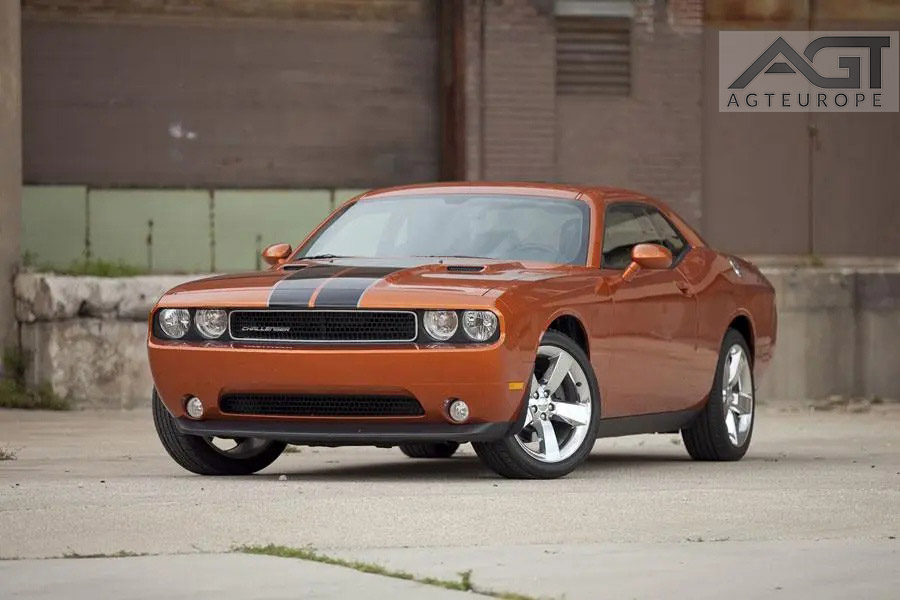
Up to now, the 2012 Dodge Challenger has accumulated 250 complaints and 6 recalls on the NHTSA database. Like previous model years, the American muscle car suffers from chronic electrical issues and airbag system failures, making it more known for its malfunctions than its muscle.
The most persistent and disruptive issue revolves around the electrical system, especially the smart glass window switches. Owners report windows that move up and down on their own, often while the car is turned off. This constant motion drains the battery and leaves drivers stranded, sometimes repeatedly.
During our own time with a 2012 Challenger SXT, we noticed the driver-side window pulsing open and closed by about a quarter-inch while parked. It was enough to kill the battery overnight and leave us jump-starting the car the next morning. Replacing the latch cost over $500, and still, the issue returned a few months later.
More broadly, drivers face intermittent power loss, failing alternators, short circuits, and burnt-out control modules. The TIPM (Totally Integrated Power Module), which manages virtually all electrical functions in the vehicle, has been known to fail, yet there’s no official recall for this year despite widespread problems.
Airbag failures are another concern. Many owners have reported the airbag warning light turning on and off, often tied to clock spring malfunctions or poor wiring connections.
One report even states that the airbag system stopped functioning after a recall service was completed, indicating poor execution or insufficient parts. Unfortunately, many affected 2012 models fall just outside the coverage range of earlier recall campaigns.
2013 Dodge Challenger
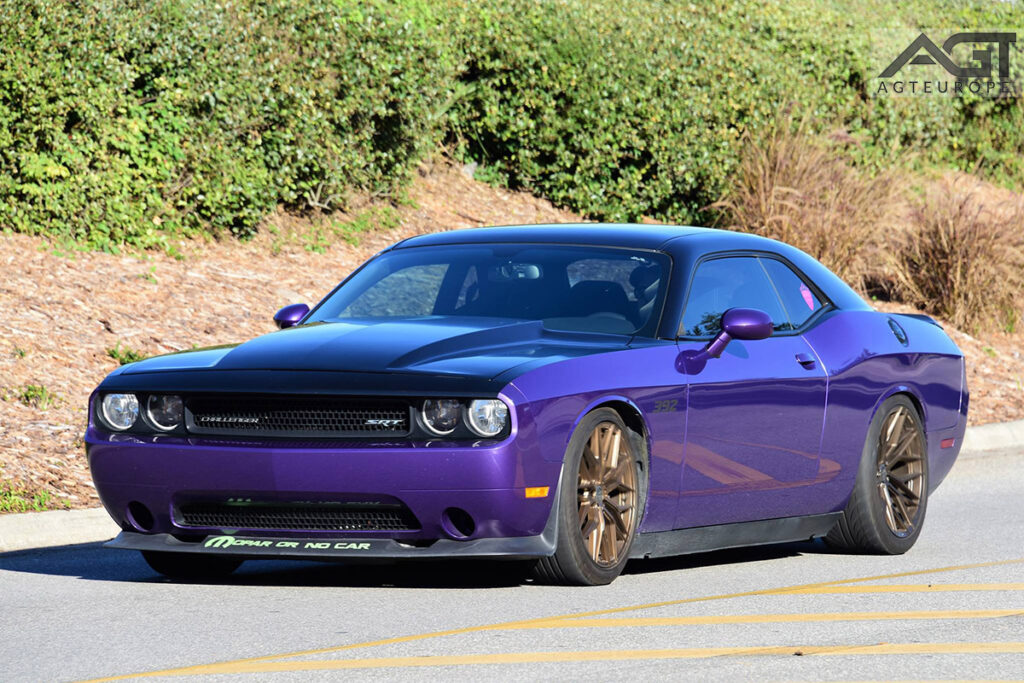
By 2025, the 2013 Dodge Challenger has accumulated 174 complaints and 5 recalls with the NHTSA, and the model continues to face serious safety concerns, particularly around the electrical system and airbag functionality. One of the most severe problems associated with this year’s model is a fire risk due to a starter motor short circuit—so serious that NHTSA has issued an urgent “DO NOT DRIVE” warning for affected vehicles.
At the center of this warning is NHTSA Campaign Number 13V103000, which involves the B+ cable from the battery to the starter motor. If this cable shorts to ground, it can lead to a sudden electrical fire, even while the vehicle is parked. Drivers are advised to stop using the car immediately if their VIN is part of this recall.
Electrical system failures are the most reported issue overall. Owners frequently describe fuse boxes burning, interior and exterior lights malfunctioning, and intermittent dashboard power losses.
Some muscle cars experience headlights flashing unexpectedly, or tail lights shutting off after a few minutes, even though brake and turn signals still function. In other cases, the car stalls randomly while driving, and although the alternator matches known faulty symptoms, many VINs were excluded from the official recall list.
The airbag system is another key concern. The model remains under scrutiny due to Takata inflator defects, which can cause the passenger airbag to explode upon deployment, sending metal fragments into the cabin and risking serious injury or death.
Less frequently, some drivers have also reported engine stalls, Check Engine lights illuminating, or even engine blowouts, though these are less common compared to the major electrical failures.
2014 Dodge Challenger
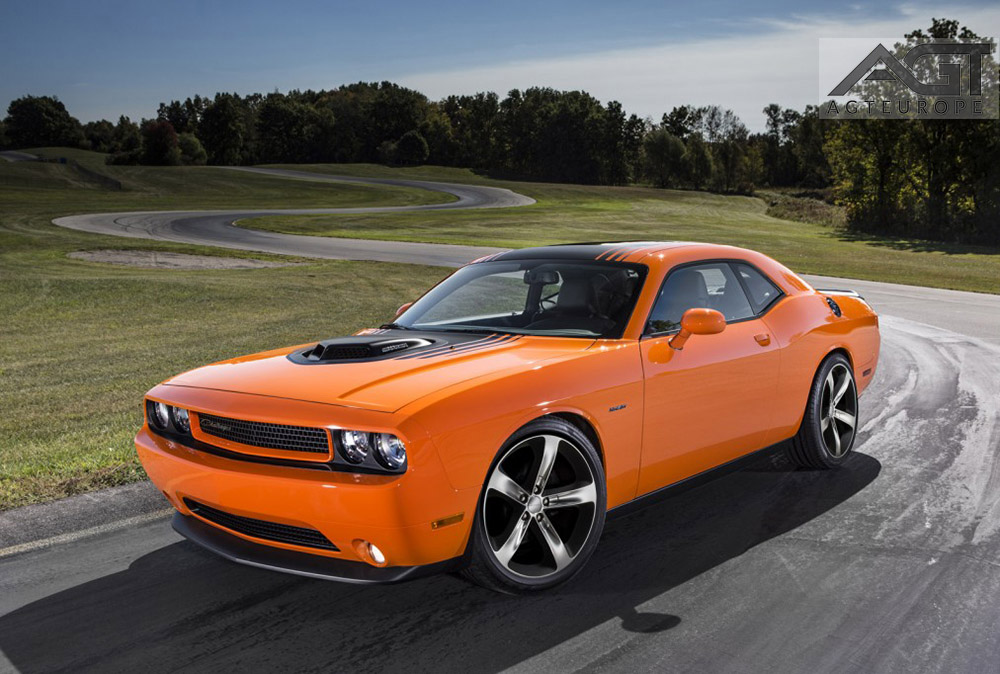
The NHTSA has recorded 142 complaints and 5 recalls related to the 2014 Dodge Challenger as of 2025. While it delivers the aggressive styling and performance muscle buyers expect, this model year raises serious concerns about safety, reliability, and build quality.
Most notably, the 2014 Challenger received poor side crash ratings from federal safety testing. In the side barrier crash test, the driver’s door unlatched and opened on impact, significantly increasing the risk of occupant ejection during a real-world collision.
It also earned just 2 out of 5 stars in the side pole crash test, where the vehicle collided at 20 mph into a fixed pole, revealing a weak structure in side impact resistance. These results place the Challenger well below competitors in crash safety for this model year.
Electrically, the car continues to struggle with issues carried over from earlier years. Owners report frequent dashboard failures, flickering lights, and battery drainage linked to power-hungry modules.
In one case, the rear of a parked Challenger caught fire, traced back to a short in the rear electrical system. Reports of fuse box burns, flashing dashboards, and unresponsive electronics are widespread, and many parts are no longer stocked by manufacturers, compounding the problem.
Engine reliability also remains shaky. Several owners describe sudden stalls, overheating, and complete engine failure with less than 50,000 miles on the odometer. During our own testing, we experienced a sharp loss of power while merging at highway speed. RPMs spiked, but acceleration dropped to zero, forcing us to pull over urgently. This level of instability is far from acceptable in any vehicle.
The steering system has also proven troublesome. Complaints detail power steering fluid evaporation, rigid turning response, and complete power steering failure at low and high speeds alike. Drivers often describe groaning noises, temporary lockups, and dangerous near-miss situations when steering cuts out mid-turn.
5 Dodge Challenger Problems You Should Know
Here’s a breakdown of the most frequently reported issues across multiple model years:
- Electrical Issues: Owners report burning smells, short circuits, dead batteries, flashing dash lights, and full fuse box failures. The smart glass window switch is a frequent culprit, causing windows to move on their own and draining the battery when the car is off.
- Engine Stalls and Failures: Sudden engine shutdowns are a serious concern, with many incidents occurring during driving or while merging onto highways. Some vehicles require full engine replacements before hitting 50,000 miles due to overheating, timing chain failure, or coolant system issues.
- Airbag Defects: Airbags in several Challenger model years are tied to the Takata airbag recall, which risks explosive deployment. Some vehicles also have ongoing airbag warning lights and sensor failures that remain unresolved even after recall service.
- Transmission Problems: Owners report difficulty shifting gears, particularly into first or third when the engine is cold. Other issues include clutch pedal sticking, transmission slippage, and gear hesitation that compromises acceleration and control.
- Steering: Rigid steering or complete loss of control happened without warning. In several cases, steering fluid leakage or vaporization has been identified as the cause. Some vehicles experience momentary steering lock-ups at both low and highway speeds.
FAQs
What is the best Dodge Challenger?
Any Dodge Challenger models from 2015 to 2021 are reliable to buy, with only a few reliability issues.
Should I buy a Dodge Challenger with 100,000 miles?
No, it’s recommended to invest in a used Challenger with less than 100,000 miles to ensure its performance and safety.
See more cars to avoid & common issues: