
If you want a BMW X5 that lasts long with low maintenance costs, avoid the 2008, 2009, 2011, 2012, 2019, and 2021 models. These cars are plagued by various reliability issues related to engines and cooling systems, fuel systems, airbags, brakes, transmissions, and electrical systems.
Keep reading to learn more about the BMW X5 models to avoid and their problems!
In This Article:
Is The BMW X5 Reliable? 6 Worst Years To Avoid
2008 BMW X5

As of 2025, the 2008 BMW X5 has racked up 331 complaints and 16 recalls on the NHTSA database, alarming numbers for any vehicle, especially a luxury SUV.
One major recall involves the PCV valve heater. This component can overheat and ignite the engine, even while the car is parked. Several owners reported their X5 bursting into flames with no warning. One described an engine fire after parking in Sweetwater, TN, where flames appeared beneath the hood. The fire department filed a report, but BMW had no remedy ready for the recall, despite its long-standing notice.
Airbag issues are just as worrying. In one crash at 40 mph, the front airbags failed to deploy, despite striking a wall. The driver was left sore, and the explanation from BMW? The impact wasn’t “serious enough.”
We personally tested a used 2008 X5 with 122,000 miles. Within 20 minutes, the airbag warning light came on and a strong burning plastic smell filled the cabin. The next morning, a visual check revealed oil leaking onto the exhaust manifold, just as reported in several complaints.
Beyond safety, there are numerous reports of melting brake light housings, complete instrument panel blackouts, and electrical fires near the fuel pump harness. Owners often complain about a sudden loss of dashboard functions at highway speeds, putting both driver and passengers at serious risk.
2009 BMW X5

Up to now, the 2009 BMW X5 has accumulated 161 complaints and 19 recalls on the NHTSA site, only slightly fewer complaints than its predecessor, but with even more recalls.
The most alarming trend lies in the airbag system. Out of 19 total recalls, seven are tied to Takata airbag inflators, specifically the interim replacement parts that still use the PSPI-2 ammonium nitrate propellant.
These inflators are highly unstable under long-term exposure to heat and humidity, and can explode when deployed, shattering sharp metal pieces into the cabin. The risk of serious injury or death is not theoretical. This is the same Takata problem that has led to fatalities in other vehicles globally.
The engine and cooling system pose an equally high risk, with five recalls, including one for the PCV valve heater short-circuiting and potentially starting a fire, even when the SUV is parked. Another recall addresses the idler pulley bolt, which can loosen or break, resulting in sudden loss of power steering assist, a clear hazard at highway speeds.
Braking is yet another vulnerability. Three recalls target the brake vacuum pump, with problems that can reduce or completely disable power brake assist. This would severely impact stopping distance and could easily lead to a crash, especially in emergency situations.
2011 BMW X5

As of 2025, the 2011 BMW X5 has logged 305 complaints and 15 recalls on the NHTSA. The major areas of concern remain: engine reliability, airbag failures, and transmission problems.
Engine-related recalls and complaints are particularly worrisome. One of the most hazardous issues involves EGR cooler failure, where diesel emissions, including carbon monoxide, can seep into the cabin through the HVAC system.
Many owners of 2011 X5s report identical symptoms, but often receive no coverage. Another owner described a check engine light appearing immediately after a dealership battery replacement, triggered by a faulty SCR Active Tank. Despite being under the mileage limit for the extended warranty, the repair was denied due to time limits, leaving the owner with a $3,000 bill for a known defect.
Airbag failures in this model are among the most chilling. Multiple owners have complained about warning lights tied to the passenger restraint system, and more seriously, about non-deployment during crashes. In one terrifying case, a family narrowly escaped being rear-ended by a semi, swerving and crashing into another car, with no airbags deployed. There are several active recalls on this system, yet some repairs remain unresolved or only partially complete.
We briefly drove a 2011 X5 with just over 110,000 miles. While the engine performed well at first, a grinding noise soon developed under acceleration and the check engine light illuminated. This matched several reports referencing transfer case failures and driveline vibration.
2012 BMW X5
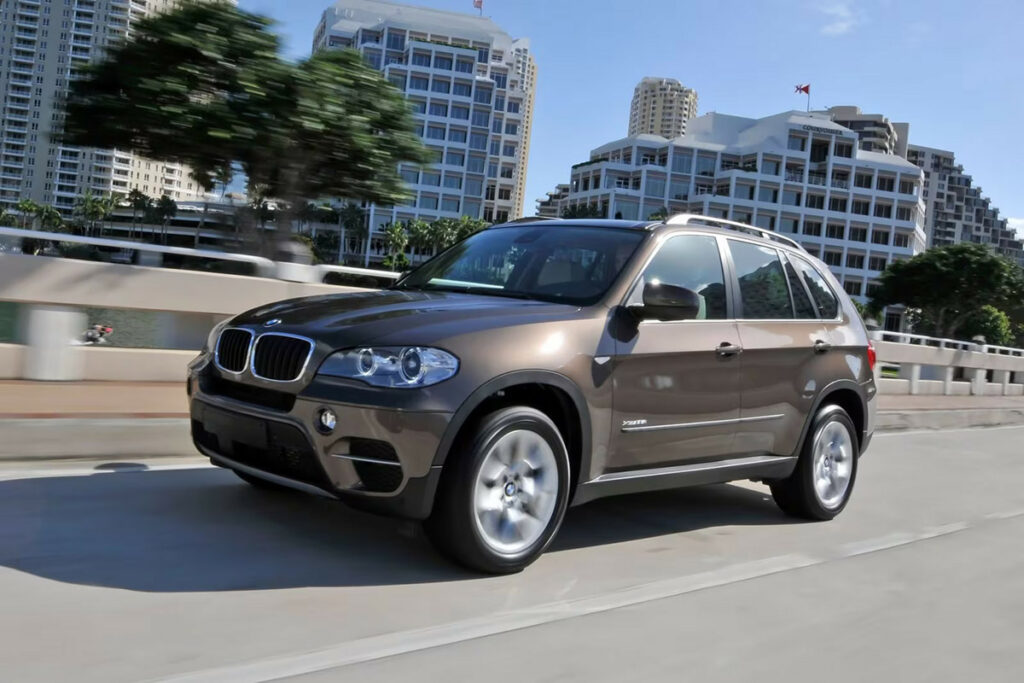
With 264 complaints and 10 recalls listed on the NHTSA database as of 2025, the 2012 BMW X5 may appear slightly improved on paper compared to earlier models. But under the hood, and especially under the chassis, the problems persist.
A significant portion of complaints involves front driveshaft and powertrain failures. In multiple cases, sudden loss of power occurred at low speeds, often accompanied by loud thumping sounds or grinding.
One report detailed how a failed front driveshaft ruptured the power steering hoses, leaving the vehicle unstable and in need of urgent, costly repairs. Despite the NHTSA Campaign 17V138000 addressing these concerns in some vehicles, many affected VINs have been excluded from recall coverage.
The engine emissions system, especially in diesel variants, is another weak link. Owners report EGR cooler and DPF failures, leading to exhaust fumes inside the cabin, reduced engine performance, and in some cases, emergency limp mode activation, which is a safety hazard, particularly at highway speeds.
Despite the availability of extended warranties and manufacturer awareness of the defects, numerous customers have been denied coverage, even with mileage well under 100,000.
2019 BMW X5
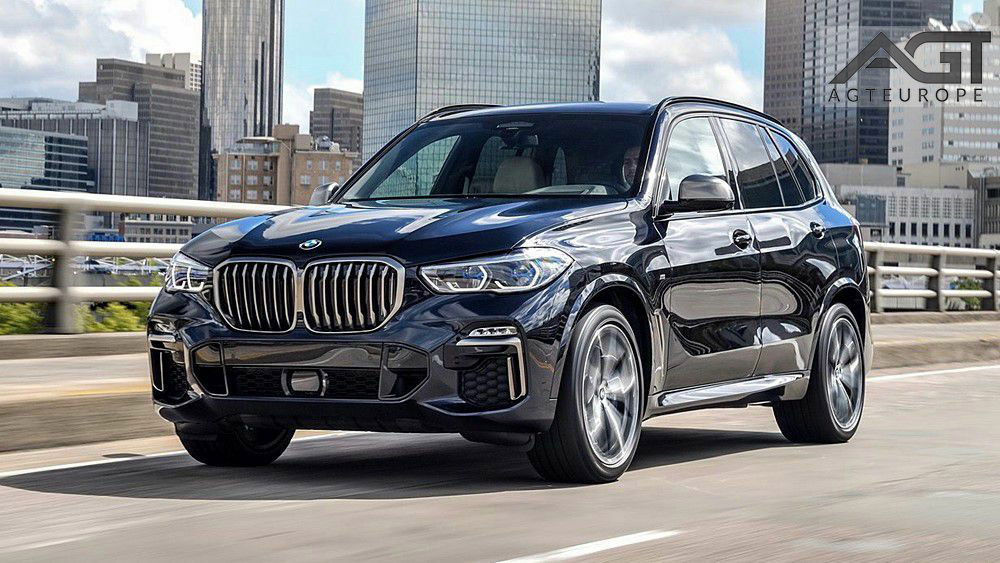
Despite its sleek design and technological upgrades, the 2019 BMW X5 has already logged 119 complaints and 12 recalls on the NHTSA database by 2025.
A recurring pattern involves starter motor and battery failures, often tied to software updates under active recalls. In many reports, owners attempted to start their X5 only to face complete electrical failure, sometimes followed by overheating and smoke under the hood. One personal experience: after returning from a trip, we attempted to start our 2019 X5 and it immediately overheated. Smoke poured from the hood, and we were stranded. The car was towed to the dealership, where both the starter and battery had to be replaced at a cost of $2,200. Despite our vehicle being affected by the recall’s symptoms, BMW refused to cover the repairs, claiming our VIN wasn’t included.
We can relate to similar frustrations. The alternator in our car failed at under 50,000 miles, and the vehicle didn’t start without warning. The dealership confirmed the issues match recall-related faults yet refused to honor them due to VIN exclusions. These electrical faults are more than inconvenient; they pose serious safety risks, especially if the vehicle fails in traffic or in remote areas.
In addition to electrical troubles, the 2019 model year also has recalls related to airbags, engine cooling systems, fuel leaks, seat belt mechanisms, and wheel assembly defects.
2021 BMW X5

By 2025, the 2021 BMW X5 has already garnered 61 complaints and 12 recalls, an unusually high number for a vehicle barely four years old.
The most frequent and concerning problem is starter system failure. Owners report that the vehicle either fails to start altogether or experiences significant delays while starting. In several cases, repeated messages appeared on the dashboard, such as “Auto Start/Stop deactivated,” “Repeated Start Attempt,” and “Drive Train Service Required.” Even after cleaning contacts and replacing components, some vehicles continued to struggle with these failures.
The Auto Start/Stop function, designed for fuel efficiency, has also proven unreliable. Complaints describe scenarios where the system shut the engine off at a traffic light, but the engine failed to restart, leaving the vehicle stalled in traffic. In multiple cases, BMW owners were offered diagnostics at their own cost, with no resolution provided, especially when VINs were not included in relevant recalls.
Beyond starting issues, other electrical defects affect safety-critical systems. For example, some X5 models have headlights with non-conforming blue lens colors, which may confuse oncoming traffic and increase the risk of a crash. Additionally, rearview camera systems have experienced image malfunctions, reducing visibility and increasing the chance of accidents when reversing.
5 Common BMW X5 Problems To Note
While the BMW X5 offers luxury and performance, several model years have faced recurring reliability issues:
- Electrical system failures: From starter motor issues to alternator and battery malfunctions, electrical problems are widespread, especially in models from 2008, 2019, and 2021. Owners frequently report non-starting vehicles, flickering warning messages, and failures in auto start/stop systems, often without prior warning.
- Engine and cooling system defects: Numerous X5 models suffer from engine stalls, overheating, and coolant leaks. Common causes include EGR cooler failures, DPF system faults, and problematic PCV valve heaters, which have even led to engine fires in some cases, particularly in the 2008–2012 and 2019 models.
- Airbag and restraint system malfunctions: Several model years, especially 2008, 2011, and 2021, have faced issues with non-deploying airbags, defective seat mat sensors, or faulty Takata inflators. In certain incidents, airbags failed to activate during crashes, sparking serious safety concerns.
- Transmission and powertrain issues: Powertrain complaints include driveshaft failures, slipping transmissions, and transfer case noises, particularly in 2011–2012 models. In extreme cases, vehicles unexpectedly shifted into neutral or lost power while driving.
- Brake and suspension reliability: Brake vacuum pump failures and leaking hoses have led to loss of braking assist, raising the risk of crashes. Suspension wear, especially with air ride components, are also reported, creating instability at highway speeds in models like the 2009 and 2012 X5s.
FAQs
What is the best year for the BMW X5?
The 2018 BMW X5 is the most reliable, receiving stellar feedback from drivers. Other dependable models are 2016 and 2017.
How long does a BMW X5 last?
A well-maintained BMW X5 can last anywhere between 150,000 to 200,000 miles on average. Some models can perform well until they reach 250,000 miles.
Which X5 engine is more reliable?
The V8 petrol engines deliver a perfect blend of speed and a sporty drive. However, the ultimate engine choice boils down to your performance expectations and driving habits.
See more cars to avoid & common issues: