
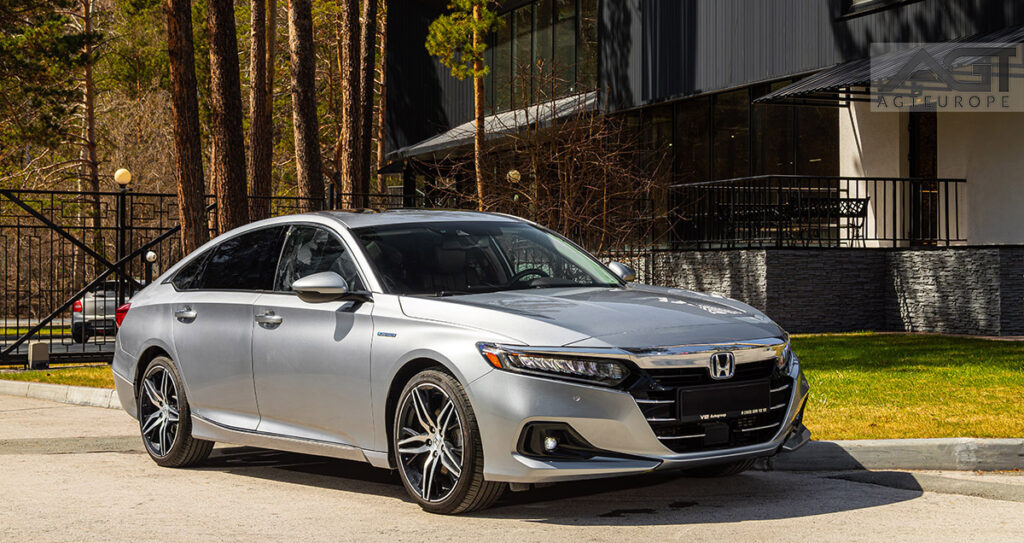
The Honda Accord model years you should avoid are 1998-2005, 2008, 2013, 2014, and 2018. Across these years, the most common concerns involve serious safety issues such as steering malfunctions, faulty airbags, ABS module failures, and unexpected braking from malfunctioning driver-assist systems.
They are plagued by more reliability issues, all of which can result in costly repairs and compromised vehicle performance. Keep reading to get the details!
In This Article:
What Honda Accord Years To Avoid
1998 – 2005 Honda Accord
1998
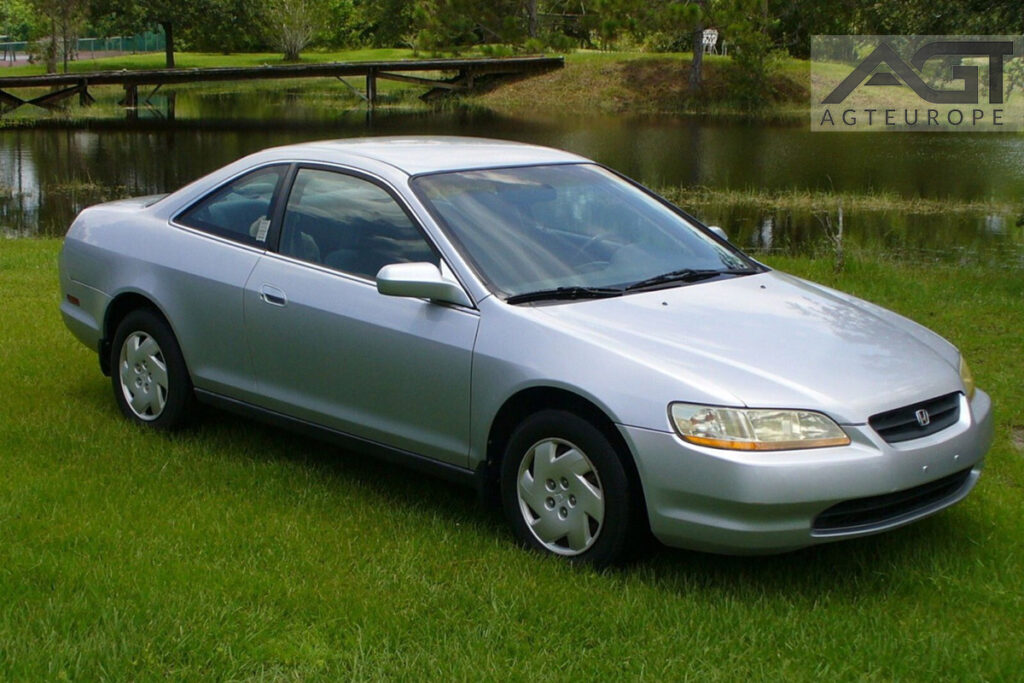
- 19 recalls, 1,239 complaints (NHTSA, 2025)
The 1998 Honda Accord suffered major setbacks from electrical malfunctions, particularly a faulty ignition switch that could turn off mid-drive, causing engine stalls and sudden power loss. Many owners also reported transmission slipping, trouble shifting out of reverse, and jerky gear transitions. These issues weren’t just mechanical inconveniences. They posed serious safety risks in real-world driving.
1999
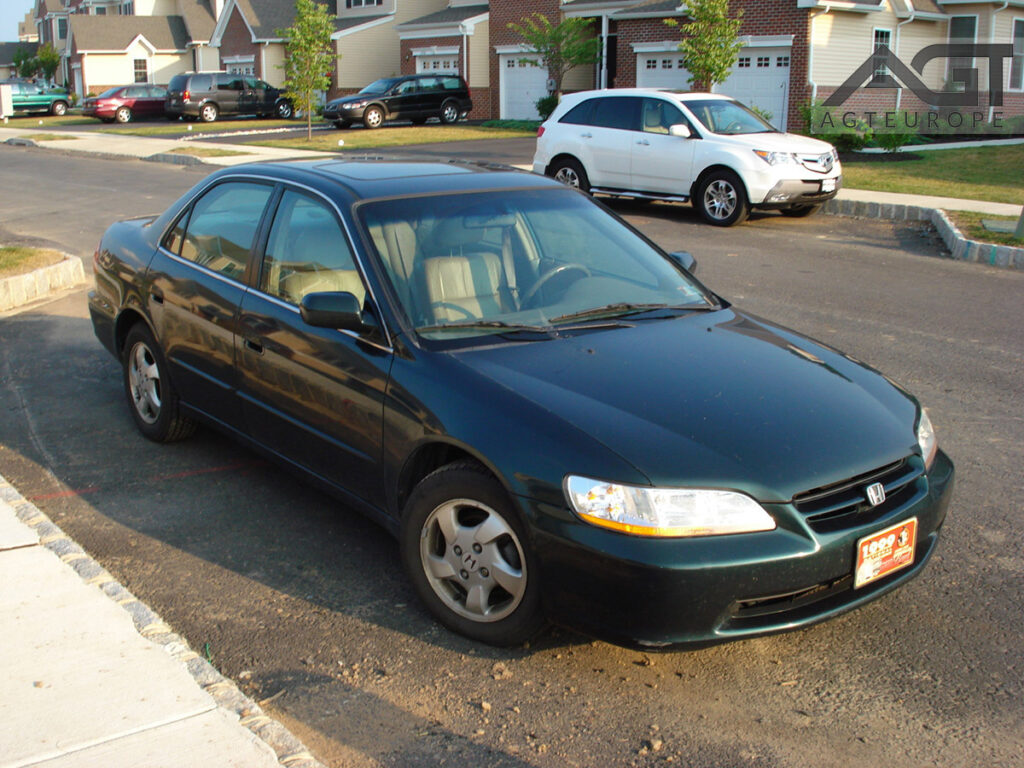
- 17 recalls, 1,154 complaints (NHTSA, 2025)
Most of the 1998 issues persisted in the 1999 Accord. Transmission complaints continued, and electrical glitches were still rampant. However, lighting defects stood out this year, with 13 recalls related to exterior lighting. The lack of amber side reflectors violated FMVSS 108 regulations, reducing the vehicle’s nighttime visibility and increasing the chance of collisions.
2000–2001
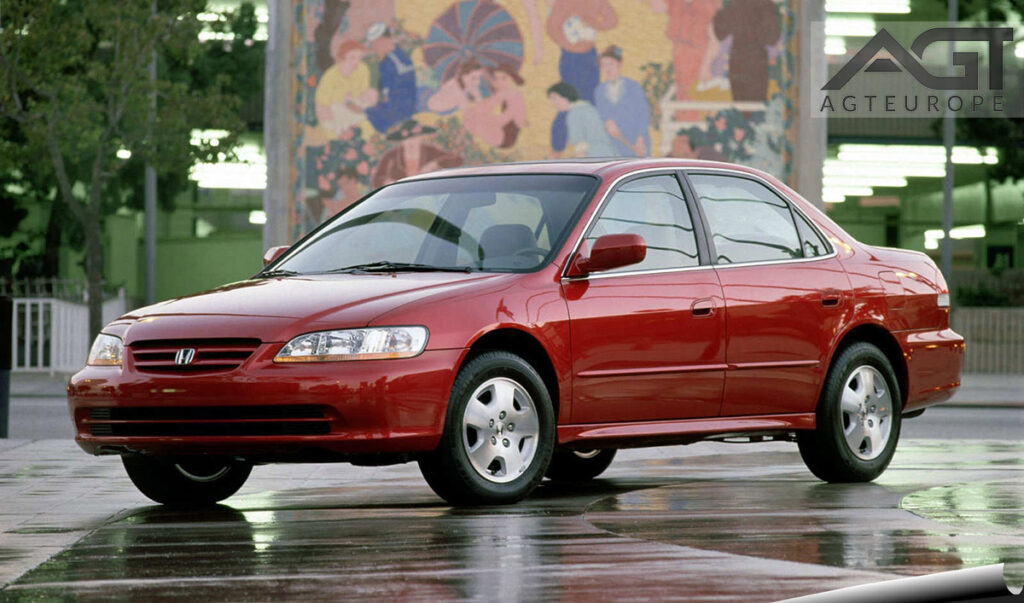
- 2000: 21 recalls, 1,213 complaints (NHTSA, 2025)
- 2001: 19 recalls, 940 complaints (NHTSA, 2025)
The turn of the millennium didn’t mark an improvement for the Accord. The 2000 and 2001 models were heavily criticized for serious airbag failures. Some units failed to deploy, while others risked explosive ruptures of the inflator, sending metal shards toward passengers. With three airbag-related recalls and lingering engine, electrical, and transmission issues, these years are considered high-risk and potentially dangerous.
2002–2005
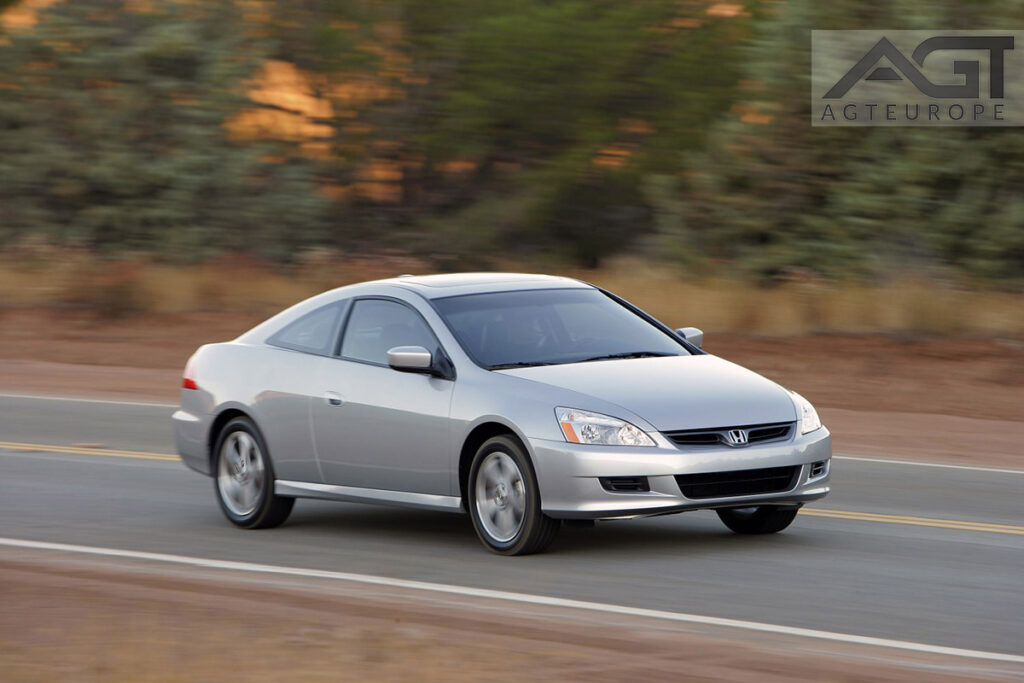
- 2002: 16 recalls, 1,063 complaints (NHTSA, 2025)
- 2003: 24 recalls, 2,005 complaints (NHTSA, 2025)
- 2004: 22 recalls, 1,007 complaints (NHTSA, 2025)
- 2005: 24 recalls, 685 complaints (NHTSA, 2025)
Transmission defects escalated in 2002, with reports of slipping gears, grinding noises, and even unintended acceleration. Airbag reliability remained shaky, and missing amber side reflectors continued to haunt this generation with 11 related recalls.
The 2003 model didn’t offer much relief, seeing a record 24 recalls and over 2,000 complaints, echoing nearly every issue from 2002, only more pronounced. While the 2004 Accord slightly reduced its complaint count, it still carried over the transmission, airbag, and lighting problems seen in 2003.
Though the 2005 Accord had fewer complaints at 685, it still had a high 24 recalls. Mechanically, it mirrored the persistent flaws of the 2002–2004 models, including transmission slippage, unpredictable acceleration, and airbag defects.
2008 Honda Accord
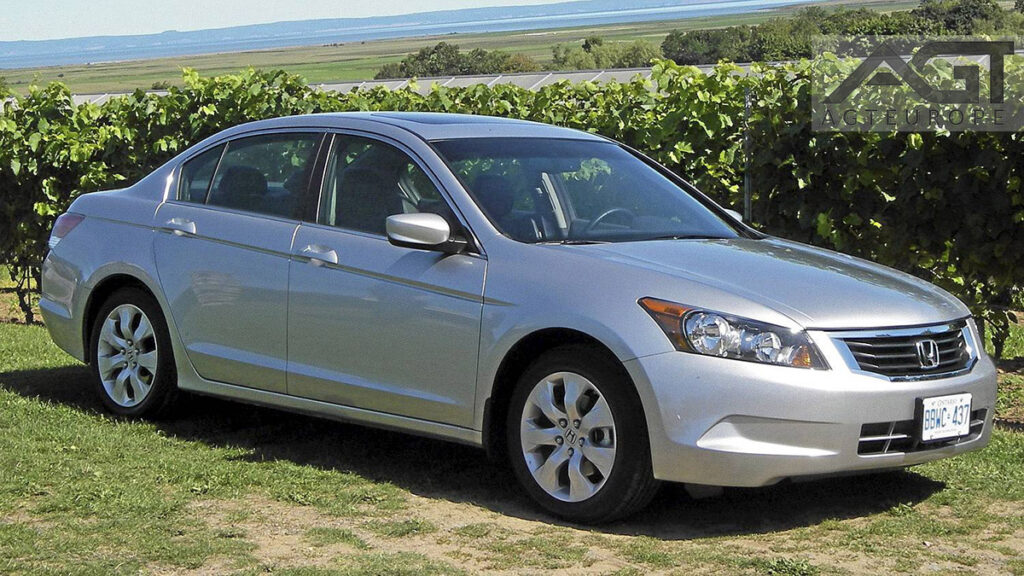
As of 2025, the NHTSA has logged 1,510 complaints and 9 recalls for this model year. These numbers point to deeper systemic issues, especially with brakes, airbags, and engine reliability.
The most frequently reported problem is premature brake wear, especially in the rear brake pads and rotors. Many drivers reported needing to replace rear pads as early as 20,000 miles, while the fronts remained in good shape.
This reversal of expected brake wear not only raised questions about the design but also led to safety concerns like grinding noises, shimmering during braking, and even reduced stopping power. Despite these widespread complaints, Honda maintained that it was not a recall-worthy safety defect.
Airbag performance is another troubling area. Multiple owners noted airbags failing to deploy during significant crashes, while others experienced under-inflated airbags upon impact or persistent airbag warning lights that wouldn’t clear. These issues persisted even in cars with relatively low mileage, and the lack of consistent resolution from dealers left many owners frustrated.
Lastly, engine complaints included VTC actuator failures, misfires, and even engine fires in parked vehicles. Several cases reported fires starting from the front of the car, leading to complete loss and insurance claims.
2013 Honda Accord
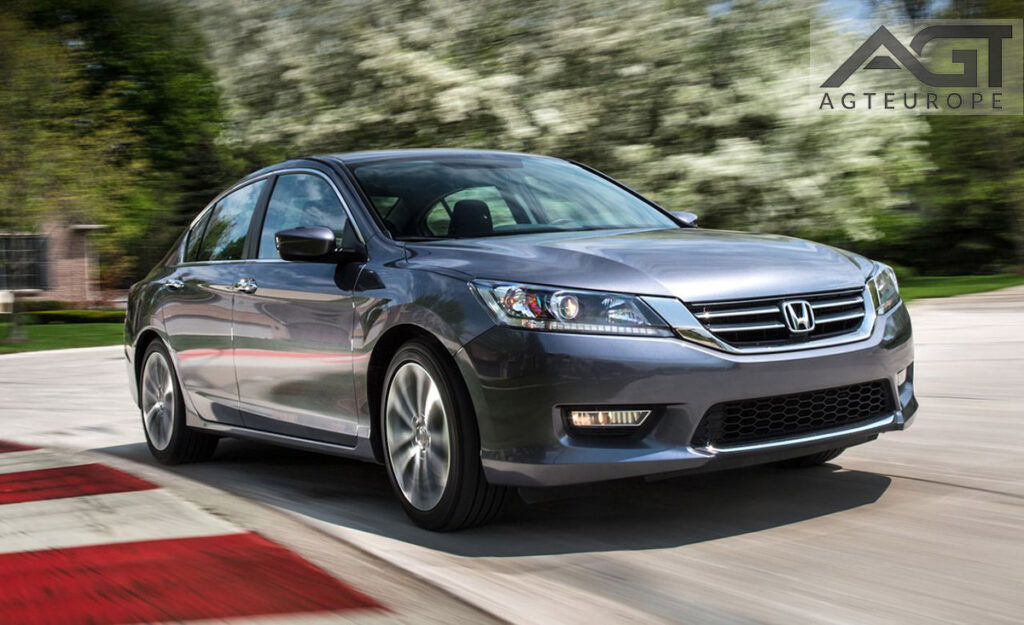
According to the NHTSA’s 2025 database, the 2013 Honda Accord has 1,350 complaints and 5 recalls, primarily tied to steering system failures and electrical malfunctions.
The most alarming problem is with the electric power steering (EPS). Many drivers report that the steering becomes sticky, unresponsive, or suddenly jerks to one side, sometimes pulling the car off course without warning. In more extreme cases, owners lost all power steering or experienced the wheel locking mid-turn, making the vehicle difficult or dangerous to control.
One time, during a local test drive at about 25–30 mph, we experienced tight steering followed by a full pull to the right, no dash lights, no warning. A reset helped temporarily, but the issue returned within a week.
Complicating matters, the Vehicle Stability Assist (VSA) module has failed in many cases, deactivating important safety systems like Forward Collision Warning (FCW) and Lane Departure Warning (LDW). When the module fails, dash warning lights flood the display, but drivers receive no steering-related warnings until after control is lost.
Electrical problems are also common. Many owners report starter issues, battery drain, and cars that won’t start without the key fob held inches from the push-button. Some have replaced multiple starters within a year, only for the issue to return. Others cite instrument cluster failures or total electrical loss, often without diagnostic codes or clear causes.
2014 Honda Accord
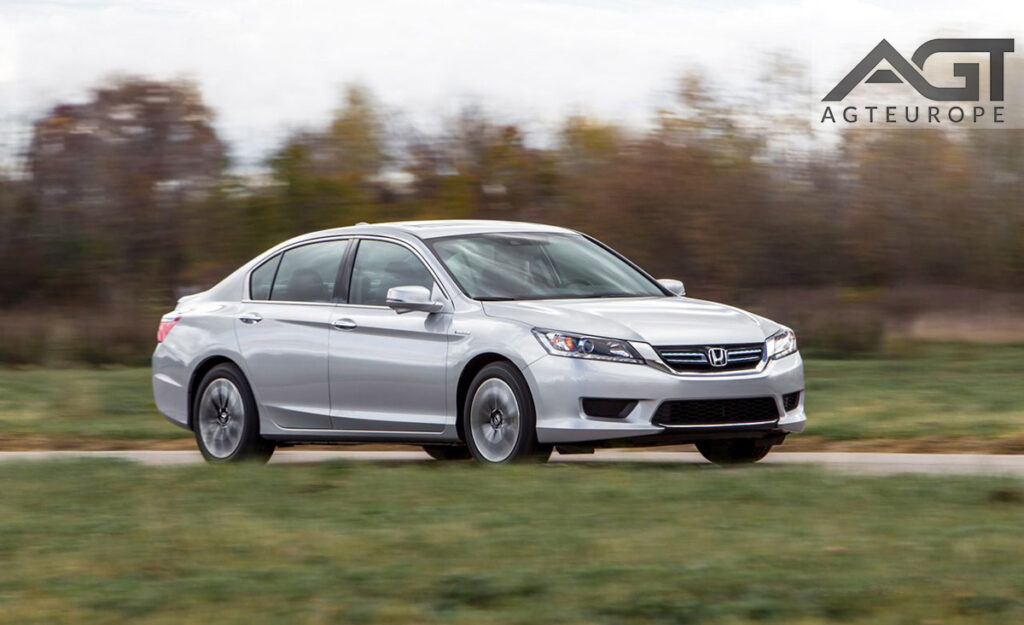
The 2014 Honda Accord continues a troubling trend of reliability issues for this generation, particularly affecting the electrical system, braking components, and engine performance. As of 2025, the NHTSA reports 932 complaints and 4 recalls for this model year, with many owners citing similar and recurring failures.
One of the most common and dangerous issues involves the ABS control module. Many drivers have experienced sudden dashboard light clusters, including ABS, traction control, brake, and steering lights, all illuminating at once.
In most cases, mechanics traced the problem to a faulty ABS or VSA (Vehicle Stability Assist) module, often costing $1,500 to $2,500 to replace. These failures can lead to loss of anti-lock braking functionality, leaving the driver unaware of critical safety issues.
Electrical failures are another serious concern. Owners report that their cars fail to start intermittently, even after replacing the battery, key fob, or starter. Some experience push-button start malfunctions, while others face issues like flickering dashboard screens or backup cameras that only activate with the turn signal.
We also had to deal with starter failure around 87,000 miles, followed by a complete wire harness replacement costing over $2,000, a steep bill for a relatively young car.
The engine isn’t exempt from the list of negative driver reviews either. Many Accord owners report excessive oil consumption, often adding a quart every 1,000 miles without any visible leaks. Others experience jerking, stalling, or abnormal engine noises, sometimes accompanied by a drop in performance or fuel efficiency. Despite the frequency of these issues, Honda has not issued a recall to address them.
2018 Honda Accord
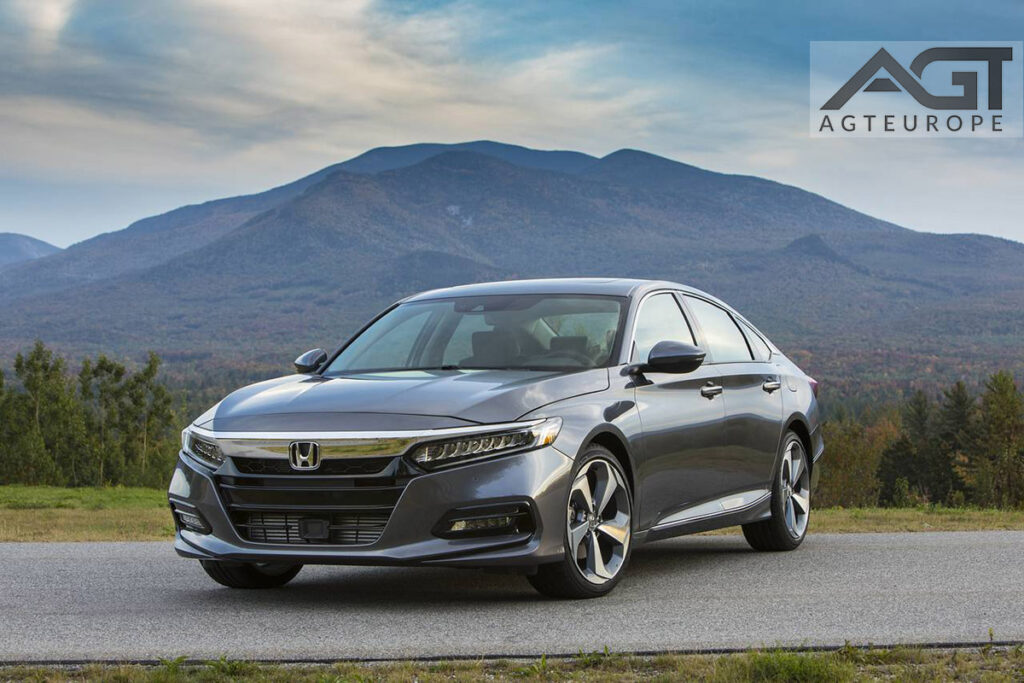
As of 2025, the NHTSA has received 1,488 complaints and issued 5 recalls, but many of the most dangerous issues remain unaddressed.
One of the most serious concerns is head gasket failure, often around 70,000–100,000 miles. Many owners report a sudden loss of power on the highway, accompanied by every warning light on the dashboard.
In our case, we were cruising at 68 MPH when the car dropped into limp mode without warning, barely able to maintain 20 MPH. It was a terrifying situation. The dealer later diagnosed a blown head gasket and quoted over $5,000 for repairs. Like many owners, we’d just had the fuel injector recall done days prior, raising questions about a possible connection.
Fuel system defects are widespread. Many owners note failed fuel injectors and fuel pumps that leave them stranded or struggling to accelerate. This often triggers limp mode or flashing engine lights, disabling critical safety systems like forward collision warning and adaptive cruise control.
Some drivers experience spontaneous hard braking from the collision avoidance system, especially when driving near road construction or metal plates, creating a genuine hazard in traffic.
Electrical issues round out the problems: failed push-button starts, power locks that stop working, and backup cameras that show nothing but a black screen. Many complaints describe complete system failures, where the car becomes undriveable and requires a tow.
7 Common Honda Accord Problems
Here are the common problems reported across various Honda Accord model years:
- Transmission failures: Models from 1998–2002 and 2003–2007 are especially prone to automatic transmission problems, including slipping, hard shifting, and complete failure, sometimes as early as 60,000–100,000 miles. Repairs are costly, often requiring full replacements.
- Excessive oil consumption & engine issues: Common in 2008–2012 and again in 2018+ 1.5L Turbo engines, owners report excessive oil burn, blown head gaskets, misfires, and engine stalling. In some cases, coolant leaks into combustion chambers, triggering limp mode and severe power loss.
- Brake wear & ABS module failures: Years like 2008–2009 are infamous for rear brake pads wearing out far sooner than expected. Later models (like 2013–2014 and 2018) suffered from ABS/VSA module failures, disabling anti-lock braking, traction control, and key dashboard warnings.
- Electrical system malfunctions: From starter issues in 2013–2014 to push-button failures, dead batteries, and glitchy backup cameras in 2018, the Accord has faced widespread complaints. In many cases, intermittent no-start problems and complete loss of dash displays have stranded drivers with no warning.
- Steering & forward collision system problems: Electric Power Steering (EPS) has caused issues in 2013–2015 and 2018+ models. Owners report stiff steering, the wheel pulling to one side, or full steering failure. Meanwhile, the forward collision system can brake unexpectedly, even on open roads, creating a major safety risk.
- Airbag failures and deployment issues: Airbag problems have lingered from 2002 to 2014, especially during the Takata recall era. In many cases, airbags failed to deploy properly or inflated with insufficient pressure during accidents. Later models like 2013–2014 and 2018 also reported issues with driver airbag sensors, and deployment inconsistencies, even in serious crashes.
Exterior lighting defects: Lighting-related recalls have been prominent in models like 1999–2003 and 2008–2011. One recurring issue is the lack of amber side reflectors, which violates FMVSS 108 and reduces nighttime visibility. Some owners also report headlight dimming, flickering brake lights, and complete light system failures in newer models.
See more cars to avoid & common issues: