

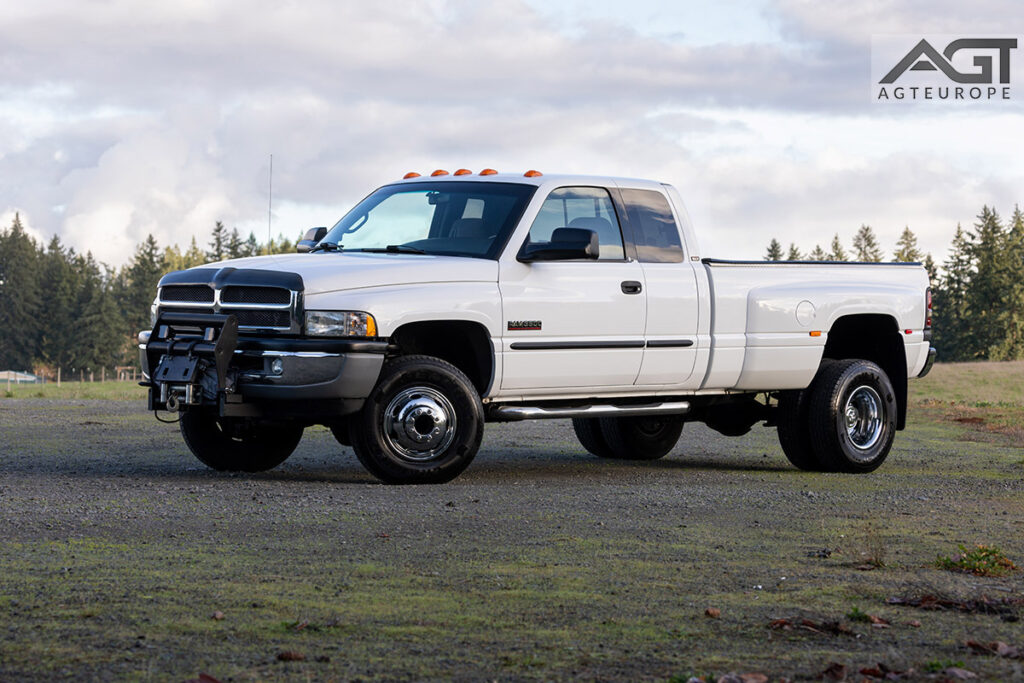
The Dodge Cummins years to avoid include 1992, 1999, 2001, 2003, 2006, 2007, 2008, and 2011. These models are known for fuel system failures, cracked engine blocks, injector problems, and dangerous suspension defects like the death wobble. Transmission and turbocharger issues also add to the long-term ownership risks.
Let’s break down which Dodge Cummins years fall short and why!
In This Article:
10 Worst Cummins Years To Avoid In 2025
The First Generation (1991-1993 Cummins)
If you’re considering buying a used Dodge Cummins, the first-generation models from 1991 to 1993 should be completely off your list. These trucks have been on the road for over three decades, and by today’s standards, their quality, reliability, and most importantly, safety are severely outdated.
Mechanically, these early Cummins models are plagued with serious problems. Chief among them is the notorious Killer Dowel Pin (KDP) issue, an unsecured metal pin inside the engine block that can dislodge and fall into the timing gears, causing catastrophic engine failure.
Transmission problems are also frequent, particularly with automatic models suffering from slipping gears and poor overdrive response, making highway driving unpredictable. Owners have also reported cold-start issues due to a faulty charging system and wiring defects that affect both performance and reliability.
Add to that rust damage, oil and dirt buildup, and steering difficulties at idle, and you’re looking at a vehicle that demands more repairs than it’s worth. In short, even for diesel enthusiasts, the first-gen Cummins is more of a restoration project than a dependable workhorse.
1999 Dodge Cummins
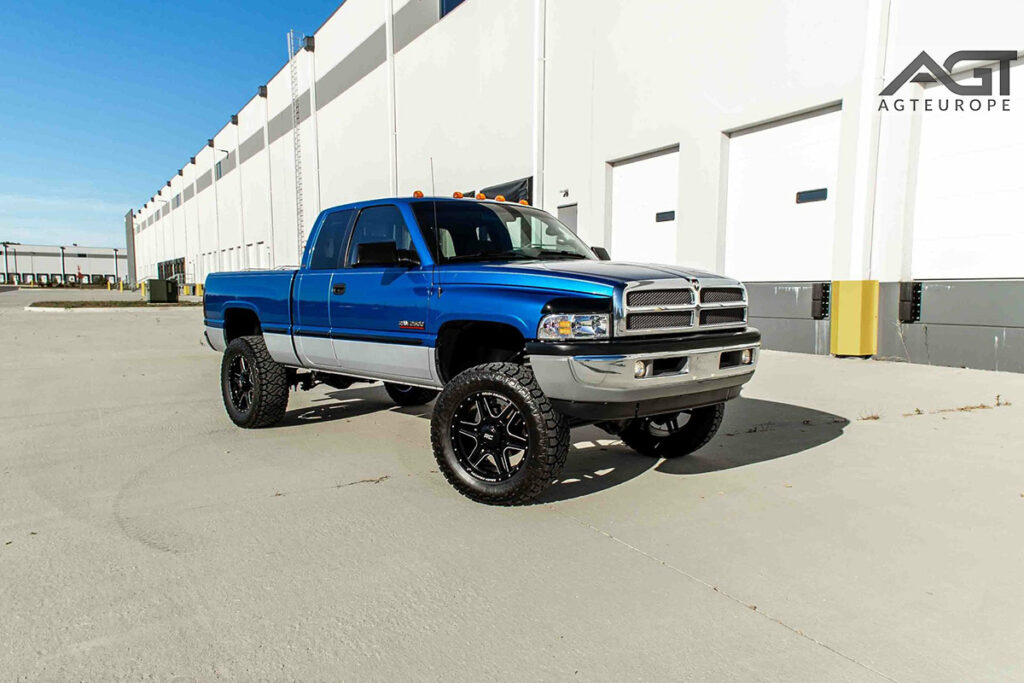
While the 1999 Dodge Cummins models may seem like a solid mid-generation option, they are in fact one of the most problematic years to consider. If you’re in the market for a used Ram with a Cummins engine, this year is best avoided due to a range of mechanical and reliability concerns that have been well-documented.
One of the most pressing issues in the 1999 models lies in the transmission system, specifically the pressure solenoid in the valve body, which frequently needs replacement. This component directly affects how the transmission shifts, and when it fails, it can lead to poor drivability or complete failure to shift gears.
Additionally, these trucks often suffer from high oil consumption, coolant and oil leaks, and even water intrusion, all of which compromise engine longevity. Another recurring problem is the engine cranking without starting, a frustrating issue often linked to faulty electrical connections or failing components in the ignition system.
Though the fuel injection pump has been known to fail in some cases, it’s the combination of fluid leaks, unreliable starts, and transmission flaws that truly undermines the 1999 Cummins’ reputation.
2001 Dodge Cummins
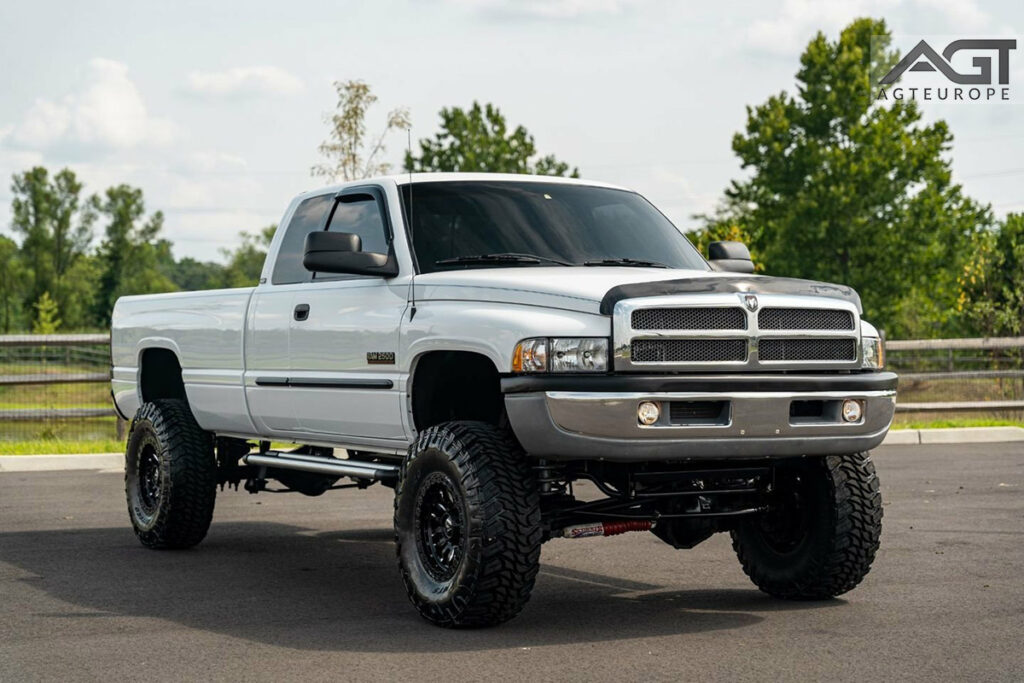
The 2001 Dodge Cummins might appear to be a decent middle-ground option, but dig a little deeper and you’ll uncover a host of durability concerns.
One of the most notorious issues in this model year is the “53” block problem, a casting defect affecting many Cummins engines from this era. These engine blocks, identifiable by a “53” stamp on the side, are prone to cracking under pressure, especially in colder climates or under heavy loads. A cracked block can result in coolant leaks and ultimately catastrophic engine failure, making this a serious and expensive concern.
The 2001 Cummins also suffers from fuel system reliability issues, particularly with the Bosch VP44 high-pressure injection pump. This pump has a reputation for premature failure, especially if the lift pump isn’t delivering adequate fuel pressure. A failing VP44 can lead to rough idling, poor fuel economy, and hard starts if the engine starts at all.
2003 Dodge Cummins
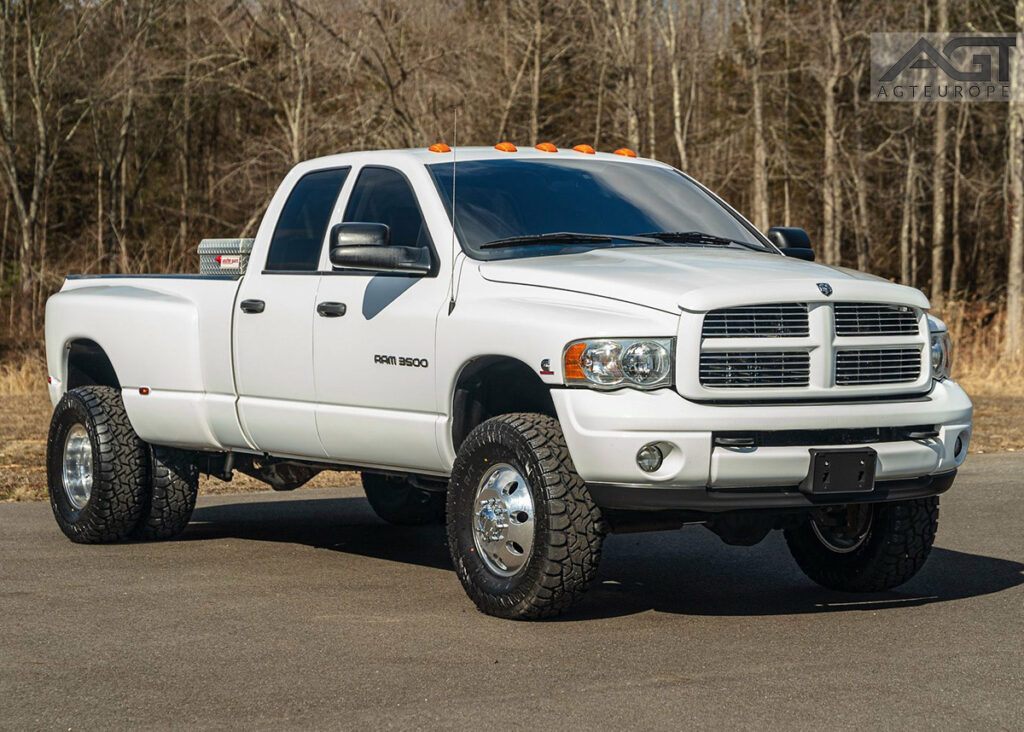
The 2003 Dodge Cummins marked the start of the third generation, bringing with it major updates like a refreshed body style and the introduction of the common-rail fuel injection system. On paper, these advancements seemed promising. However, in reality, the 2003 model turned out to be one of the most problem-prone and controversial years in the Cummins lineup.
At the heart of its issues lies the Bosch CP3 common-rail injection system, which, while more efficient and cleaner than previous setups, proved to be less reliable in early executions. Owners frequently report injector failures, poor fuel economy, and inconsistent throttle response. These problems not only impair performance but also lead to expensive repair bills, often requiring full injector replacements before 150,000 miles.
Another major concern is the Engine Control Module (ECM). Faulty ECMs in the 2003 models have been known to throw multiple diagnostic trouble codes (DTCs) without a clear cause, even after replacement or reprogramming. In some cases, this has resulted in non-start conditions or sudden engine shutdowns.
Adding insult to injury, 2003 models are also associated with higher-than-average maintenance costs, largely due to their experimental systems and lack of refinement.
2006 Dodge Cummins
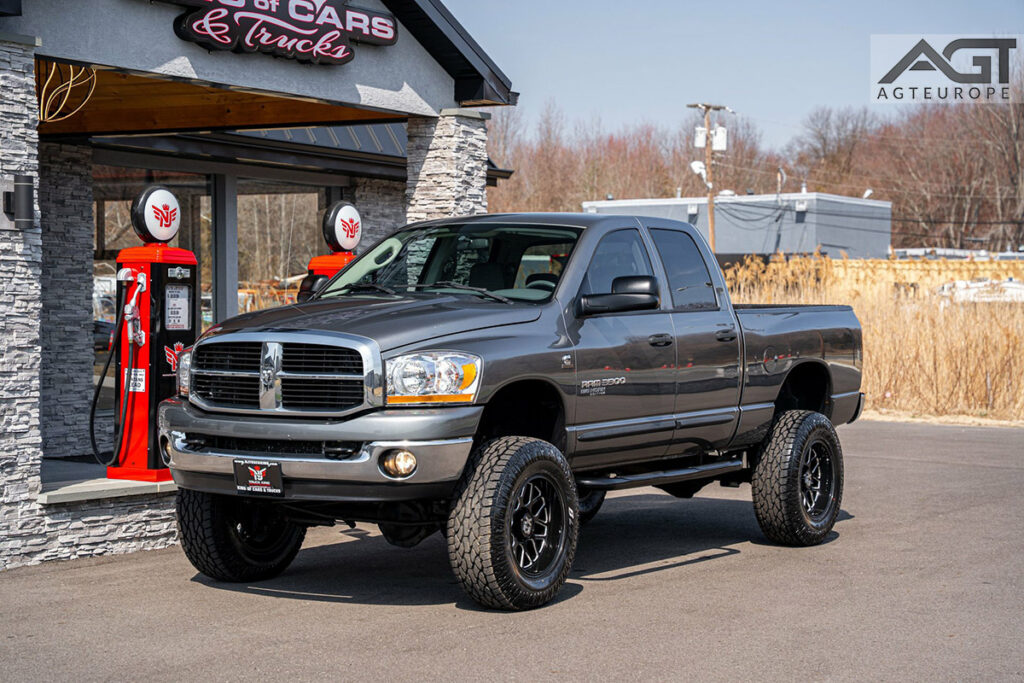
While the 2006 Dodge Cummins might look like a reliable late-model option on the surface, it’s widely regarded as one of the worst-performing years in the Cummins lineup due to its dangerous suspension problems, HVAC failures, and overall weak build quality.
At the top of the list is the notorious “death wobble,” which is a violent, high-speed oscillation in the front suspension triggered by bumps or potholes, typically at speeds above 40 MPH.
We experienced this ourselves during a routine test run. As we hit a shallow pothole at just over 45 mph, the truck suddenly shook violently and darted side to side on the highway. The steering wheel felt loose, almost detached, and it took a firm grip and a full lane’s worth of correction to regain control. It wasn’t just unsettling, but it was dangerous.
This issue stems from worn or poorly designed components in the steering and suspension systems, including track bars, tie rods, and bushings. Even after repairs, the problem can persist, leading to expensive and frustrating attempts to fix it.
The 2006 Cummins also draws criticism for its air conditioning and heating system failures. Many owners report blowers not working, a lack of airflow, or AC units that stop functioning entirely, often due to blend door actuator issues or faulty HVAC controls. These problems are especially frustrating in trucks built for heavy-duty, all-season use.
2007-2008 Dodge Cummins
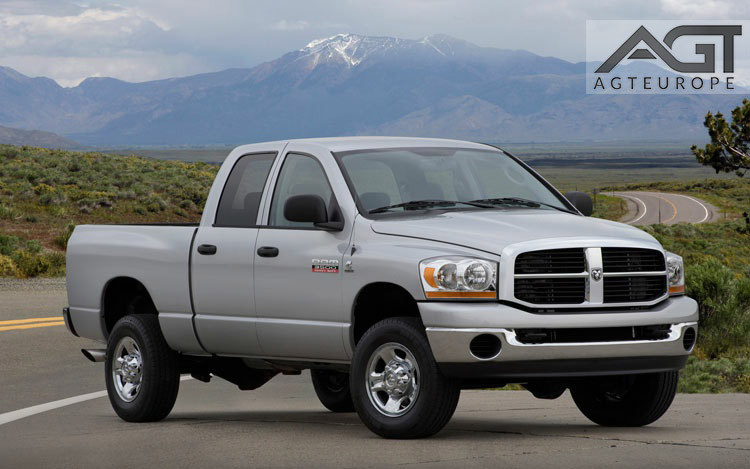
The 2007 and 2008 Dodge Cummins models introduced the newer 6.7L engine, but early production years came with a set of critical flaws that placed them among the most problematic Cummins trucks to date. These models might offer impressive torque on paper, but under real-world conditions, they’ve proven to be high-maintenance and failure-prone.
One of the most common complaints centers around the Bosch common-rail fuel injection system. In both years, owners frequently reported injector failures and valve seat problems, which affected performance, drivability, and long-term reliability. These components are central to the engine’s operation, and when they fail, the result is anything but minor.
Beyond the fuel system, the engine itself became a major point of concern. Numerous reports highlight engine stalls while driving, which pose a serious safety hazard. In some extreme cases, drivers experienced total engine failure, often without warning. These are not isolated complaints. They represent a clear pattern across the early 6.7L Cummins models.
Additionally, steering issues are common with these years. Drivers reported unpredictable or vague steering behavior, undermining the confidence you’d expect from a heavy-duty work truck.
2011 Dodge Cummins
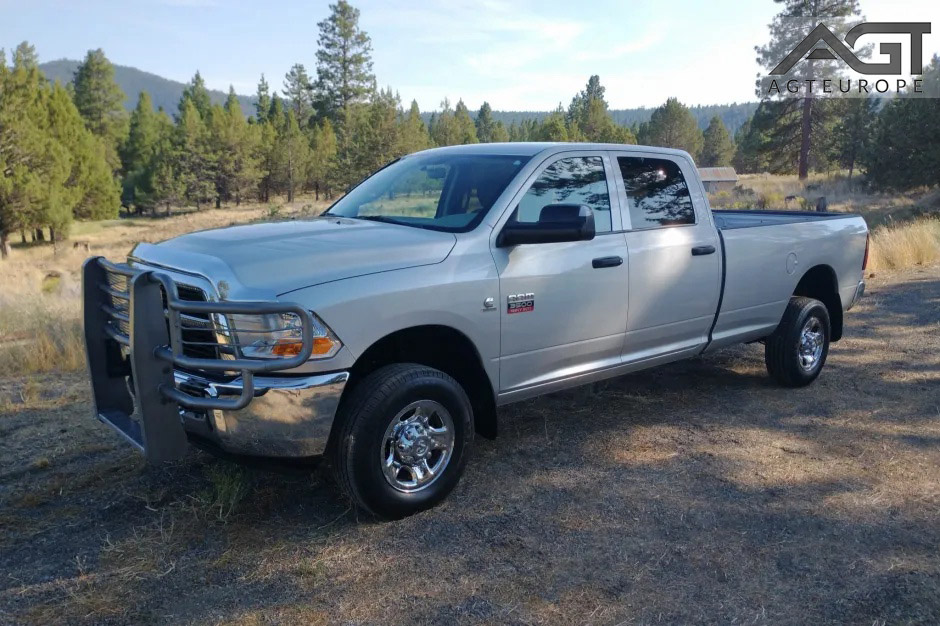
The 2011 Dodge Cummins comes with several noteworthy mechanical vulnerabilities that make it a year to approach with caution. Though improvements were made over earlier 6.7L models, major reliability issues persist, especially in the suspension systems.
The most widely reported problem with the 2011 model is the infamous death wobble. This is a violent shaking of the front end that can be triggered when the truck hits a pothole or uneven surface at speed. It’s more than just a nuisance. It can cause a loss of steering control and poses a serious safety risk, particularly at highway speeds. Another major issue is tie rod failure, which further contributes to the instability and steering unpredictability.
In our test experience, we encountered this ourselves. After hitting a mild bump at around 50 mph, the front wheels began to oscillate uncontrollably. The entire vehicle shook violently, and the steering felt loose and unresponsive. We had to slow down significantly just to regain control. It’s a heart-pounding experience that no truck owner wants to repeat.
Drivers also report camshaft failures occurring in some 2011 models, an alarming mechanical issue that can result in reduced performance, rough idling, and, in some cases, engine damage. These failures add to the cost of ownership and raise long-term reliability concerns.
Common Cummins Problems To Beware Of
Here are the most commonly reported problems that you should be aware of:
- Diesel particulate filter (DPF) clogging: DPF clogging is a known issue in early 6.7L Cummins engines. When the filter becomes blocked, it can lead to reduced engine performance, long crank times, fault codes, and poor fuel economy. While cleaning can be a temporary fix, full replacement is expensive and often unavoidable.
- Turbocharger failure: Older Cummins engines are especially prone to turbocharger wear, which shows up as slow spool, whining noises, excessive smoke, or oil leaks. Common causes include worn bearings or oil seal damage. If neglected, turbo failure can cause further engine damage and require costly replacement.
- Head gasket problems: Head gasket failures are often due to the high cylinder pressures in 6.7L Cummins engines. This can cause white exhaust smoke, coolant mixing with oil, and frequent overheating. If not caught early, this can lead to significant engine damage and expensive repairs.
- Fuel dilution in oil: Fuel dilution happens when unburned fuel mixes with engine oil, weakening lubrication. While some dilution is normal in diesel engines, Cummins models (especially the 6.7L) are reported to exceed safe thresholds. Without routine oil analysis, this problem can go undetected and shorten engine life.
- EGR cooler and valve issues: EGR (Exhaust Gas Recirculation) components, especially on the 6.7L engines, often malfunction or clog at higher mileage. Drivers frequently resort to cleaning or removing these components altogether, though removal is not emissions-compliant and may be illegal in some regions.
- Cracking in engine blocks: Some third-generation Cummins engines, especially the 1999 and 2001 models, were built with “53” cast engine blocks known to crack. These casting flaws compromise engine integrity, leading to coolant leaks and high repair costs. While many were replaced under warranty, some still remain in circulation.
- Transmission failures: The Cummins engine often outlasts its transmission, especially in earlier model years. Transmission problems, such as slipping, delayed shifts, or complete failure, can occur in 1999 models and others with weak solenoids or insufficient pressure regulation. These issues significantly impact drivability and repair costs.
Faulty fuel injectors: Fuel injector failure is a frequent and expensive issue in both late 5.9L and early 6.7L Cummins engines. Bad injectors can lead to rough idling, hard starts, poor fuel economy, and even internal engine damage if left untreated. Replacement costs can add up quickly, especially for all six.
See more cars to avoid & common issues:



So really and truly pretty well. All Cummins engines can Dodge and rams is not really that good ?