
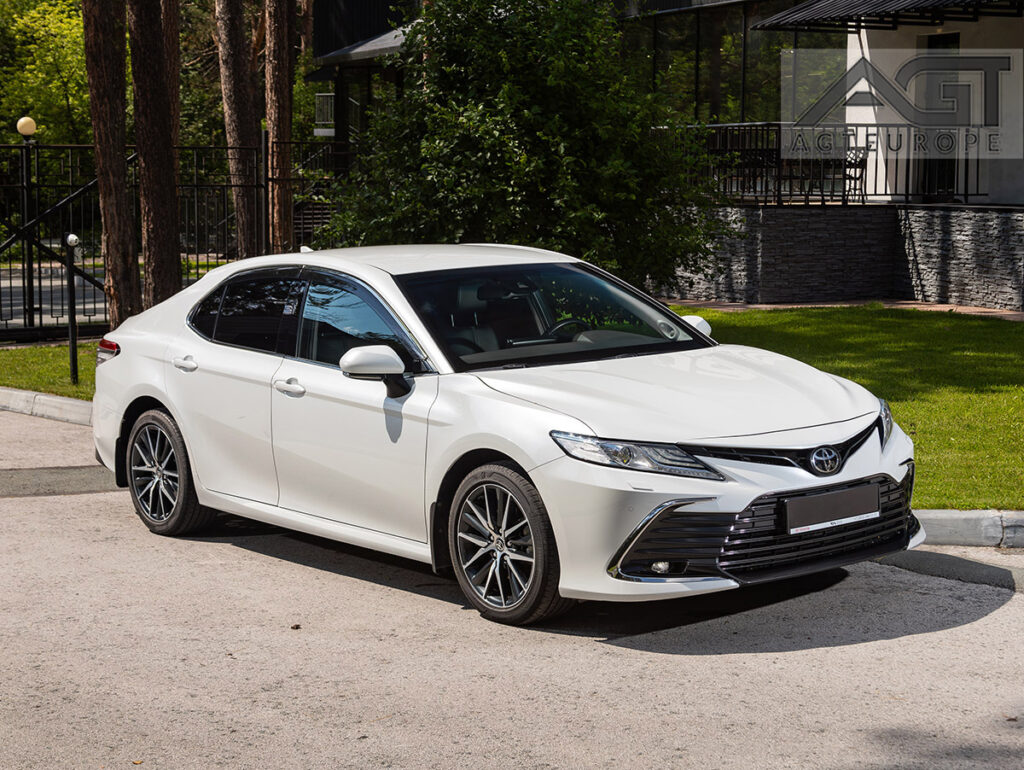
Toyota Camry models from 2002, 2007–2009, 2010–2011, and 2018–2019 are plagued by serious issues, including unintended acceleration, weak braking systems, excessive oil consumption, overheating engines, transmission problems, melting dashboards, and faulty airbags. These problems have led to thousands of complaints and recalls, making certain Camrys risky choices for buyers.
Keep reading to see which year Camry to avoid and why!
In This Article:
8 Worst Years For The Toyota Camry
2002 Toyota Camry
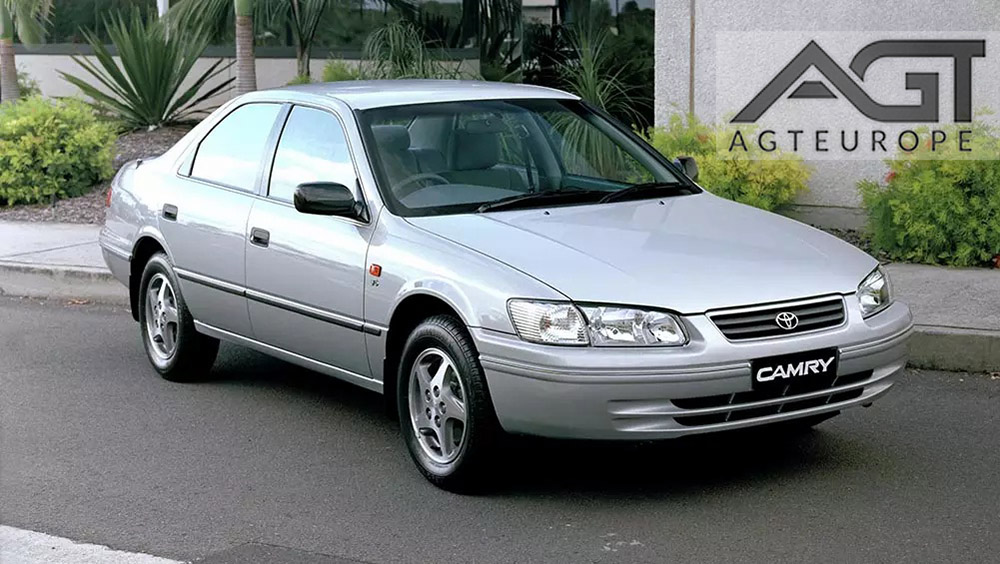
The 2002 Toyota Camry might look like a reliable choice on the surface, but data shows otherwise. With over 1,042 owner complaints and 4 recalls filed with NHTSA as of August 2025, this model is well known for serious safety and reliability concerns.
The most common and troubling issue is unintended acceleration. Many owners reported that the car surged forward even while braking, often at speeds between 30 and 40 mph, leading to accidents and injuries. In some cases, the brakes couldn’t stop the vehicle at all.
Some drivers even noticed the engine of this midsize sedan revving and the car moving forward a foot or two while stopped at an intersection. We personally experienced this at around 35 mph, pressing the brake made no difference, and the car ended up sliding dangerously close to another vehicle.
Braking problems are another major complaint. Drivers often reported that the pedal sank to the floor, the ABS malfunctioned, or the system simply failed to respond in emergencies. Rusted brake lines and poor hydraulic performance made the situation worse, sometimes resulting in crashes.
We had a moment where the brake response was so delayed that we had to swerve into an emergency lane to avoid hitting traffic ahead.
Engine troubles are also widespread. Owners faced head gasket failures, stripped head bolts, overheating, and sudden coolant loss, with repair costs easily climbing past $3,500. Finally, the airbag system is unreliable, with multiple reports of airbags failing to deploy in serious crashes or even deploying unexpectedly while parked.
2007-2009 Toyota Camry
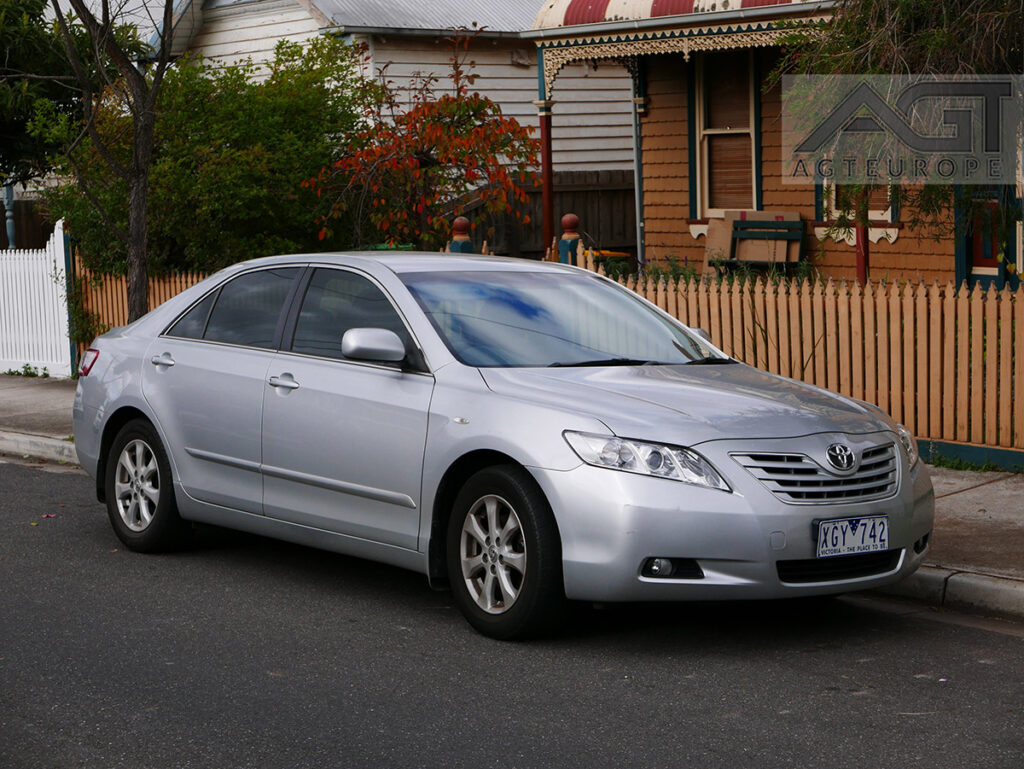
- 2007: 11 recalls, 3602 NHTSA complaints (updated August 2025)
- 2008: 8 recalls, 1170 NHTSA complaints (updated August 2025)
- 2009: 10 recalls, 1397 NHTSA complaints (updated August 2025)
The 2007–2009 Toyota Camry has earned a reputation as a car to avoid because of the sheer number of recurring problems reported by thousands of drivers.
The braking system is the most serious concern. Many owners experienced ABS actuator failures that cause stiff or unresponsive brake pedals, loud warning buzzers, and dashboard lights for ABS, VSC, and brakes. In some cases, cars took dangerously long distances to stop, and crashes have been reported.
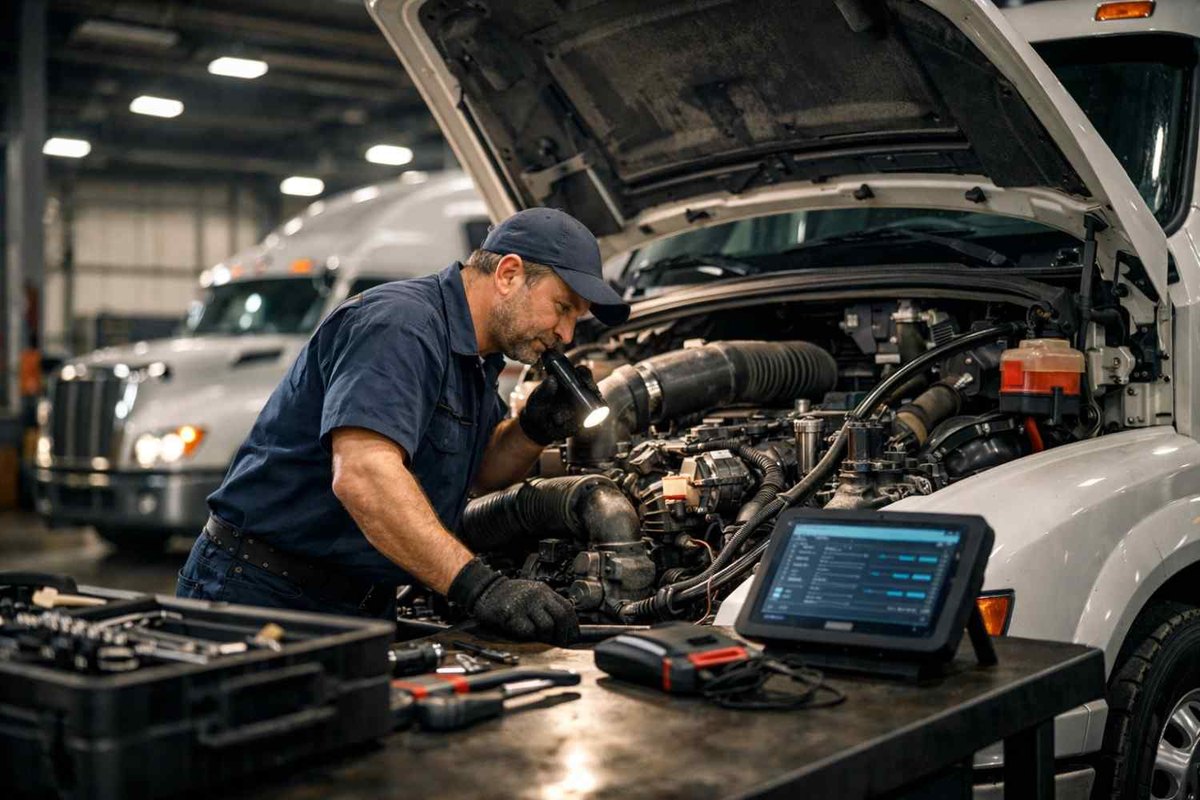
The engine is another weak point, particularly excessive oil consumption. The 2AZ-FE engine is notorious for burning oil at an excessive rate, sometimes as much as 1–3 quarts every few hundred miles. Drivers often report no warning lights before the engine runs dry, which can lead to overheating, black exhaust smoke, or complete engine failure before 100,000 miles.
Owners also complain about structural and visibility issues. The dashboards are known to melt in the heat, becoming sticky and producing a shiny glare that blinds the driver. Sun visors often break or drop down, blocking vision. Paint chipping, rust, and weak suspension struts are also common.
The electronics and speed control systems add further problems. Many Camry owners report the instrument cluster going dark while driving, erratic speedometer readings, or unintended acceleration. Hybrid versions suffer sudden power loss with “Check Hybrid System” warnings.
When we test-drove a 2008 Camry at around 120,000 miles, the ABS and VSC lights were already on. At 40 mph, the brake pedal felt unusually hard, and stopping took much longer than expected. The melted dashboard reflected sunlight so strongly on the windshield that it felt unsafe to continue.
2010-2011 Toyota Camry

- 2010: 9 recalls, 606 NHTSA complaints (updated August 2025)
- 2011: 5 recalls, 608 NHTSA complaints (updated August 2025)
The 2010 and 2011 Toyota Camry are often remembered for serious problems that make them models to avoid, especially for safety-minded drivers.
One of the most common issues reported is unintended acceleration and vehicle speed control failure. Many drivers describe sudden surges while parking or driving at low speeds, often resulting in crashes with poles, fences, or even other cars.
In several cases, pressing the brakes had little or no effect, while others experienced the accelerator sticking fully to the floor until hard braking forced it loose. These incidents were not rare. Complaints link them to both injuries and costly damage, with failures appearing as early as 70,000 miles.
Another widespread problem is the melting dashboard defect, which creates a shiny, sticky surface that reflects dangerously on the windshield. Drivers reported glare so severe that they had to pull over, along with toxic fumes on hot days that made the car uncomfortable or unsafe to use.
Toyota acknowledged this with a limited repair program, but many owners were denied coverage once the deadlines expired. The issue directly affects visibility and, in some cases, raises concern over airbag deployment since the dashboard material weakens around the seams.
The airbag system also shows serious flaws, from warning lights flashing due to sensor or clock spring failures, to airbags failing to deploy in actual crashes. These problems have been linked to water leaks and electrical faults, with repair costs often exceeding $1,000.
When we test-drove a 2011 Camry with around 72,000 miles, the sticky dashboard glare was immediately noticeable. At 45 mph in daylight, visibility was so reduced that we felt unsafe merging into traffic. This reflects what many owners have reported, making these models ones to avoid.
2018-2019 Toyota Camry
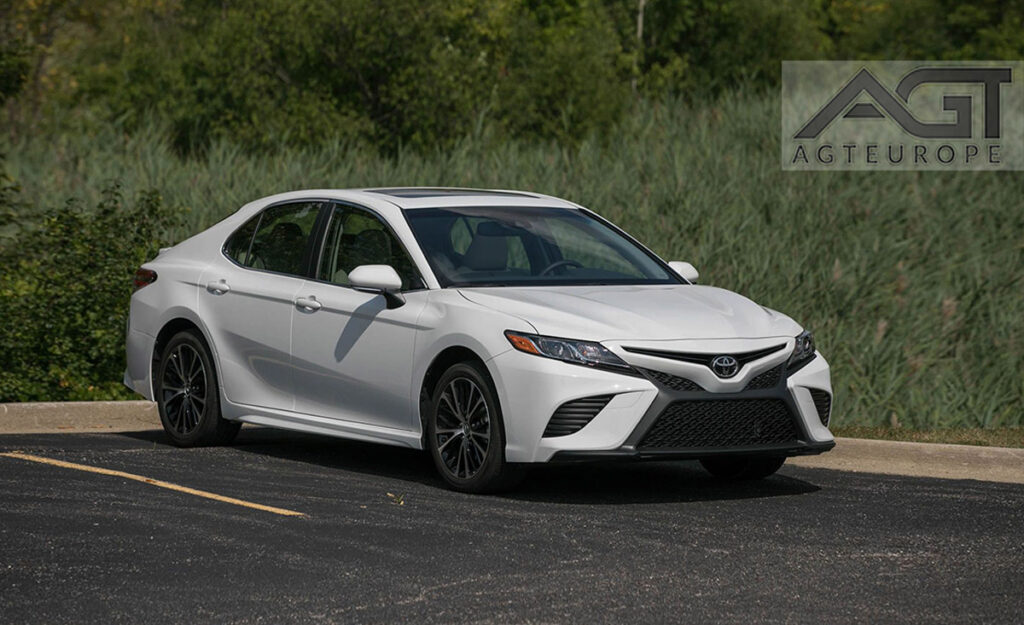
- 2018: 8 recalls, 632 NHTSA complaints (updated August 2025)
- 2019: 6 recalls, 317 NHTSA complaints (updated August 2025)
The 2018 and 2019 Toyota Camry have built up a concerning track record of reliability issues that make them models many drivers now regret owning. One of the most frequent and severe problems comes from the transmission.
Countless owners have reported a high-pitched whining noise under acceleration, often followed by rough or erratic shifting. In many cases, this progresses to complete transmission failure, where the car revs but won’t move, or suddenly loses power while in traffic. Some owners describe waiting months for back-ordered replacement transmissions, which shows how widespread the issue really is.
In our own case, the transmission started whining around 90,000 miles. Not long after, it failed on the highway, forcing us to coast to the shoulder while other drivers slammed on their brakes.
Engine troubles are another major weakness of these midsize sedans. Water pump failures are common, often happening without warning, and lead to overheating severe enough to risk blowing a head gasket. Some drivers have reported check-engine lights followed almost immediately by “Coolant Temp High” warnings, giving them barely a minute to pull over.
Misfires, sudden stalling after refueling, and even complete engine replacements at just over 100,000 miles have also been documented. We experienced a sudden overheat at 55,000 miles with no visible coolant leak. The water pump had completely failed.
On top of this, braking issues tied to faulty vacuum pumps make stopping unpredictable and unsafe. Many Camrys from these years were recalled, but others with the exact same failures were excluded. Fuel system problems, including defective pumps and leaks around the filler neck, add another layer of concern.
Common Toyota Camry Problems
Here are the most common reliability issues with Toyota Camry models across the problematic years:
- Unintended acceleration and speed control failures: Many Camry models (2002, 2010–2011, and some hybrids) suffer from sudden, uncontrolled surges in speed. Drivers report cars accelerating even while braking, sometimes leading to crashes. In the worst cases, pressing the brake pedal made little to no difference, creating serious safety hazards.
- Braking system malfunctions: Several years (2002, 2007–2009, 2018–2019) are notorious for brake problems, including ABS actuator failures, sinking pedals, and faulty vacuum pumps. These problems caused longer stopping distances, delayed braking response, or total system failure, significantly raising accident risks.
- Engine issues (oil consumption problems, overheating, and failures): The 2AZ-FE engine (2007–2009) is infamous for excessive oil consumption, with some cars burning up to three quarts every few hundred miles. Other years face blown head gaskets, stripped head bolts, water pump failures, and overheating that often leads to costly engine replacements.
- Transmission problems: Particularly in the 2018–2019 Camry, transmissions develop whining noises, harsh shifting, and eventually complete failure, where the car won’t move. Many owners report waiting months for replacement transmissions due to high demand, highlighting how widespread the issue is.
- Airbag system defects: Airbag failures are a recurring concern (2002, 2010–2011). Some fail to deploy in accidents, while others deploy unexpectedly while parked. Faulty sensors, electrical issues, and weakened dashboard structures contribute to this problem, undermining crash safety.
- Melting dashboards and visibility hazards: Found mainly in 2007–2011 models, dashboards melt in heat, becoming sticky and shiny. The resulting glare on windshields blinds drivers and, in some cases, interferes with proper airbag deployment. Broken sun visors and reflective surfaces further reduce visibility.
Fuel and cooling system issues: Later models (2018–2019) face defective fuel pumps, leaks, and weak filler necks. Cooling system failures, especially sudden water pump breakdowns, cause overheating and engine damage with little warning, sometimes requiring full engine replacement.
See more cars to avoid & common issues: