

Toyota RAV4 has several problem years: 2001–2003 with transmission/ECM failures, 2006–2008 with steering lockups and excessive oil consumption, 2009–2012 with unintended acceleration, suspension/drivetrain issues, 2013 with electrical fires, paint peeling, and 2019 with fuel pump failures and engine cooling problems. Each faces costly, often dangerous flaws.
Want the full breakdown with details? Keep reading to explore which RAV4 years to avoid.
In This Article:
The Worst Toyota RAV4 Years To Avoid
2001-2003 Toyota RAV4
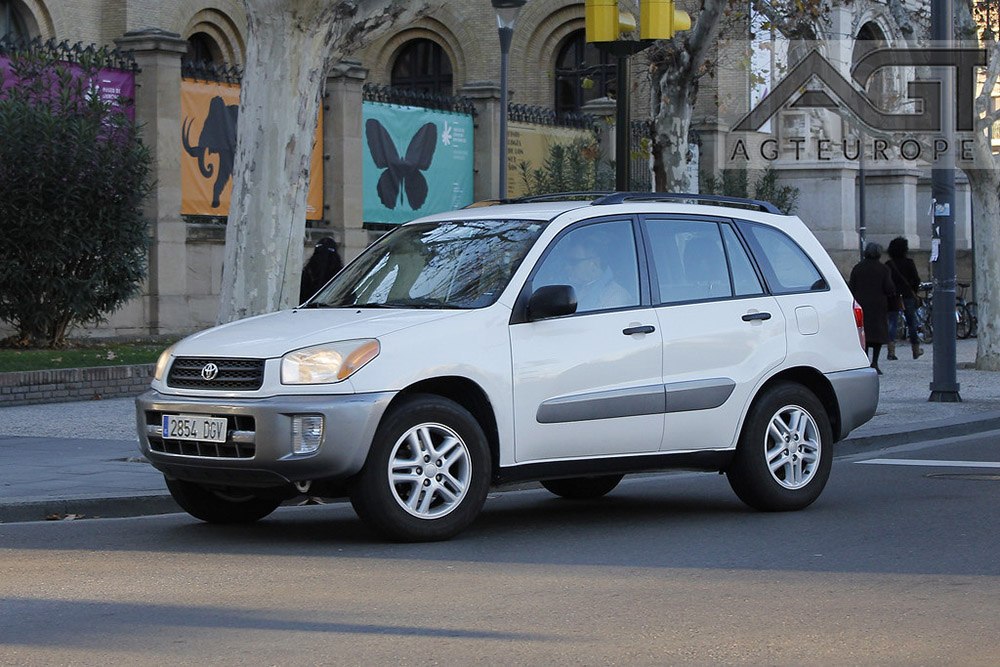
- 2001: 0 recalls, 323 NHTSA complaints (updated August 2025)
- 2002: 0 recalls, 555 NHTSA complaints (updated August 2025)
- 2003: 0 recalls, 325 NHTSA complaints (updated August 2025)
The early-2000s Toyota RAV4s, especially the 2001–2003 models, are widely regarded as some of the least reliable vehicles in the lineup. Owners report that the most common issue is with the transmission, which often slips, jerks, or hesitates when shifting. Drivers describe the car lurching forward unexpectedly or delaying several seconds before changing gears.
These problems are often linked to a defective Engine Control Module (ECM) that fails to communicate properly with the transmission. Over time, the faulty ECM can even cause permanent transmission damage, leading to very costly repairs.
When we test-drove a used 2003 RAV4 with just under 120,000 miles, we noticed exactly what owners have described. At around 40 mph, the transmission hesitated, then slammed into gear, making the SUV lurch forward. During another run, accelerating onto a freeway ramp, the car hesitated for nearly two seconds before responding – a dangerous delay when merging at 55 mph.
Another widespread issue involves the engine and speed control. Many RAV4s from these years experience sudden hesitation when merging into traffic or unpredictable surges of acceleration. For some, the car stalls completely at highway speeds, leaving drivers vulnerable.
Electrical failures add to the problem, from sensors triggering false check-engine warnings to power window and cruise control malfunctions. These defects combine to make the driving experience not only frustrating but also unsafe.
2006-2008 Toyota RAV4
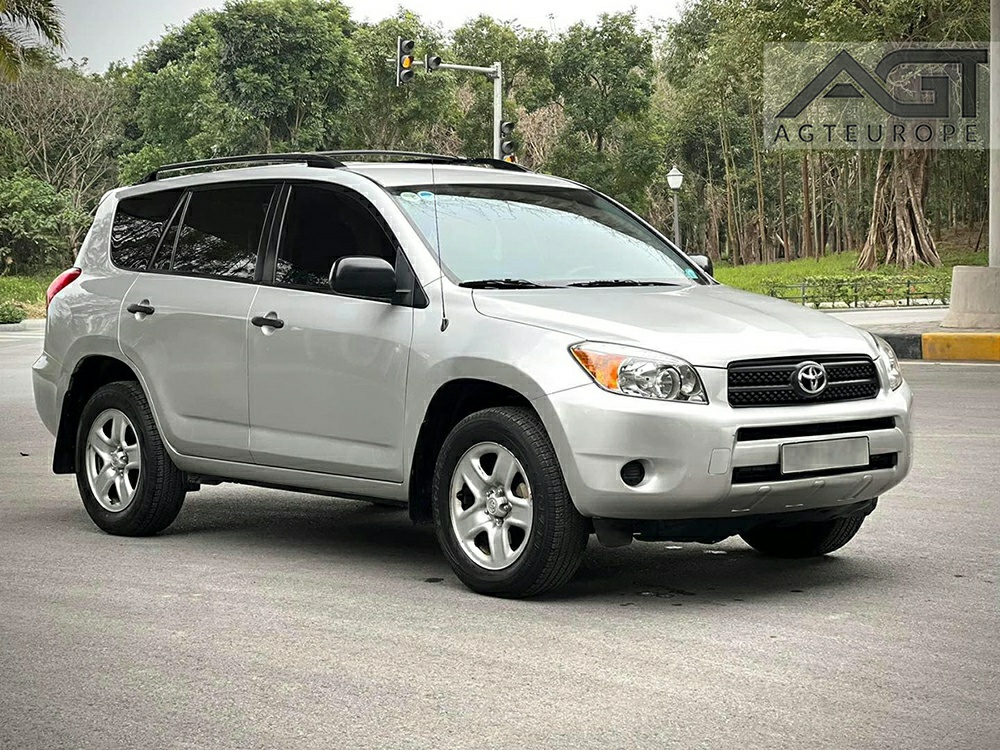
- 2006: 11 recalls, 701 NHTSA complaints (updated August 2025)
- 2007: 14 recalls, 999 NHTSA complaints (updated August 2025)
- 2008: 14 recalls, 573 NHTSA complaints (updated August 2025)
The 2006–2008 Toyota RAV4 is widely considered a poor choice on the used car market due to numerous safety and mechanical problems. Among the most frequent issues is a dangerous steering defect, where drivers have reported hearing clunking or popping sounds, or even experiencing a complete steering lockup, often at low speeds (5–20 mph). This sudden loss of control, particularly during turns, has put drivers in peril and has been linked to accidents.
We experienced the same with our used 2007 RAV4, which corroborates these widespread issues. The author encountered the same steering problems, noting the wheel became suddenly stiff at about 40 mph, making it difficult to control. The vehicle also began consuming nearly a quart of oil every 700 miles around 118,000 miles. These personal experiences confirm the model’s reputation for being unreliable and unsafe.
Another major flaw is the excessive oil consumption of the 2.4L engine, caused by faulty piston rings. Many owners have to add from one to four quarts of oil every 600 to 3,000 miles, despite there being no visible leaks.
This defect has led to a number of catastrophic engine damage in these compact SUVs, including some that resulted in holes in the engine bay or even vehicle fires. Although Toyota released technical bulletins about this problem and offered warranty extensions, many owners were left to deal with the issue on their own after the deadlines passed.
The vehicle also suffers from significant electrical system vulnerabilities. Drivers have experienced flickering dashboard lights and unexpected power steering failures due to ECU malfunctions. A separate, and particularly hazardous, issue is the power window master switch, which is known to cause smoke and fires in the driver’s door.
2009-2012 Toyota RAV4
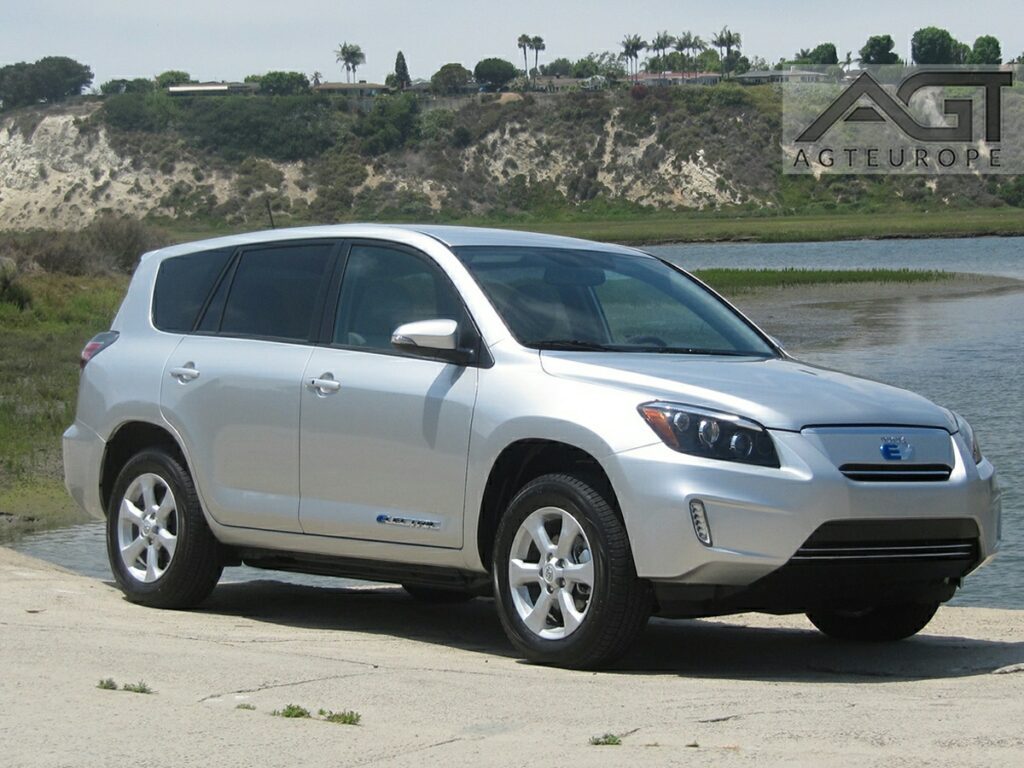
- 2009: 15 recalls, 322 NHTSA complaints (updated August 2025)
- 2010: 14 recalls, 397 NHTSA complaints (updated August 2025)
- 2011: 11 recalls, 280 NHTSA complaints (updated August 2025)
- 2012: 6 recalls, 261 NHTSA complaints (updated August 2025)
The 2009–2012 Toyota RAV4 has earned a troubling reputation among drivers due to recurring and serious mechanical and safety issues. The most alarming and widely reported problem is unintended acceleration.
Many owners describe situations where the vehicle suddenly surged forward despite having a foot firmly on the brake. These incidents often occurred while stopped at traffic lights, slowly parking, or even while decelerating on freeway off-ramps.
Symptoms include engines revving loudly, brakes struggling to hold the car back, and vehicles jumping curbs or colliding with other cars and walls. In some cases, airbags deployed, and injuries were reported. Toyota frequently attributed the issue to driver error or floor mats, but the consistency of reports over the years points to a deeper mechanical or electronic fault.
In our own 2011 RAV4, we experienced sudden acceleration while making a right turn into a parking space at about 5 mph. Despite pressing firmly on the brake, the vehicle surged forward, hitting a concrete wall. Repairs exceeded $9,000, and the incident left us unable to drive for weeks due to injury.
Another major concern involves suspension problems. A recall sealed the rear lower control arms with epoxy, eliminating their adjustability. This left many owners unable to properly align their vehicles, leading to premature tire wear, vibration, and expensive dealer-only alignment fixes costing hundreds of dollars. Drivers also report popping, clunking, and corrosion in the suspension and undercarriage.
Drivetrain and transmission issues round out the list of serious issues. Whining noises, differential leaks, torque converter breakdowns, and axle corrosion are repeatedly reported, often before 100,000 miles. Some owners even describe losing power or control while driving.
2013 Toyota RAV4
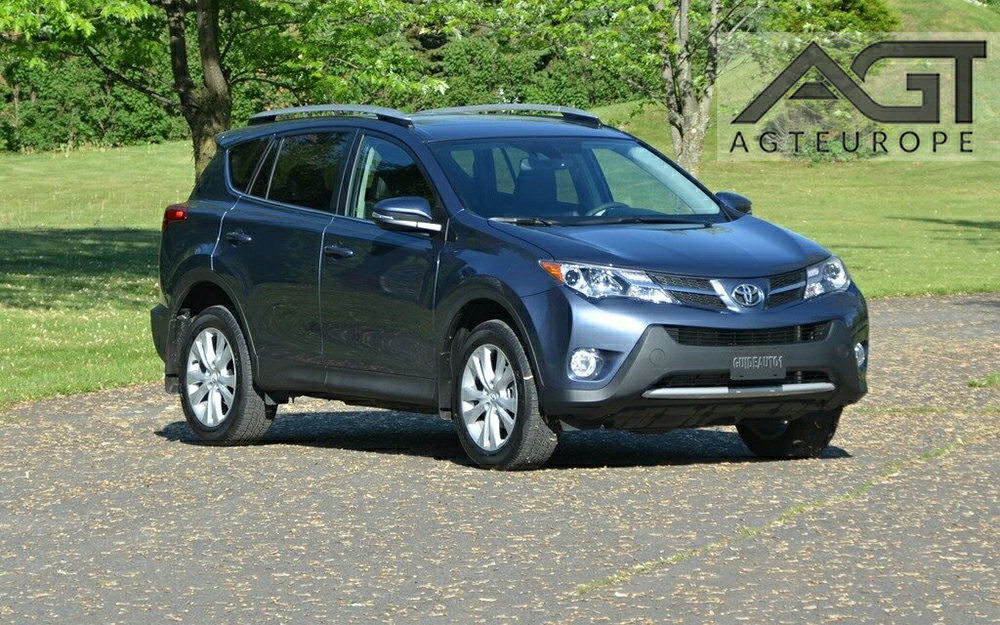
The 2013 Toyota RAV4 has accumulated 247 complaints and 2 recalls on the NHTSA’s 2025 database, underscoring a troubling record of unresolved issues. Owners consistently report problems spanning the electrical system, structure, and transmission, many of which carry direct safety implications.
The most widespread and dangerous complaints involve the electrical system. A recall (No. 23V734000) was issued due to defective battery trays and electrical connections, but owners report long delays in obtaining parts, being forced to pay out-of-pocket costs, and in some cases, outright battery fires.
Several drivers experienced smoke or flames under the hood while driving, with incidents severe enough to cause injuries and total vehicle loss. Even after Toyota acknowledged the defect, many customers state they were pressured into buying new, incompatible batteries to complete the recall repair, leaving trust in the fix deeply eroded.
Structural problems are another sore point. A large number of 2013 RAV4s in Blizzard Pearl white suffer from severe paint peeling and delamination, often on the roof, hood, and doors. These defects expose bare metal, leading to corrosion and rust, while also creating safety risks such as road debris, impaired visibility from glare, and compromised crash integrity.
Toyota previously ran a limited Warranty Enhancement Program, but many affected owners are now left without coverage as the problem resurfaces. Reports of water seeping into the cabin and even fire under the hood further amplify safety concerns with vehicle build quality.
Finally, the transmission has been a major reliability failure. Numerous drivers report shuddering and vibrations at speeds from 20–50 mph, caused by a defective torque converter.
2019 Toyota RAV4

As of 2025, the 2019 Toyota RAV4 has 7 recalls and 798 complaints filed with NHTSA, highlighting widespread issues with its fuel system, cooling components, and electronics.
Many owners have reported fuel delivery problems, including sudden surging idle after driving. Diagnostic codes frequently show P0171 (System Too Lean) and P0505 (Idle Control System), often pointing to a failing fuel pump. Toyota recalled fuel pumps in some RAV4s, but many affected VINs remain excluded.
We experienced this firsthand: after a 15-minute drive at about 35 mph with 62,000 miles on the odometer, our RAV4 jumped to 2,500 RPM in Park, then dropped and surged repeatedly. The check engine light came on, and AWD disengaged without warning, leaving only 2WD active. It was unsettling to realize the same issue had been logged dozens of times by other drivers.
The coolant bypass valve defect is another recurring complaint. Owners describe persistent “Engine Maintenance Required” messages, overheating, and stalling. Repairs cost $800–$1,200, with parts often on national backorder. A class action lawsuit is already underway, but Toyota has limited support to specific failure types, frustrating many.
Fuel tank defects add to the list. Many RAV4s will not accept more than 8–10 gallons despite a 14.5-gallon capacity, reducing range and sometimes spilling fuel back out. Electrical problems also appear repeatedly, from failed DCM units (disabling Safety Connect and Bluetooth) to lane-assist malfunctions that cause swerving or jerking at highway speeds.
Common Toyota RAV4 Problems
Here are some of the most frequently reported issues across different Toyota RAV4 model years, based on owner complaints and documented recalls:
- Transmission issues (2001–2003 models): Early 2000s RAV4s are notorious for harsh shifting, hesitation, or lurching caused by a defective Engine Control Module (ECM). Over time, the faulty ECM often destroys the automatic transmission, leaving owners with repair bills that can exceed the car’s value.
- Steering defects (2006–2008 models): Many owners reported clunking noises, stiffness, or complete steering lockup at low speeds. This defect is especially dangerous because it often occurs mid-turn, putting drivers at risk of losing control.
- Excessive oil consumption (2006–2008 models): The 2.4L 2AZ-FE engine suffers from faulty piston rings that burn through oil abnormally fast, impairing fuel economy. Some drivers add multiple quarts between oil changes, and, in severe cases, engines fail catastrophically.
- Unintended acceleration and brake system defects (2009–2012 models): Many RAV4s from this era suddenly surged forward despite the driver pressing the brake. These incidents often led to collisions, and while Toyota blamed floor mats or driver error, reports suggest deeper electronic issues.
- Suspension and drivetrain failures (2009–2012 models): Faulty rear suspension arms and drivetrain components caused poor alignment, premature tire wear, and vibrations. Some owners also reported drivetrain noise, leaks, and loss of power before reaching 100,000 miles.
- Electrical & fire hazards (2013 model): Faulty battery trays and wiring have been linked to electrical fires, while widespread reports of dashboard flickers, power loss, and failed safety systems add to reliability concerns. Combined with paint peeling and corrosion issues, these problems make 2013 models particularly troublesome.
Fuel & cooling system defects (2019 model): More recent RAV4s face fuel pump failures, stalling, and surging idle speeds, sometimes disabling AWD. Cooling system faults, including defective bypass valves, have caused overheating and expensive repairs, with parts frequently on backorder.
See more cars to avoid & common issues: