
The worst Subaru Forester years to avoid include 1998–2001, 2011–2013, 2015–2017, and 2019, plagued by head gasket failures, excessive oil consumption, transmission breakdowns, stalling, electrical faults, airbag issues, and windshield defects. These recurring issues make ownership risky and costly.
Want the full breakdown of every problem? Keep reading to uncover all details.
In This Article:
What Year Subaru Forester To Avoid
Note: The numbers of owner complaints and recalls on NHTSA are updated as of August 2025.
First Generation: 1998, 1999, 2001 Subaru Forester
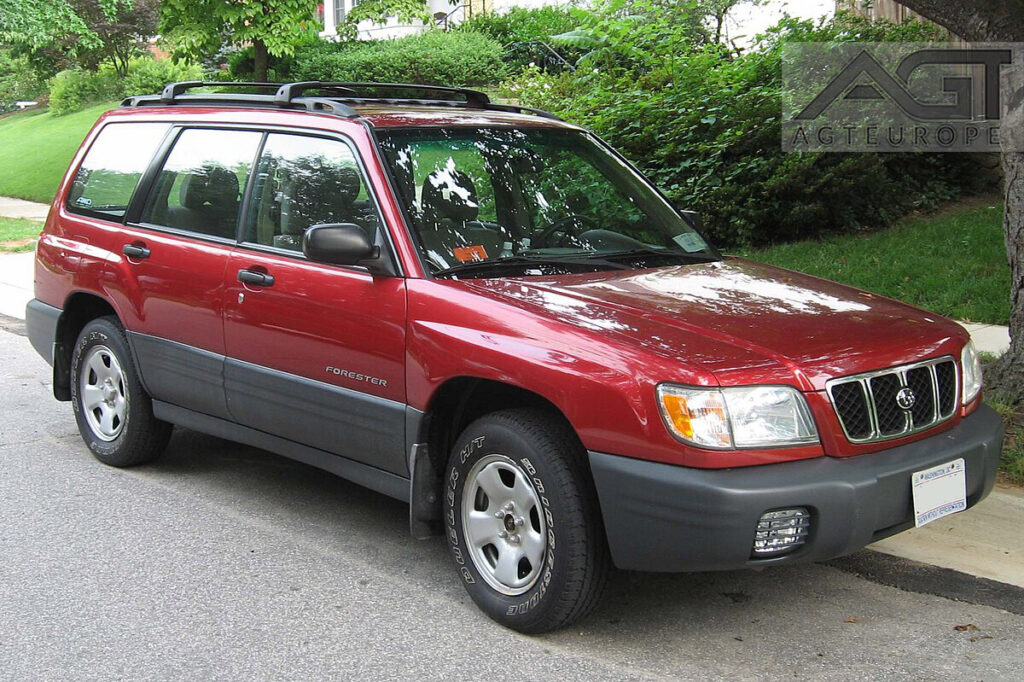
- 1998: 1 recall, 112 NHTSA complaints
- 1999: 1 recall, 141 NHTSA complaints
- 2001: 0 recall, 146 NHTSA complaints
The 1998–2001 Subaru Forester has earned a reputation among owners as a vehicle plagued with serious reliability problems, most notably engine head gasket failures. Many drivers have experienced overheating, coolant boiling over, clouds of white steam from the hood, and even complete engine seizure.
In several cases, owners report replacing the head gasket only to face the same breakdown again within 30,000 to 40,000 miles. Subaru’s own attempt at a fix, adding “coolant conditioner” to the system, was little more than a temporary patch that did not prevent costly repeat repairs.
Transmission and drivetrain complaints also appear again and again. Owners describe clutches that chatter badly, pedals sticking to the floor, gears grinding in first and reverse, and automatic transmissions that fail to shift to Drive until the car is revved for several seconds.
For some, the transmission failed around 119,000 miles. Rear differential leaks and repeated wheel bearing failures increased repair bills, with some bearings lasting less than 10,000 miles before failing again.
We personally experienced the clutch problem with our used 2001 Forester on cold mornings: after driving only 1.5 miles to the dealer, the clutch still engaged only at the bottom of the pedal travel, making starts in traffic risky and stressful. With repeated bearing replacements, costly head gasket jobs, and unpredictable transmission troubles, it’s no surprise many owners now view the first-generation Forester as a model to avoid.
Third Generation: 2011-2013 Subaru Forester
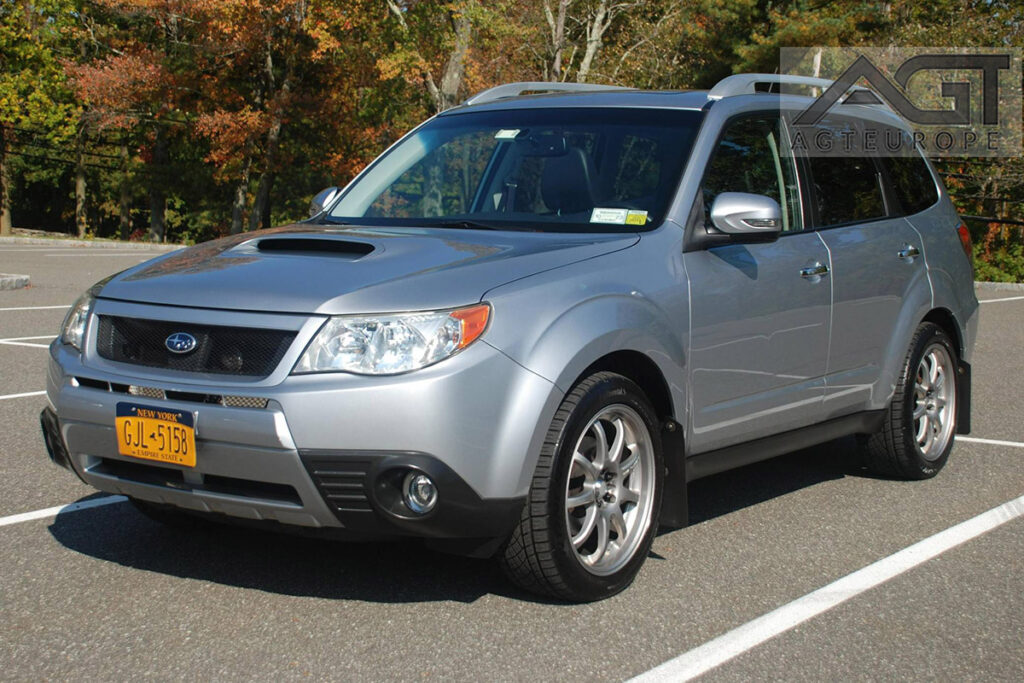
- 2011: 16 recalls, 147 NHTSA complaints
- 2012: 15 recalls, 104 NHTSA complaints
- 2013: 12 recalls 76 NHTSA complaints
The 2011–2013 Subaru Forester is plagued by a recurring set of serious issues. Most notably, many owners report excessive oil consumption, often burning more than a quart of oil every tank of gas. We experienced our own 2012 Forester, and so did others.
We noticed oil levels dropping by nearly 5 quarts over just 3,500 miles (around 95,000 miles), with no leaks visible underneath. It’s no surprise that the average repair cost can be over $3,100, and many engines need replacement near the 48,000-mile mark.
Another widespread and alarming concern is airbag safety, specifically faulty passenger-side airbag inflators. These defects can cause explosions of sharp metal fragments, clearly a critical safety hazard, and despite recalls, many owners are still on the hook, having been quoted over $2,000 to replace entire seats due to defective weight sensors.
On top of those, unintended acceleration and stalling at low speeds are commonly reported. We’ve seen multiple cases where drivers were unable to stop the car while navigating parking garages. There was no shortage of instances where the vehicle surged forward or reverse, ignoring brake input, causing crashes and total loss.
That level of documented concern, combined with our own frightening experiences, makes the 2011–2013 Forester a model we’d strongly advise consumers to steer clear of.
Fourth Generation: 2015-2017 Subaru Forester
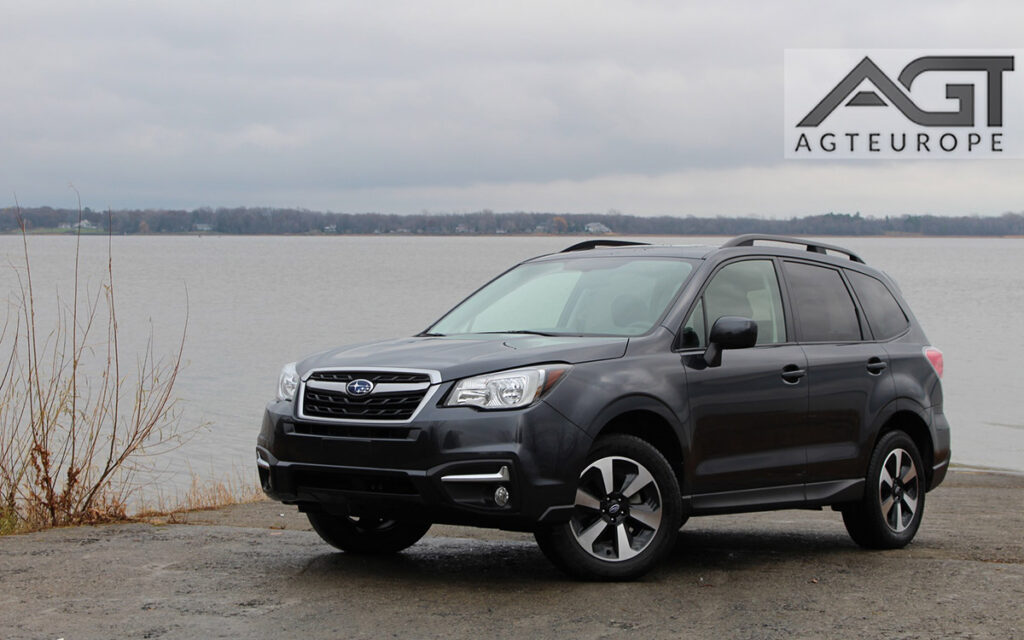
- 2015: 3 recalls, 590 NHTSA complaints
- 2016: 3 recalls, 390 NHTSA complaints
- 2017: 1 recall, 543 NHTSA complaints
The engine issues are among the most serious and widely reported. Many drivers experienced sudden stalling, rough idling, or complete shutdowns while driving. In several cases, the engine lost power between 40 and 60 mph, sometimes accompanied by high oil consumption under 60,000 miles.
This creates unsafe conditions on highways and adds unexpected repair costs. We personally dealt with this when our Forester stalled twice at around 55 mph, forcing us to pull over quickly to avoid being rear-ended.
The powertrain and continuously variable transmission (CVT) also show recurring flaws. Owners describe hesitation, jerking, and shuddering during acceleration. Some note delays when pulling away from a stop, which can feel dangerous in heavy traffic. Transmission failure has been documented in NHTSA complaints at relatively low mileage, making this not just an inconvenience but a potential safety hazard.
The suspension system has its own weaknesses. Clunking noises, uneven tire wear, and premature strut damage appear frequently, sometimes before 40,000 miles. We noticed a loose, unsettled ride around 45,000 miles, which matched the reports from other drivers. This adds to ongoing maintenance costs, as suspension work is not cheap.
The electrical system compounds the frustration. Many owners report dashboard warning lights flashing without cause, dead batteries after the car sat overnight, and malfunctioning accessories like the radio, backup camera, or windows.
At 38,000 miles, our dashboard suddenly lit up with the check engine, airbag, and brake lights all at once, even though the car seemed fine. The uncertainty of whether the problem was real or electronic made driving stressful.
Adding in multiple airbag recalls and persistent electronic glitches, the evidence is clear. The 2015–2017 Subaru Forester suffers from repeated, costly, and sometimes dangerous defects across critical systems, making it a model best avoided on the used market.
Fifth Generation: 2019 Subaru Forester
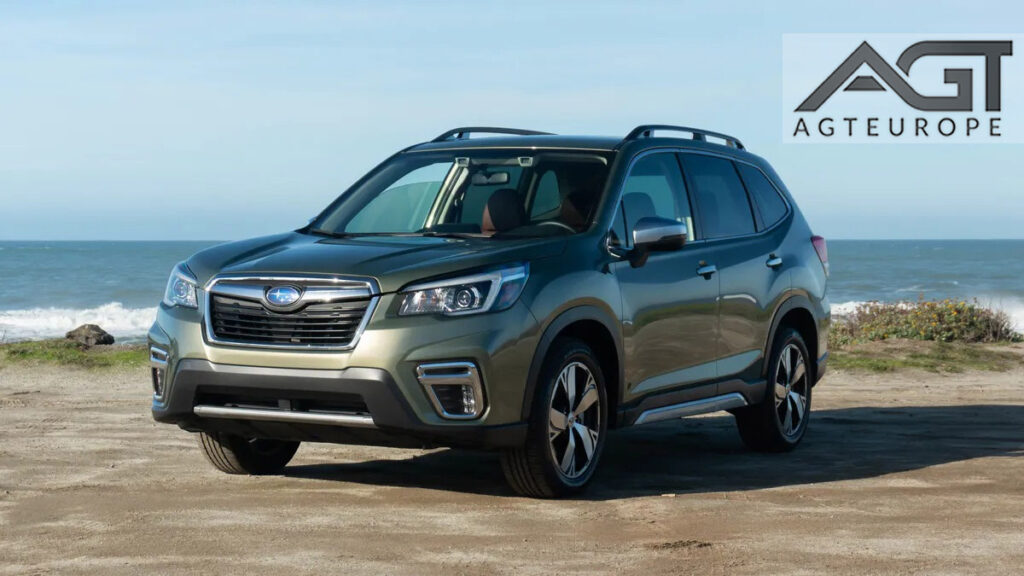
The 2019 Subaru Forester may look like a safe and reliable choice on paper, but real-world data tells a different story. According to NHTSA’s 2025 data, this model has already been hit with 3 recalls and 808 owner complaints, and the problems owners face are not minor inconveniences but recurring safety concerns.
One of the most common issues is with the windshield and visibility systems. Many owners report windshield cracking on their own without any impact, often starting near the EyeSight camera housing or wiper area.
Cracks are typically large, 8 to 20 inches long, and can appear while parked, at stoplights, or even while driving. In some cases, owners have replaced windshields only to face the same failure again. Side windows have also been reported to shatter spontaneously, and even simple components like visors often fail to stay in place, dropping into the driver’s line of sight.
The electrical system is another weak point. The automatic start/stop function frequently malfunctions, shutting the engine down at traffic lights and sometimes failing to restart.
Drivers describe dashboard lights flashing, alarms sounding, and a sudden loss of power steering or acceleration. At highway speeds, some owners have lost motive power completely, creating extremely dangerous situations.
Engine problems add to the list. Failures of the thermo control valve (TCV) can cause stalling, overheating, and even fires. Some owners have reported catastrophic engine breakdowns, including crankshaft bearing failures under 60,000 miles.
We’ve experienced these problems ourselves. For example, while driving at 55 mph, our Forester suddenly lost power and dropped to 35 mph as warning lights lit up across the dashboard. Restarting the car was the only way to continue. At just over 50,000 miles, this is unacceptable.
Subaru Forester Issues To Watch Out For
Problems with the Subaru Forester model range from mechanical to electrical and cosmetic ones:
- Head Gasket Failures (1998–2001 models): Early Foresters are infamous for head gasket breakdowns, leading to overheating, coolant leaks, and even seized engines. Many owners reported the problem recurring within 30,000–40,000 miles, even after costly repairs. Subaru’s “coolant conditioner” fix only delayed, not solved the issue.
- Transmission and Drivetrain Issues (First Generation) Owners frequently experienced clutch chatter, sticky pedals, and grinding gears in both manual and automatic models. Complete transmission failure and rear differential leaks were also reported, with some wheel bearings failing within as little as 10,000 miles. These recurring drivetrain problems made long-term ownership expensive and stressful.
- Excessive Oil Consumption (2011–2013 models): A widespread issue in the third-generation Forester was rapid oil loss, sometimes exceeding a quart per gas tank. Engines often required oil changes around 48,000–95,000 miles, costing owners over $3,000 in repairs. The issue left many drivers constantly checking and topping off oil just to avoid engine damage.
- Airbag Safety Defects (2011–2013 models): Faulty passenger airbag inflators posed a serious risk of metal fragment explosions during deployment. Even after recalls, many owners were stuck with costly replacements, sometimes requiring entire seat assemblies. This made the safety system a major point of concern for affected Forester owners.
- Engine Stalling & Power Loss (2015–2017 models): Later Foresters faced engine stalls and sudden shutdowns at highway speeds, often accompanied by high oil consumption. CVT transmission issues, including hesitation, jerking, and transmission slippage added to the safety risks. Combined, these issues made driving unpredictable and sometimes dangerous.
- Dashboard and electrical system failures (2015–2019 models): Owners reported erratic dashboard lights, dead batteries, and malfunctioning systems like backup cameras and windows. In the 2019 model, the start/stop system often failed, sometimes causing a complete loss of power steering or acceleration. These problems created uncertainty about whether warnings were real or just glitches.
- Windshield & Visibility Defects (2019 model): Many Forester owners experienced spontaneous windshield cracks, often near the EyeSight camera housing, without any external impact. Some replacements failed again within months, while side windows and sun visors also suffered from poor durability. These defects not only added costs but also compromised safe driving visibility.
See more cars to avoid & common issues: