
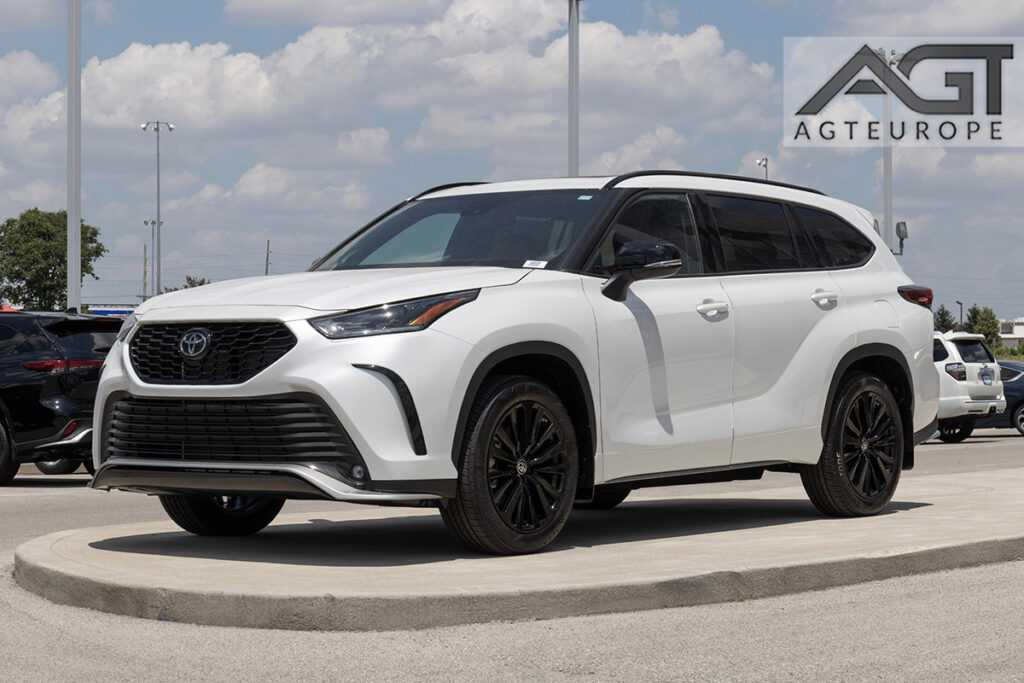
The Toyota Highlander has several troubled years to avoid: 2001–2003, 2005–2007, 2008–2010, 2014–2015, and 2017–2019. Common issues include transmission failures, brake defects, engine problems, electrical faults, and water leaks. Knowing these problem years helps buyers make smarter choices.
Continue reading to learn about Highlander years to avoid and what makes them problematic.
In This Article:
What Years To Avoid When Buying A Toyota Highlander
2001-2003 Toyota Highlander
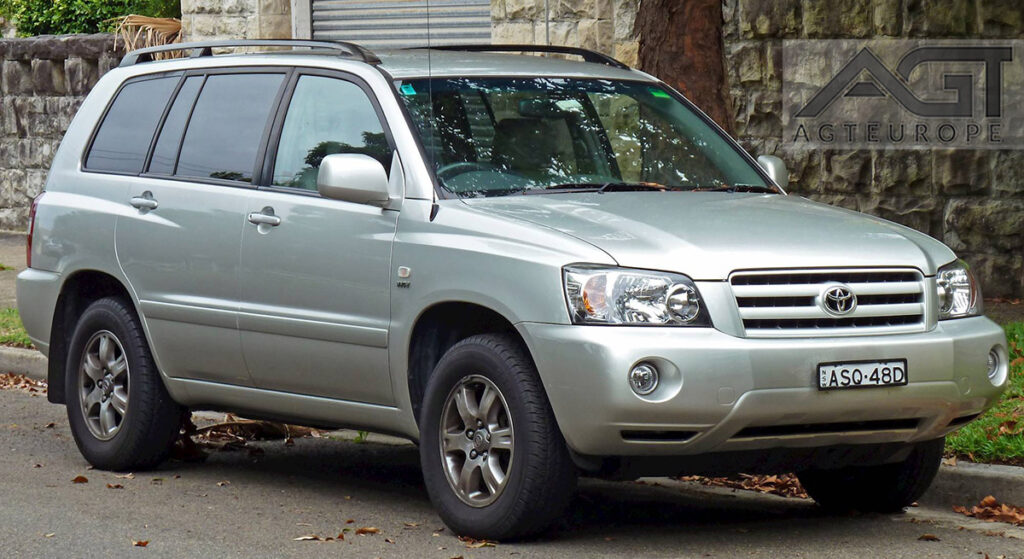
- 2001: 3 recalls, 140 NHTSA complaints (updated August 2025)
- 2002: 2 recalls, 328 NHTSA complaints (updated August 2025)
- 2003: 2 recalls, 269 NHTSA complaints (updated August 2025)
The 2001–2003 Toyota Highlander might look like a reliable SUV on paper, but in reality, it has a long list of recurring problems that make it a risky choice. One of the most common issues is the sun visor failure.
Many drivers report that the visor suddenly drops from its stowed position, often about 30 degrees, and blocks forward visibility. In some cases, this happened while hitting a bump at 40 mph in traffic, creating a real chance of a crash. Replacement visors cost anywhere from $80 to more than $700, and Toyota has refused to recognize this as a safety defect.
Transmission troubles are also widespread. Owners describe sudden unintended acceleration when shifting into gear, rolling backward on driveways, or getting stuck in reverse due to linkage failures. Some drivers say the SUV even jumped curbs in parking lots when the brakes could barely hold it back. These problems not only require costly repairs but also create dangerous situations on the road.
The most serious and expensive failures, however, come from the engine and cooling system. Many Highlanders with the 2.4L engine develop stripped head bolts, blown head gaskets, and coolant leaks that lead to overheating. Repairs often cost $2,500 to $7,000, and some owners had complete engine failure at around 114,000–150,000 miles.
We also experienced a sudden surge with a used 2003 Highlander, where the engine raced at 2,500 RPM while idling. During a left turn into a parking space, the car accelerated so hard that we had to slam the brakes to stop.
2005-2007 Toyota Highlander
- 2005: 6 recalls, 222 NHTSA complaints (updated August 2025)
- 2006: 7 recalls, 271 NHTSA complaints (updated August 2025)
- 2007: 4 recalls, 122 NHTSA complaints (updated August 2025)
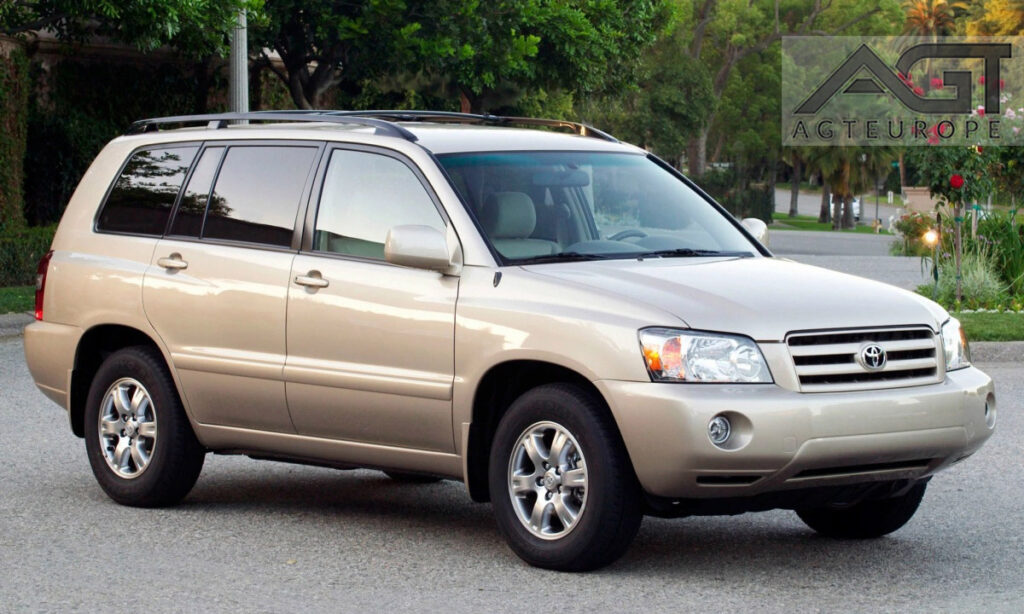
The 2005–2007 Toyota Highlander, including the Hybrid models, has been reported by many owners as a vehicle plagued with recurring and serious safety issues. One of the most common problems is unintended acceleration and throttle hesitation.
Drivers frequently describe a dangerous delay when pressing the accelerator, followed by a sudden surge of power. This “jerky” behavior often happens when pulling out of intersections or merging into traffic, where even a one-second delay can lead to near-miss accidents.
Some also experienced situations where the accelerator became stuck, leading to collisions with trees, signs, or even pedestrians, despite previous recall repairs.
Another widespread concern is the transmission. Numerous Highlander owners reported sudden failures at highway speeds, sometimes after only 120,000 miles. Symptoms include harsh downshifting, grinding noises, or complete loss of forward power.
Others dealt with leaking transmission seals or gaskets, with repeated repairs that did not last. These failures often left drivers stranded and facing repair bills of $3,000 or more.
The braking system is also a major red flag, especially in the Hybrid models. The ABS brake actuator is known to fail, producing loud noises, constant pump cycling, and unpredictable pedal feel.
Warning lights such as ABS, VSC, and check engine frequently appear together, sometimes combined with loss of steering assist or braking power while driving. Many drivers spent thousands replacing actuators, only to have the same issue return after 40,000 miles.
From personal experience with a 2007 Highlander, we noticed the brake actuator failing at around 189,000 miles. The vehicle suddenly lost braking pressure while driving at about 45 mph, forcing us to press the pedal to the floor before it caught. It was a frightening and unsafe experience that confirmed what many other owners have reported.
2008-2010 Toyota Highlander
- 2008: 13 recalls, 400 NHTSA complaints (updated August 2025)
- 2009: 9 recalls, 134 NHTSA complaints (updated August 2025)
- 2010: 11 recalls, 235 NHTSA complaints (updated August 2025)
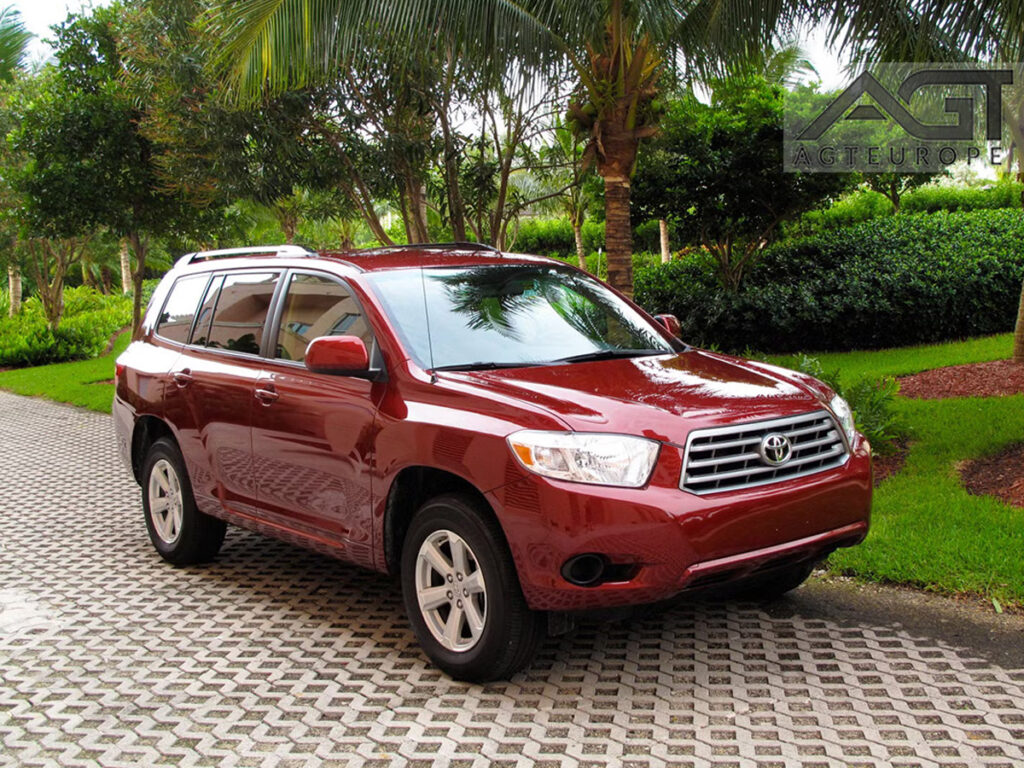
The 2008–2010 Toyota Highlander has earned a reputation for serious and repeated mechanical and safety issues that make it a risky purchase. The most common and dangerous problem involves the braking system, particularly the ABS actuator and brake booster pump.
Many owners report warning lights for ABS, VSC, and the brake system flashing at the same time, followed by spongy pedals, long stopping distances, and even complete brake failure. Toyota once offered a limited support program for this defect, but it expired, leaving owners with repairs costing $3,000–$4,000.
In our own experience, while driving a 2010 Highlander at about 40 mph, the brake pedal suddenly felt soft, and a long warning beep sounded. We barely managed to stop in time, confirming what many Highlander drivers describe.
Engine problems are also widespread. A defective oil cooler hose is known to burst without warning, draining all engine oil within minutes. Owners report pulling over only after seeing a flashing oil pressure light, often too late to prevent severe damage or engine seizure.
Several also experienced stalling at highway speeds with all dashboard lights flashing, a terrifying risk in traffic. We had a similar scare when the engine lost power suddenly at 65 mph, forcing us to drift to the shoulder.
2014-2015 Toyota Highlander
Safety systems show further weaknesses. Numerous crashes were reported where airbags failed to deploy or seatbelts failed to lock, leaving occupants at risk. Others face constant SRS warnings with no reliable fix. Add in recurring electrical faults, from alternators to liftgates, and the Highlander of this era is plagued with defects across critical systems.

- 2014: 5 recalls, 129 NHTSA complaints (updated August 2025)
- 2015: 2 recalls, 178 NHTSA complaints (updated August 2025)
One of the most common issues with the 2014 and 2015 Toyota Highlander is water leakage inside the cabin. Even when sunroof drain tubes are clear, water seeps in through the roof rail bolts or faulty sunroof seals. It runs down the pillars into the carpet, staying damp for weeks and often causing mold or even damaging side airbags.
Paint problems are another widespread complaint. The Blizzard Pearl color usually peels off in large patches. This exposes bare metal to rust, and while Toyota acknowledged the defect, many owners were left without help once warranty periods ended.
Door lock actuator failures are also reported across thousands of Highlanders. The locks work inconsistently or stop working altogether, leaving families unable to secure doors or quickly enter the vehicle. The problem affects both safety and security, and repairs can cost hundreds of dollars per door.
The rear power liftgate is another weak point. Owners describe it failing to open, getting stuck in cold weather, or suddenly stopping mid-operation. In some cases, Toyota issued service bulletins but refused coverage once the vehicles aged, leaving owners with unsafe and unusable tailgates.
Electrical problems add more concern. Fires from seat heater wiring and dashboard electronics have been documented, while others experienced sudden stalling at highway speeds. Owners also complain about a lagging, unresponsive infotainment system.
We personally dealt with a 2015 Highlander shutting down while traveling at 65 mph, with warning lights flashing and the steering wheel locking up. The vehicle had around 86,000 miles, and it left us stranded on the shoulder for hours.
2017-2019 Toyota Highlander
- 2017: 4 recalls, 222 NHTSA complaints (updated August 2025)
- 2018: 5 recalls, 211 NHTSA complaints (updated August 2025)
- 2019: 3 recalls, 323 NHTSA complaints (updated August 2025)
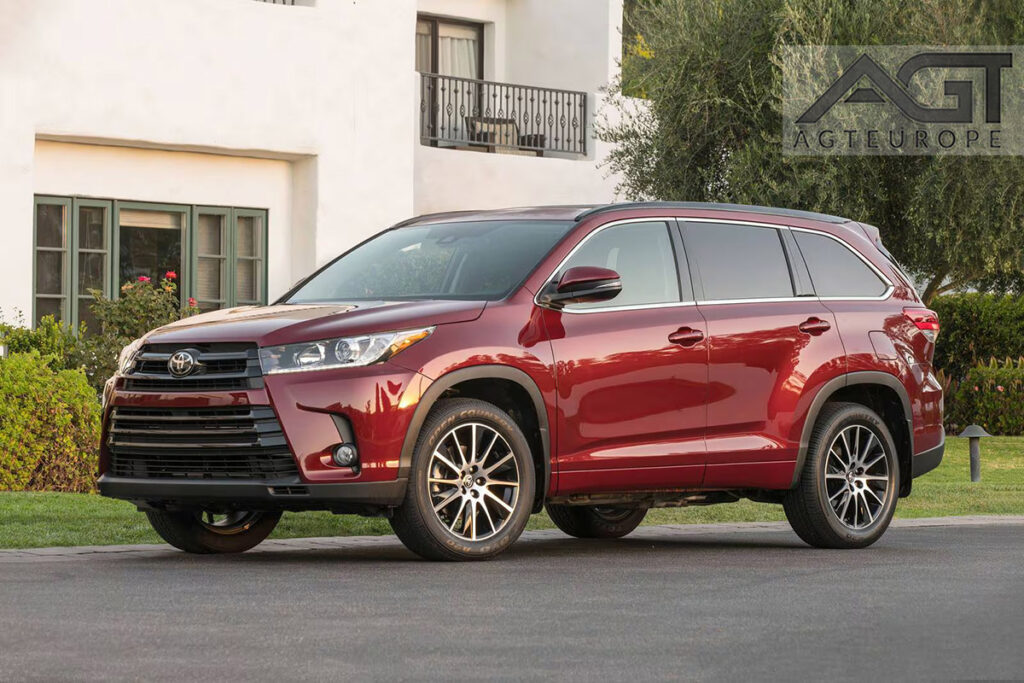
The 2017–2019 Toyota Highlander models are plagued by serious reliability issues. The most common involves the UA80 8-speed automatic transmission. Many owners report whining noises around 25–45 mph, delayed acceleration, hard or missed shifts, and, in many cases, complete failure as early as 39,000 miles.
When this happens, the SUV can suddenly lose power in traffic without warning lights or error codes, creating a dangerous situation during highway merges or intersections. Transmission replacements often cost between $7,000 and $10,000, and Toyota has frequently denied coverage even though similar failures are tied to a known customer support program.
During our test drive with a 2019 Highlander, the transmission began whining at about 63,000 miles, particularly during uphill climbs. Over time, it progressed into jerking shifts and hesitation when accelerating onto highways.
Another widespread problem lies in the braking system. Drivers often face the “Braking Power Low. Stop in a Safe Place” message, with the car either refusing to start or suddenly losing brake assist while moving. Failures of the brake booster vacuum pump and actuator are well documented, yet many VINs were excluded from recalls, leaving owners to cover costly repairs.
Electrical faults also affect this generation. Some vehicles suffer from sudden stalling due to ignition coil or ECM problems, while others experience deafening screeching noises from the audio system linked to a faulty communication module. Engine oil leaks from the timing chain cover and cam tower seals add another expensive headache.
Reliability Issues With Toyota Highlander
The problems below happen to most Toyota Highlander models:
- Transmission issues (2001–2003, 2005–2007, 2017–2019): Owners across different generations report serious transmission problems, including sudden unintended acceleration, hard shifts, and complete transmission failure. Repairs often exceed $3,000, with newer models facing premature breakdowns that cost up to $10,000 to fix.
- Engine and cooling system failures (2001–2003, 2008–2010): Stripped head bolts, blown head gaskets, and coolant leaks plague earlier models, while later versions suffer from oil cooler hose ruptures that drain oil in minutes. These issues frequently result in overheating or catastrophic engine failure, costing thousands in repairs.
- Brake system defects (2005–2007, 2008–2010, 2017–2019): The Highlander has a long history of brake failures, particularly with ABS actuators and brake booster pumps. Drivers experience soft pedals, warning lights, and sudden loss of braking power, creating dangerous situations and requiring repairs that may not permanently solve the issue.
- Electrical and safety system malfunctions (2008–2010, 2014–2015, 2017–2019): Owners report frequent electrical failures ranging from faulty alternators to malfunctioning liftgates. Safety-critical issues include airbags failing to deploy, seatbelt malfunctions, and sudden stalling at highway speeds, undermining driver and passenger protection.
- Sun visor failures (2001–2003): Early Highlanders often suffer from sun visors that suddenly drop down while driving, blocking forward visibility. This defect can be dangerous in traffic and is costly to repair, with replacement visors sometimes exceeding $700.
- Water leaks and paint problems (2014–2015): Cabin water intrusion through roof seals and roof rails often leads to mold growth and potential damage to side airbags. In addition, paint, especially Blizzard Pearl, peels off in sheets, leaving exposed metal vulnerable to rust with limited manufacturer support.
- Door lock, liftgate, and interior component failures (2014–2015): Faulty door lock actuators leave owners unable to secure their vehicles properly, while liftgates frequently stop working or freeze in cold weather. These failures affect both convenience and safety, forcing expensive out-of-pocket repairs.
See more cars to avoid & common issues: