

The worst years for Subaru Outback include 2010–2014 and 2017–2020 due to major issues like airbag defects, engine failure, CVT transmission problems, electrical faults, and frequent windshield cracks. These model years show high NHTSA complaint rates and known recalls.

Read on for a breakdown of these bad years and what went wrong before investing in any used cars!
In This Article:
What Year Subaru Outback To Avoid
2010-2012 Subaru Outback
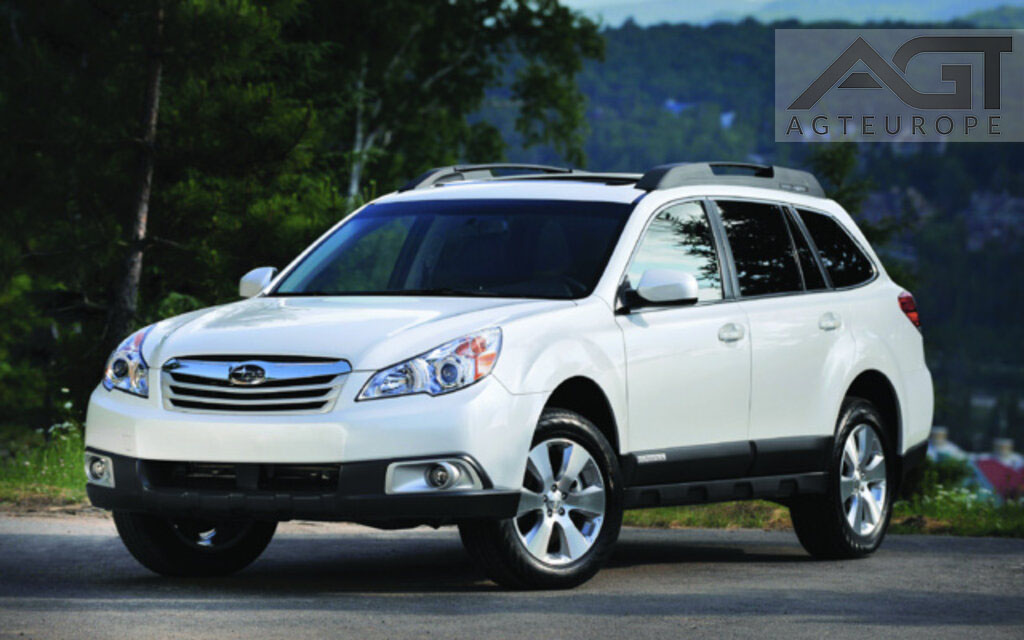
The 2010–2012 Subaru Outback models share recurring safety concerns: air‑bag inflator recalls, unpredictable transmission or engine stalls, and lighting failures.
2010 Subaru Outback
- NHTSA 2025 data: 357 complaints, 18 recalls (including 10 related to airbags)
Key issues include dangerous passenger air‑bag inflator risks, frequent powertrain stalls when braking or stopping, even with no warning lights, and head gasket problems tied to coolant incompatibility. Many owners describe the car stalling at stop signs or in traffic, even when warm, sometimes losing brake and steering power.
We experienced hesitation when braking sharply at around 30 mph, with RPM surge and sudden stall without warning lights. It’s unsettling because the transmission can fail without notice, even after just 50–60,000 miles.
2011 Subaru Outback
- NHTSA 2025 data: 644 complaints, 16 recalls (similar air‑bag and powertrain issues carry over from 2010)
Besides the repeated stalls and transmission failures, many drivers report recurring exterior lighting failures. Low‑beam bulbs burn out every 6–12,000 miles even under light use, often due to melted housing. Other widespread issues include brake system faults, electrical glitches, coolant or fuel line leaks, and steering or wiring problems.
Many owners say both headlamp bulbs burned out together on highway drives. Replacement is tough and costly, though Subaru offered an extended warranty only, not a full recall.
2012 Subaru Outback
- NHTSA 2025 data: 287 complaints, 16 recalls (including air‑bag inflator risk, transmission, and engine issues similar to earlier years)
On top of carry‑over concerns, many owners report melted or failing low‑beam headlight housings, repeated bulb burnout, and even chemical or coolant leaks causing odors or physical irritation. Other problems include sunroof or driver‑side window spontaneous shattering at highway speeds.
We personally drove at roughly 60 mph when the sunroof suddenly cracked, scattering glass, much like others report. The repeated lighting failures and shattering events feel more than coincidental, and they pose real safety risks even at moderate mileage.
2013-2014 Subaru Outback
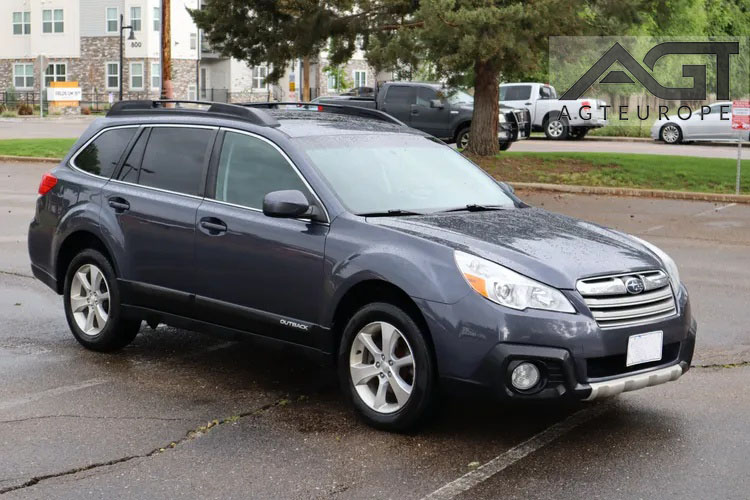
2013 Subaru Outback
- NHTSA 2025 data: 289 complaints, 12 recalls
Despite fewer complaints than prior years, the 2013 Outback carries over major reliability concerns. Airbag inflator defects remain unresolved for many units, and owners report severe corrosion of the engine cradle, confirmed by Subaru service centers but denied warranty repair due to age.
Many complaints point to heavy oil consumption starting as early as 96,000 miles. Some engines consumed more than 2 quarts between oil changes, eventually leading to piston ring failure or full engine seizure by around 140,000–150,000 miles.
Transmission failures are also common, particularly CVT valve body and torque converter problems. Several drivers were stranded on highways or had their car lock in Park or Neutral after dashboard lights lit up.
The car’s handling and steering also present safety concerns, with widespread complaints about steering wandering, sudden jerks at highway speed, or hydraulic instability. According to Torque News, this year was even named in a 2014 oil consumption class-action lawsuit involving the 2.5L FB engine.
2014 Subaru Outback
- NHTSA 2025 data: 203 complaints, 10 recalls
The 2014 Outback may look improved on paper, but it inherits many mechanical issues from the 2013 model, especially excessive oil consumption, head gasket failures, and recurring airbag malfunctions. Several owners reported their engines suddenly seizing after undetected coolant leaks or radiator hose failures, even under 70,000 miles.
Many drivers complain that the oil warning light turns on barely 3,000 miles after an oil change, well before Subaru’s 7,500-mile maintenance interval. This mirrors our own experience: at around 92,000 miles, we noticed the oil light came on just 2,800 miles after service. The dipstick showed nearly a full quart low. We monitored it closely and had to top off twice between changes, despite dealership reassurances that “it’s normal.”
The Roll Connector Harness, essential for horn and airbag function, commonly fails and costs over $400 to fix. Owners also report failure of the Occupant Detection System, disabling the front passenger airbag in cold weather. Worse yet, some crash reports show airbags either didn’t deploy or deployed too forcefully, causing injuries.
2017 Subaru Outback
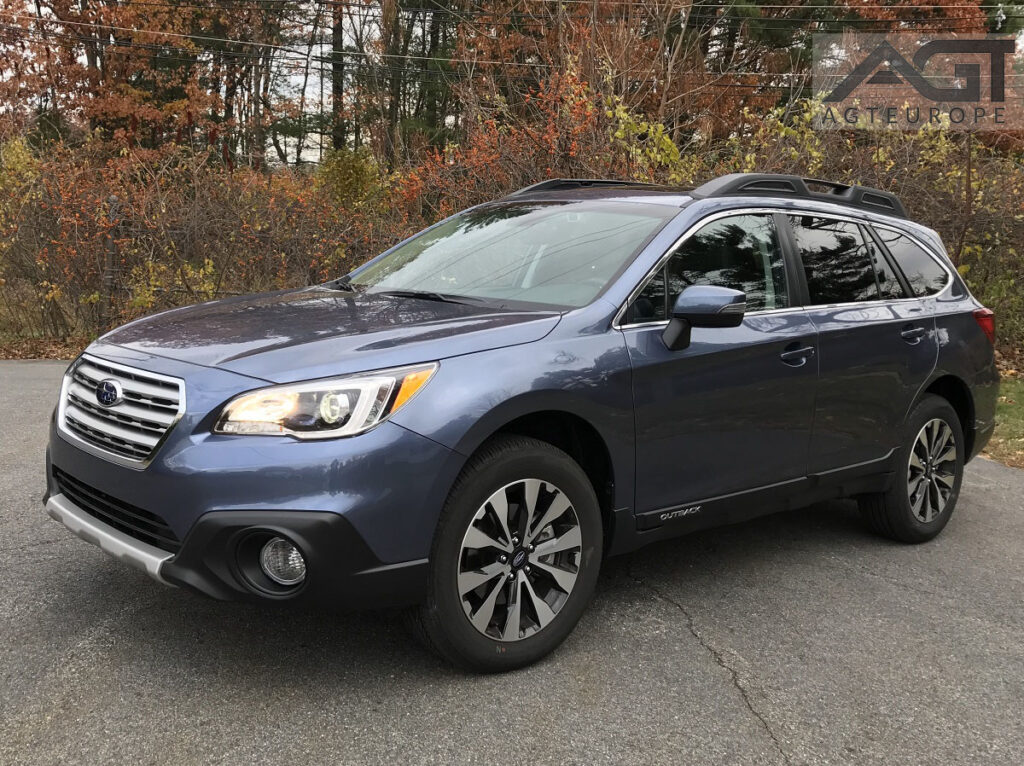
As of 2025, the 2017 Subaru Outback has racked up 893 owner complaints and 4 official recalls on the NHTSA website. The most serious is a “Do Not Drive” warning issued due to loss of steering control, where improperly machined steering columns may cause the wheels to stop responding to the steering wheel. This defect carries a severe crash risk, and Subaru urges immediate inspection.
But steering isn’t the only concern. The most reported issue is premature battery failure, with nearly 400 complaints. Many owners claim their battery dies within just a few days due to parasitic drain caused by the telematics (DCM) system constantly seeking a non-existent 3G signal.
Subaru has not recalled the issue, instead offering a costly technical workaround involving a higher-capacity battery, updated hold-downs, and computer reprogramming, often at the owner’s expense.
Electrical and ignition issues have left many drivers stranded, and several complaints describe sudden vehicle shutdowns, even instances of engine fires or explosions, which thankfully did not result in fatalities but caused injuries and trauma.
A third major issue plaguing the 2017 Outback is fragile windshield glass. Dozens of drivers report spontaneous cracks, often originating near the Eyesight camera system, rendering visibility and safety system calibration unreliable. Many report needing multiple replacements in under two years, which can cost $1,000 or more due to recalibration requirements.
2018-2019 Subaru Outback
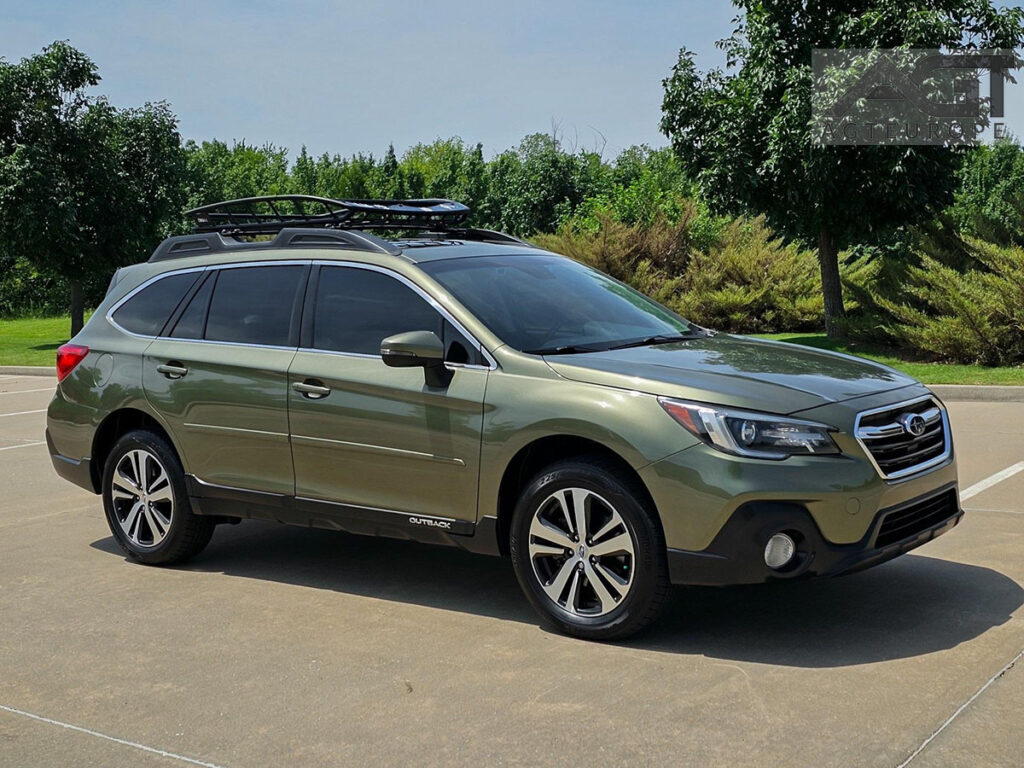
- 2018: 3 recalls, 767 complaints (NHTSA 2025 data)
- 2019: 3 recalls 1002 complaints (NHTSA 2025 data)
While the loss of steering problem seen in the 2017 model has been addressed, the most prominent issues remain uncorrected in the 2018 and 2019 Outback, namely fragile windshields, electrical system failures, and a severely flawed infotainment unit that raises real safety concerns.
Windshield complaints continue to pour in. Owners frequently report spontaneous cracking in moderate weather or during normal use, like lifting the wiper arm. In many cases, windshields have cracked more than once, with patterned “spackle” fractures forming behind the Eyesight camera, compromising ADAS functions and visibility.
The infotainment system, powered by Harman Kardon, suffers from delamination, leading to “ghost touches.” This results in random dialing, unwanted audio switching, and non-functioning rear cameras, sometimes even while reversing. Subaru has acknowledged this by issuing an extended warranty, but coverage limitations leave many owners with a failing head unit and no recourse.
Electrical issues go far beyond the screen. The battery often dies prematurely, sometimes within days, and is frequently traced to DCM parasitic drain or CAN network malfunctions.
During our test drive with a 2018 Subaru Outback, it lost radio control during a short summer drive, volume jumped, stations switched, and Bluetooth disconnected. At the next stoplight, we noticed the screen trying to place a call on its own. This occurred around 37,000 miles, and the dealership recognized the issue but said our unit wasn’t under the warranty batch.
Finally, there are credible reports of unintended acceleration, including vehicles surging forward when shifting into Drive. Some owners even reported their cars crashing into curbs or buildings. Combined with unreliable fuel gauge readings, fuel leaks, non-removable keys, and stalling complaints, this year presents multiple systemic failures.
2020 Subaru Outback

As of 2025, the 2020 Subaru Outback has 873 complaints and 5 official recalls logged with the NHTSA. The vehicle is still plagued by structural, and software, and electrical issues that significantly affect safety and daily usability.
At the top of the list is chronic battery failure. Many owners report replacing the battery two to four times in under 50,000 miles, with symptoms including full electrical loss, inability to start, and repeated roadside breakdowns.
The primary culprit appears to be the DCM (Data Communication Module) and Cockpit Control Module (CCM), both of which cause excessive parasitic drain even when the vehicle is off. This often disables safety systems like Eyesight, collision braking, cruise control, and power liftgate operation.
The 2020 Outback also continues Subaru’s trend of spontaneous windshield cracking, with multiple reports of cracks forming overnight or without any known impact. These not only impair visibility but also compromise ADAS systems housed in the windshield.
Adding to the concerns are infotainment system failures, especially after over-the-air updates. Owners report blank screens, repeated reboots, and deactivation of vital features like navigation, backup camera, and Bluetooth connectivity. In some cases, false collision warnings have engaged the brakes unnecessarily, potentially increasing crash risk.
Common Subaru Outback Problems
Here are 5 common issues affecting Subaru Outbacks across various model years (combined with latest NHTSA data):
- Airbag inflator defects (Takata recall era): From 2010–2014, many Outbacks were recalled due to Takata airbag inflator defects, where the passenger-side airbag could rupture and send metal fragments into the cabin. Although Subaru issued recalls, delays in parts and repair left safety risks lingering for some time.
- Excessive oil consumption & engine failure: Outbacks from 2010 to 2013, especially equipped with the 2.5 L FB engine, are notorious for burning oil quickly, often a quart every few thousand miles. Many owners reported piston ring failures, head gasket leaking, and even full engine seizure. These issues led to class‑action litigation and extended warranties.
- Transmission & powertrain issues: The CVT transmission in many model years (notably 2010–2013 and sometimes into 2018) has been linked to shuddering, jerking, slipping, and valve body failures, often leading to costly replacements. Subaru extended warranty support for many owners, but systemic concerns persist.
- Electrical failures & battery drain: Across multiple years (2017–2020+), owners commonly report premature battery deaths and parasitic drain caused by systems like the DCM or Cockpit Control Module. This often disables features including Eyesight, infotainment, and even the power trunk, leaving drivers stranded and frustrated.
- Fragile windshields & cracking glass: From 2017 onward, the OEM windshields have drawn criticism for spontaneous cracking, even without impacts. Many owners face repeated replacements (sometimes multiple times) due to the need for ADAS calibration and glass replacement.
See more cars to avoid & common issues:


Interesting. I have had a 2013 subaru outback (manual transmission) for 13 years and other than a couple of minor recalls I have no major issues. However, I only put about 80K miles on it.