

The Toyota 4Runner has earned a reputation for toughness, but certain years have proven costly and unreliable. Models from 1988–1995 suffer repeated head gasket failures, while 2001–2005 versions are notorious for severe frame rust and suspension breakdowns. Later years, like 2010–2011, face dangerous airbag defects, and the 2015 model brings electrical and suspension problems.
Understanding these problematic years helps buyers avoid expensive mistakes and safety risks. Read on for a complete breakdown of the worst 4Runner years!
In This Article:
What Year 4Runner To Avoid
Early Toyota 4Runner Models With 3.0L V6 Engine (1988-1989, 1990-1995)
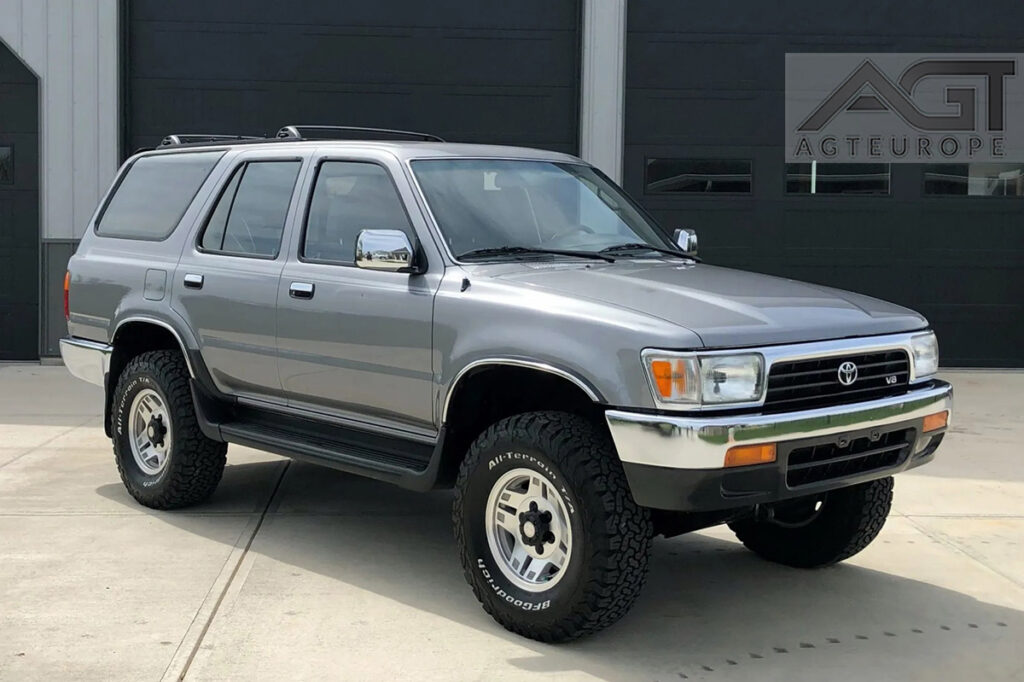
The first- and second-generation Toyota 4Runners with the 3.0-liter V6 engine, built between 1988 and 1995, are widely considered models to avoid. The biggest issue is the engine’s design flaw that leads to repeated head gasket failures.
Many owners reported blown gaskets even after repairs, often recurring within 5,000 to 10,000 miles. Symptoms included white smoke from the exhaust, low idle after highway driving, coolant leaks, and sudden stalling.
In some cases, engines failed as early as 13,000 miles, while others experienced repeated failures before reaching 100,000 miles. Toyota did issue a technical service bulletin and extended warranty for some vehicles, but many owners found themselves stuck with expensive repair bills once the coverage expired.
Beyond the engine, these 4Runners also suffer from suspension sagging due to the four-link rear coil setup not being strong enough for the SUV’s weight, especially when loaded with passengers and luggage.
Drivers often noticed the truck leaning low in the rear or handling poorly at highway speeds. Power steering leaks became another common problem after years of use, adding to costly upkeep.
Older models also carried age-related issues like rust buildup and fluid leaks. In the first generation, some owners reported tire tread separation at highway speeds, with failures tearing sidewalls open without warning, an extremely dangerous defect that could easily cause accidents.
Others experienced cooling fan blade failures, where pieces flew off at speeds of 30 mph or more, sometimes damaging the hood, battery, or alternator belt.
2001-2002 Toyota 4Runner
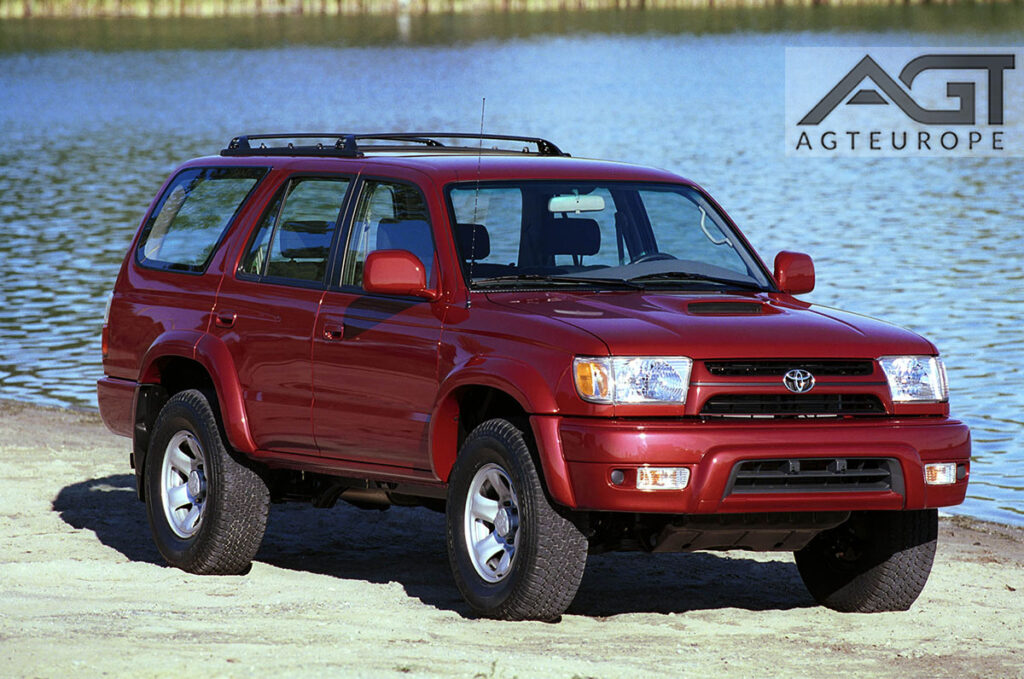
- 2001: 3 recalls, 189 NHTSA complaints (updated August 2025)
- 2002: 3 recalls, 250 NHTSA complaints (updated August 2025)
The 2001 and 2002 Toyota 4Runner may carry Toyota’s reputation for reliability, but NHTSA data and hundreds of owner complaints paint a very different picture. The overwhelming majority of issues come from one dangerous flaw: severe frame rust and corrosion.
Many drivers reported frames so deteriorated that metal could be broken off by hand, or long holes, sometimes more than a foot, appearing in the subframe. This corrosion often spreads to suspension mounts, trailing arms, and sway bar connections, leaving the vehicle unstable and, in many cases, unsafe to drive. Symptoms include violent swaying at highway speeds, steering shake, and, in extreme cases, the rear suspension separating from the frame.
Another widespread issue is rear differential housing rust, which leads to gear oil leaks. This isn’t just messy, but it can also starve the differential of fluid, risking failure or even lock-up at highway speeds. Owners were often quoted $2,500–$3,000 for replacement, with Toyota refusing to cover repairs despite performing frame recalls on other models like the Tacoma.
When we test-drove a used 2002 4Runner with 145,000 miles, the frame corrosion was immediately clear. At about 60 mph, the SUV developed a noticeable wobble, especially on curves, matching the common complaints we read from other drivers. The suspension felt loose, and inspection revealed deep rust near the trailing arm mounts, exactly where many owners reported failures.
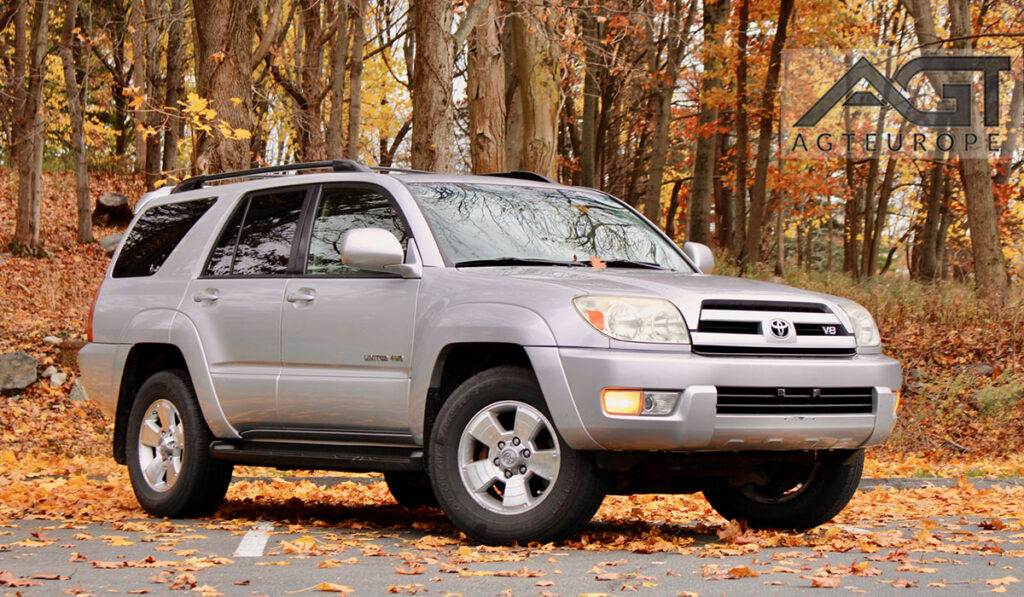
2003-2005 Toyota 4Runner
- 2003: 3 recalls, 703 NHTSA complaints (updated August 2025)
- 2004: 2 recalls, 673 NHTSA complaints (updated August 2025)
- 2005: 5 recalls, 421 NHTSA complaints (updated August 2025)
The 2003–2005 Toyota 4Runner is widely known among owners for serious and recurring problems, with the most common issue being frame rust and structural corrosion. Many drivers report that the frame develops large holes, soft spots, and cracks, sometimes before 120,000 miles.
Mechanics often warn owners to stop driving due to the risk of the frame collapsing. Common complaints describe severe corrosion affecting not just the frame but also brake lines, power steering lines, cross members, and suspension mounts. This makes the vehicle unsafe to drive and often too expensive to repair, with frame replacements quoted at up to $20,000.
Steering and suspension failures are also closely tied to frame rust. Owners describe stabilizer bars rusting off while driving, causing violent swaying at speeds of 25–30 mph. Some report losing steering control entirely when the intermediate steering column rusts through. These failures are unpredictable and potentially catastrophic.
Engine and braking complaints add to the concern about these 4th-gen 4Runner models. Belts snapping while in motion, sulfur odors inside the cabin, and sudden brake line failures from rusted components are frequently mentioned. Several drivers experienced brake pedals going straight to the floor, leaving them with no stopping power.
During our own test drive of a 2005 4Runner with 120,000 miles, we noticed a loud clunk over bumps at around 40–45 mph and saw visible rust perforation near the rear suspension mounts. It mirrored exactly what many owners describe.
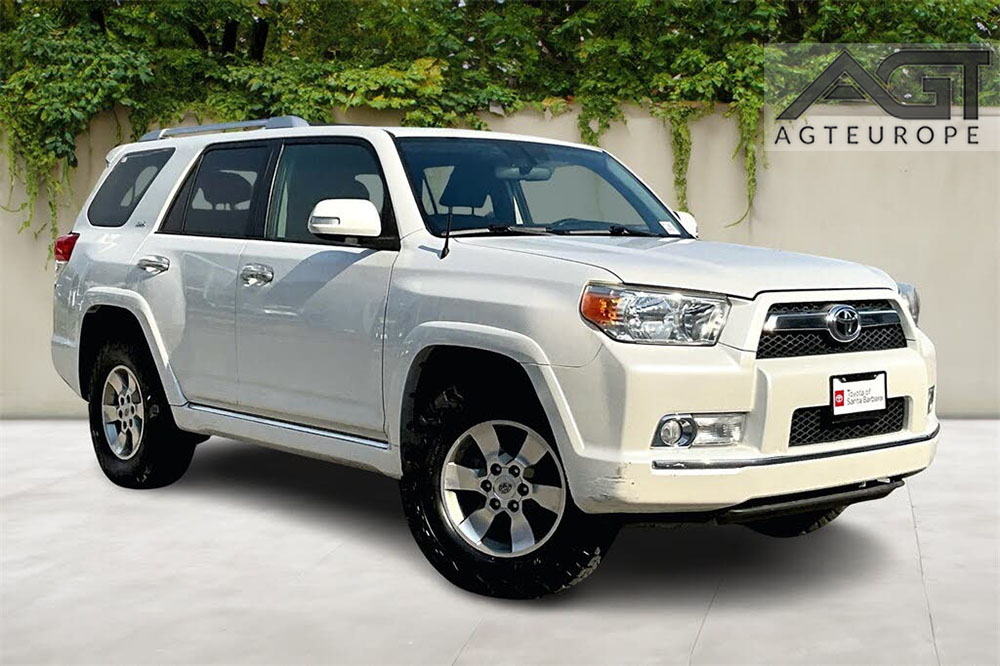
2010-2011 Toyota 4Runner
- 2010: 12 recalls, 144 NHTSA complaints (updated August 2025)
- 2011: 10 recalls, 160 NHTSA complaints (updated August 2025)
The most common and serious issues with the 2010–2011 Toyota 4Runner center on airbag defects and seat-heater wiring, and they continue to affect many owners today. Countless 4Runner drivers report Takata airbag inflator failures, where the passenger frontal airbag may rupture, spraying metal fragments and risking injury or death.
Others describe the occupant sensing system being out of calibration, causing airbag systems that either don’t deploy at all or deploy incorrectly based on passenger size and position. Other owner-reported problems span transmission, interior accessories, and electrical failures.
In addition, there are repeated reports of seat-heater wiring faults, where the copper heating elements short-circuit, posing fire risks. Many drivers consistently experience delayed or unavailable recall repairs, especially for Takata-related airbag replacements.
We saw this firsthand: our 2011 4Runner (now at around 70,000 miles) still carries that uncertain recall notice, and our front passenger airbag remains unfixed, even after being advised not to use that seat. At highway speeds (~60 mph), we’ve also noticed the airbag warning light stays on intermittently, despite multiple trips to the dealer.
2015 Toyota 4Runner
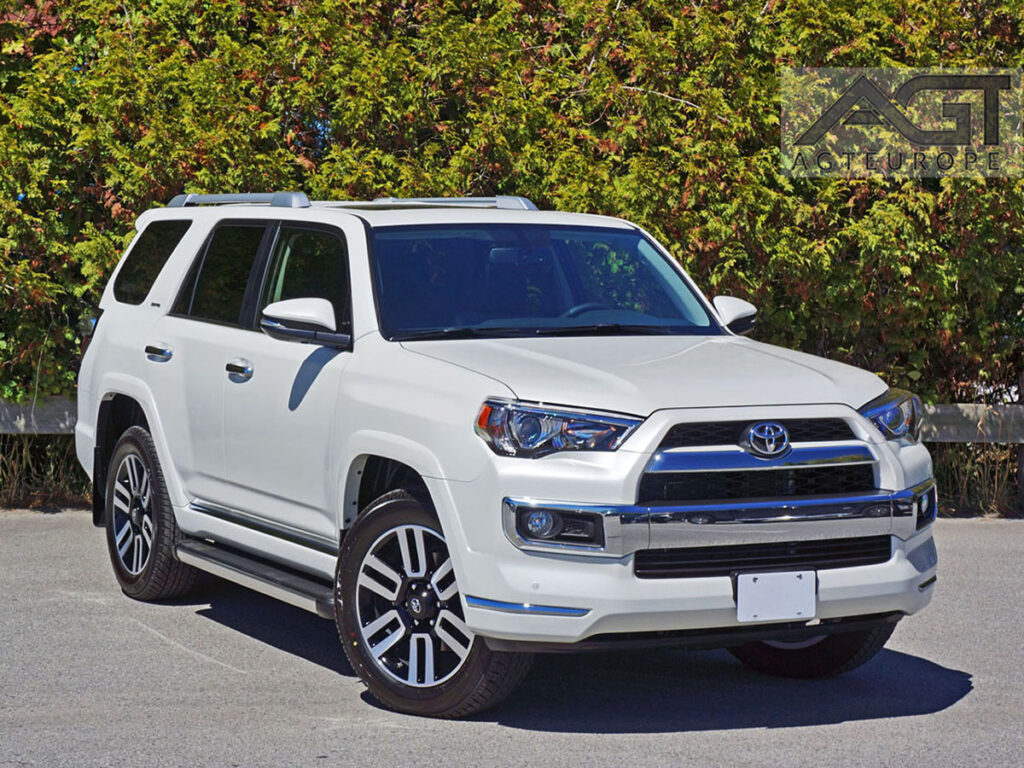
The 2015 Toyota 4Runner has proven to be one of the least reliable choices in its class, with 9 recalls and 84 complaints reported to NHTSA as of 2025. While it escaped the larger wave of Takata airbag recalls, it suffers from multiple serious issues that impact safety and dependability.
One of the most troubling problems is with the electrical system, especially door lock actuator failures. Many drivers reported that two, three, or even four door locks stopped working by around 40,000–50,000 miles.
This left owners unable to unlock or lock doors with the remote or even the key, raising real safety concerns in emergencies. Other drivers experienced the entire electrical system shutting down while driving, with headlights, gauges, and radio cutting out before restarting on their own.
Suspension problems are another major weakness. Owners of Limited models with the X-REAS suspension often faced leaking struts as early as 38,000 miles, with repair costs exceeding $4,000. TRD Pro drivers reported front coil springs cracking, creating the risk of sudden loss of control. In addition, recurring alignment problems caused premature wear on tires and unsafe vibrations at highway speeds (60–70 mph).
From our own experience, the problems are not just theoretical. At around 50,000 miles, we dealt with a failed door lock actuator on the passenger side that made it impossible to unlock from the outside. On another occasion, while driving at 65 mph, the steering wheel shook violently, making highway trips feel unsafe.
Toyota 4Runner Problems To Be Aware Of
Here are the most common Toyota 4Runner issues based on owner complaints and reliability ratings:
- Suspension sagging & power steering leaks: The four-link rear coil suspension on older models was not strong enough for the SUV’s weight, causing sagging and poor handling. Over time, many also developed power steering leaks, adding to expensive upkeep.
- Severe frame rust and corrosion (2001–2005 models): A major issue in early-2000s 4Runners is frame corrosion, with some frames rusting so badly that large holes appeared or suspension mounts detached. This made the vehicles unsafe to drive, and repairs were often prohibitively expensive, sometimes exceeding $10,000.
- Head gasket failures (1988–1995 3.0L V6 models): Early 4Runners with the 3.0L V6 engine suffered from chronic head gasket failures. Many owners experienced repeated breakdowns even after extensive repairs, leading to costly engine damage and, in some cases, complete engine failure before 100,000 miles.
- Steering & suspension failures from rust buildup: Corroded stabilizer bars, steering columns, and suspension mounts caused dangerous handling problems. Some owners reported losing steering control completely, while others experienced violent swaying or suspension separation while driving.
- Airbag & seat-heater defects (2010–2011 models): These years were plagued by Takata airbag inflator failures that could rupture and spray metal fragments. Many also had faulty seat-heater wiring that posed a fire risk, while recall fixes were often delayed or unavailable.
- Electrical failures & door lock actuator problems (2015 models): Electrical system issues, especially failed door lock actuators, left many drivers unable to unlock or secure their vehicles. In some cases, the entire electrical system shuts down while driving, creating serious safety risks.
- X-REAS suspension & alignment issues (2015 models): X-REAS suspension struts leaked early, while TRD Pro versions saw cracked front coil springs. These failures led to unsafe vibrations at highway speeds, uneven and premature wear on tires, requiring regular maintenance and high repair costs.
See more cars to avoid & common issues: