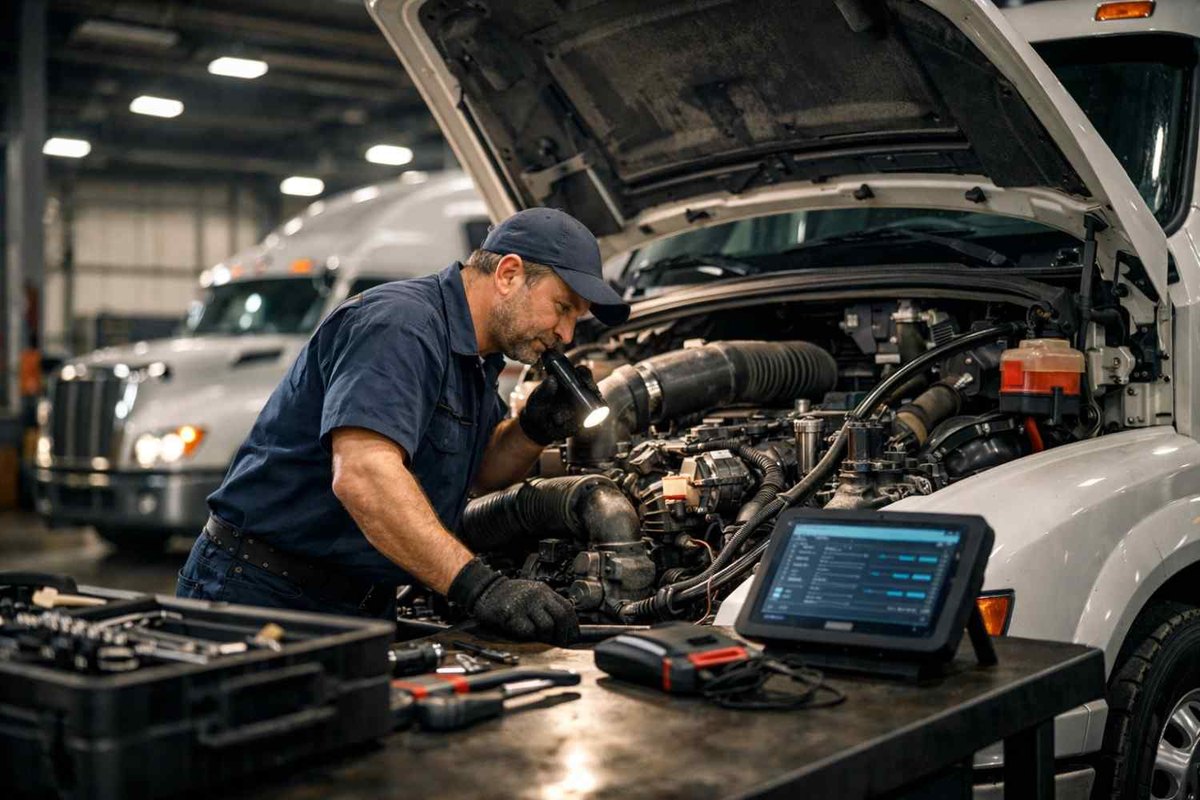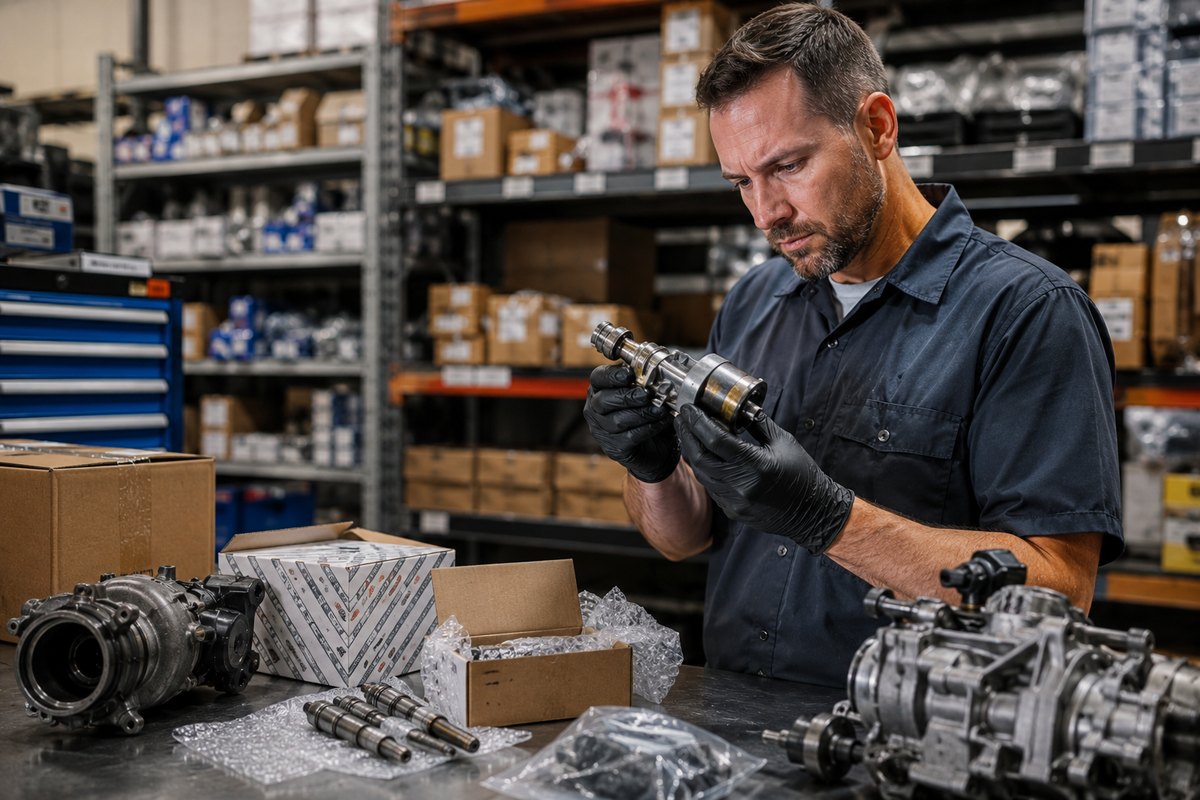

The worst years of Ram EcoDiesel include 2014, 2015, 2016, and 2017. These early models are plagued by serious mechanical failures like EGR cooler leaks, turbocharger failure, excessive oil consumption, and emissions system breakdowns. Some were even subject to emissions-related recalls and lawsuits.
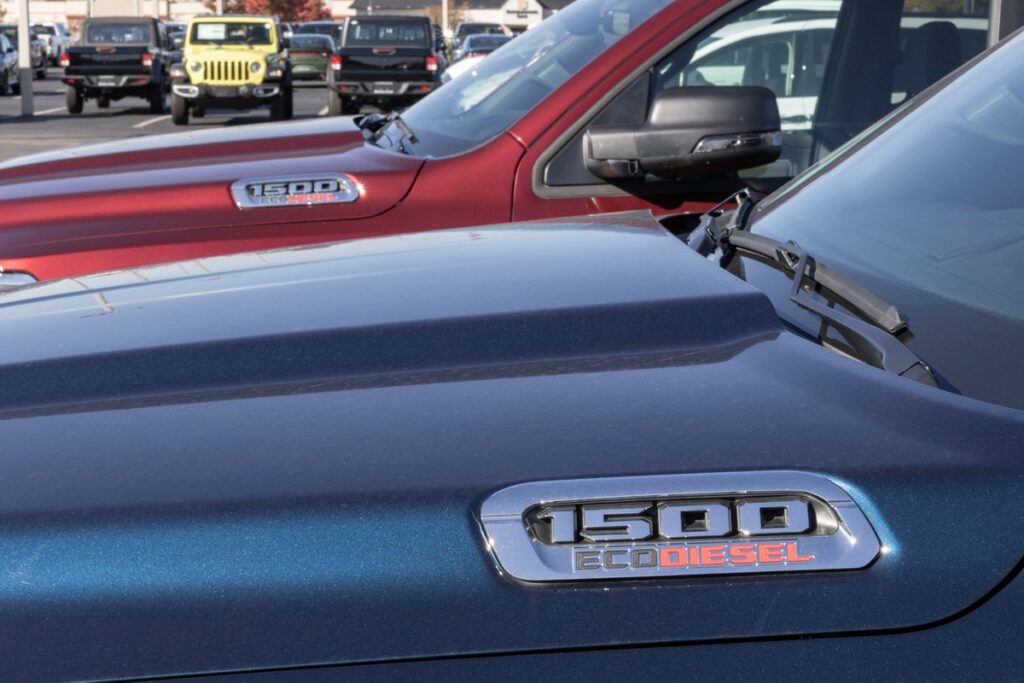
Keep reading for a breakdown of the worst issues, real owner experiences, and which model years are actually worth your money!
In This Article:
What Years Ram Ecodiesel To Avoid
2014 Ram 1500 Ecodiesel
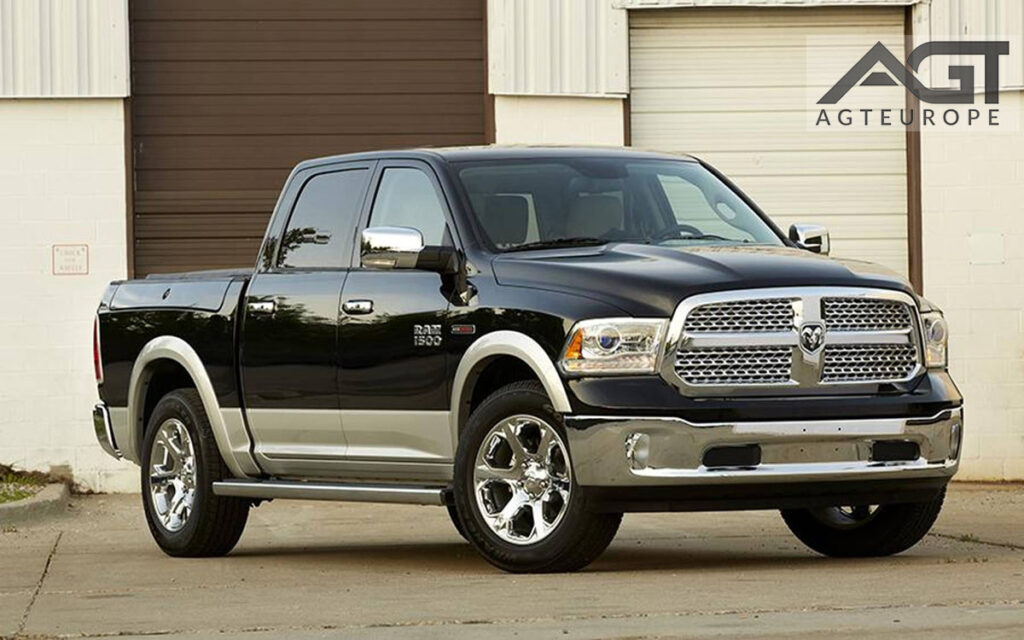
The first-year 2014 Ram 1500 EcoDiesel is widely seen as the most troublesome model of the entire lineup. While the truck impressed early adopters with its low-end torque and fuel economy, major reliability issues quickly overshadowed those strengths.
One of the most common 2014 Ram EcoDiesel problems is the cracked EGR cooler, which can lead to coolant leaks and, in worse-case scenarios, engine fires. This design flaw affected thousands of trucks and triggered a major recall. Many owners also dealt with oil cooler leaks, which caused oil and coolant to mix and led to engine contamination. A surprising number of these failures happened before the truck hit 100,000 miles.
Turbocharger failure was another serious issue. Drivers noticed a sudden loss of power, especially during acceleration. We experienced this once while merging onto the freeway at around 55 mph. The RPMs climbed, but the truck stalled for a couple of seconds before the turbo kicked in again. Diagnostics later confirmed bearing wear in the turbo, and the repair cost came out to nearly $3,800.
Some trucks also suffered from high-pressure fuel pump failures, leading to metal shavings contaminating the fuel system. This often required full fuel system replacements, including injectors and tank flushes. In several cases, this happened just past the warranty period, leaving owners with bills from $2,500 to $4,000.
Electrical issues weren’t uncommon either. Many reported problems with random warning lights, flickering electronics, or a persistent Check Engine light that wouldn’t go away, even after multiple sensor replacements. In our case, the truck started showing false DEF warnings at 72,000 miles, forcing a regen cycle that didn’t resolve the issue until a dealer reset the ECU.
2015 Ram 1500 Ecodiesel
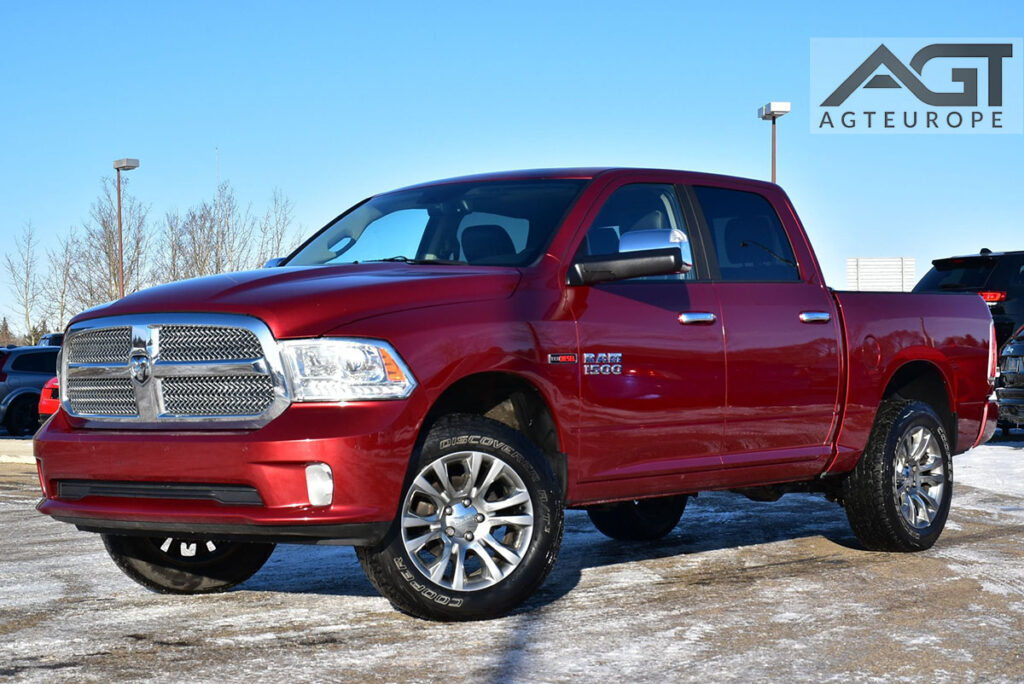
The 2015 Ram 1500 EcoDiesel showed slight improvements over its launch-year predecessor, but many of the core issues remained. This model still struggled with emissions system failures, fuel injection problems, and electrical system malfunctions.
A recurring complaint from owners involved clogged diesel particulate filters (DPFs) and EGR valve buildup. These components would often get blocked and trigger limp mode, especially for drivers who didn’t do regular highway driving. The truck demanded forced regen cycles more frequently than expected, and in many cases, the sensors would fail and throw multiple warning lights.
Fuel system problems were another headache. Drivers reported rough cold starts, uneven acceleration, and injector misfires. We ran into this ourselves during a winter trip. At around 38°F, the truck hesitated during start-up and idled roughly for a full minute. The dealer later told us two injectors were leaking slightly and the fuel pressure wasn’t consistent.
The TIPM (Totally Integrated Power Module) issues also carried over from the 2014 model. In this model year, it caused random electrical problems, like power windows failing or the ABS and traction control lights staying on. Some drivers even noted headlights turning off unexpectedly while driving.
Owners also raised concerns about reduced performance after software updates. Many trucks received emissions-related ECU flashes that made throttle response sluggish and dropped fuel economy by 2–3 MPG. While these updates were meant to improve emissions compliance, they often made the truck feel underpowered, especially when towing or hauling at highway speeds.
2016 Ram Diesel
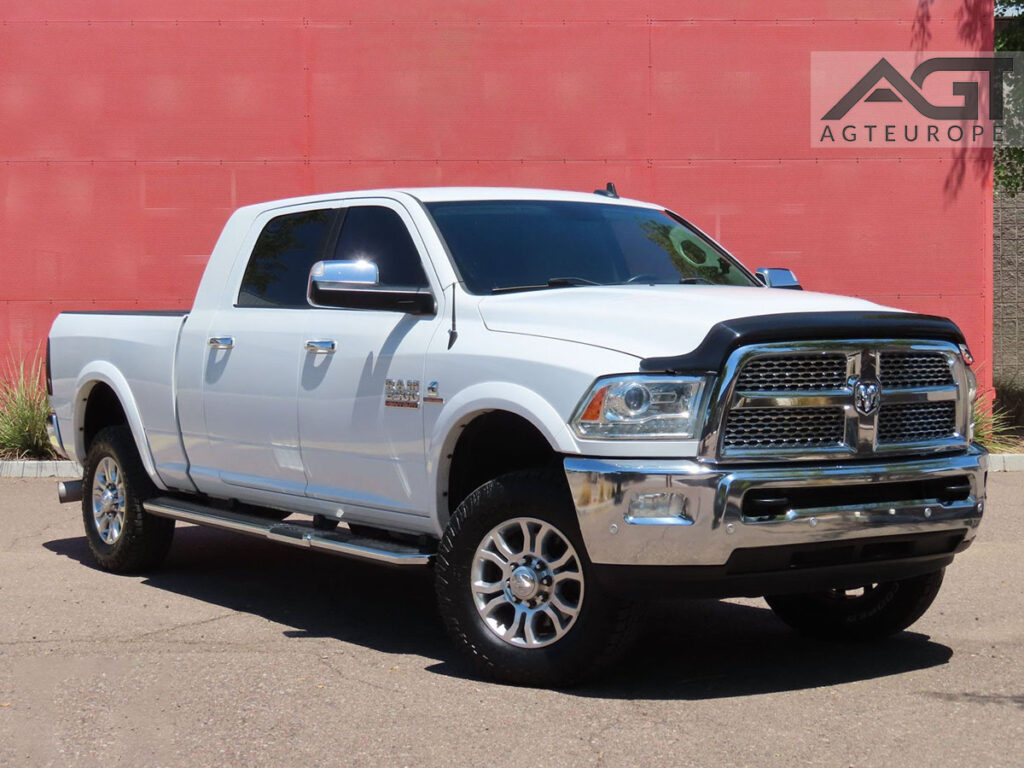
The 2016 Ram 1500 EcoDiesel was supposed to benefit from earlier fixes, but for many owners, it introduced a new wave of problems, mostly tied to emissions software updates. After regulatory scrutiny, Ram rolled out ECU updates to bring the trucks in line with environmental standards. Unfortunately, this often came at the cost of driveability and performance.
Drivers complained about reduced fuel efficiency, sluggish throttle response, and constant regen cycles. For many, the EcoDiesel lost its smooth, responsive feel after the software changes.
We noticed this ourselves after a mandatory dealer update. Before the update, we averaged 26 MPG on the highway. Afterward, that number dropped to 21, and the truck felt noticeably slower in the 30–60 MPH range. Passing required more throttle input, and it didn’t downshift as cleanly.
Aside from that, the EGR and turbo issues still lingered. Owners reported sticky EGR valves and repeated soot buildup, especially under city driving conditions. There were also cases of oil leaks around the turbo seals, sometimes showing up before 70,000 miles. These weren’t always catastrophic, but they were frustrating and expensive to fix.
Electrical glitches persisted as well. A few drivers mentioned false DEF fluid level warnings, which triggered limp mode despite the tank being full. One morning, we experienced this firsthand. The DEF warning came on during a 15-minute drive to work, and the truck lost most of its power before we even hit 45 MPH.
2017 Ram Ecodiesel
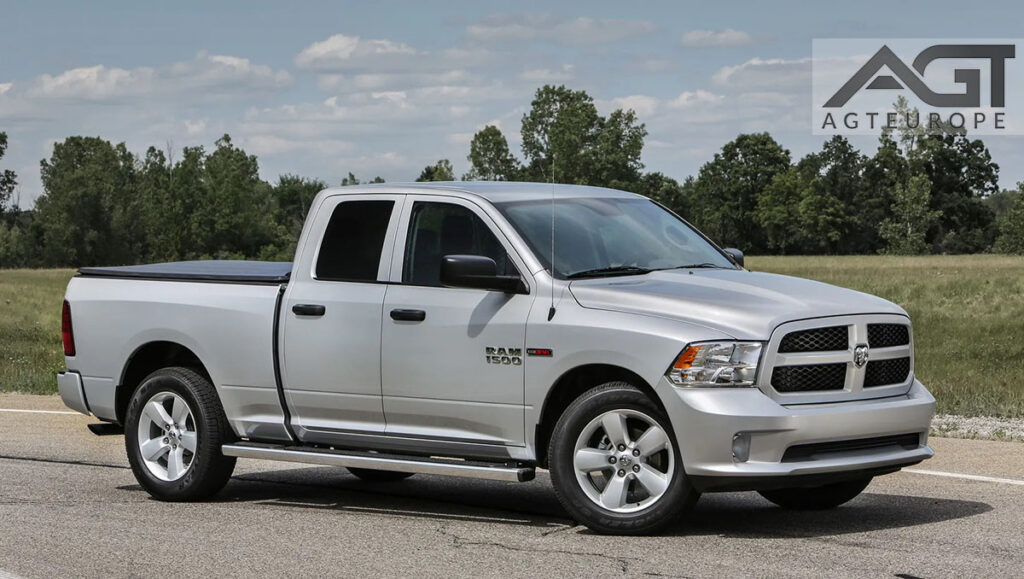
The 2017 Ram 1500 EcoDiesel was a turning point. It’s not because all the problems disappeared, but because it marked the tail end of the problematic first-gen models. While it saw fewer catastrophic failures than the 2014–2016 trucks, owners still dealt with emissions-related issues and high maintenance costs.
The most common complaint for this year remained the EGR cooler, which continued to crack or clog in many trucks, especially those used for short commutes or city driving. Several owners mentioned needing EGR replacements before hitting 80,000 miles.
We ran into this around 77,000 miles. The EGR valve failed completely, and the repair cost nearly $1,200. Before the replacement, we noticed a strong burning smell and a sharp drop in fuel economy, down from 25 MPG to just under 19.
2017 was also the year Ram became embroiled in an emissions compliance controversy, with regulators alleging that certain EcoDiesel models, particularly the 2017 1500s, used undisclosed software to circumvent emissions standards. This led to government investigations, recalls, and software updates that many owners claimed worsened performance and reduced MPG.
Fuel system issues also popped up, though less frequently than in earlier years. A handful of drivers reported injector problems or fuel pressure irregularities, especially during cold starts. In our experience, the truck developed a slight hesitation when starting in colder weather, usually under 40°F, and would idle roughly for the first minute or two.
Common 3.0 EcoDiesel Problems On Ram 1500
If you want to buy a used EcoDiesel Ram 1500, pay attention to these common reliability issues:
- EGR cooler failures: One of the most frequent and serious issues with early EcoDiesel engines is the failure of the Exhaust Gas Recirculation (EGR) cooler. Cracks can lead to coolant leaks into the intake system, resulting in overheating, engine hydrolock, and even potential engine fires.
- Turbocharger malfunctions: Turbochargers in the 2014–2016 models have been prone to premature failure, often due to oil starvation or carbon buildup. When the turbo fails, drivers experience a sharp loss of power, increased emissions, and costly repairs exceeding $3,000.
- Oil cooler leaks: Faulty oil coolers can allow oil and coolant to mix, compromising engine lubrication and leading to overheating or catastrophic engine damage. These issues typically arise before 100,000 miles and require expensive part replacements.
- DPF and emissions system issues: Diesel Particulate Filter (DPF) clogs and EGR valve problems were particularly common in the 2014–2017 models. These components are vital for emissions compliance, and when they fail, they reduce performance, trigger warning lights, and are costly to repair or replace.
- Electrical and TIPM failures: Early models suffered from electrical gremlins related to the Totally Integrated Power Module (TIPM), causing unpredictable issues with power windows, lights, and infotainment. Many problems recur even after repairs, leading to ongoing frustration for owners.
- Excessive oil consumption: Some EcoDiesel engines, especially from 2014–2015, consume oil at a significantly higher rate than normal. This leads to frequent top-offs, potential engine wear, and, in worst cases, engine failure due to low oil levels going unnoticed.
Post-recall software problems: After emissions-related recalls, many 2016–2017 owners reported rough idling, laggy throttle response, and decreased fuel efficiency. These software updates were required for compliance, but often degraded overall drivability and owner satisfaction.
See more cars to avoid & common issues: