

The worst Nissan Pathfinder years are 2005–2007 and 2013-2015. These models face widespread issues like the notorious “strawberry milkshake” transmission failure, faulty fuel gauges, defective timing chains, unreliable airbags, and electrical malfunctions. The 2017 Pathfinder stands out as one of the most reliable, with fewer complaints and improved technology.
Let’s dive deeper into the problems of each year!
In This Article:
What Nissan Pathfinder Years To Avoid
2005 Nissan Pathfinder

According to the NHTSA, the 2005 Nissan Pathfinder has over 1,050 complaints and 4 recalls as of 2025. The most common and costly defect is the transmission and radiator failure, often called the “strawberry milkshake” problem.
A design flaw allows coolant to leak into the transmission fluid, causing it to overheat, slip gears, shudder, or completely lose power without warning. Many drivers report this happening at speeds of 30–65 mph, creating dangerous situations in traffic. Repair costs often run between $5,000 and $7,000, with failures reported as early as 80,000 miles.
Engine cooling issues also appear frequently, with overheating and burned-out radiators even after replacement. Fuel system problems add another safety concern. Faulty sending units make the fuel gauge unreliable, leaving drivers stranded on highways after unexpectedly running out of gas. Electrical issues are equally alarming, with dashboard blackouts, jerking, and sudden stalls at highway speeds.
From our own experience, the Pathfinder stalled on us at 55 mph with our family inside, leaving us terrified until we could restart it. Another time, at around 90,000 miles, the SUV shook and lost first gear at a green light, nearly causing a rear-end collision. With so many similar stories from other owners, it’s clear this is not an isolated case but a widespread problem.
2006 Nissan Pathfinder
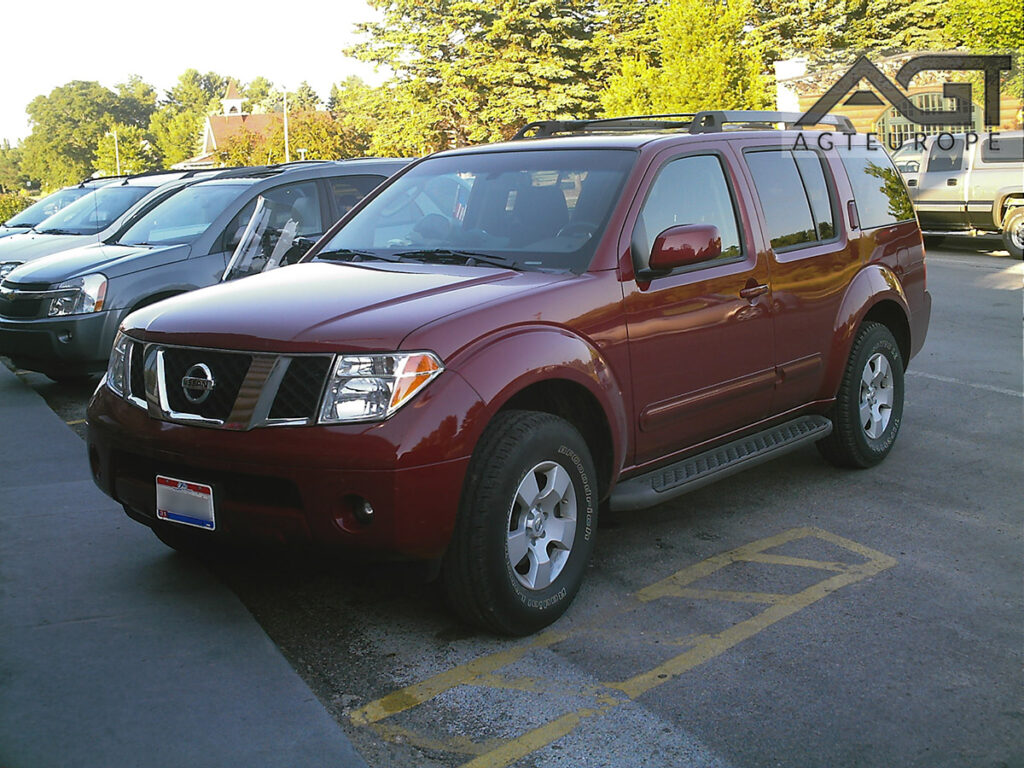
As of 2025, the 2006 Nissan Pathfinder carries 5 recalls and 837 NHTSA complaints, reflecting serious concerns from owners nationwide.
While the well-known Nissan Pathfinder transmission issue remains, many owners report that fuel system failures are just as dangerous. Faulty fuel gauges often show a full tank when the SUV is actually running empty, leading to sudden stalls in traffic.
Some drivers mention breaking down on highways without warning, forcing themselves and even children to push the vehicle out of harm’s way. Others found that a failing fuel level sensor caused the fuel pump to stop working, with repair costs often topping $1,000.
The timing chain defect is another recurring failure. Many describe a loud rattling or buzzing that only worsens with time, until the chain teeth begin breaking off into the oil. This leads to sudden stalls, rough running, or even complete engine shutdown. Failures are often reported around 130,000–175,000 miles, with repair bills running several thousand dollars.
Engine stalls and loss of power make the SUV unpredictable and unsafe. Owners note the Pathfinder jerking at speeds of 35–65 mph, then shutting off completely, sometimes locking the steering wheel. We personally experienced this at around 40 mph, when the SUV cut off in traffic, leaving us struggling to brake as the wheel seized.
Steering problems add yet another safety hazard. Complaints include grinding noises, looseness in the steering column, and, in some cases, complete lock-up during turns. Some drivers even lost control at highway speeds, leading to crashes and injuries.
2007 Nissan Pathfinder
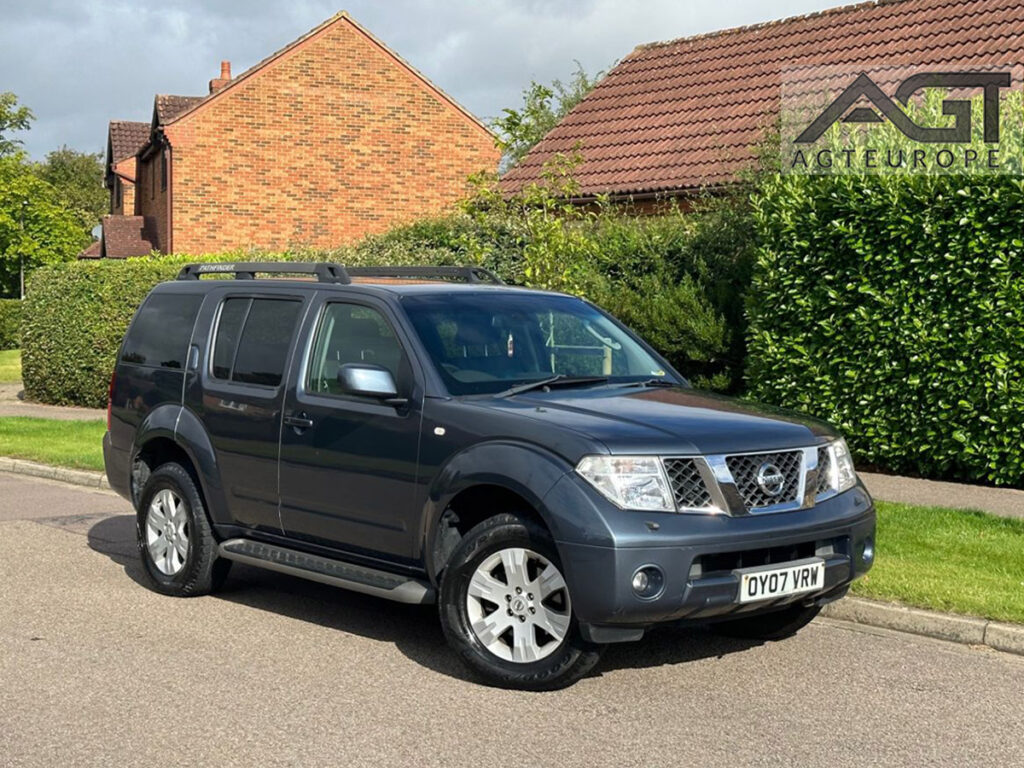
The 2007 Nissan Pathfinder carried over many of the same issues from the 2005 and 2006 models, making it yet another SUV that owners widely regret. According to the NHTSA’s 2025 data, it has 2 recalls and 561 complaints.
One of the most reported problems continues to be with the transmission and radiator system. Many complaints describe a cracked radiator leaking coolant into the transmission fluid, leading to overheating, slipping gears, and eventually complete transmission failure. Some owners reported sudden loss of power while driving, with repair costs reaching well over $6,000 when both the radiator and transmission had to be replaced.
The fuel system is another major weak point. Hundreds of drivers report gauges that read full when the tank is empty, or drop suddenly to “E” regardless of the actual fuel level. In many cases, the fuel level sending unit failed and required replacement, sometimes multiple times within a year. Others described not being able to fill the tank because the pump would shut off repeatedly, while some vehicles stalled at intersections or on highways despite having fuel.
Electrical and airbag problems add even more risk. Many Pathfinders from this year have airbag warning lights that remain on permanently, and some drivers even reported airbags failing to deploy in crashes. Tire pressure sensors, window controls, and heater functions are also known to malfunction.
2013 Nissan Pathfinder
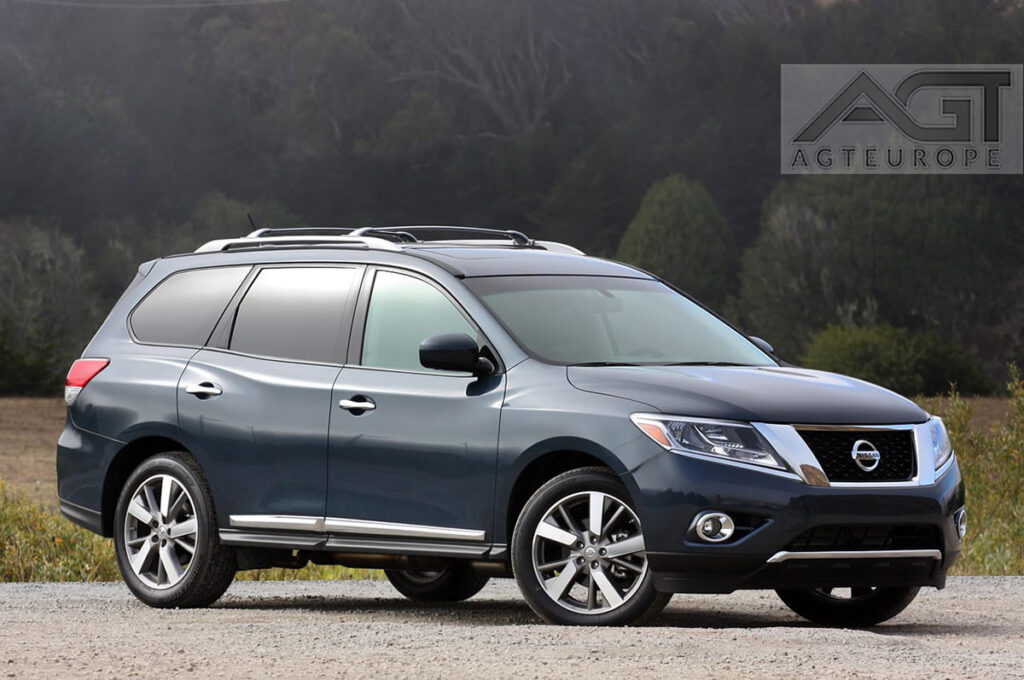
The 2013 Nissan Pathfinder has earned a reputation as one of the least reliable midsize SUVs of its generation, and the data backs this up. According to the NHTSA, as of 2025, this vehicle has 11 recalls and over 870 complaints, most of them tied to serious safety and reliability problems.
The most common issue is the continuously variable transmission (CVT). Owners consistently report shuddering, jerking, slipping, and even total loss of acceleration. Many describe situations where the Pathfinder suddenly lost speed on the highway, leaving them vulnerable in traffic. Common trouble codes include P1750, P0776, and P0965, all pointing to transmission failures that often required full replacements—sometimes more than once.
Engine problems also surface, including overheating caused by failing radiator fans, along with premature catalytic converter and sensor failures. Structural concerns are equally serious, with rear subframe corrosion leading to broken suspension parts and vehicles deemed unsafe to drive. Brake light failures, ABS problems, and extended stopping distances further add to the risks.
During our test drive, the symptoms are undeniable. At around 60 mph on the freeway with just under 110,000 miles, the Pathfinder began to shudder so violently that it felt unsafe to remain in our lane. Later, at lower speeds, the same shaking returned while turning through intersections. Many other owners report nearly identical situations, showing this isn’t an isolated problem but a widespread defect.
2014 Nissan Pathfinder
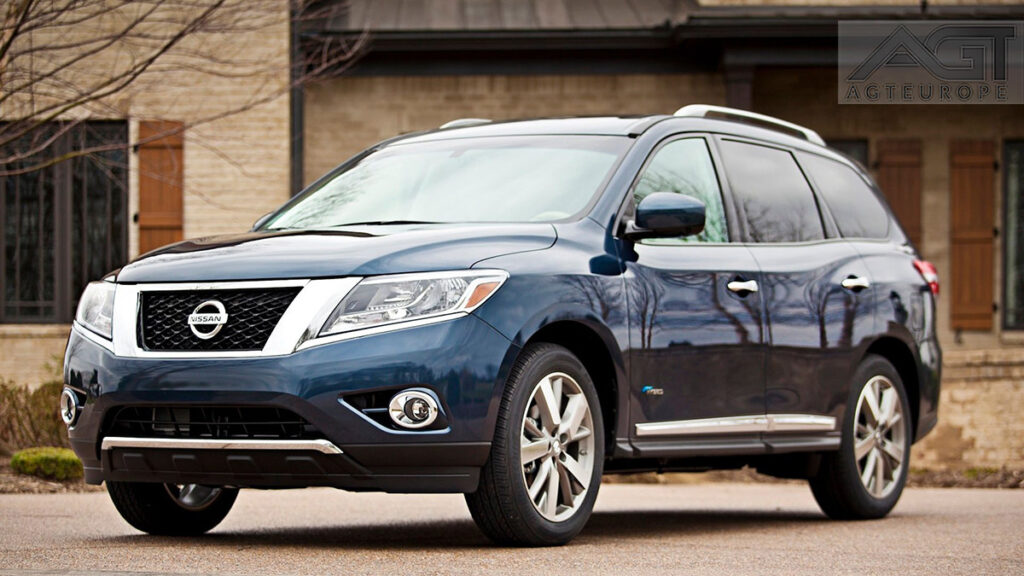
Based on NHTSA’s 2025 data, the 2014 Nissan Pathfinder has recorded 11 recalls and 554 owner complaints, and the problems stretch far beyond the CVT, like previous models.
One of the most alarming issues is the airbag system, where the Occupant Classification System often fails to recognize a passenger. Many drivers notice the warning light stays off even when an adult is seated, meaning the airbag may not deploy in a crash. Repair costs are high, and recalls only cover certain VINs, leaving many owners unprotected.
Another frequent safety concern is the braking and electrical system. Drivers report brake failure in wet conditions, flickering headlights, inaccurate fuel gauges, and multiple warning lights flashing at once. On one rainy evening, we pressed the brakes at around 40 mph, only to feel the vehicle glide forward with almost no stopping power. It was a frightening experience that many owners say they have faced.
Structural issues are also severe. Rear subframe corrosion has caused suspension failures, sometimes before 100,000 miles, and repairs often cost thousands of dollars. Owners also report hood latches failing at highway speeds, visors that fall down unexpectedly and block visibility, and even interior door handles breaking. Engine overheating, loud noises, and repeated catalytic converter failures add to the list.
2015 Nissan Pathfinder

The 2015 Nissan Pathfinder continues the troubling pattern of its earlier models, with 6 recalls and over 310 complaints on record with the NHTSA as of 2025.
The most widespread and costly issue remains the CVT transmission, which owners report causes jolting, hesitation, sudden shutdowns, and complete transmission failure often before 120,000 miles. Many drivers describe their SUVs shaking violently at low speeds or even stalling on highways, with repair bills quoted at more than $6,000, often exceeding the car’s value.
Just as concerning are the airbag problems, which have led to unpredictable and unsafe situations. Owners report the passenger airbag light staying on, airbags deploying without impact at speeds as low as 15–25 mph, or failing to deploy correctly during minor crashes.
Even after recall repairs (NHTSA Campaign Number: 16V244000), some drivers found the Occupant Classification System sensor still malfunctioning, forcing them to pay out of pocket. In our experience, the passenger-side airbag warning light came on repeatedly after just a short drive, making us question whether it would work in a real accident.
Beyond these major issues, the engine has been another sore spot. Multiple reports describe violent shaking, stalls in traffic, excessive smoke, and repeated costly repairs with no resolution.
Electrical and battery failures, brake light switch malfunctions, and cooling fan breakdowns add to the frustration. One driver reported a sudden loss of acceleration while making a left turn, nearly causing a crash. This is an incident we also faced when ours stalled at an intersection with no warning.
Common Nissan Pathfinder Issues
If you are looking for Nissan Pathfinder used cars, pay attention to these reliability problems:
- Transmission failures (radiator & CVT issues): One of the most infamous Pathfinder problems is the “strawberry milkshake” failure, where coolant leaks into the transmission fluid, leading to overheating, slipping, and total transmission breakdown, often costing $5,000–$7,000. In newer models (2013–2015), the CVT causes severe shuddering, hesitation, and loss of acceleration, sometimes even at highway speeds.
- Fuel system defects: Faulty fuel sending units cause gauges to read inaccurately, often showing a full tank when empty. This leads to sudden stalls on highways or intersections, leaving drivers stranded in dangerous situations and creating expensive repair needs.
- Timing chain problems: Particularly in the mid-2000s models, defective timing chains rattle, wear prematurely, and can break down completely. This failure often results in sudden engine stalls or complete engine shutdown, sometimes around 130,000–175,000 miles, with costly repairs in the thousands.
- Airbag system failures: Across 2013–2015 models, the Occupant Classification System often fails to recognize passengers, disabling airbags when they’re needed most. Some owners even report unexpected airbag deployment at low speeds, while others saw airbags fail to deploy during collisions.
- Electrical & dashboard malfunctions: Owners frequently complain of flickering headlights, dead dashboards, malfunctioning sensors, and vehicles stalling suddenly due to electrical faults. These unpredictable failures make the SUV unsafe, particularly when they occur at highway speeds.
- Steering & suspension issues: Multiple years suffer from steering problems such as grinding noises, looseness, or even total lock-up during turns. Structural failures like subframe corrosion have also caused suspension collapses, sometimes making the vehicle unsafe to drive under 100,000 miles.
- Brake & cooling failures: Drivers report brake loss in wet conditions, ABS malfunctions, and long stopping distances. Cooling fans and radiators also fail prematurely, leading to frequent overheating and repeated engine damage.
FAQs
What Are The Nissan Pathfinder’s Best Years?
The 2017 Nissan Pathfinder is the standout best year, offering updated styling, modern tech, and minimal complaints. The 2016 and 2018-2020 Pathfinders can also be reliable, with high reliability ratings.
Is The Nissan Pathfinder Reliable?
Overall, the Pathfinder scores above-average reliability. With proper maintenance, it can last long, though certain generations face transmission, timing chain, and sensor issues. Choosing the right model year makes a big difference.
See more cars to avoid & common issues: