
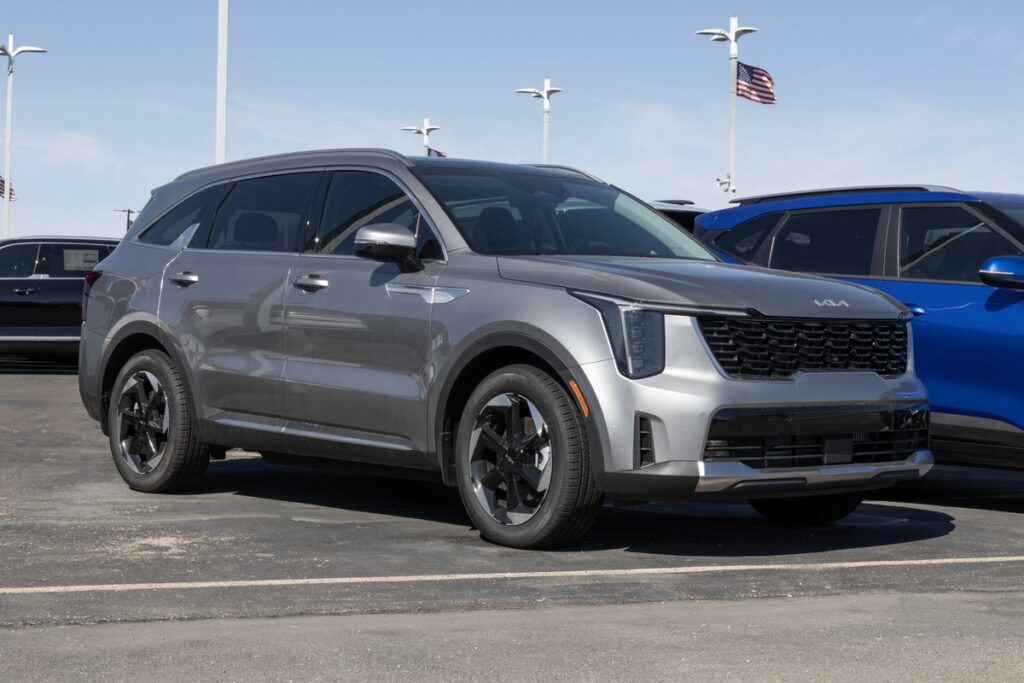
The worst Kia Sorento years to avoid include 2011 to 2016 models, which are widely reported to suffer from catastrophic engine failures, excessive oil consumption, and engine fires even while parked. Other recurring problems include steering “stickiness,” melted headlight connectors, and peeling paint.
Want to know more about their reliability problems? Read on to protect your next purchase.
In This Article:
What Year Kia Sorento To Avoid
2011 Kia Sorento
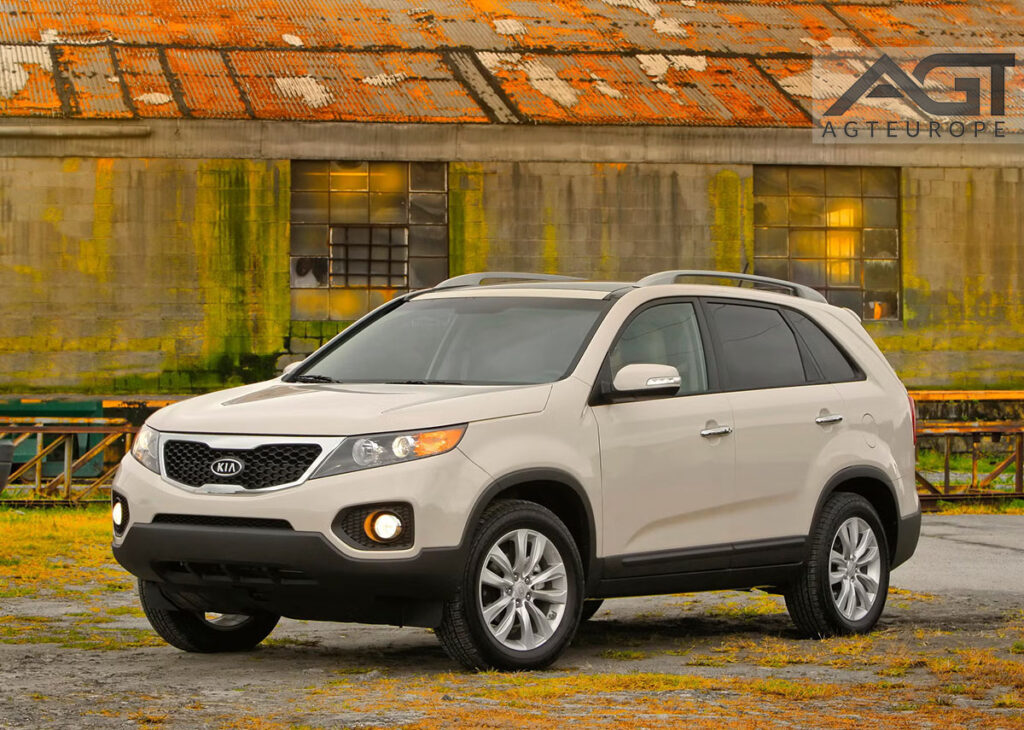
The 2011 Kia Sorento has amassed 1,495 complaints and 8 recalls on the NHTSA website as of 2025. Most concerning is an active fire risk warning: the Hydraulic Electronic Control Unit (HECU) may short-circuit, leading to an engine compartment fire, even while parked.
Many owners report engine stalling, overheating, and loss of power while driving, especially at speeds between 55 and 65 MPH. Kia has acknowledged this with recall campaign 23V877000, but not all VINs are covered, leaving many drivers without help.
We experienced a sudden loss of acceleration at highway speeds. The car dropped to 20 MPH even with the pedal fully pressed. At one point, the vehicle shut off mid-turn, and we had to coast to a stop with warning lights blinking.
The powertrain and transmission systems also show major faults. Numerous reports detail jerky movements, limp mode activation, and complete stalling, even after part replacements. There are also widespread Kia Sorento issues with door latches, where exterior handles fail to open, a serious safety risk during emergencies.
Add to this: electrical burning smells, head gasket failures, peeling paint, water leaks, non-functioning airbags, and door locks breaking without warning. Multiple families have reported fires, near-explosions, and mechanics advising that the cost of repairs exceeds the vehicle’s value.
2012 Kia Sorento
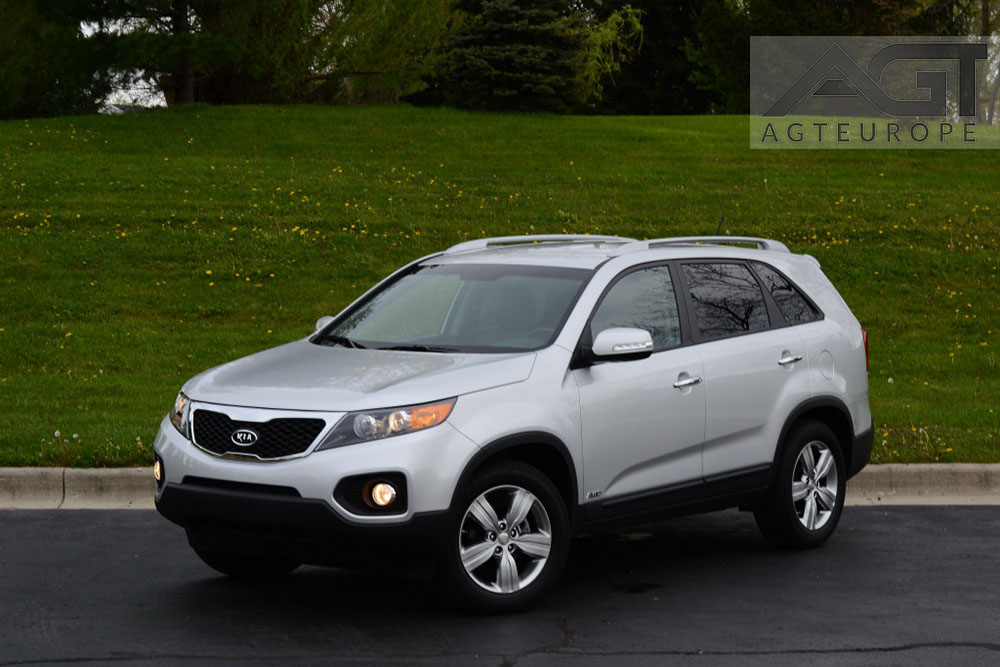
The 2012 Kia Sorento fares no better than its predecessor, with 851 complaints and 5 recalls reported to the NHTSA as of 2025. It still carries an active NHTSA fire risk warning: the Hydraulic Electronic Control Unit (HECU) may short-circuit, creating the potential for an engine compartment fire, even while parked. Multiple owners have reported their vehicles catching fire shortly after engine replacements.
Most concerning is that engine-related issues now account for nearly half of all complaints. These include complete engine failure, seizure while driving, loss of power, ticking and knocking noises, and failure to accelerate, often without any prior warning.
Many cases are linked to earlier recall campaigns such as 18V907000 and 20V750000. However, several affected vehicles are not covered under these campaigns despite matching symptoms.
Owners also report recurrent stalling at low speeds and highway conditions alike, even after performing required recall inspections. In some cases, replacement engines have failed within weeks, resulting in vehicle fires and total losses.
Electrical issues are also persistent, with warning lights activating randomly and reports of smoke or steam coming from the hood. Meanwhile, airbag malfunctions, often flagged by the warning light, remain unresolved for many owners, leading to failed safety inspections and expensive repairs. Despite the serious nature of these faults, no airbag recall currently exists for this model year.
2013 Kia Sorento
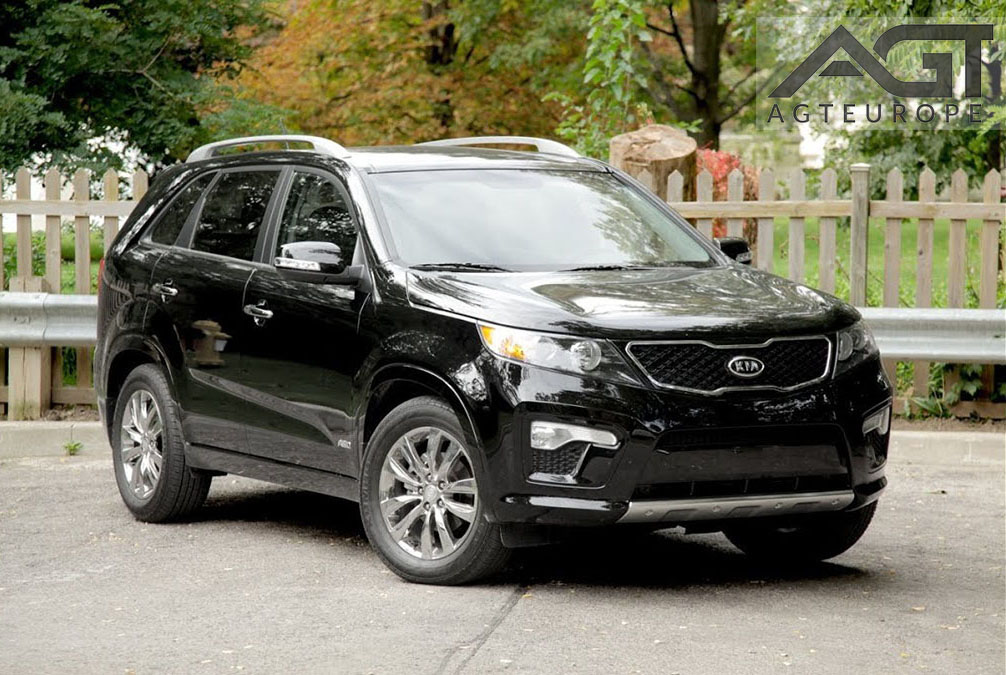
With 953 complaints and 5 recalls on file at NHTSA (as of 2025), the 2013 Kia Sorento continues the model’s troubling pattern of reliability and safety concerns. Engine issues persisted this year, still ranking as the most common complaint.
One of the most frustrating and dangerous problems for 2013 owners lies in the electrical and exterior lighting systems. Headlight and taillight failures are frequent, often caused not by the bulbs themselves, but by wiring and connector melting.
Many owners report replacing bulbs repeatedly (sometimes weekly), only to have them burn out again. In our case, the passenger-side low beam failed five times in under a year. The last time it went out, the wires were visibly scorched, and the housing gave off a strong plastic-burning smell. We had no choice but to stop driving at night until it was addressed.
What makes this worse is that some recall notices were issued, yet remedies were unavailable. Owners are often stuck waiting months while being told to park their cars outdoors due to the fire risk, creating anxiety and inconvenience for families relying on this vehicle.
On top of this, paint quality has become a cosmetic and structural concern. The Snow White Pearl paint is notorious for peeling in large sheets, particularly on the hood, roof, and side panels. This widespread issue has no official recall, even though hundreds of owners with properly maintained vehicles have documented it.
2014 Kia Sorento
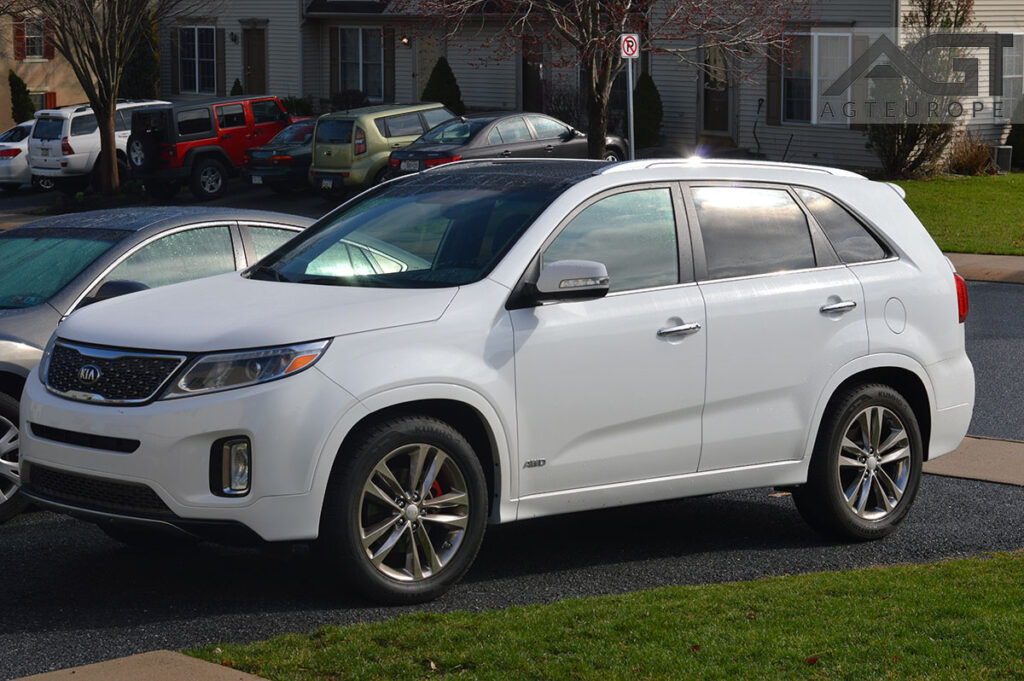
With 933 complaints and 6 recalls reported to the NHTSA (as of 2025), the 2014 Kia Sorento marks yet another troubled year for this SUV, especially for safety-critical issues.
Notably, it has received three urgent NHTSA warnings for fire risk, each warning that the vehicle could ignite while parked due to defects in the Hydraulic Electronic Control Unit (HECU). Despite this, many owners report waiting months for recall remedies, leaving their vehicles unsafe to drive or park near homes.
Electrical system failures are common and severe. Owners report full system shutdowns on the highway, flickering dashboards, inoperable locks, and melted sensors. Some drivers have lost all power without warning, with lights and gauges going dark in traffic. In multiple cases, these incidents occurred without any dashboard alerts beforehand, increasing the likelihood of crashes or roadside emergencies.
Structural and cosmetic problems also plague this model. Most notably, the Snow White Pearl paint continues to peel and delaminate in sheets. Large flakes have been reported flying off on highways, and many vehicles exhibit widespread rust where paint has failed.
Owners mention paint bubbling, water getting trapped beneath layers, and entire sections flaking off after rain or washing. Despite hundreds of identical complaints, Kia has not issued a recall.
The powertrain and transmission systems are also under scrutiny. Premature engine bearing wear, overheating, oil leaks, and complete engine failures are repeatedly cited. Several owners describe needing full engine replacements around or even before 70,000 miles, and rear axle failures have caused thousands in repair costs.
2015 Kia Sorento
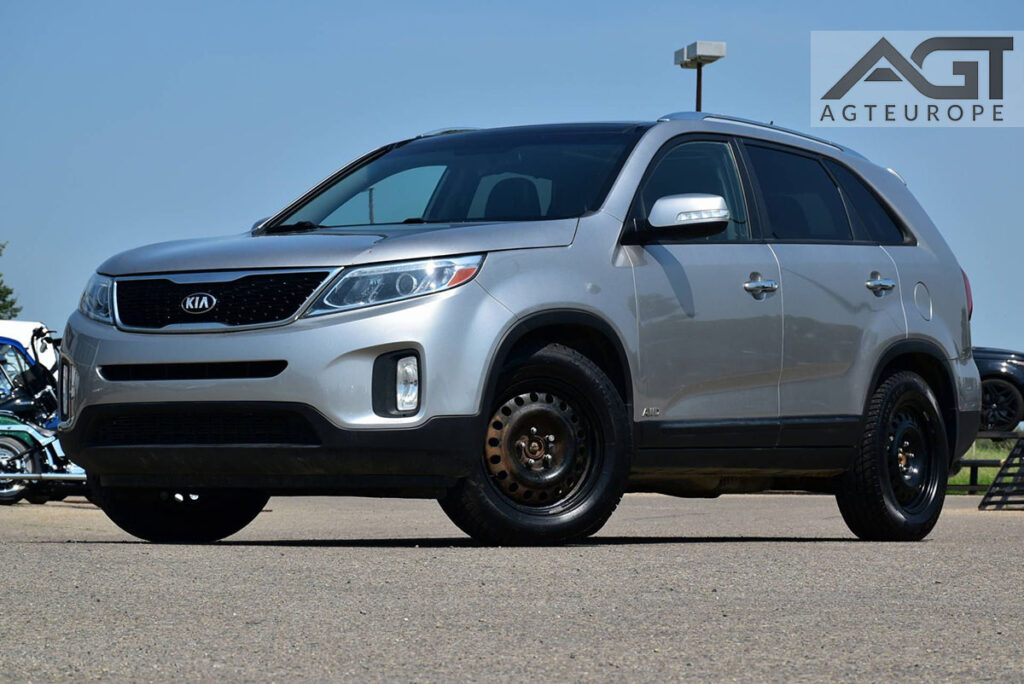
The 2015 Kia Sorento may look sleek on the surface, but under the hood and on the surface, trouble runs deep. With 708 complaints and 3 recalls on file with the NHTSA (as of 2025), this model year continues Kia’s troubling trend of engine breakdowns and persistent quality issues.
Engine problems remain the most severe concern. Many owners report sudden overheating, total engine failure, and stalling at highway speeds. In our case, the check engine light began flashing just as we hit 65 mph on a routine commute.
Within moments, power dropped, and the vehicle coasted to a stop with smoke coming from under the hood. A mechanic later confirmed catastrophic engine damage caused by a coolant leak and bearing failure. Despite multiple warranty extensions and technical service bulletins, Kia’s support was slow and inconsistent.
Exterior lighting is another headache. Many drivers complain of dim, low-beam headlights that fail repeatedly. We had to replace bulbs on both sides several times in a single year, and even switching brands didn’t help. Eventually, one headlight connector melted, filling the cabin with a faint burnt plastic odor. Dim or dead headlights can be a real safety risk, especially at night or in poor weather.
Finally, the paint quality on Snow White Pearl models is especially poor. Large chunks peel away from the hood, roof, and door panels, exposing bare metal that quickly rusts. Like many owners, we noticed this within a few years of ownership, but Kia continues to deny widespread responsibility.
2016 Kia Sorento
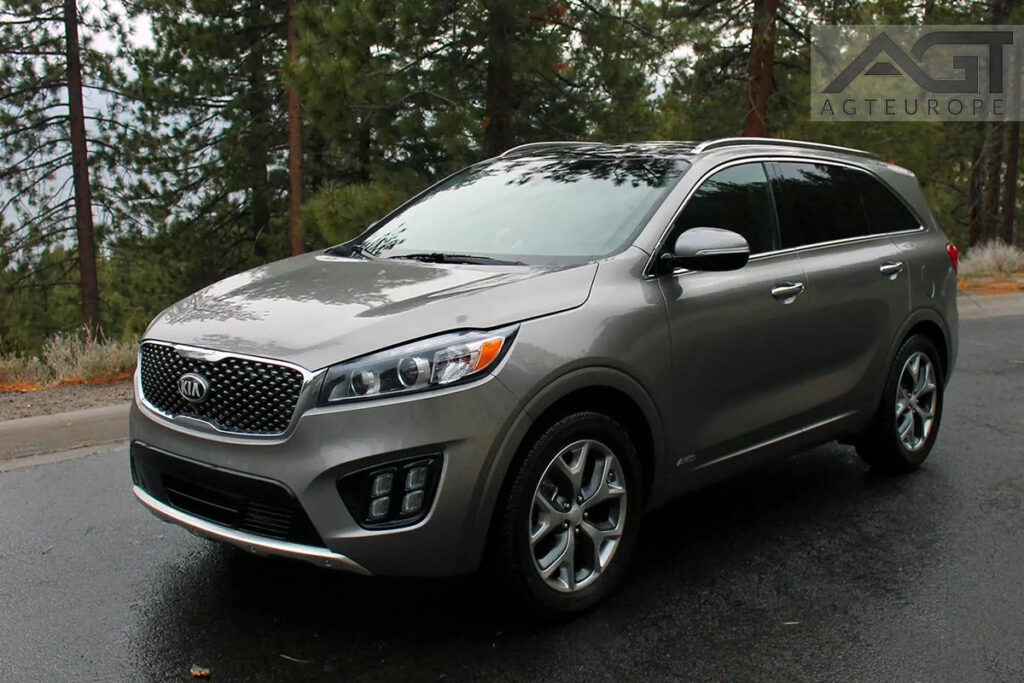
With 1,141 complaints and 8 recalls recorded by the NHTSA as of 2025, the 2016 Kia Sorento remains burdened by the same engine failures and fire risks that plagued earlier generations, despite the switch to a new platform in this third-gen redesign.
Owners continue to report catastrophic engine failure, often without warning lights. Some drivers have experienced engine seizures, blown head gaskets, and even explosions of the engine block at highway speeds.
Coolant leaks from faulty head gaskets and excessive oil consumption have left engines damaged beyond repair, even with proper maintenance. The 3.3L V6 and 2.4L engine choices alike are implicated, and despite extended warranties for some failures, many owners face costly repairs and warranty disputes.
The fire risk remains urgent. Multiple complaints involve burning smells, smoke, or actual fires under the hood, especially in cases of oil and fuel leaks. Several reports describe complete power loss in traffic, followed by engine failure, stalling, or reduced acceleration to dangerous lows (under 20 MPH).
Steering system issues are another serious concern. Many drivers report a “sticky” or binding steering wheel at highway speeds, where the wheel fails to respond smoothly during slight turns.
This erratic behavior increases crash risk and is often difficult to replicate during service visits. Power steering failures, EPS light activation, and locked steering have also been recorded, sometimes forcing drivers off the road entirely.
The Sorento also suffers from electrical and fuel system glitches, including gasoline odors from fuel leaks, persistent check engine lights, and unresponsive gear shifters.
5 Common Kia Sorento Problems
Below are the 5 most frequently reported problems on the Kia Sorento:
- Catastrophic engine failures: The most serious issue plagues the 2.4 L and 3.3 L Theta II engines (2011–2016). Many owners report head‑gasket failures, oil starvation due to metal shavings in engine oil passages, and eventual engine seizure or block explosions, often before 100,000 miles.
- Persistent fire risk: Particularly in second‑ and third‑generation models (2011–2016), drivers received urgent warnings about engine compartment fire risk linked to faulty ABS or hydraulic control units (HECU). Reports include actual fires, smoke, or burning electrical components even while parked.
- Lighting and electrical system failures: Exterior lighting failures, especially headlight bulbs burning out due to melting connectors, and intermittent dashboard or interior electrical faults are widely reported. These issues often recur even after bulb replacement and sometimes coincide with wiring degradation from soybean‑based insulation. Door malfunctions, such as faulty door latches, non-working handles, and fractured doors, are also common.
- Paint delamination and structural decay: Snow White Pearl paint on many Sorentos (2013–2016) peels in large sheets, bubbles, or flakes, exposing bare metal that rusts quickly. This has been reported across many fully‑maintained, garage‑kept vehicles with often no official recall or remedy from Kia.
- Steering and transmission problems: Drivers report “sticky” or binding steering at highway speeds, sudden loss of power steering, jerking transmissions, and limp mode Activation, especially in 2011, 2015, and 2016 models. These often occur without any warning light and can pose a serious hazard.
FAQs
Are Kia Sorentos Good Cars?
Yes, Kia Sorentos are generally good midsize SUVs for sale, especially in more recent model years. They offer strong value with roomy interiors, good safety scores, and modern features. However, several earlier models (2011–2016) suffered from serious engine, structural, and electrical issues, so it’s wise to avoid those specific years.
What Are The Kia Sorento’s Best Years?
The best years for the Kia Sorento are 2019 to 2023, which show improved reliability, better safety features, and minimal mechanical complaints. These models benefit from refined engine performance and updated tech, with few reported defects compared to problematic years like 2011–2016, which are widely advised against.
See more cars to avoid & common issues: